Insulated Bags Manufacturer Your Trusted Choice
Complete Customization Options
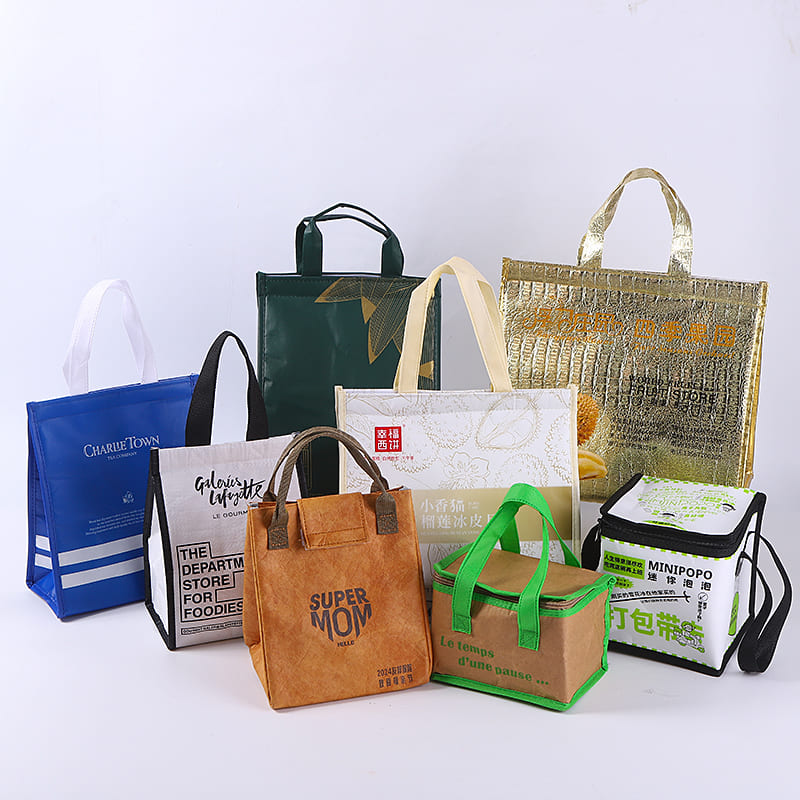
From material to printing, customize your insulated bag with 7 printing methods, 6+ material options, and heat sealing or sewing construction.
Low MOQ & Fast Delivery
Start with just 5,000 pieces minimum order and receive your goods within 25-35 days with our 50+ production lines
Export-Grade Quality Control
ISO 9001 certified with 4-stage inspection process ensuring every bag meets international standards for 40+ countries
One-Stop Production
Complete solution from design consultation to global shipping - 360+ skilled staff handle everything under one roof
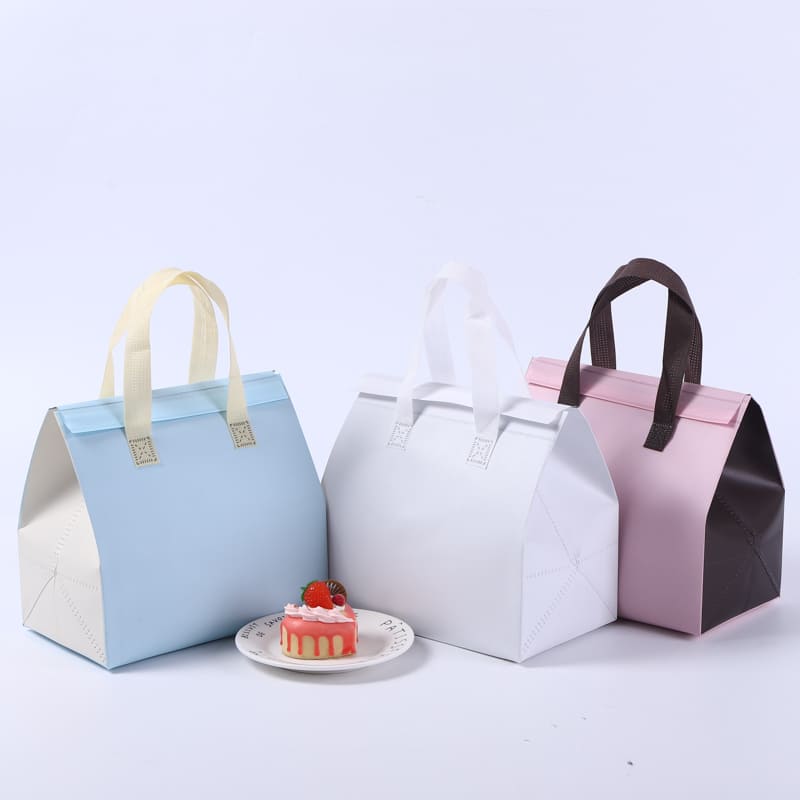
Food Delivery Bags
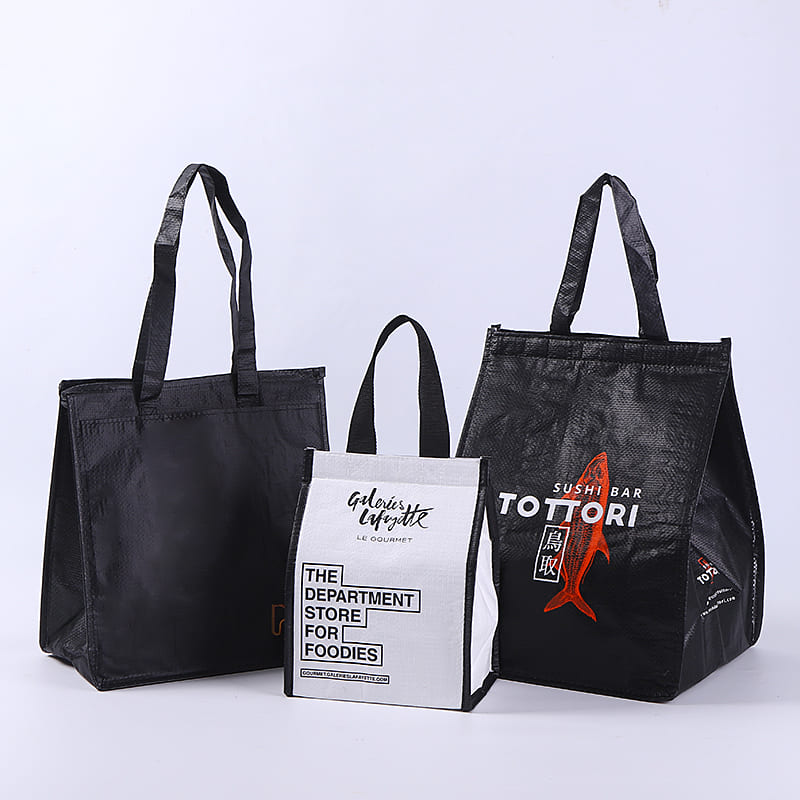
PP Woven Cooler Bags
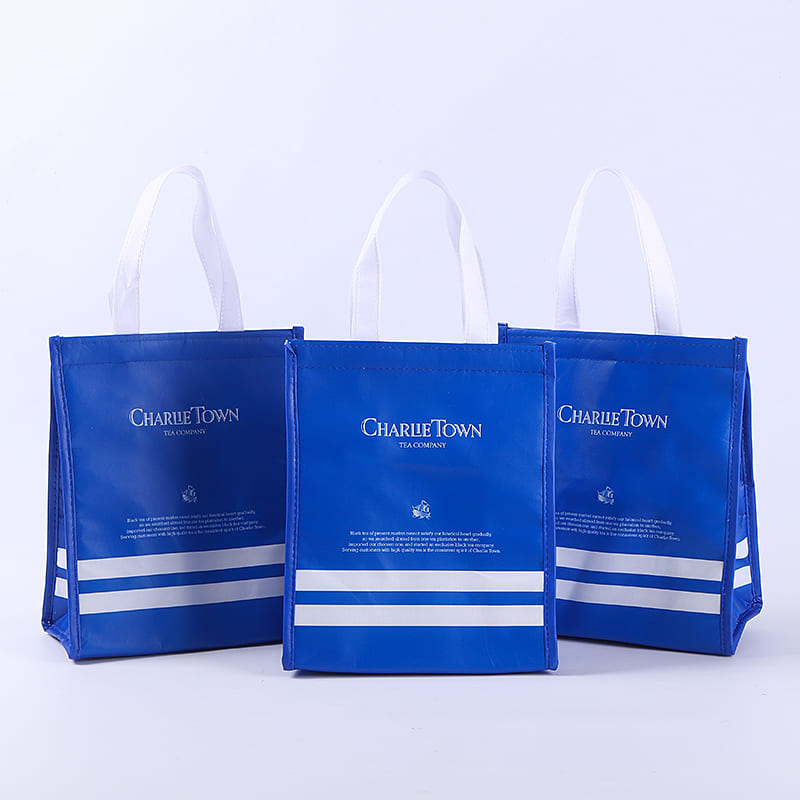
Velcro Cooler Bags
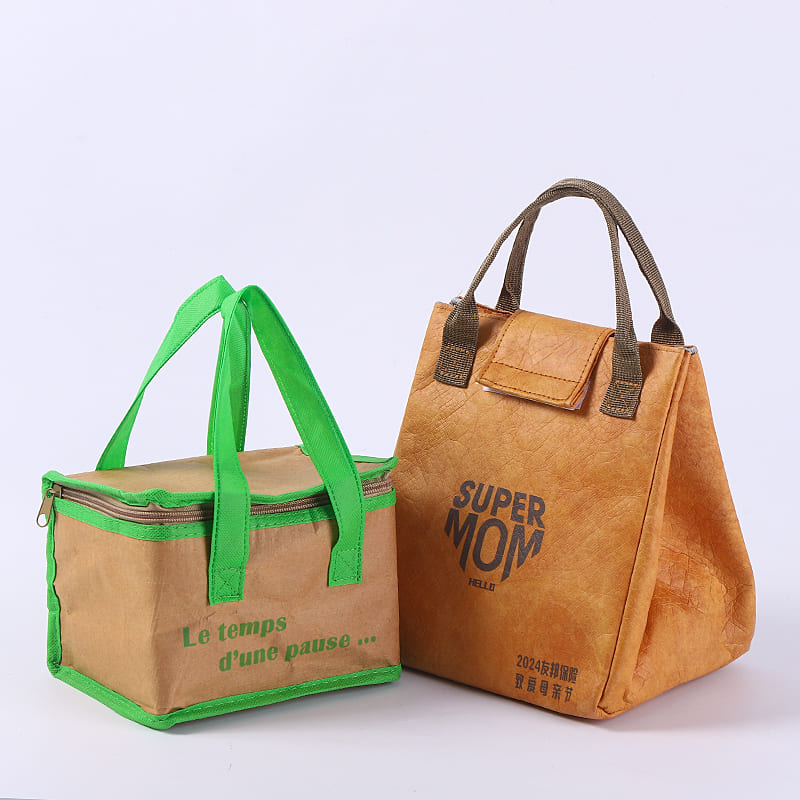
Tyvek Cooler Bags
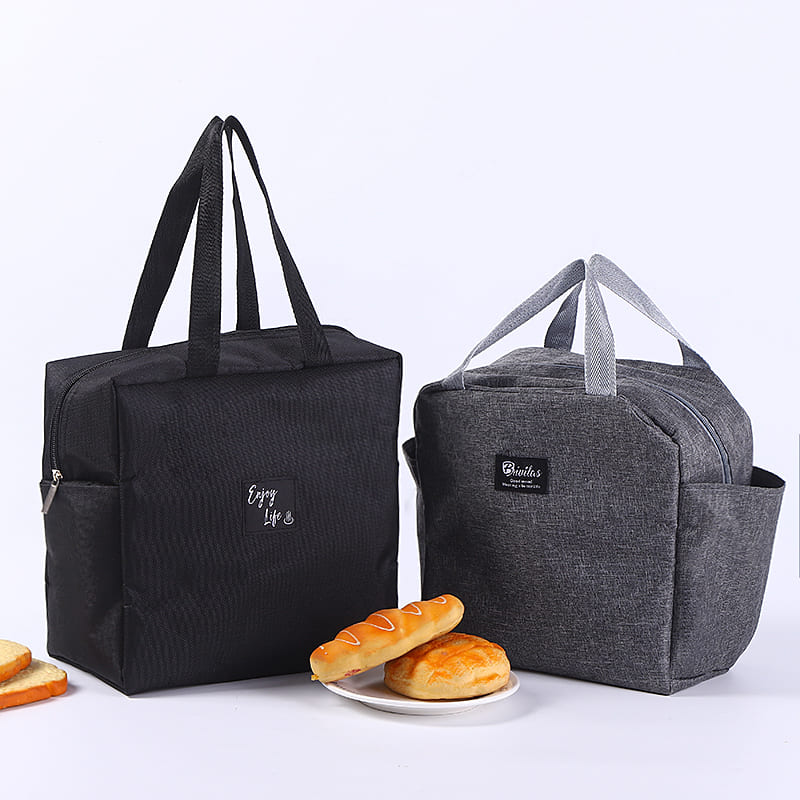
Oxford Fabric Cooler Bags
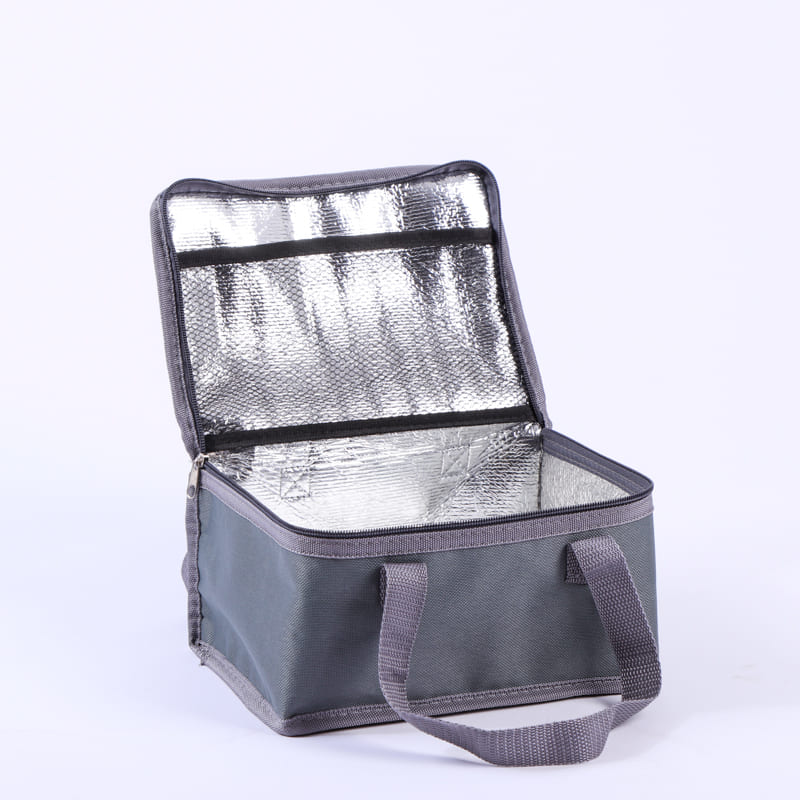
EPE Foam Insulated Bag
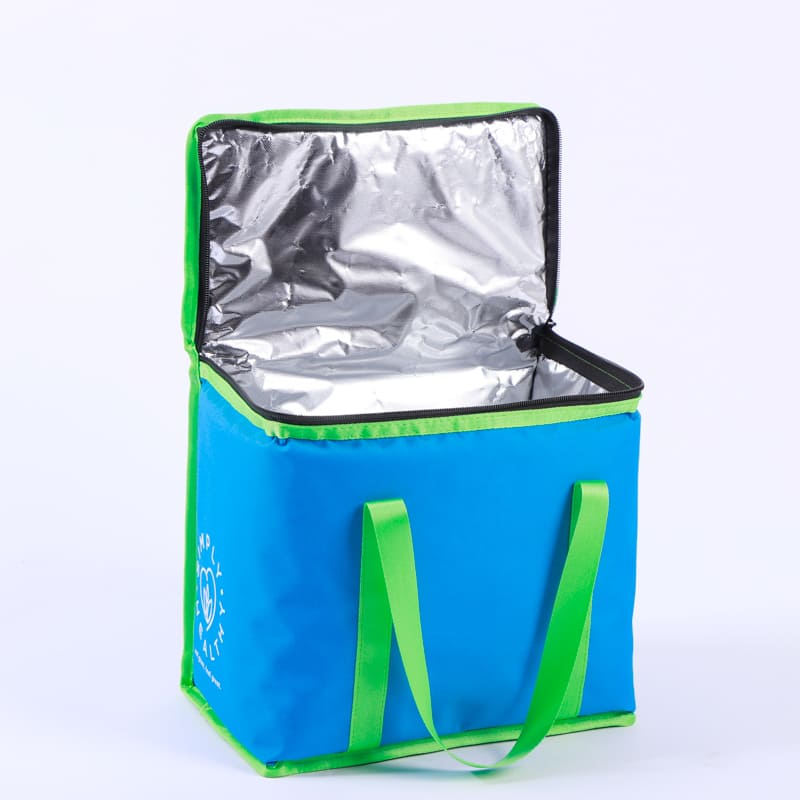
EVA Insulated Bag
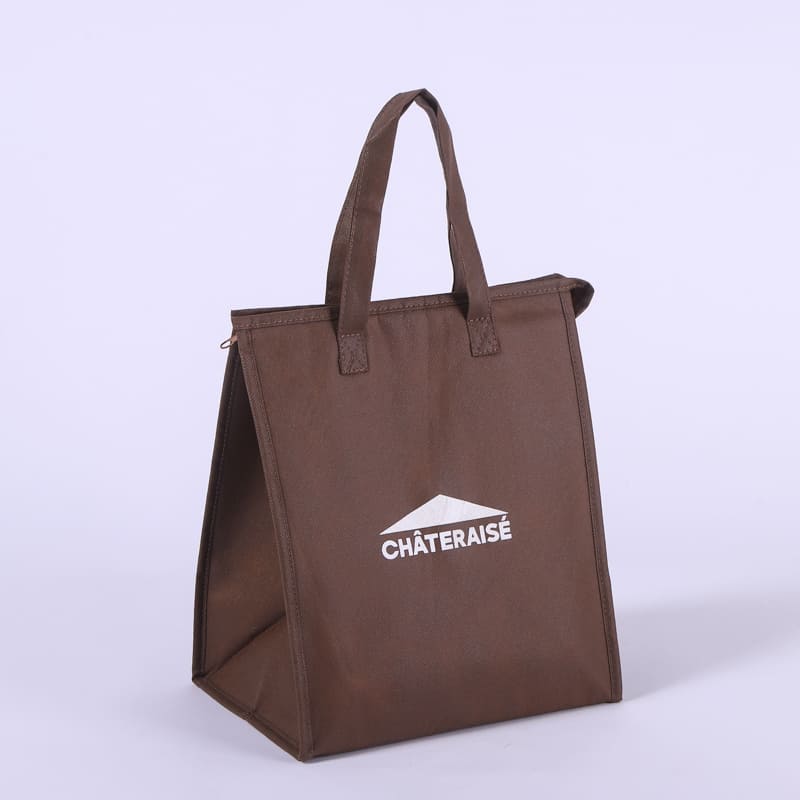
Zipper Cooler Bags
Get our full insulated bag catalog with specifications and pricing
Premium Surface Materials
Choose from our range of high-quality materials, each designed for specific applications and durability requirements.
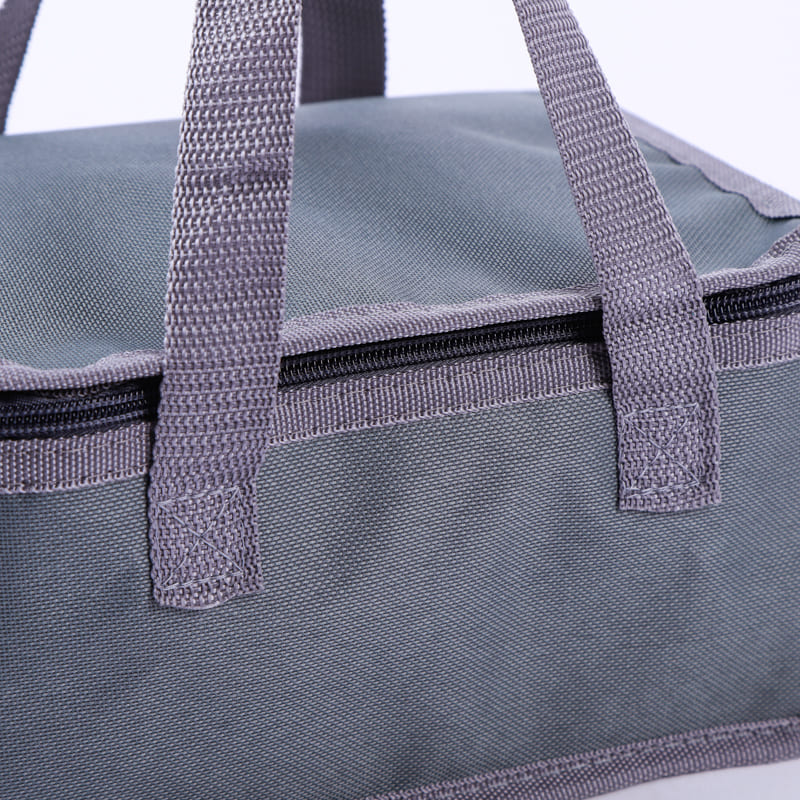
Oxford Fabric
Oxford fabric is a durable polyester material widely used for insulated bags, backpacks, and travel bags. Its woven structure provides strong abrasion resistance while remaining lightweight, ideal for shopping, food delivery, and outdoor cooler bags.
Durability
Dense woven structure offers strong abrasion and tear resistance. Maintains bag shape well even under heavier loads.
Water Resistance
PU or PVC coating enhances water protection. PU keeps fabric flexible, PVC provides stronger waterproofing.
Cost Efficiency
Balances durability and price. Generally more affordable than canvas while stronger than many lightweight fabrics.
Fabric Thickness
Common options: 210D, 420D, 600D. 210D for light bags, 420D for medium, 600D for durable cooler bags.
PP Woven Fabric
PP woven fabric is a strong, cost-efficient material for insulated bags. Its tight weave ensures high tensile strength and tear resistance, making it ideal for heavy groceries, bottled drinks, or frozen foods. Lightweight yet durable, it performs well in bulk commercial use.
Strength & Durability
Supports 10–20 kg+ without tearing. Stronger than non-woven fabrics, ideal for heavy-duty insulated bags.
Moisture Resistance
Low water absorption (~0.01%) and hydrophobic. Stays light and mold-free even with condensation or light rain.
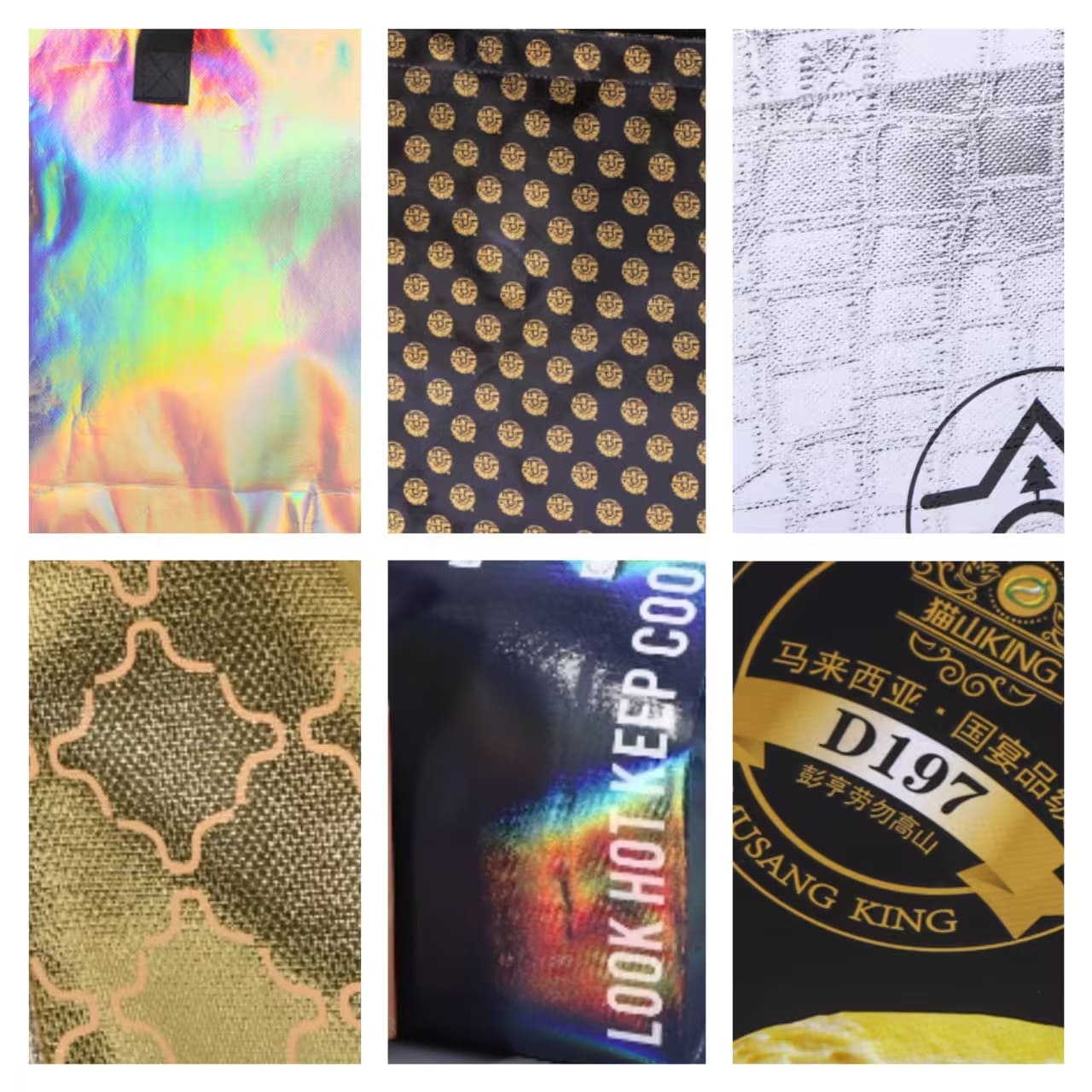
High-Quality Printing
BOPP lamination enables full-color photo-quality printing, turning bags into effective branding tools.
Cost Efficiency
Cheaper than Oxford or canvas with similar durability. Perfect for bulk distribution or commercial giveaways.
Limitations & Suggestions
- Stiffer hand feel; folding may create creases or friction noise.
- Stitched seams may leak; for full waterproofing, use heat-sealed inner lining.
- UV-sensitive; avoid prolonged sun exposure to prevent brittleness.
- Not ideal for direct skin contact; best for groceries or packaging bags.
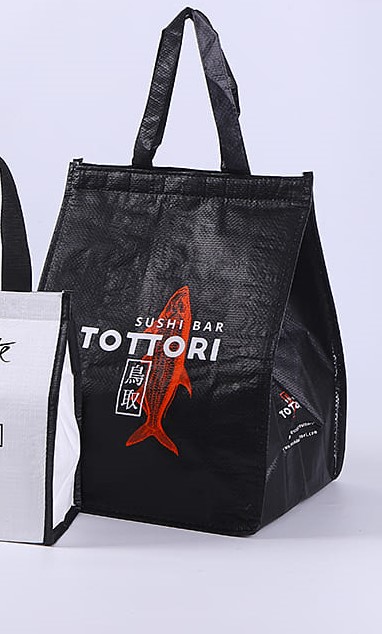
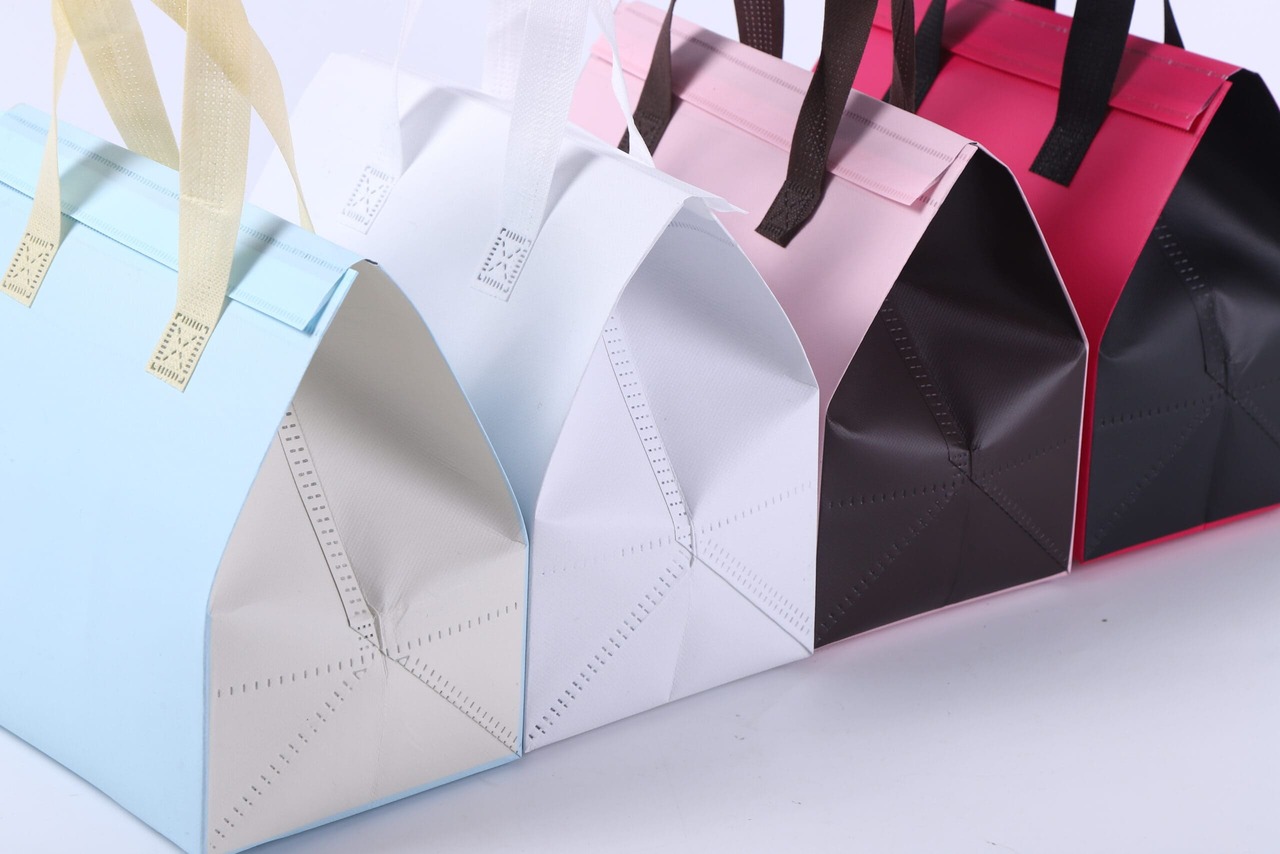
Non-woven Fabric
Non-woven fabric is widely used for insulated bags. It is produced by bonding polypropylene fibers with heat and pressure instead of weaving. The material does not fray when cut and supports fast automated production. After lamination, the surface becomes water-resistant and helps protect the insulation layer from moisture.
Efficient Production
Compatible with ultrasonic sealing and automated manufacturing, allowing fast production and lower labor costs.
Practical Strength
Depending on fabric weight, bags typically carry 3–10 kg, suitable for takeaway meals, bakery products, and grocery delivery.
High-Quality Printing
Laminated non-woven fabric supports detailed gravure printing with bright colors, ideal for brand logos and promotional designs.
Cost Advantage
The king of cost performance — a structurally stable low-cost material ideal for large-scale commercial packaging..
Common Fabric Weights & Applications
- 70–80 GSM — Entry-level bags for milk tea and light takeaway packaging.
- 80–100 GSM — Balanced option for supermarket frozen food and bakery packaging.
- 120–150 GSM — Heavy-duty insulated bags for groceries or gift packaging.
Unlimited Customization Options
Personalize every detail to match your brand identity and functional requirements.
Color Options
Custom Pantone colors available
Printing Methods
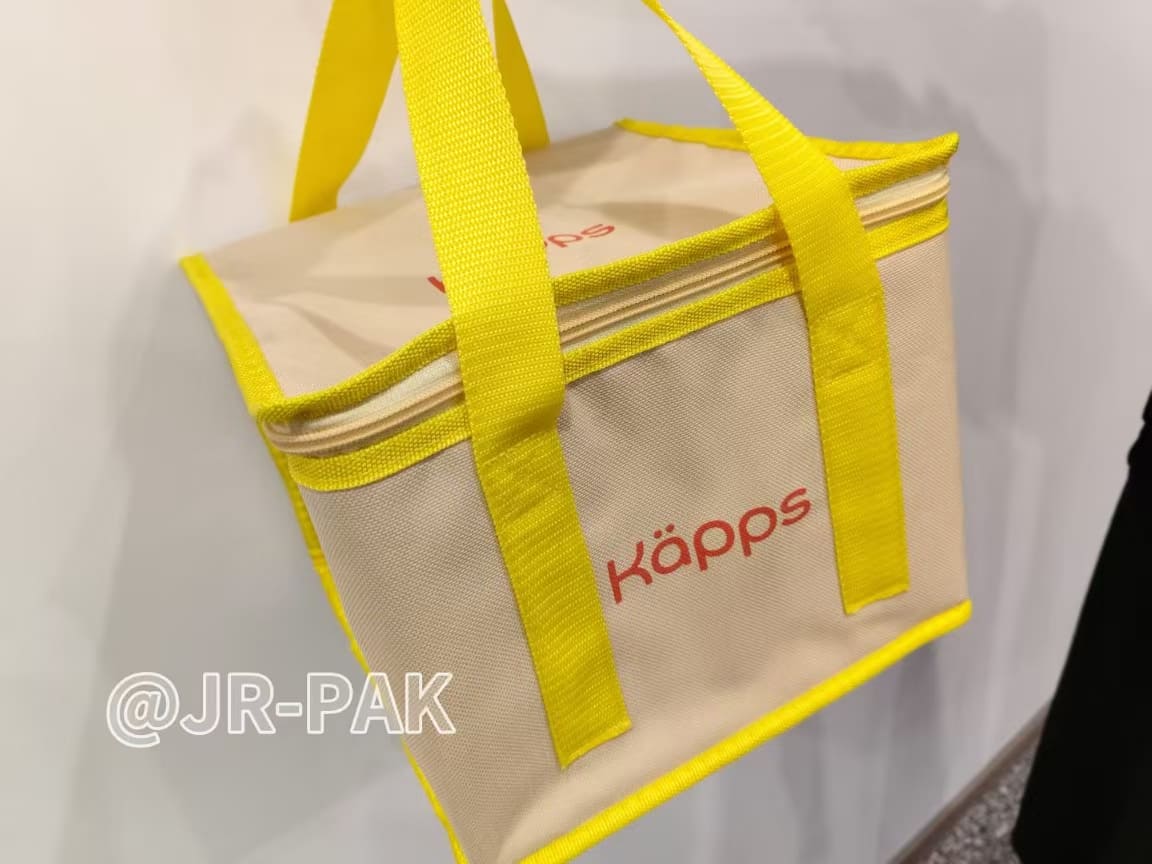 Screen Printing
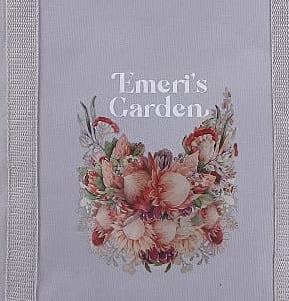 Heat Transfer
Customization Options
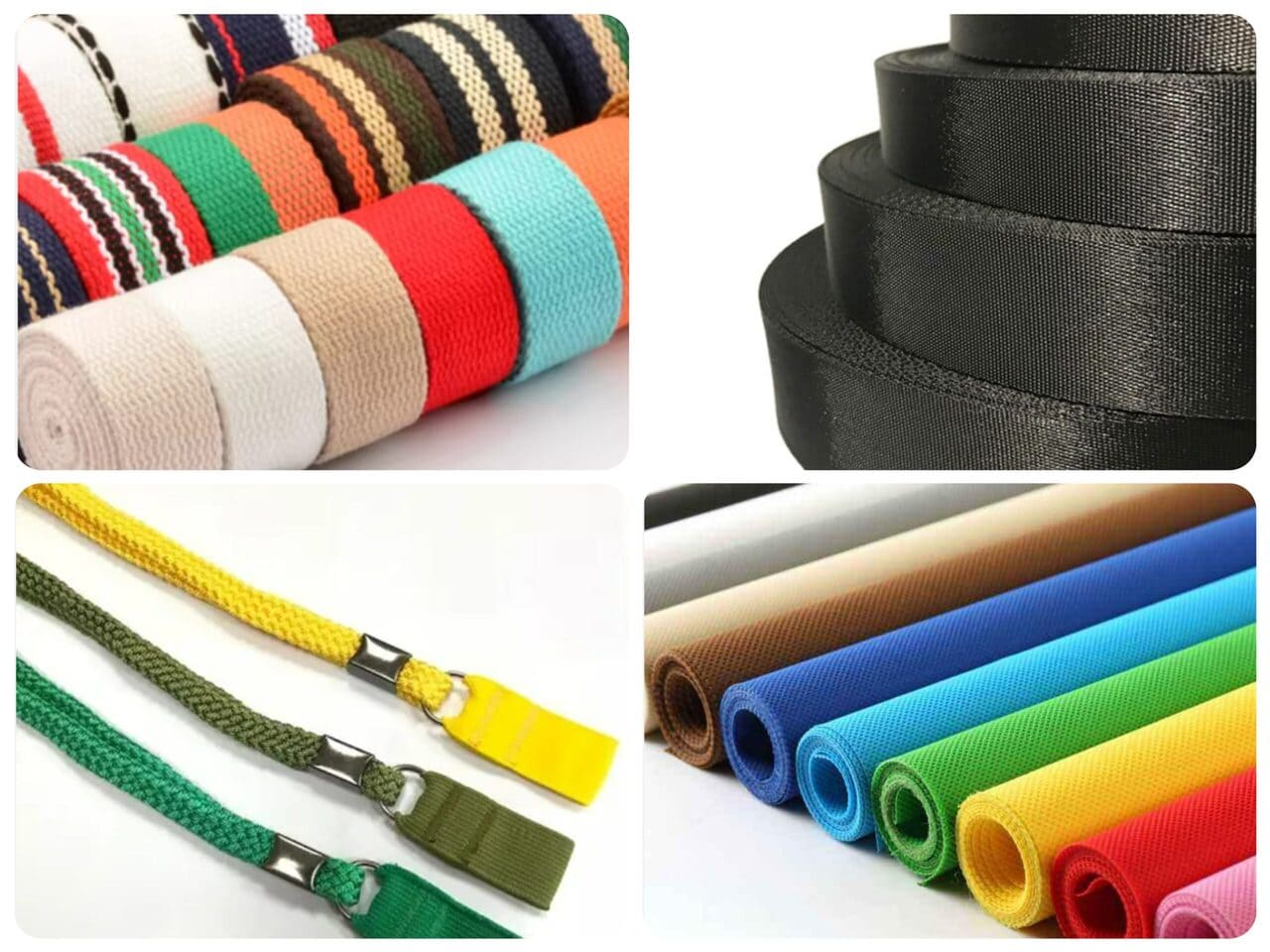 Handles & Carry Styles
 Fully Custom Sizes
 Fabric & Construction Options
 Heat Sealed or Sewn Construction
 Grid Cotton
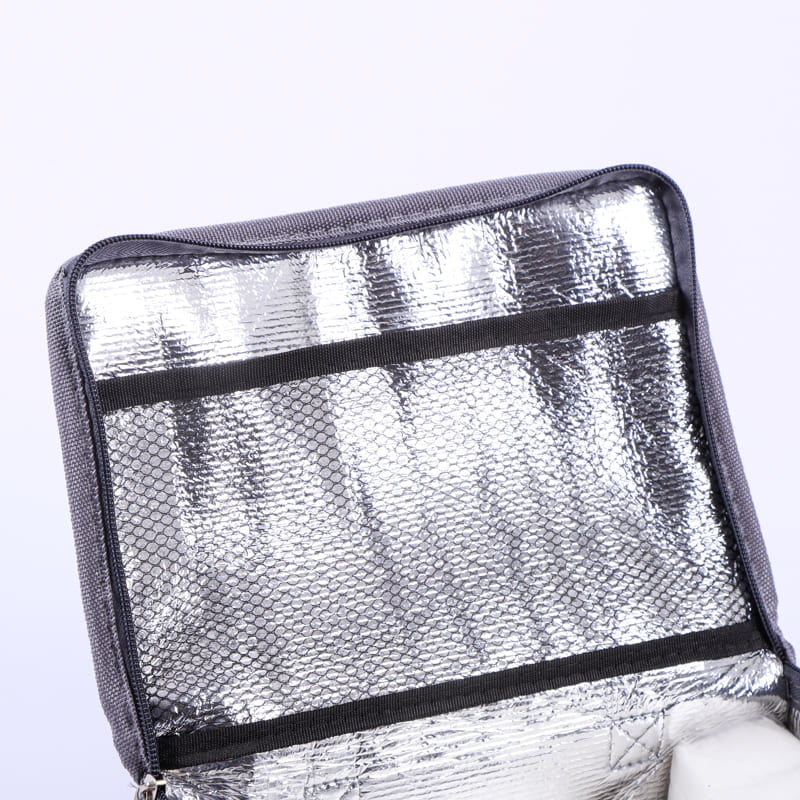 Internal Mesh Bag
Closure Types
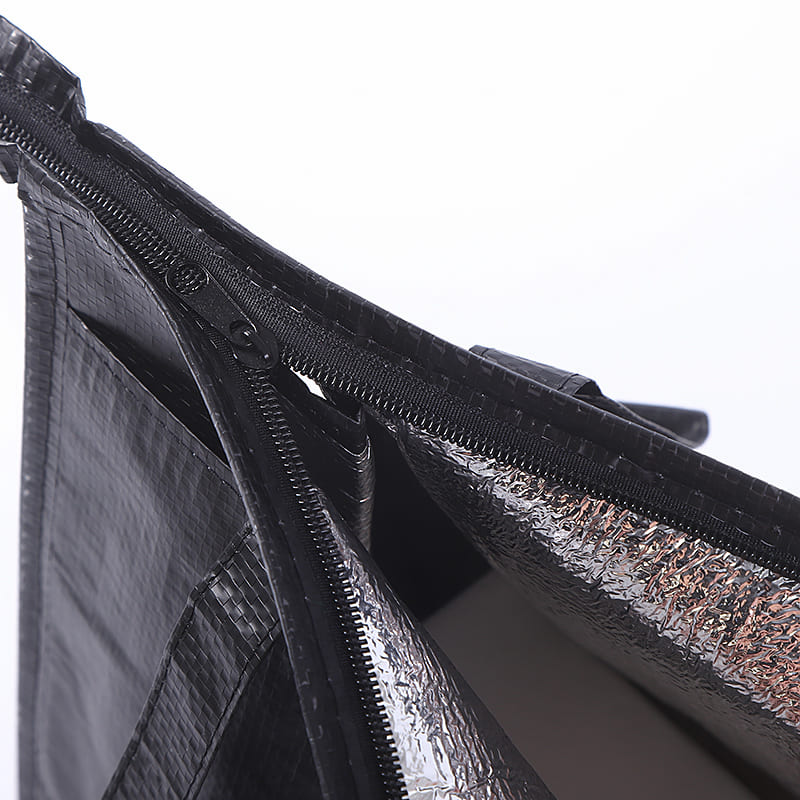 Zipper
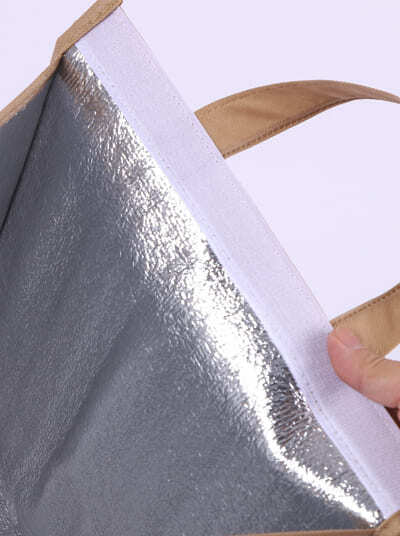 Velcro
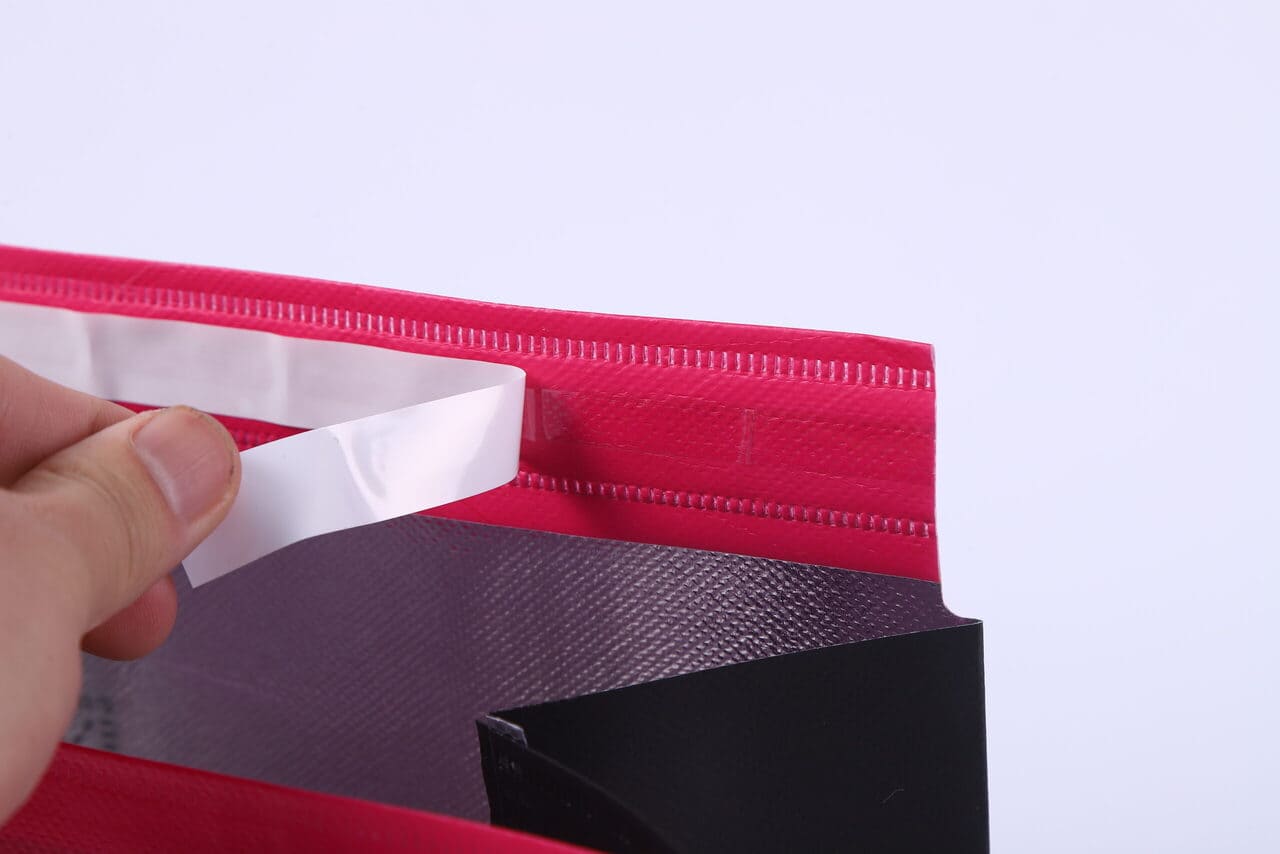 Self-adhesive
Fast sampling • Professional support • 24h response
Thermal Insulation Lining Options
Different materials follow different cost structures in mass production. Selection should be based on insulation requirement, structural strength, and shipping efficiency.
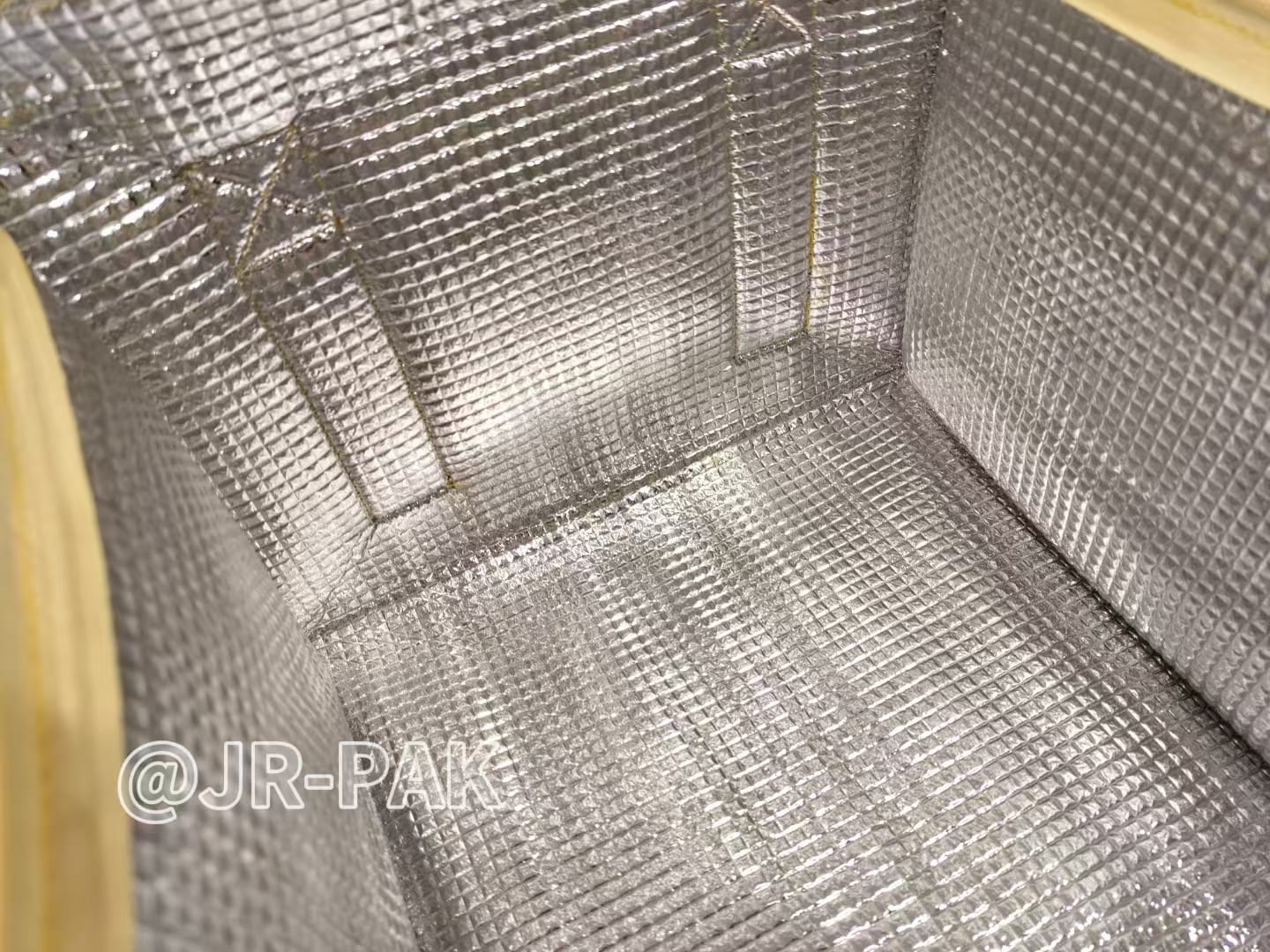
Aluminum Foil
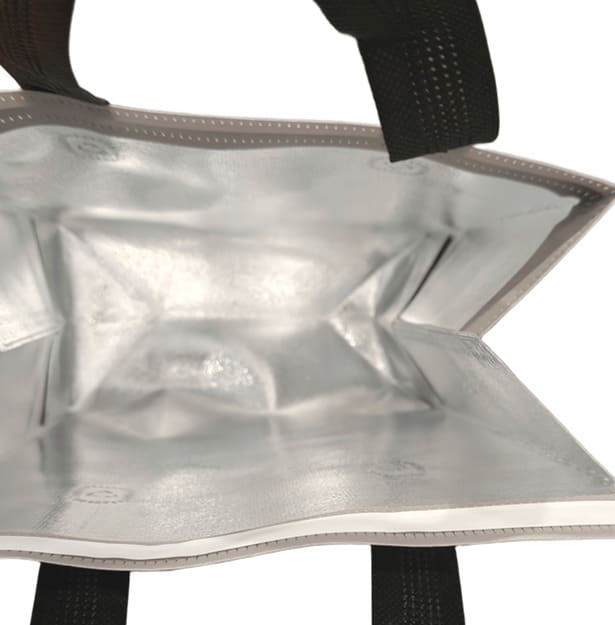
A reflective layer with minimal thickness. Used to enhance thermal performance rather than provide insulation independently.
Typical Applications
Disposable takeaway bags, self-sealing non-woven delivery bags, and low-cost promotional packaging.
Cost Structure
- • Higher unit price per kg compared to foam materials
- • Extremely low consumption due to micron thickness
- • Overall cost per unit remains very low
Technical Limitations
- • No insulation effect without foam layer
- • No structural support or cushioning
- • Low durability under repeated use
Typical thickness: 7–12 micron
Commonly used as an inner laminated layer
Applied alone only in cost-sensitive products
EPE Foam (Pearl Cotton)
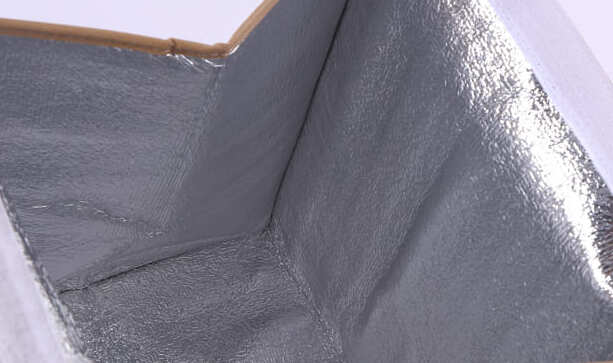
The primary insulation layer used in most insulated bags. Provides thickness, thermal resistance, and basic structural support.
Typical Applications
Supermarket cooler bags, food delivery bags, frozen food packaging, and bulk commercial orders.
Cost Structure
- • Lower material cost per kg compared to aluminum foil
- • Used in millimeter thickness → higher material consumption
- • Large volume leads to increased shipping cost
Technical Function
- • Main thermal insulation layer (air barrier structure)
- • Provides cushioning and basic shape support
Common thickness: 3–5mm (standard)
5–8mm for improved insulation
Cost impact mainly from thickness and shipping volume
EVA Foam
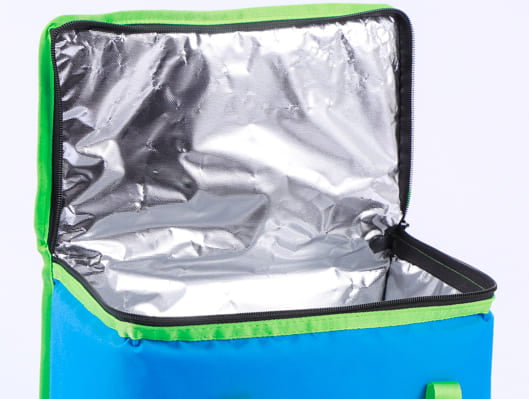
A higher-grade foam material offering improved structural stability and durability for reusable applications.
Typical Applications
Retail cooler bags, premium lunch bags, branded promotional products, and structured packaging.
Cost Structure
- • Higher raw material cost compared to EPE
- • Additional processing such as die-cutting or shaping
- • Moderate shipping impact compared to EPE
Technical Function
- • Strong structural support, resistant to deformation
- • Better durability for repeated use
- • Suitable for shaped or segmented interiors
Common thickness: 6–10mm
Density and hardness affect final cost
Selected for higher-end positioning
In mass production, aluminum foil has a higher unit price but minimal usage. EPE foam has lower material cost but requires thickness, which increases both material consumption and shipping costs.
In practice, most insulated bags combine aluminum foil and EPE foam to balance performance and cost efficiency.
Rigorous Quality Control
Every bag undergoes comprehensive testing to ensure it meets international standards before shipment.
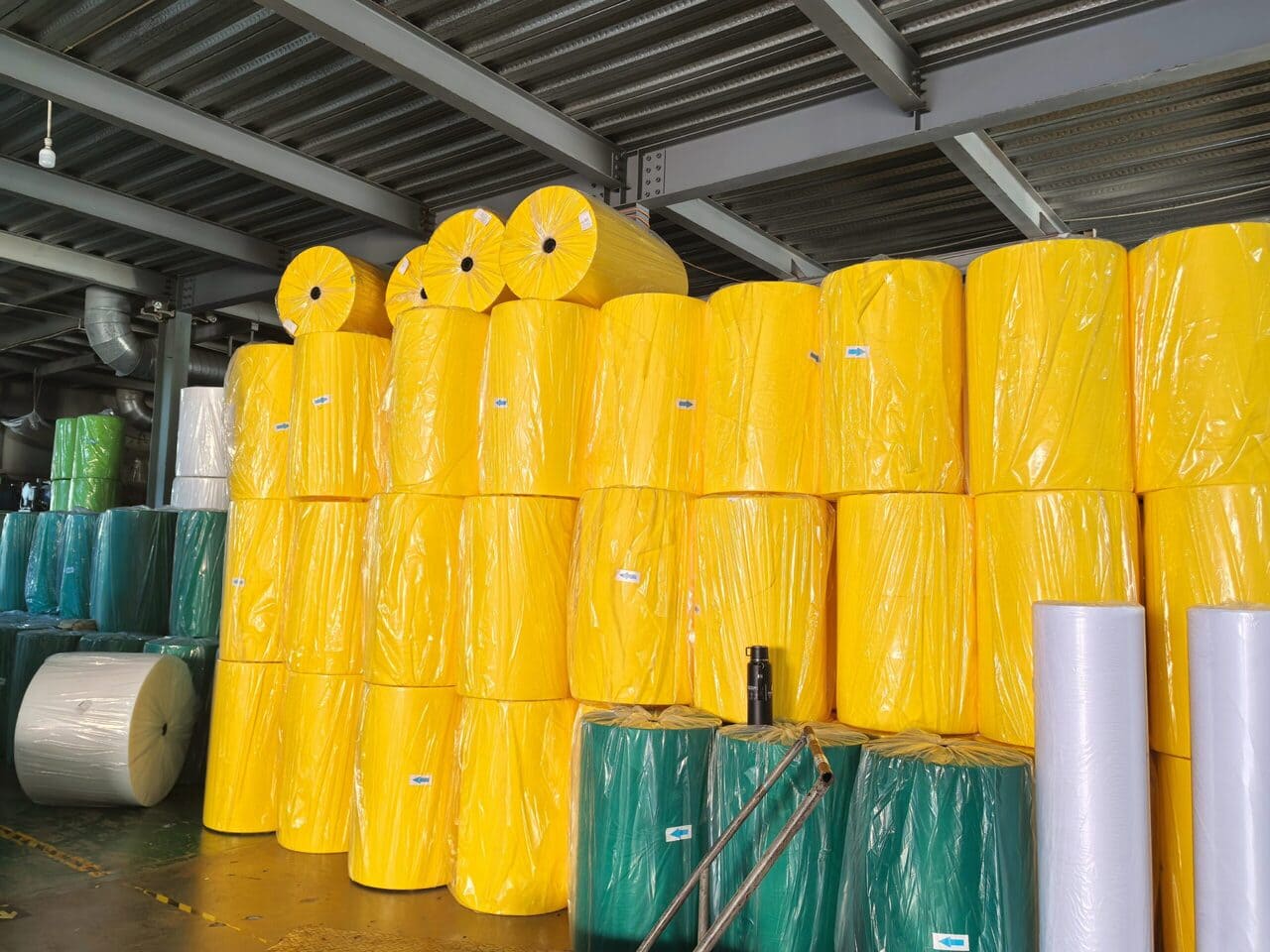
Material Inspection
All raw materials tested for quality, safety, and compliance with international standards.
Thermal Performance
Temperature retention testing ensures bags maintain required thermal performance.
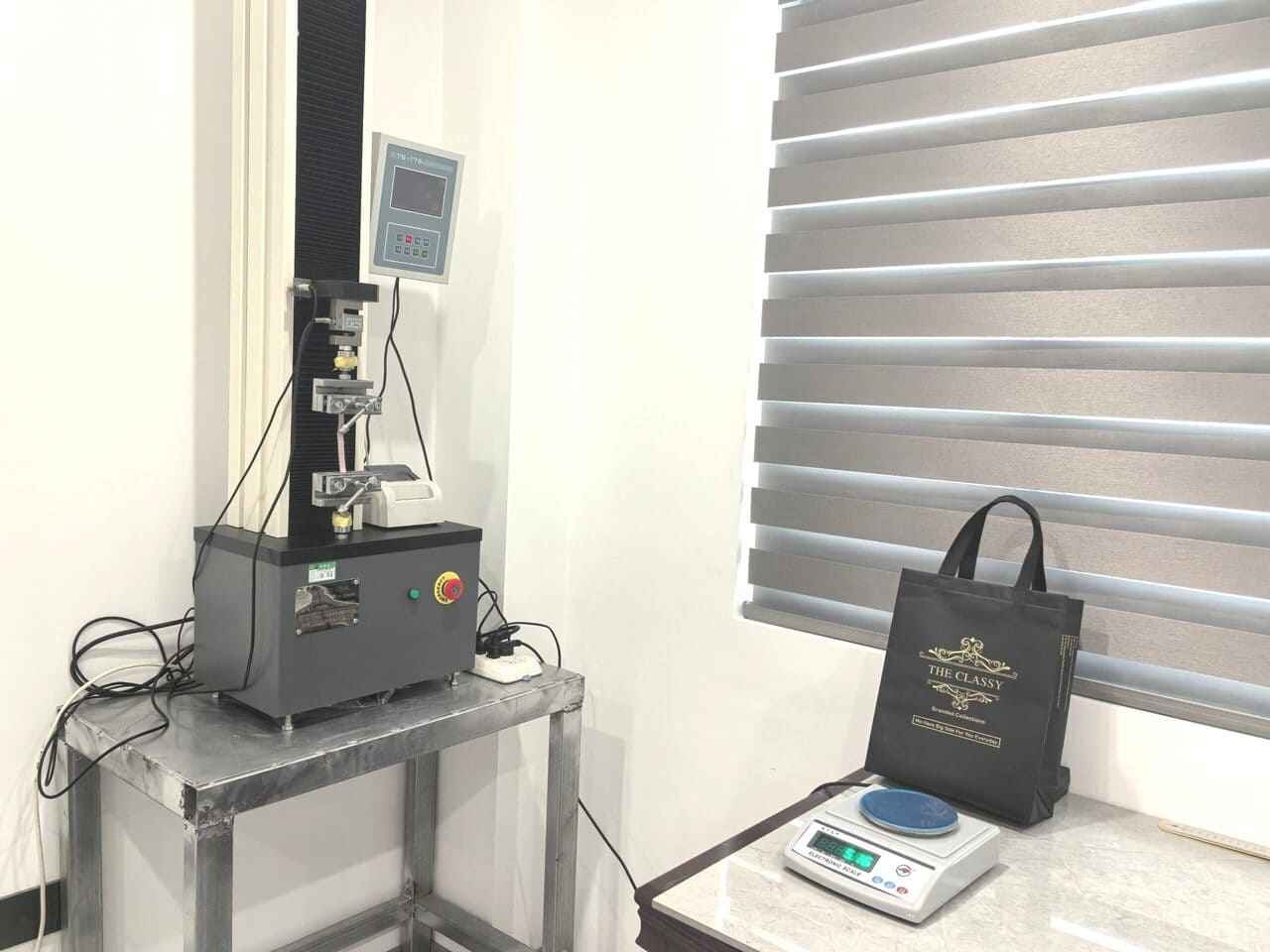
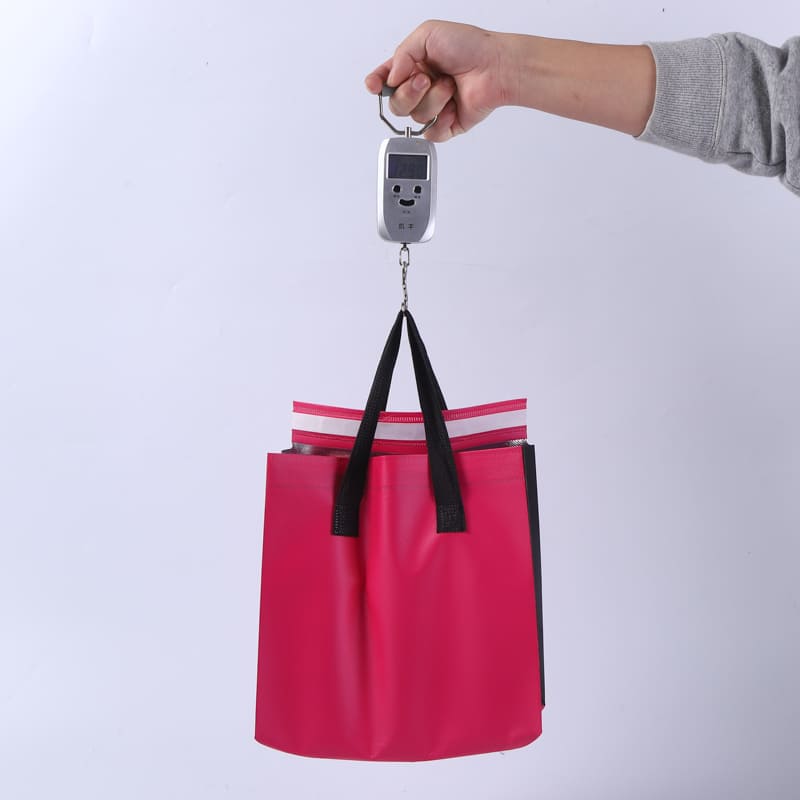
Durability Testing
Stress tests on handles, zippers, and seams to ensure long-lasting performance.
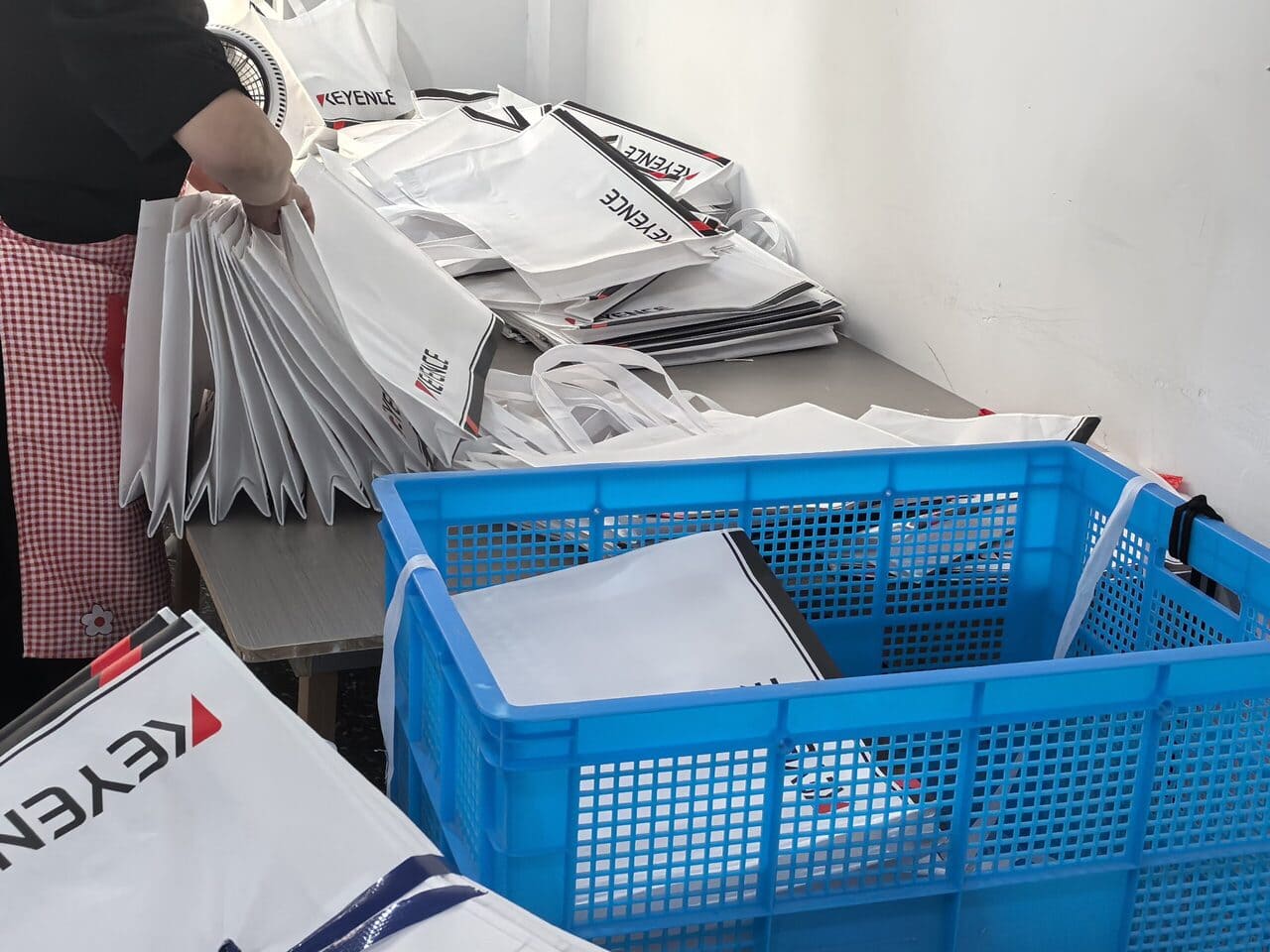
Strict Quality Inspection
Every batch is carefully inspected to ensure stable quality and meet export standards.
Behind the Scenes
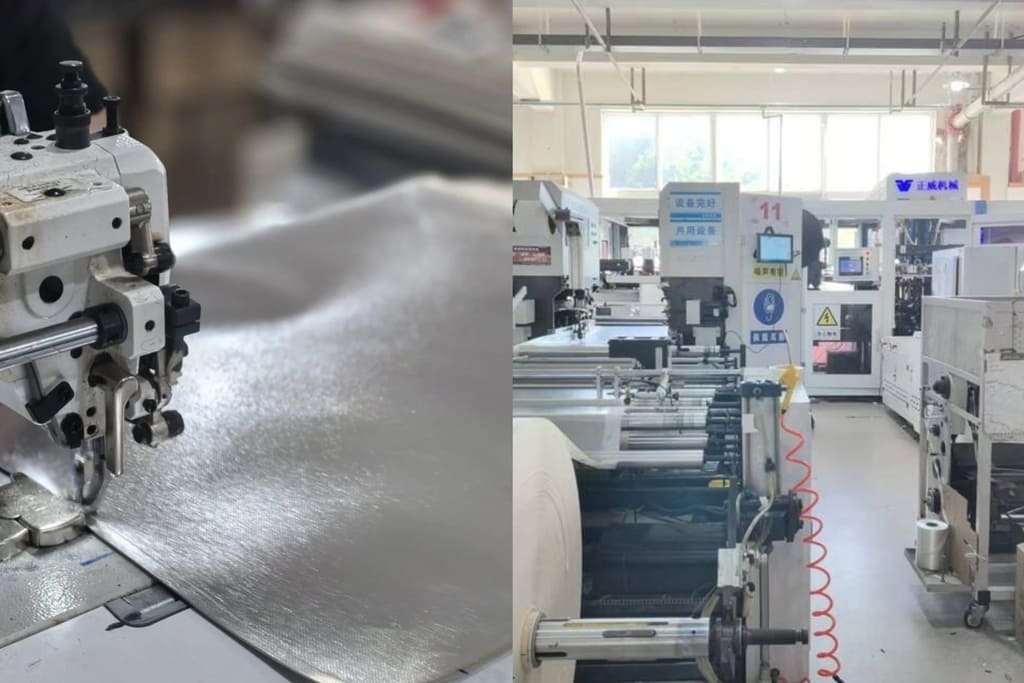
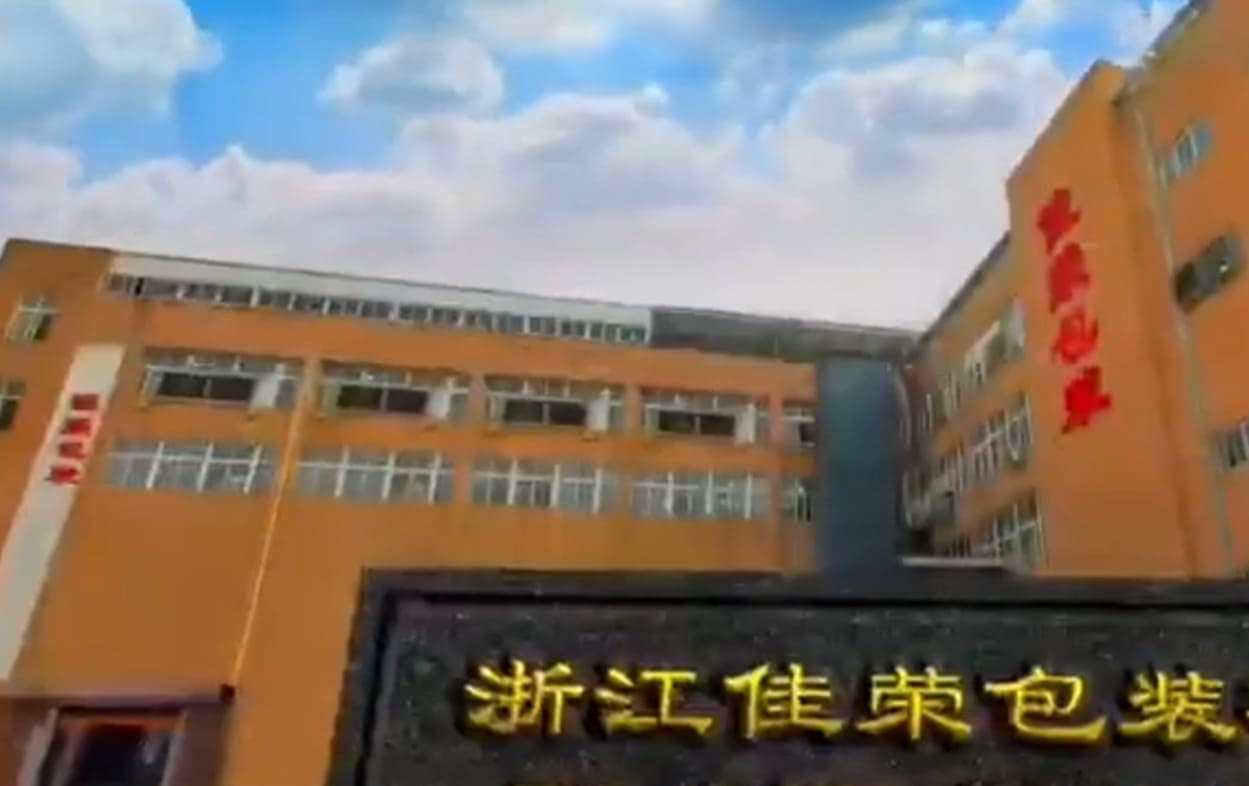
Take a virtual tour of our factory and see how we manufacture premium insulated bags with precision and care.
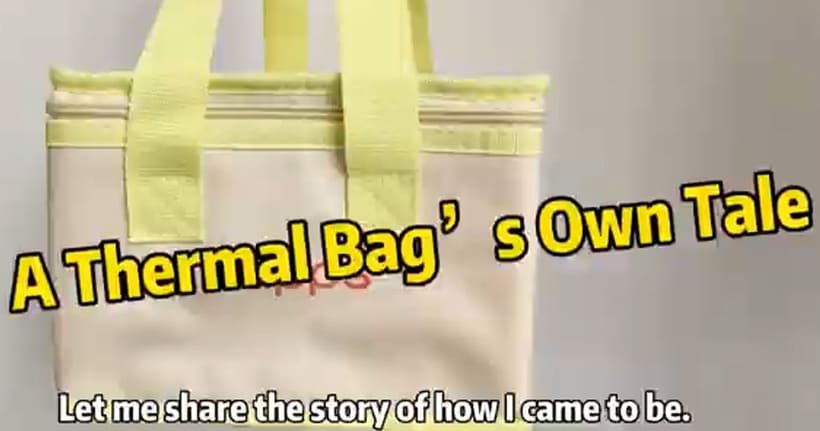
Company Overview
Real factory introduction. 16,000+ m² · 48 advanced ultrasonic machines · Multiple brand partners · Built for stable bulk orders
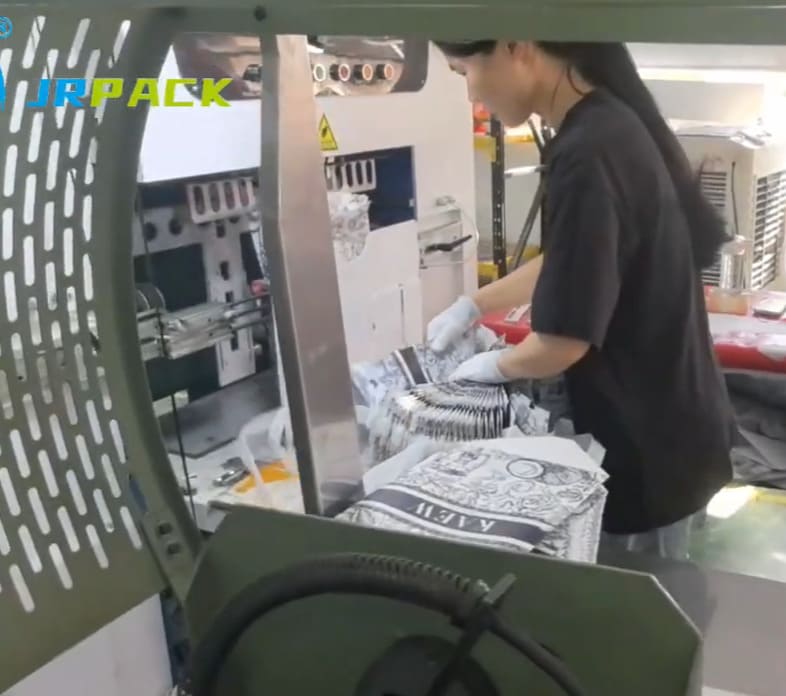
Production Process
Step-by-step manufacturing process from raw materials to finished insulated bags.
Trusted by Global Brands
Over 10 years of experience serving wholesalers and distributors in 40+ countries worldwide.
International Certifications
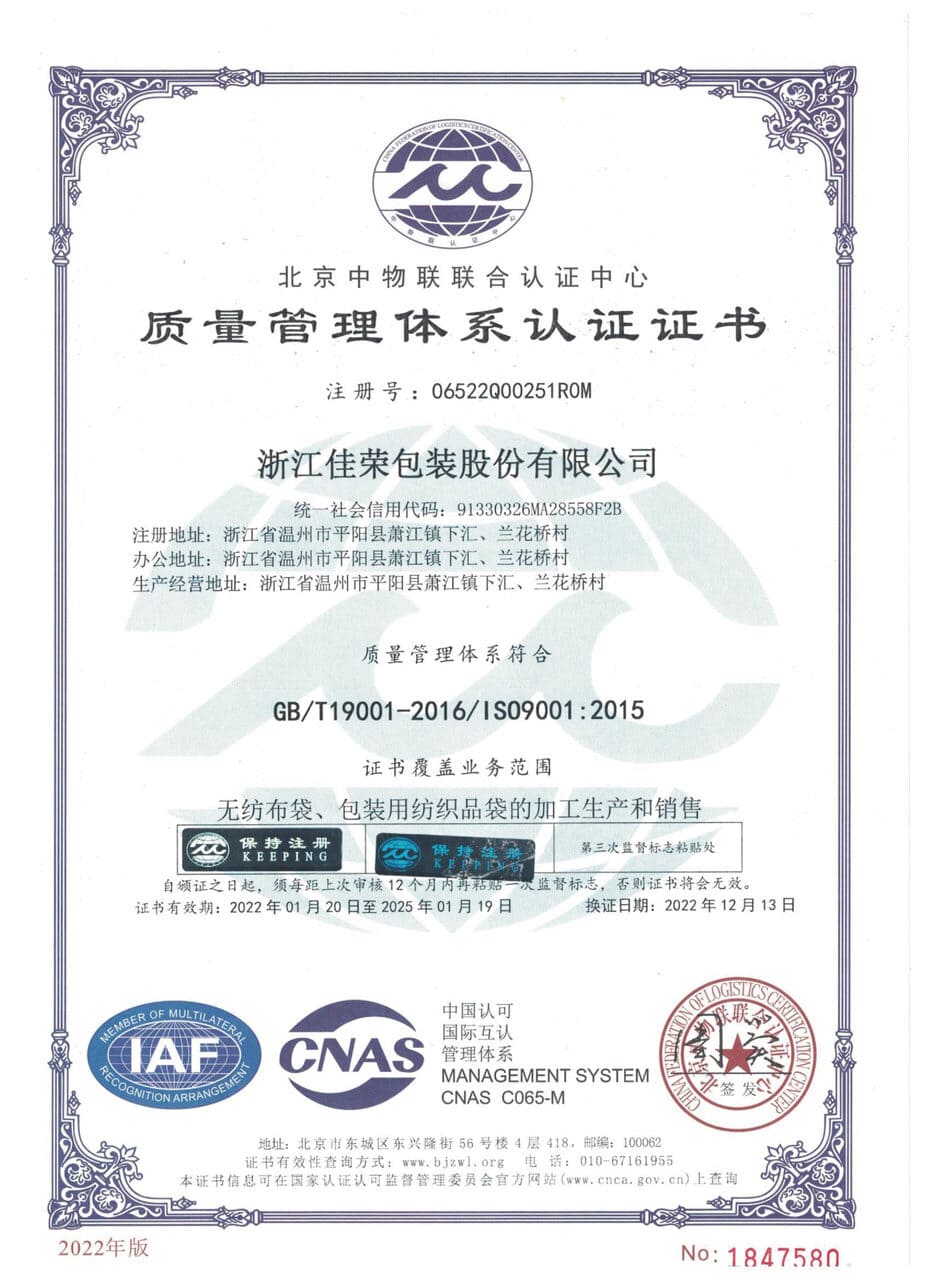
ISO 9001
Quality Management
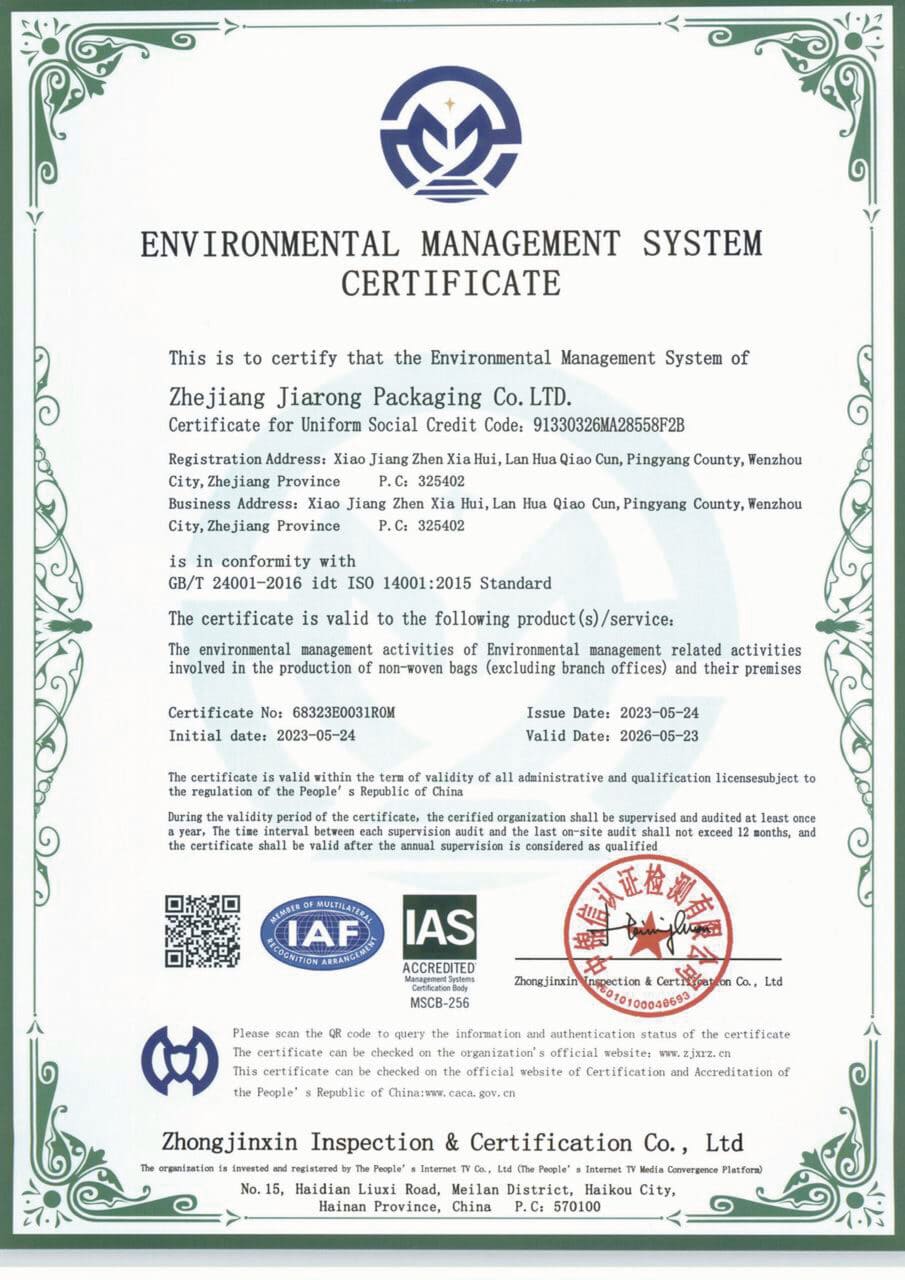
ISO 14001
Environmental Management
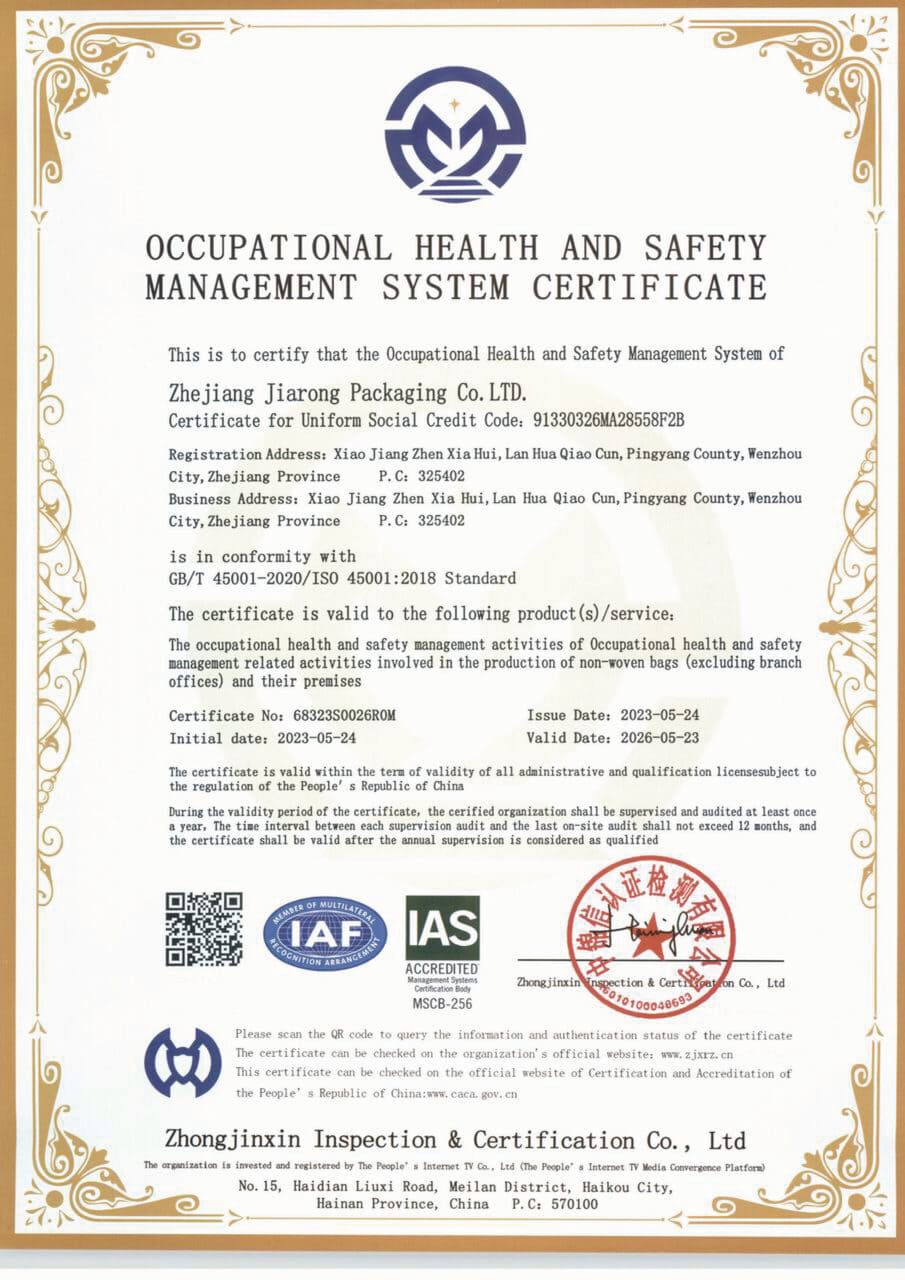
ISO 45001
Occupational Health & Safety
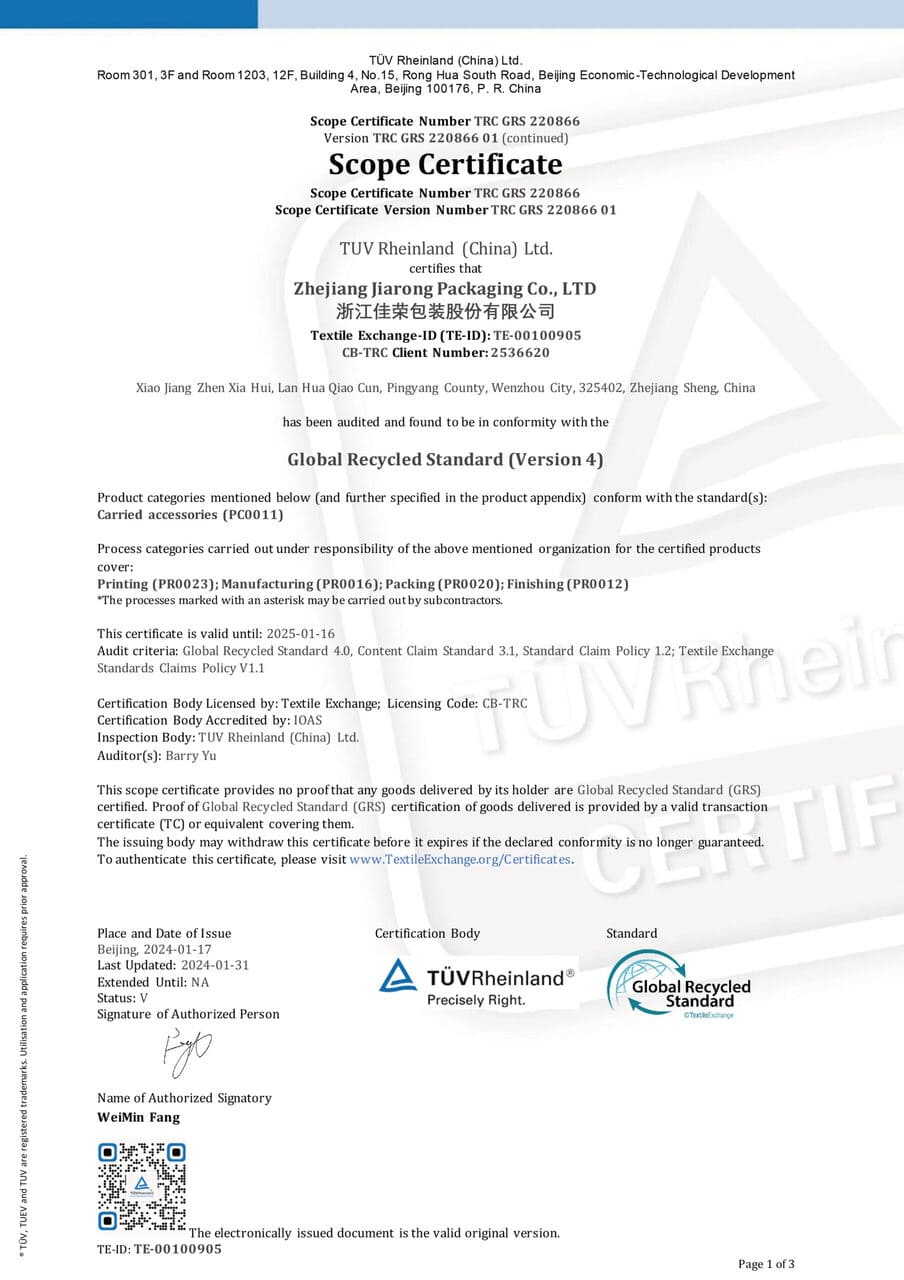
GRS
Recycled Material Certification
Partner Brands

Trade Show Participation
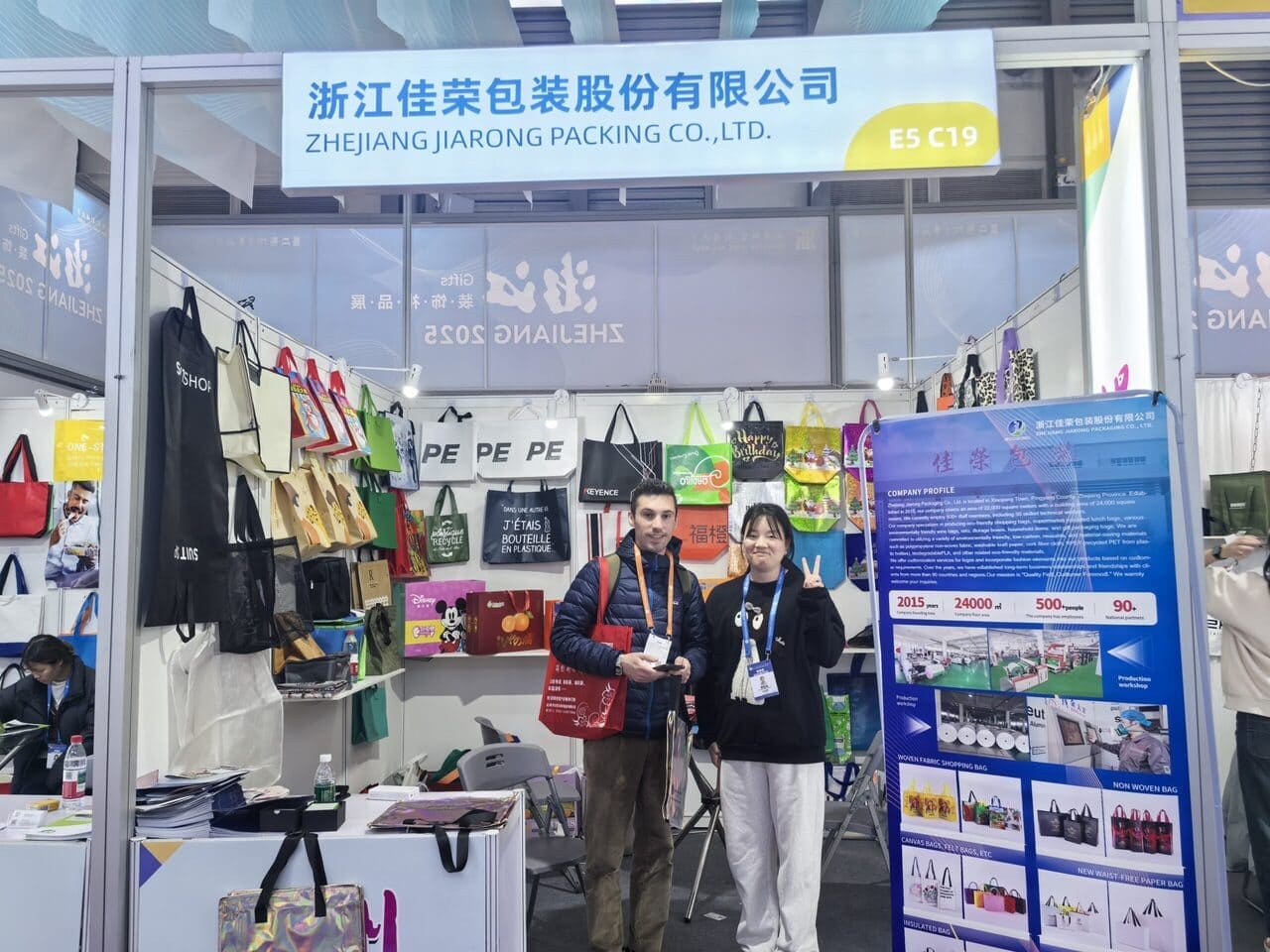
East China Fair 2024
Our team showcasing eco-friendly packaging solutions at East China Fair, a leading export trade show in China.
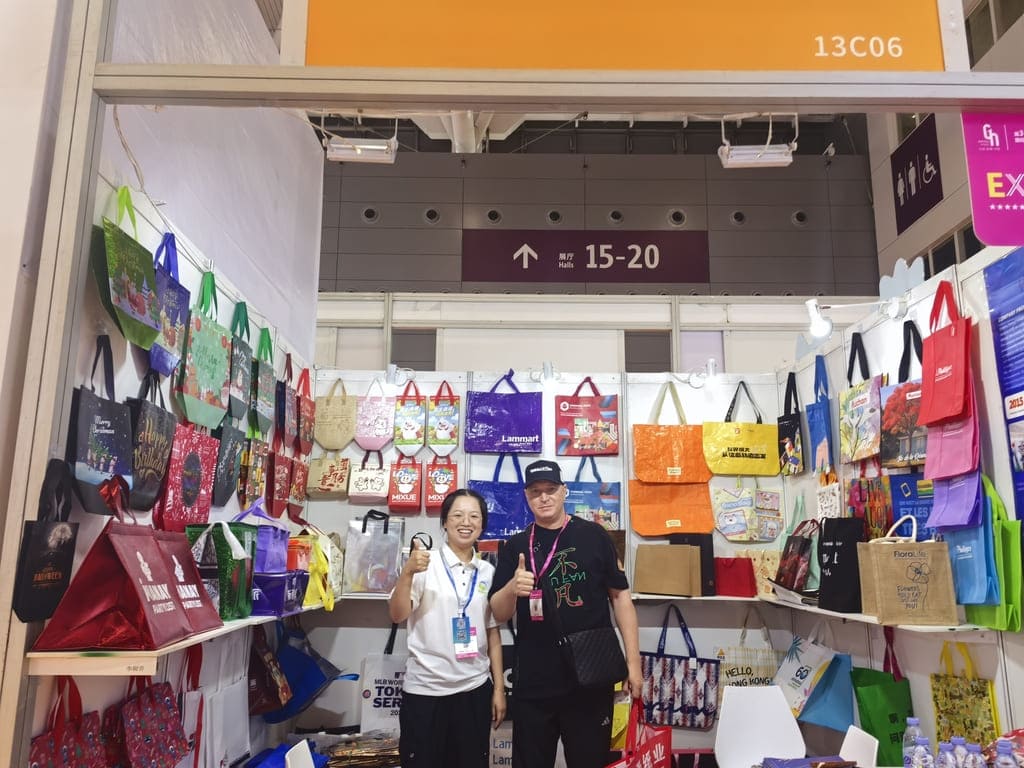
Trade Show in Yiwu
Meeting with international distributors and exploring new business opportunities.
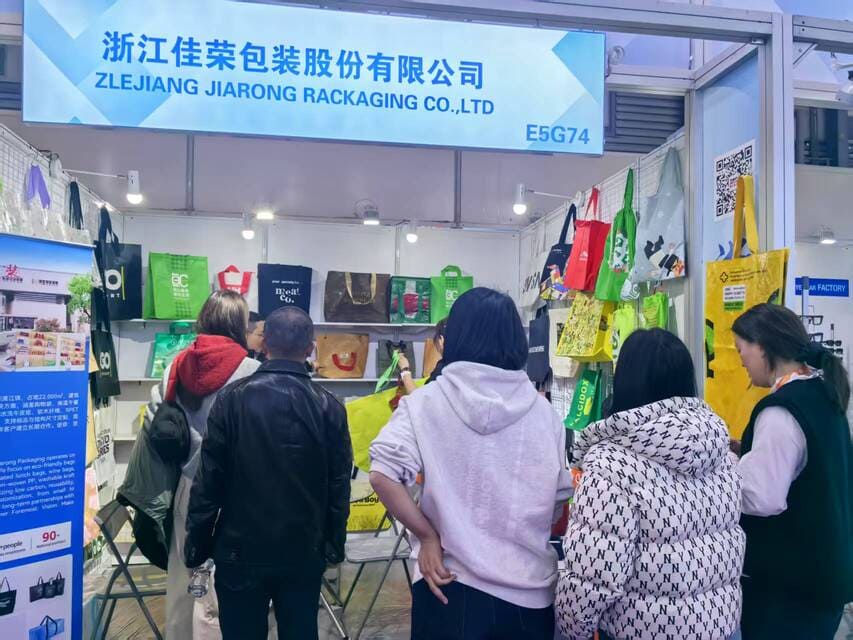
East China Fair 2026
Showcasing new eco-friendly packaging solutions to global buyers.
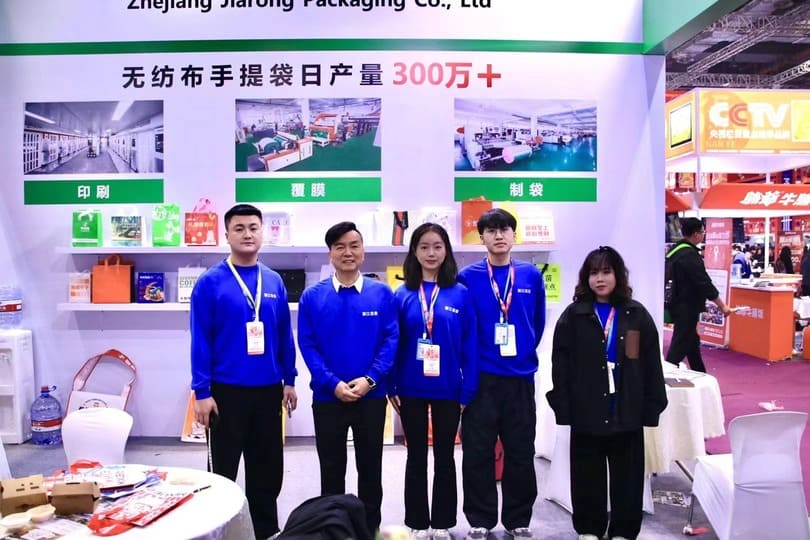
International Trade Show
Demonstrating our printing technology and customization capabilities.
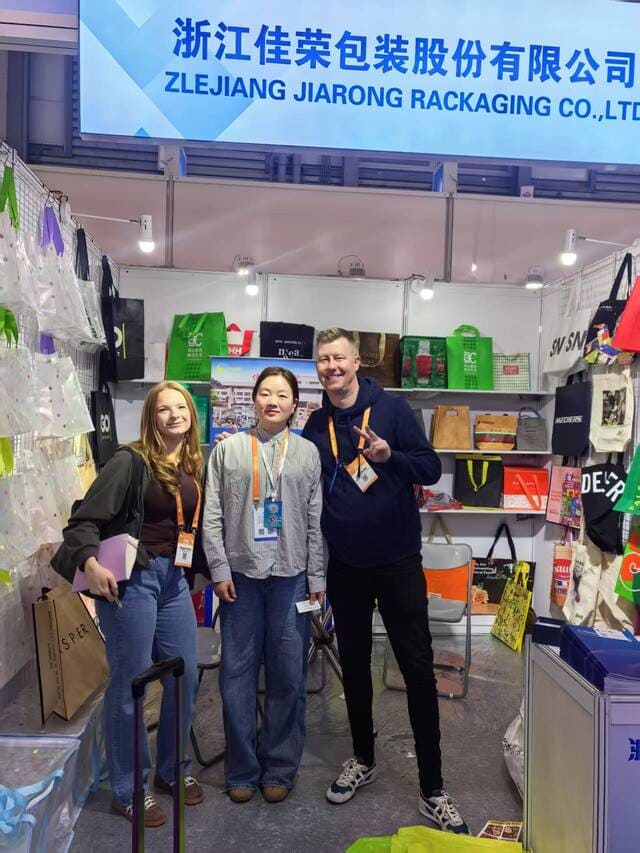
Photo with Clients
Photo with international clients, building trust through face-to-face communication.
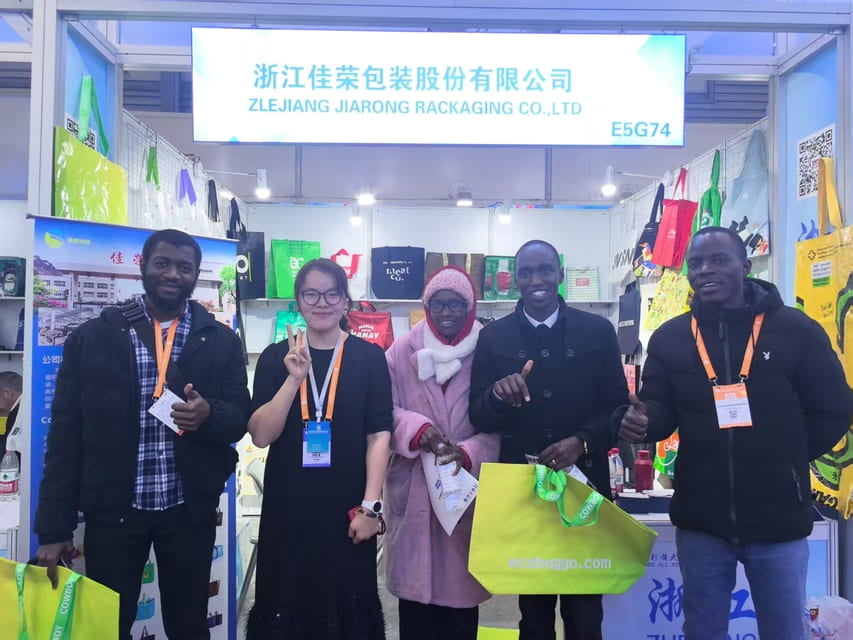
Client Group Photo
Group photo with clients at the trade show, building long-term partnerships with a reliable partner.
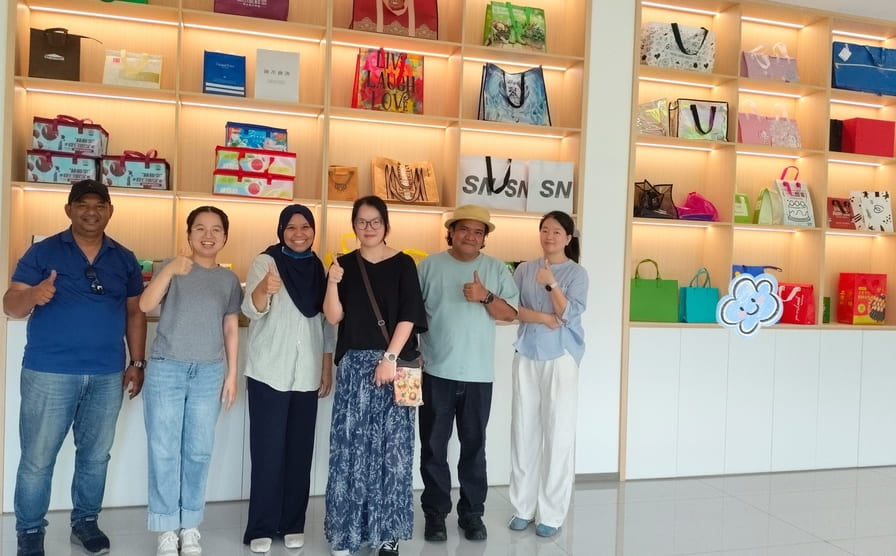
Client Factory Visit
Welcoming international clients to our factory for production line inspection and partnership discussions.
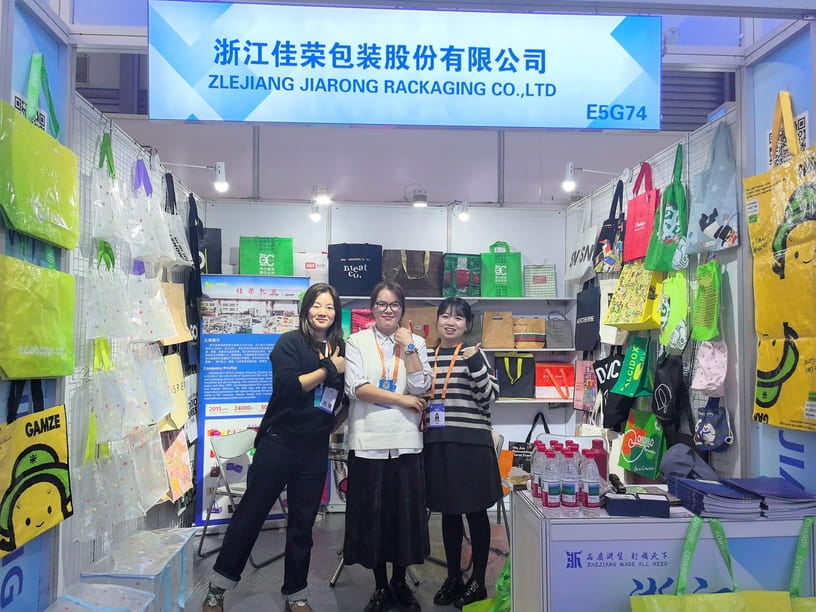
Team at Booth
In today's uncertain world, businesses need clear communication and reliable supply--our team ensures both, using factory control to deliver trusted solutions and lasting partnerships.
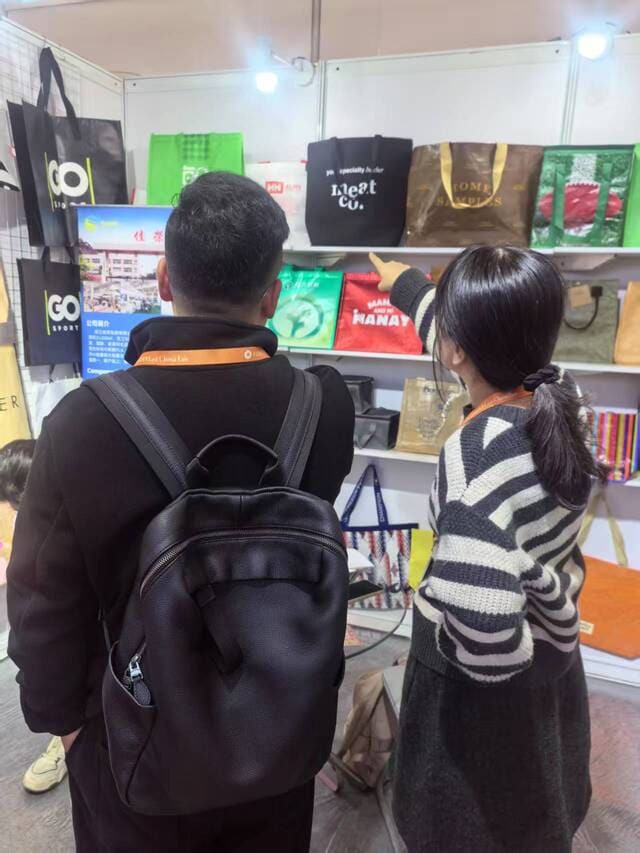
Product Presentation
Helping clients quickly understand product details, material options, and manufacturing processes for better decision-making.
Efficient Production Workflow
We always put quality first and maintain strict control at every stage, striving for higher standards.
Customer Inquiry & Requirements Confirmation
Detailed consultation to understand your specific needs, including bag type, size, materials, and customization requirements.
- • Product specification discussion
- • Material recommendations
- • Budget and timeline planning
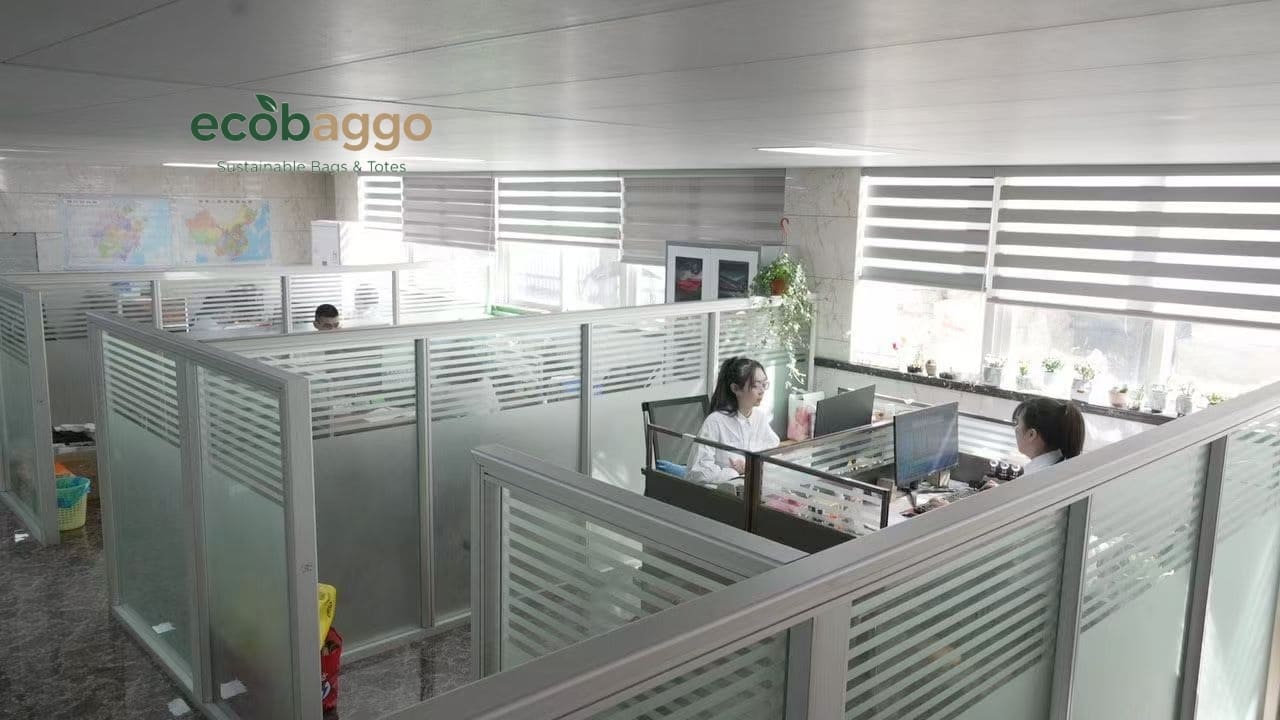
Design & Sampling
Professional design team creates custom artwork and produces samples for approval before mass production begins.
- • Custom design development
- • Sample production
- • Client approval process
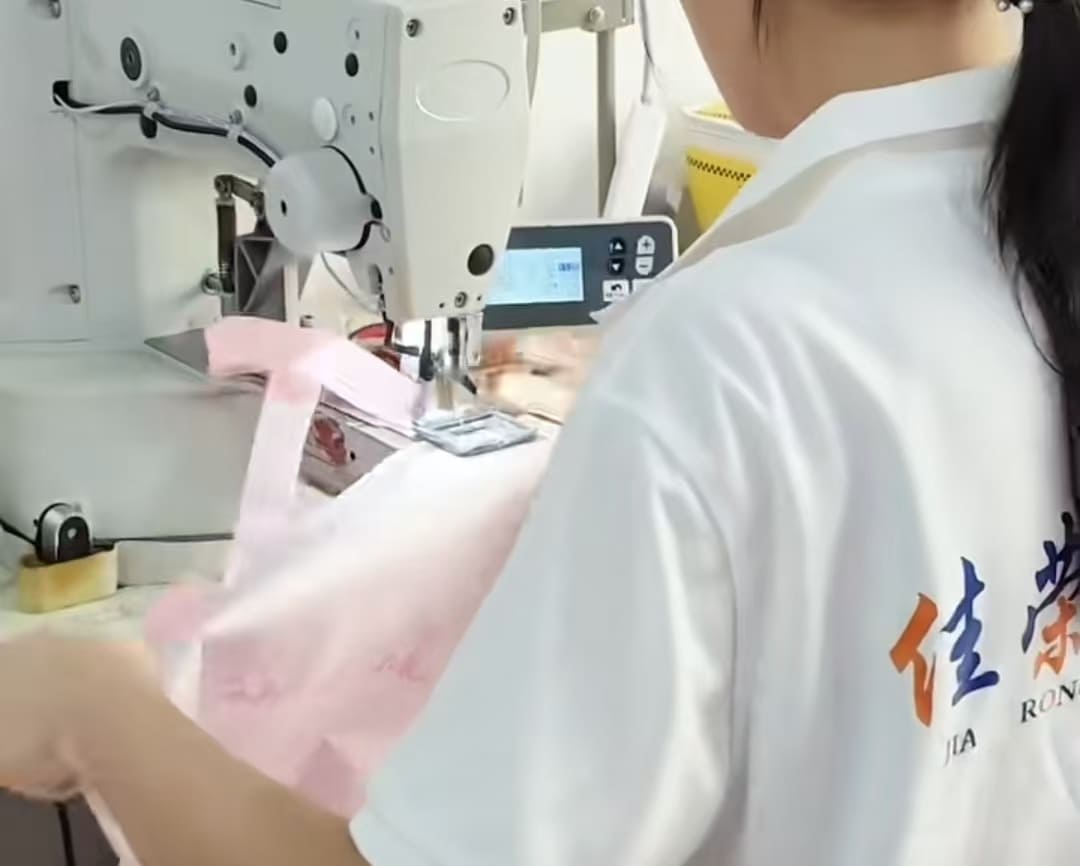
Material Selection
Premium materials sourced from certified suppliers, including eco-friendly options and food-grade linings.
- • Quality inspection on arrival
- • Material certification verification
- • Inventory management system
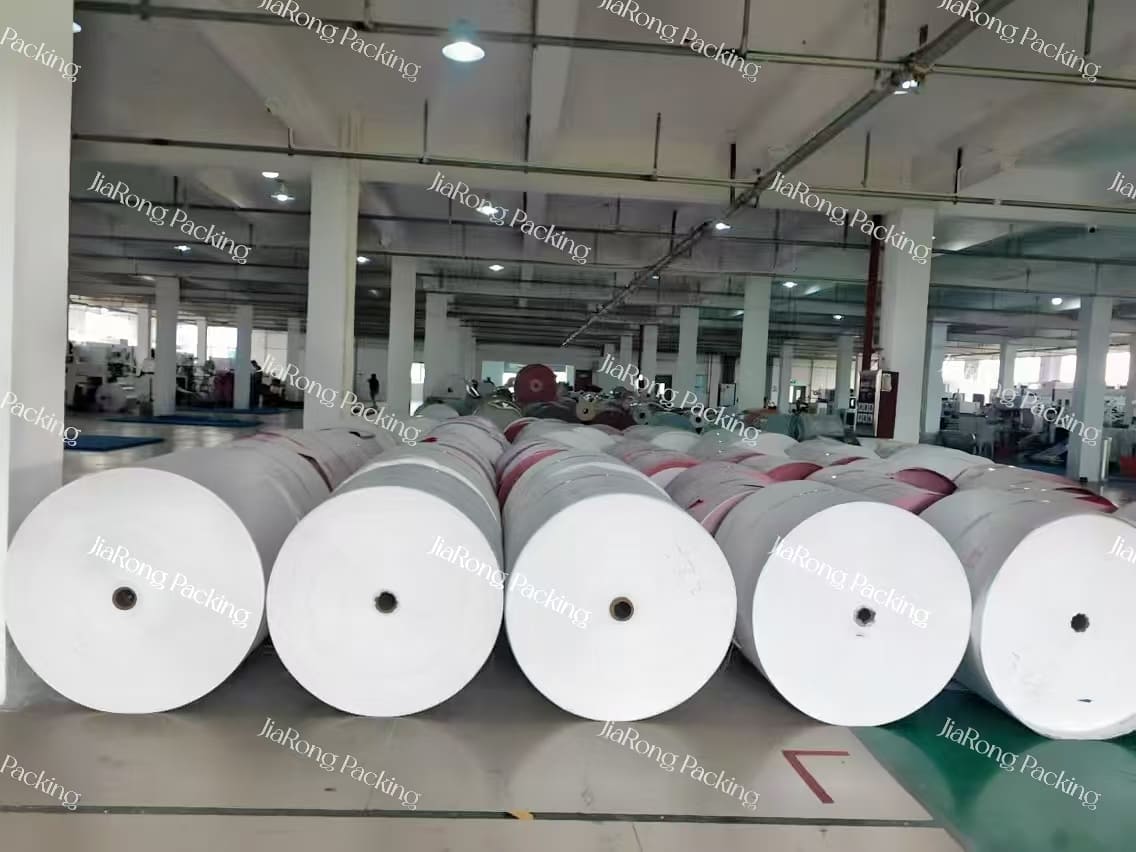
Cutting & Preparation
Precision cutting using advanced machinery for consistent dimensions and minimal material waste.
- • Computer-controlled cutting
- • Batch processing efficiency
- • Zero-waste optimization
Printing & Customization
High-quality printing with various methods to achieve your desired brand presentation and custom designs.
- • Multi-color capability
- • Pantone color matching
- • Durable ink systems
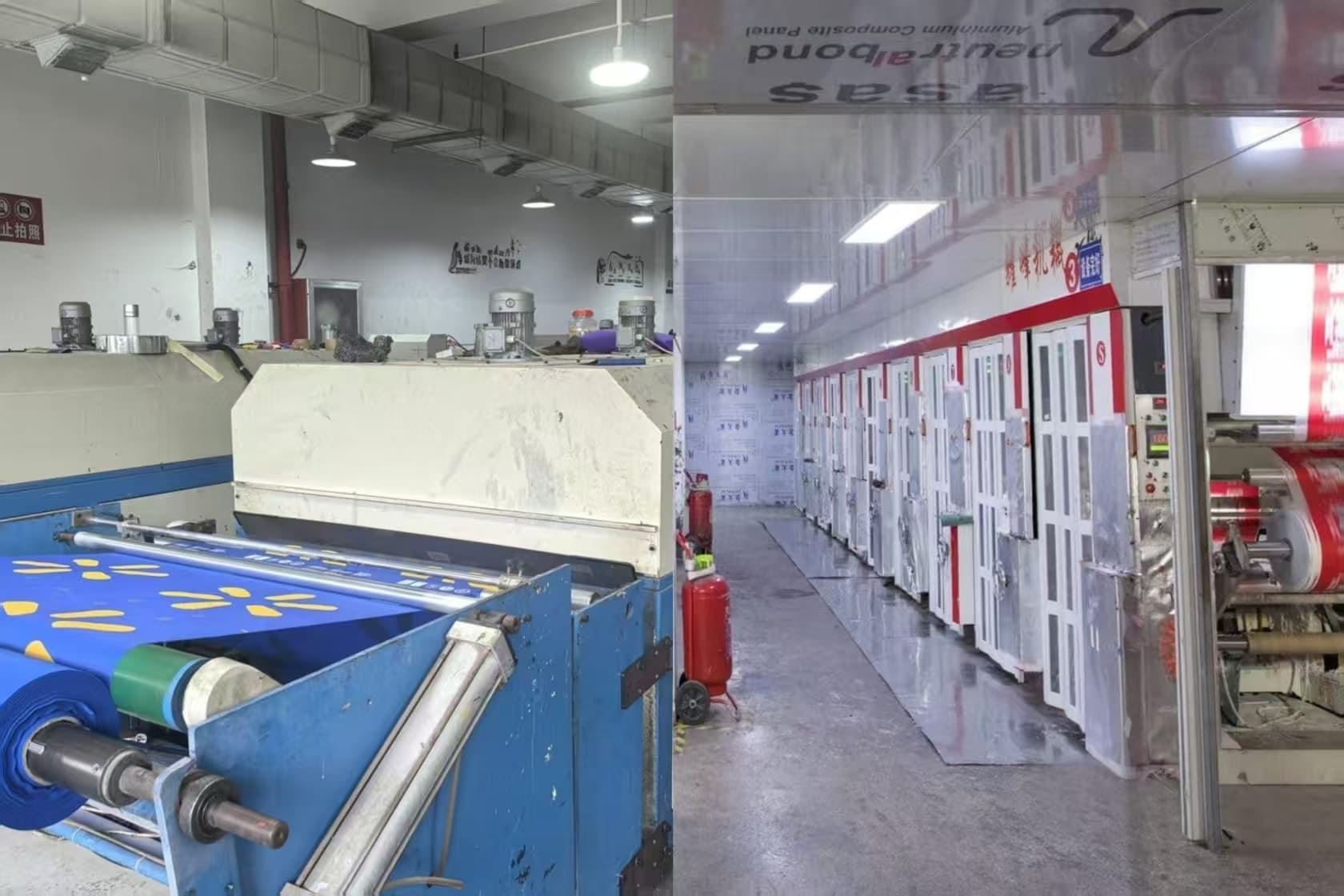
Sewing & Heat Sealing
Expert sewing with reinforced stitching and ultrasonic heat sealing for durable construction and professional finishing.
- • Reinforced stress points
- • Ultrasonic sealing technology
- • Quality craftsmanship
Quality Inspection
Comprehensive quality control including dimensional checks, print quality assessment, and durability testing.
- • Multi-stage inspection process
- • Durability testing
- • Final quality approval
Packaging & Delivery
Professional packaging and efficient logistics coordination to ensure safe delivery to your destination.
- • Export-standard packaging
- • Global shipping coordination
- • Tracking and documentation
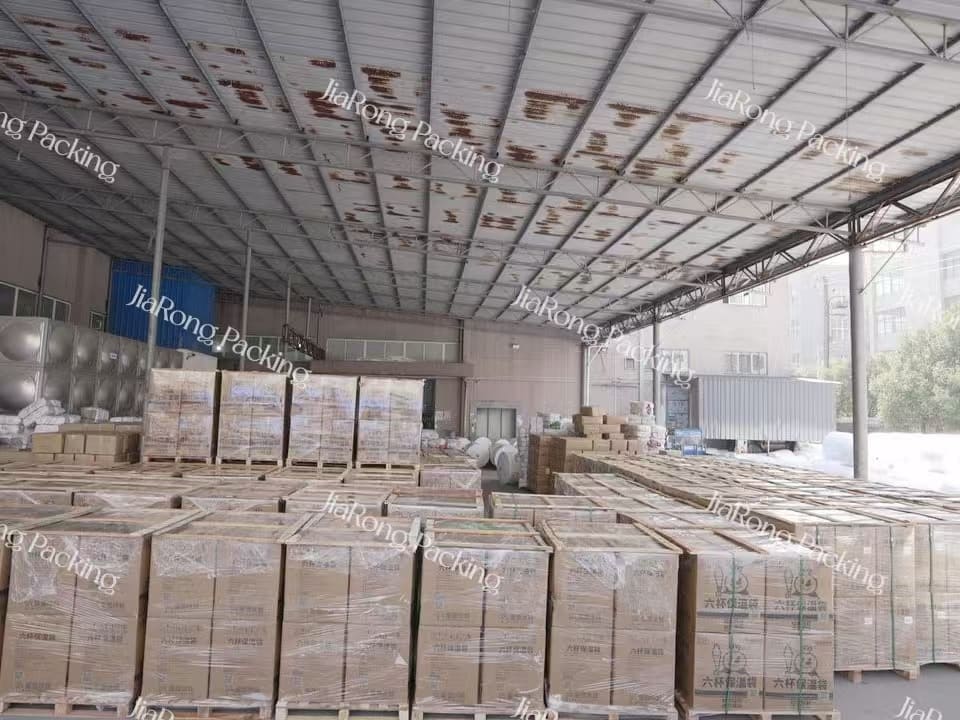
Ready Stock Insulated Bags
Ready stock insulated bags available in multiple colors and sizes. Stable supply and fast delivery for bulk orders.
Available Colors
```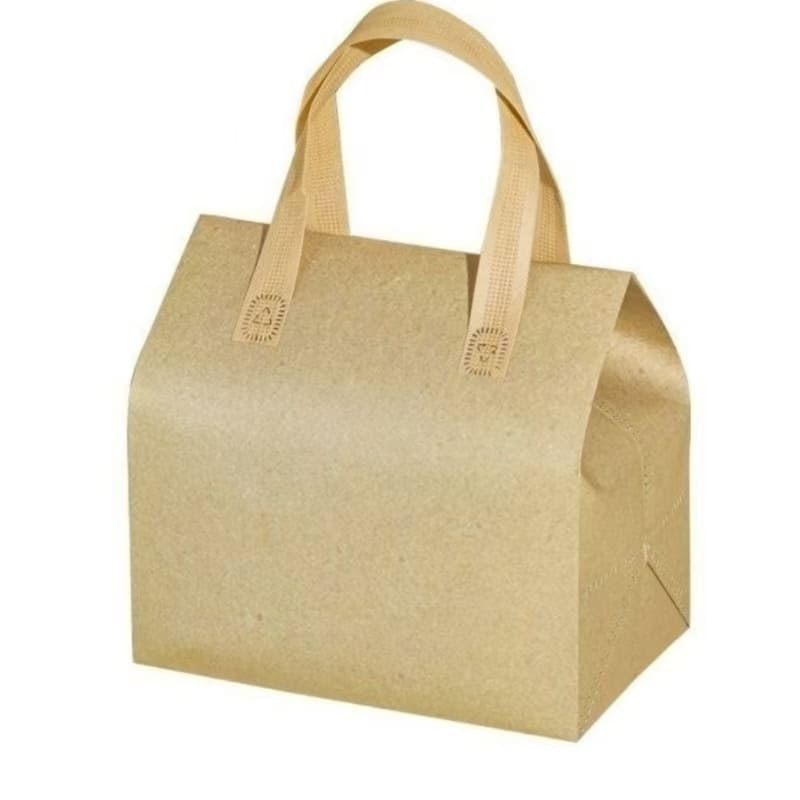
Kraft
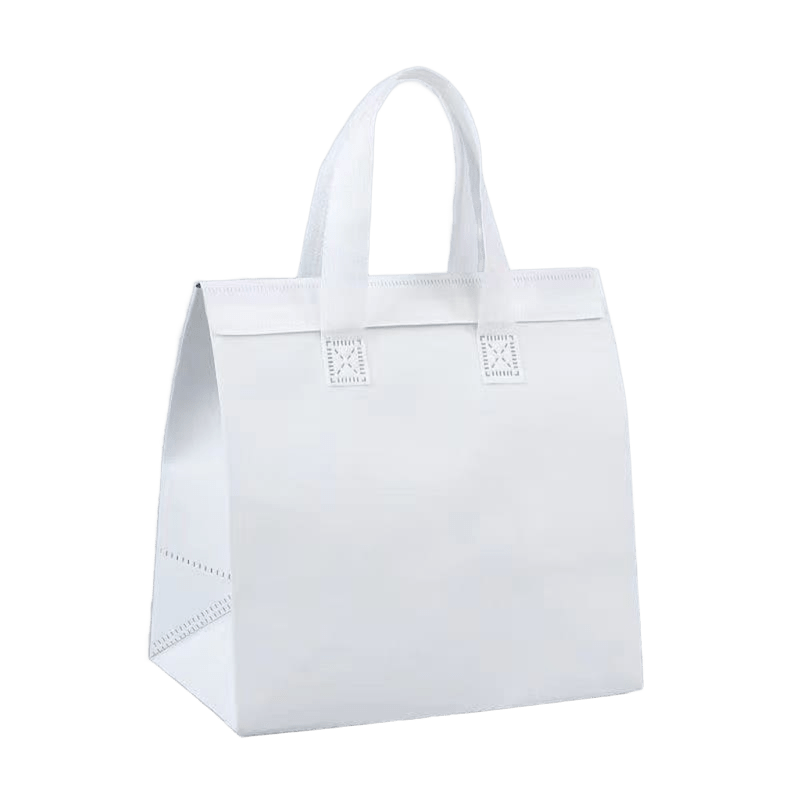
White
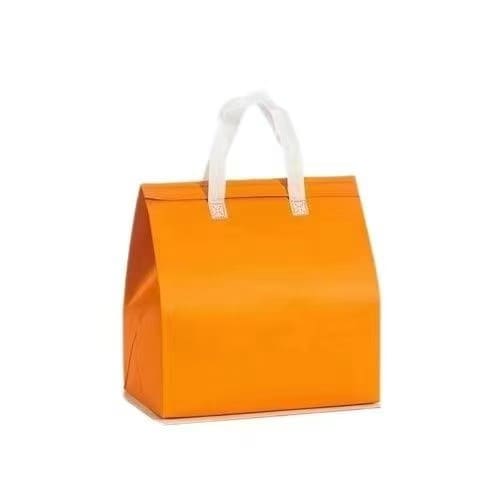
Orange
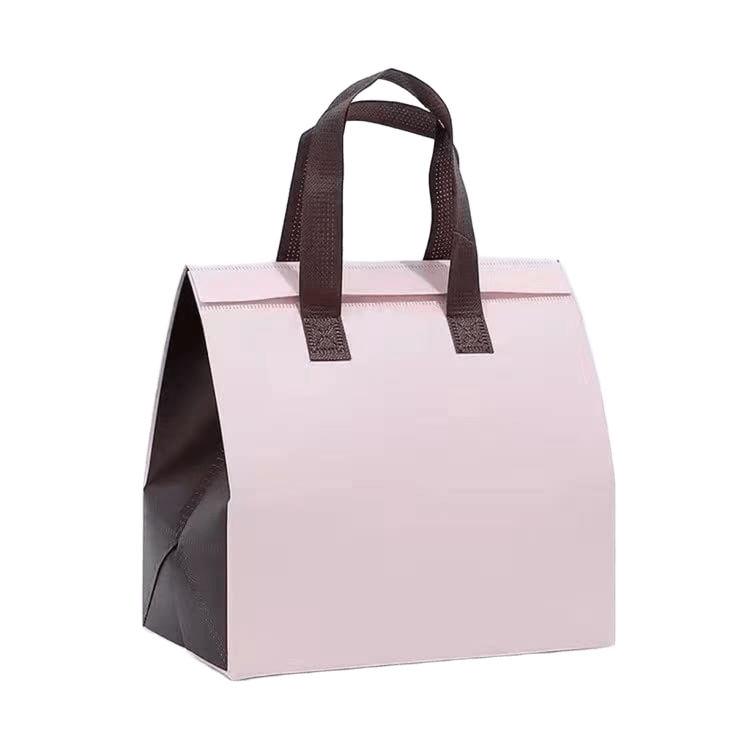
Light Pink
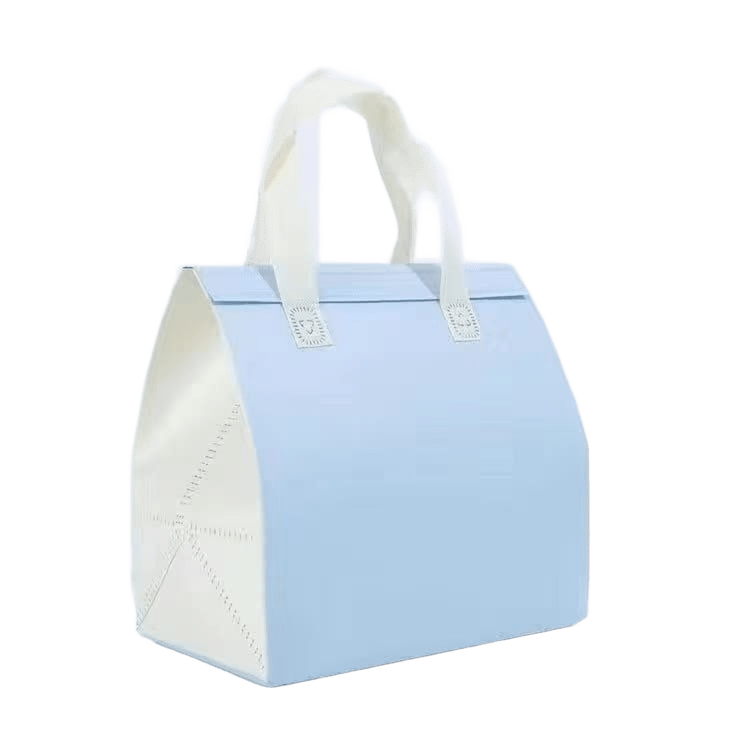
Light Blue
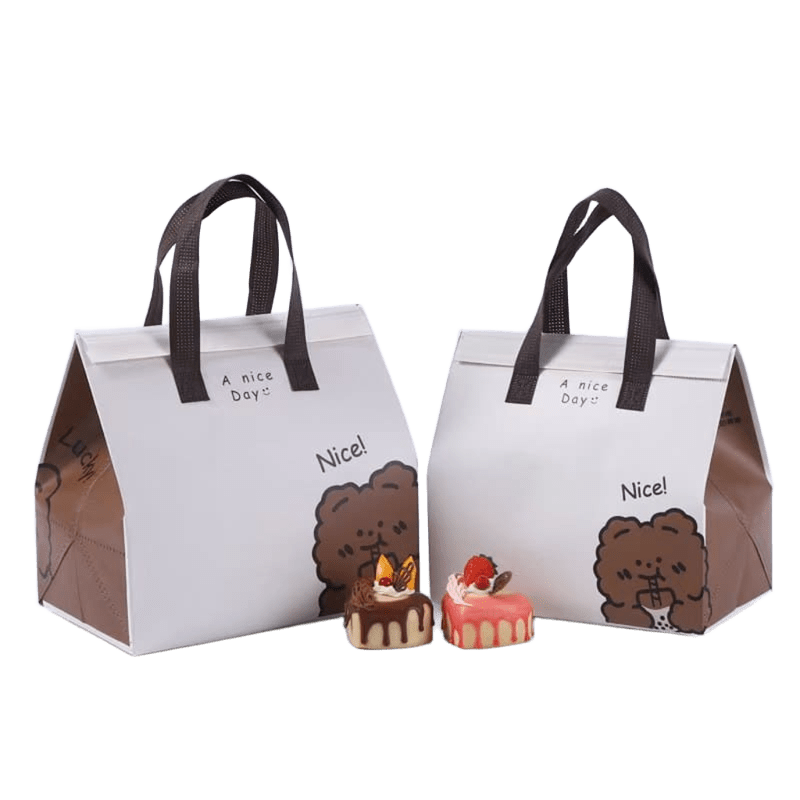
Bear
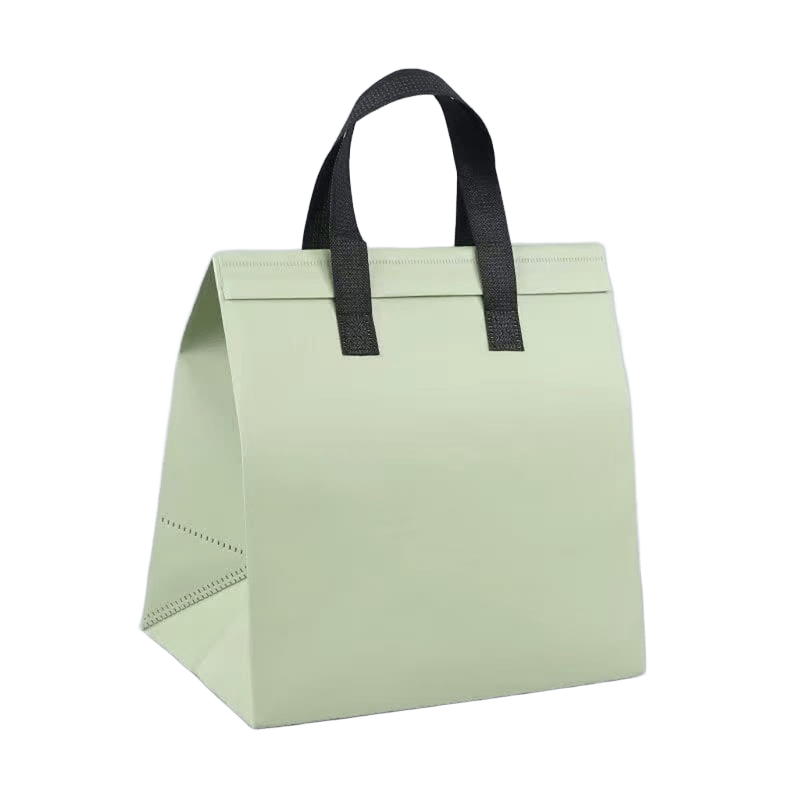
Matcha Green
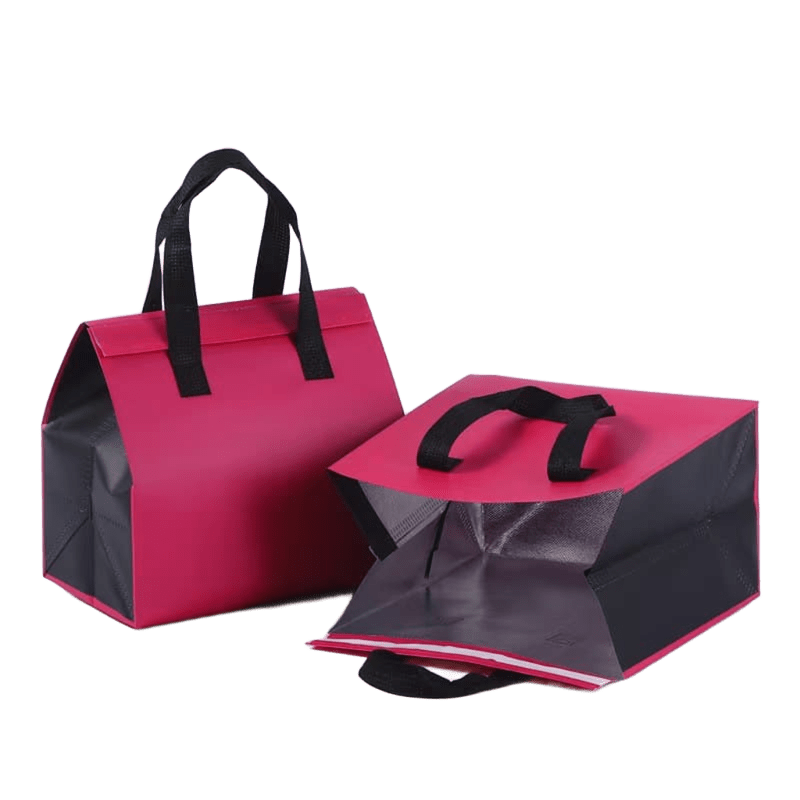
Rose Red
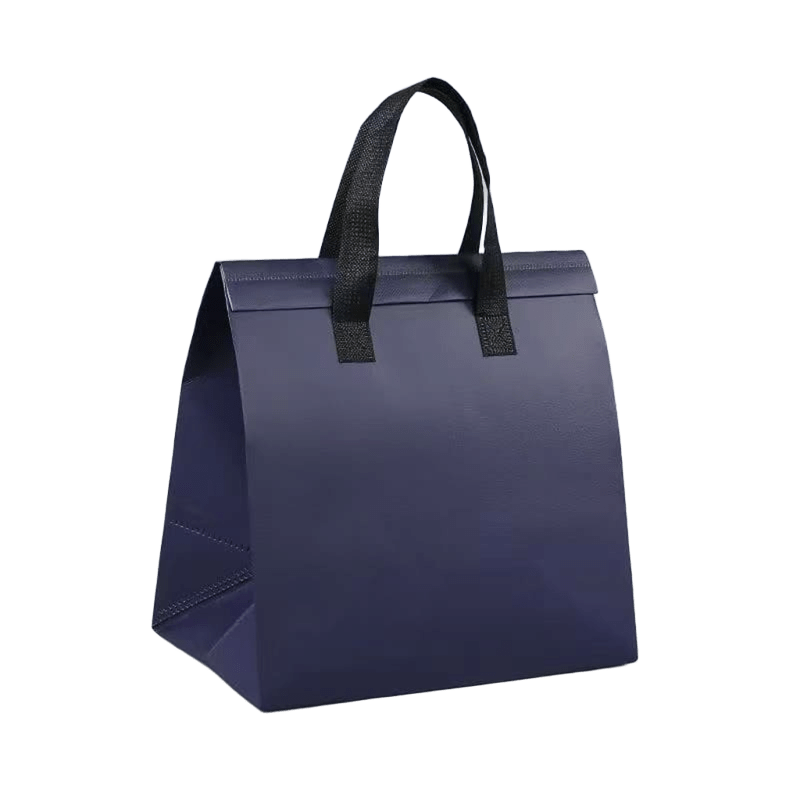
Navy Blue
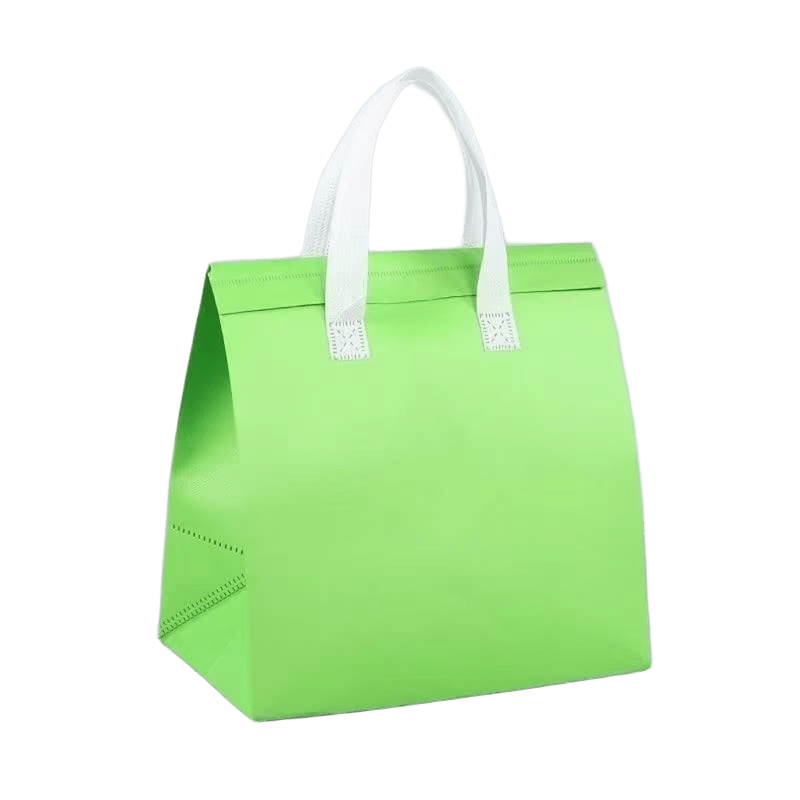
Grass Green
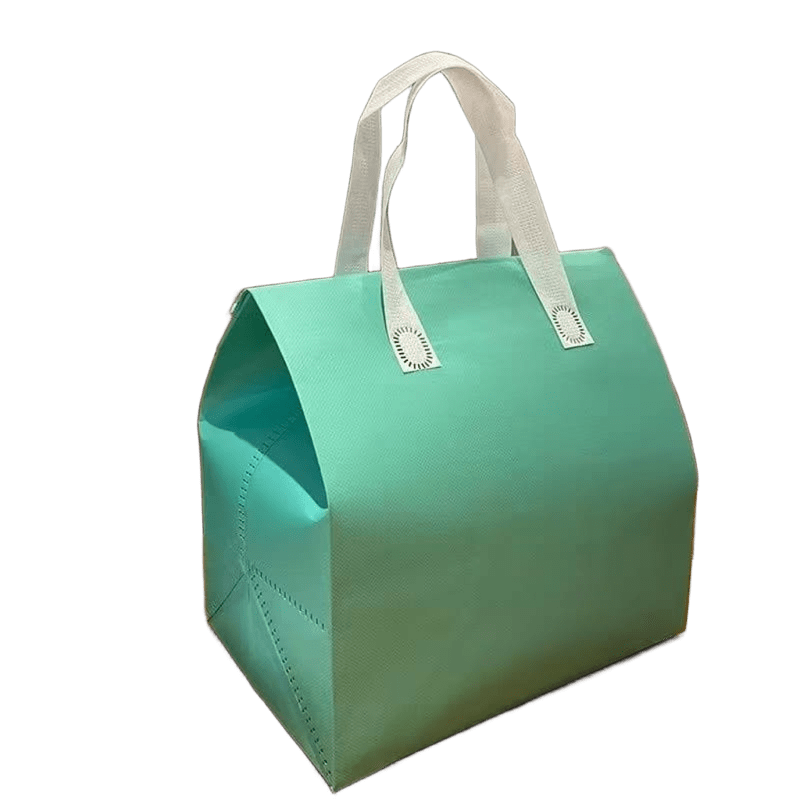
Light Green
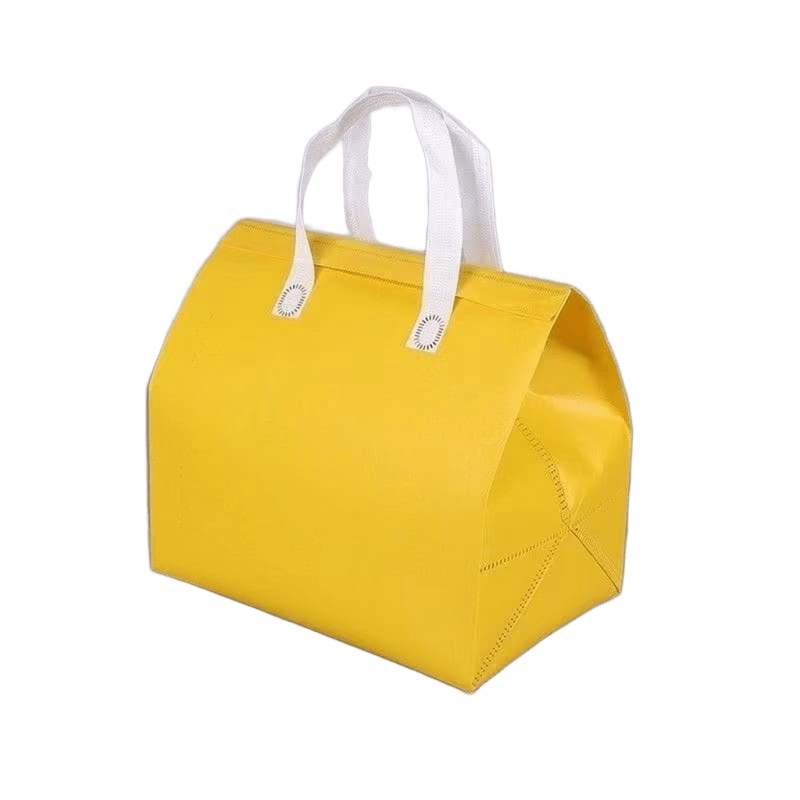
Yellow
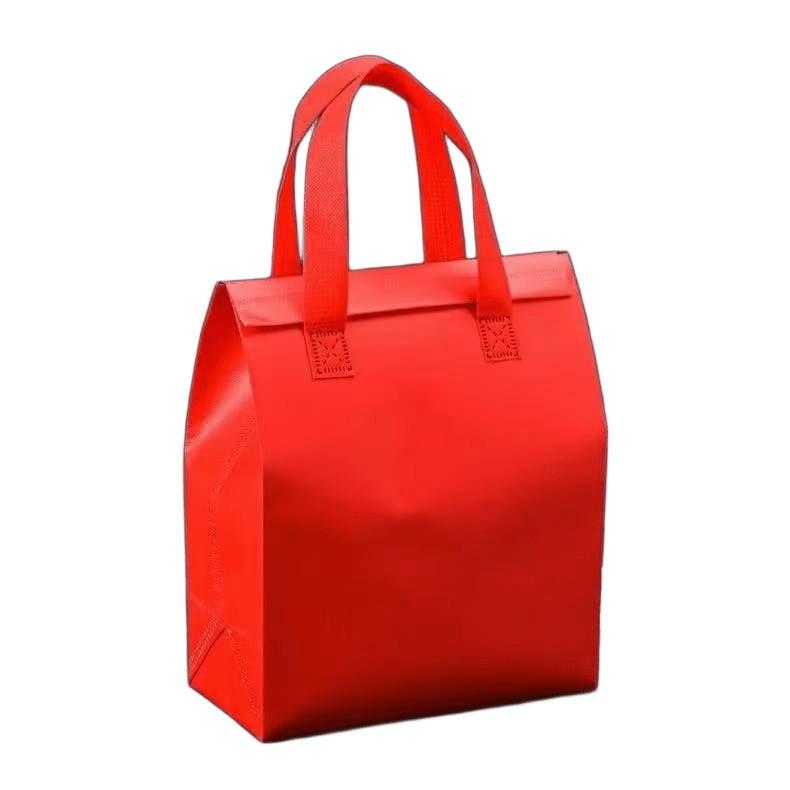
Red
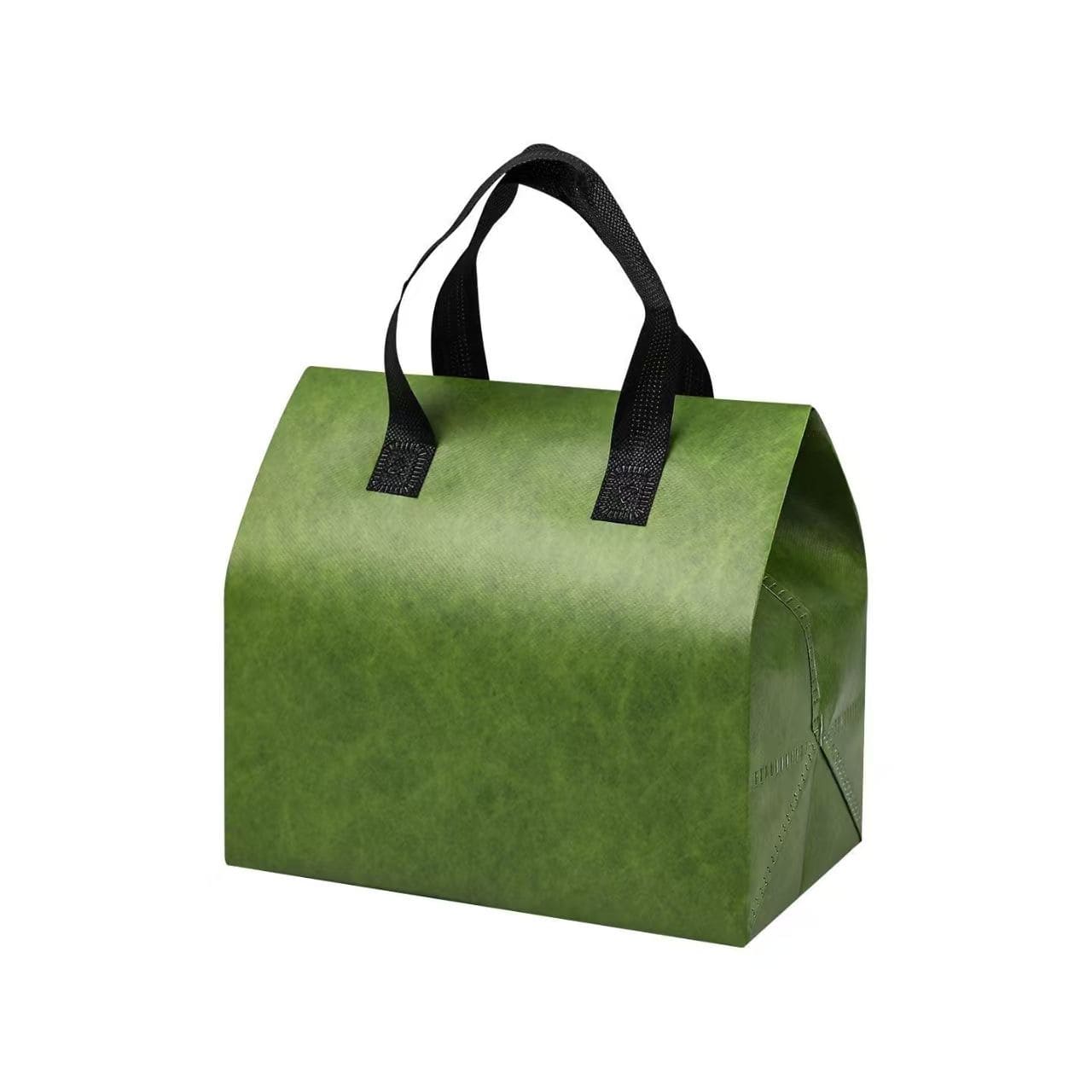
Green Paper Texture
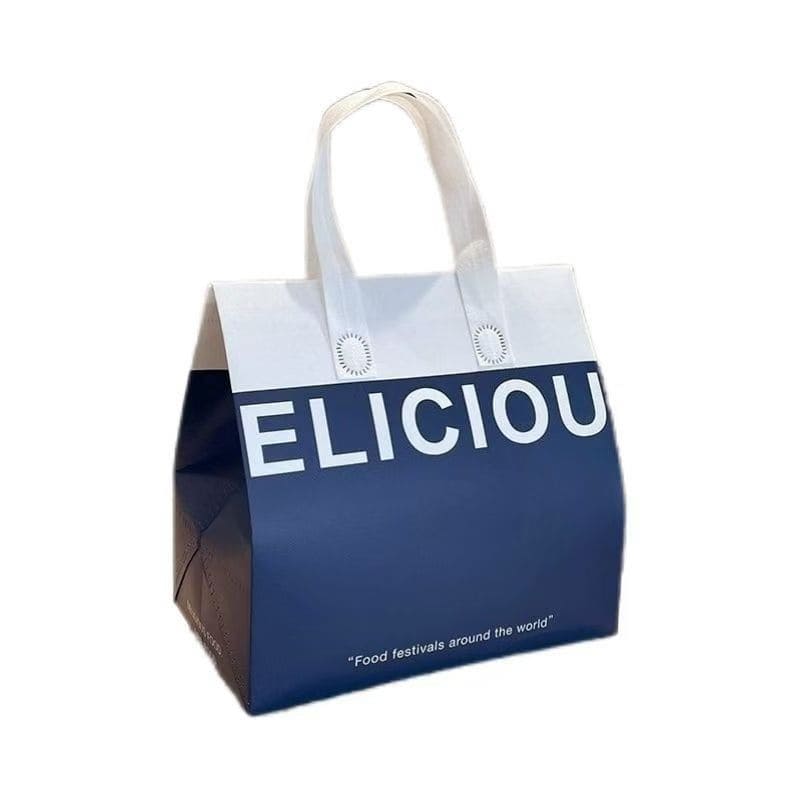
DL
Available Sizes (cm)
```Single Cup
12 × 11 × 28
Small
21 × 26 × 11
Medium
24 × 24 × 15
Large
26 × 26 × 17
Extra Large
30 × 30 × 20
4 Inch Box
21 × 19 × 35
6 Inch Box
26 × 24 × 38
8 Inch Box
30 × 28 × 40
Frequently Asked Questions
Quick answers to common questions from our wholesale partners.
What is your minimum order quantity (MOQ)?
Our standard MOQ is 5,000 pieces per design. For first-time customers or sample orders, we can be flexible with smaller quantities. Stock items may have lower MOQ requirements.
What is your production lead time?
Standard production time is 25-35 days after order confirmation and deposit payment. Rush orders can be accommodated with additional fees. Stock items can ship within 3-7 days.
Can you provide samples before bulk order?
Yes, we provide samples for quality evaluation. Stock samples are free (shipping cost applies). Custom samples take 7-10 days and sample fees will be refunded upon bulk order confirmation.
What payment terms do you accept?
We accept T/T (bank transfer), L/C at sight, and PayPal for smaller orders. Standard terms: 30% deposit, 70% balance before shipment. Long-term partners may qualify for extended payment terms.
Do you handle shipping and logistics?
Yes, we offer complete logistics solutions including sea freight, air freight, and express delivery. We can quote FOB, CIF, or DDP terms based on your preference and handle all export documentation.
What customization options are available?
Full customization available: size, color, material, printing, handles, zippers, and interior lining. We provide design consultation and can work from your artwork or create designs based on your requirements.
Get Your Custom Quote Today
Ready to start your insulated bag project? Fill out the form below and our team will respond within 24 hours with a detailed quotation.