If you are choosing grocery bags for a supermarket, retailer, or reusable shopping program, the main question is not simply which material is stronger. The more important question is: Which bag construction can safely carry the required grocery load during actual use? A typical grocery bag may carry 3–5 kg for small purchases, 5–10 kg […]
Stories & Insights
Sharing experiences from the sustainable packaging industry and personal journey in building eco-friendly solutions.
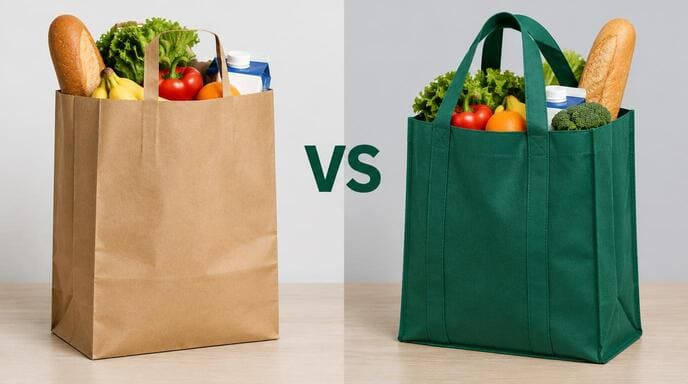
Non-Woven Bag
paper bag
Paper vs Non-Woven Grocery Bags: Which Holds More Weight?
Read Full Story
Industry Guide
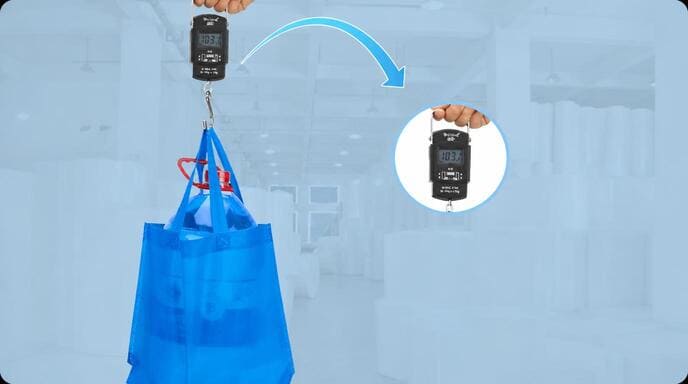
How Much Weight Can a Grocery Bag Really Hold?
A grocery bag can typically carry 5–15 kg (11–33 lbs)1 in everyday use. Stronger reusable bags made from non-woven PP, PP woven fabric or canvas can be designed for 15–30 kg (33–66 lbs) or more when properly constructed and tested. The actual load capacity depends on the bag material, structure, handle design and how the […]
Uncategorized
Supermarket vs Grocery Store: How Shopping Behavior Shapes Bag Selection
A supermarket and a grocery store can sell many of the same products, but they do not always serve the same shopping mission. That difference can affect basket composition, load requirements, bag capacity, reuse expectations and the way retailers specify shopping bags. There is no universal store-size threshold separating the two. A large grocery chain […]
Industry Guide
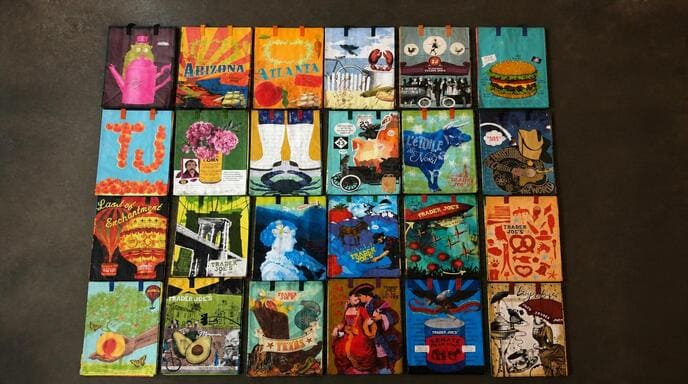
Trader Joe’s Reusable Bags: What You Need to Know and Better Alternatives
When people search for Trader Joe’s reusable bags, they are often interested in more than the bags themselves. Some want to understand why these grocery bags have become recognizable, while others are looking for reusable bag ideas for their own retail business. Trader Joe’s provides an interesting example because its reusable bags are closely connected […]
Nylon Bag
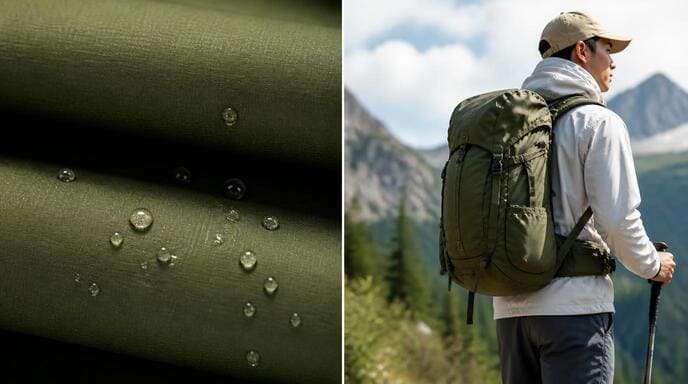
Disadvantages of Nylon Bags: 5 Things to Consider Before Choosing Nylon Bags
Nylon bags are widely used in backpacks, travel bags, outdoor equipment, and reusable promotional bags because nylon offers a strong combination of durability, abrasion resistance, lightweight performance, and long service life. For many applications, nylon is an excellent material choice. However, durability is not the only factor buyers need to consider when selecting a bag […]
Industry Guide
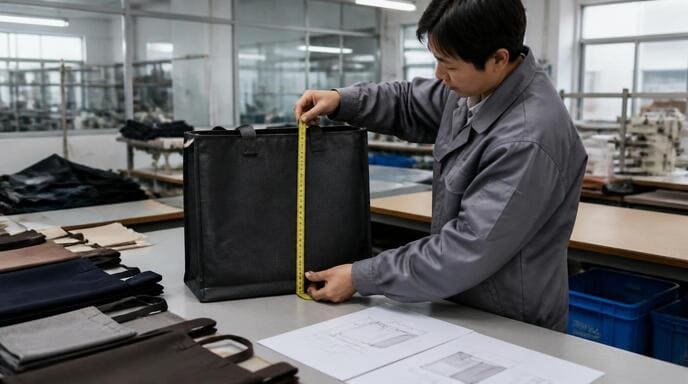
How to Measure Custom Bag Dimensions
When ordering custom bags in bulk, accurate dimensions are one of the key factors affecting product quality, production efficiency, and overall cost. A size difference of only a few centimeters may seem minor for one sample, but the impact can become much larger when thousands of bags are manufactured. For example, increasing a bag size […]
Insulated Bag
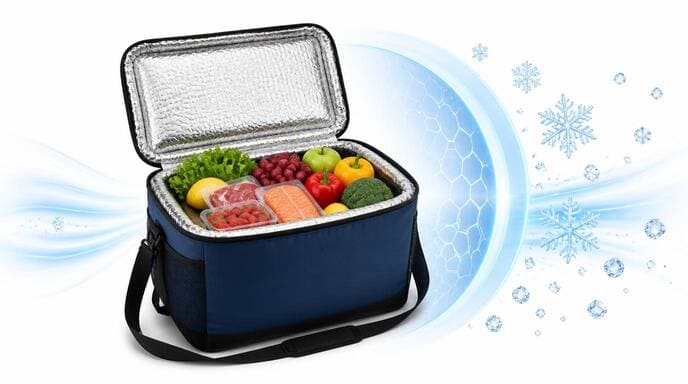
How Long Do Insulated Bags Keep Food Cold?
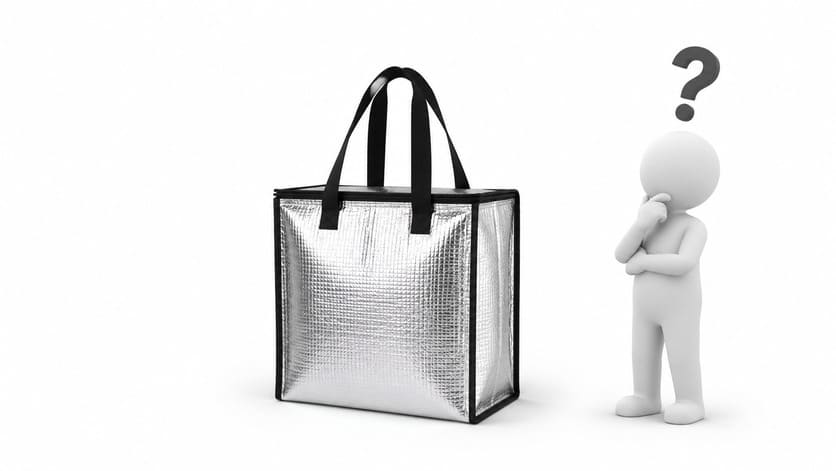
For anyone buying or using an insulated bag, the most important question is usually simple: how long can it keep food cold? In general, most insulated bags can keep food cold for 2 to 12 hours1, depending on the bag type and usage conditions. Basic lunch bags are designed for short periods, while stronger cooler […]
Insulated Bag
6 Common Myths About Insulated Shopping Bags Buyers Should Know Before Choosing a Supplier
For importers, wholesalers, retailers, and brand owners, sourcing insulated shopping bags may look simple: Find suppliers, compare quotations, check samples, and place orders. However, experienced buyers know that insulated shopping bags are not ordinary reusable bags with an extra foil layer. They are functional products that need to balance insulation performance, material durability, manufacturing consistency, […]
Showing 1-8 of 48 stories
Behind the Bags
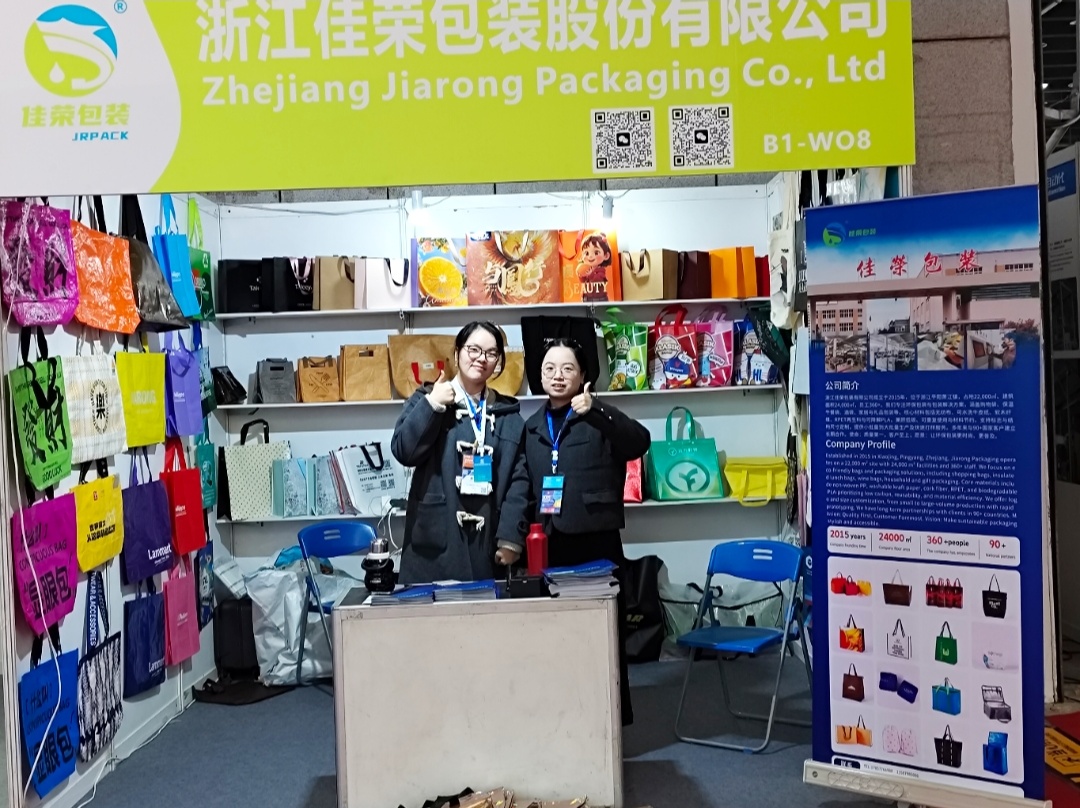
Every bag has a real beginning. Ours started in 2015, in a small workshop in Wenzhou, with a simple belief: packaging should be made responsibly, and made to last.
Inside the factory, different bags are made in different ways. Non-woven bags are formed on large automated machines using ultrasonic welding. Canvas bags and woven bags are sewn piece by piece, guided by skilled hands. Different processes, same focus on reliability.
Behind every production line are people. More than 360 workers check seams, align handles, and inspect details that most customers will never see—but will feel when they use the bag.
The journey has not always been smooth. Supply changes, material adjustments, and long conversations with clients are part of daily work. Each challenge has shaped how we think, improve, and build trust.
This blog shares what lies behind the bags: real processes, real decisions, and the people who make sure every bag is made the right way.

Effie
Foreign Trade Manager
Let's Connect
Have a question about sustainable packaging or want to share your story? Drop me a message.