In a crowded retail landscape, physical touchpoints are among the most powerful tools for brand expression. While digital ads are easily scrolled past, a shopping bag travels with the consumer, serving as a walking billboard and a physical reminder of a brand experience. However, standard, generic bags often fail to captivate attention.

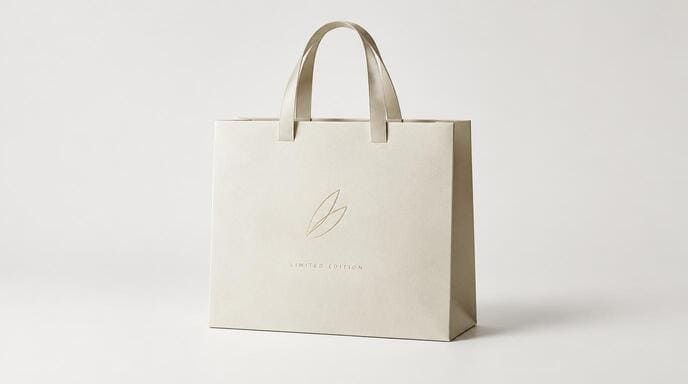
Enter the limited-edition shopping bag. By infusing scarcity, artistic vision, and strategic design into everyday packaging, forward-thinking retailers and luxury fashion houses have transformed a simple carrier into a highly sought-after cultural artifact.
Drawing from successful retail campaigns and iconic designer collaborations, this guide breaks down how to strategically design, craft, and produce limited-edition shopping bags that drive viral engagement, elevate brand perception, and build lasting customer loyalty.
The Strategic Power of Limited-Edition Shopping Bags
Standard promotional packaging is functional, but limited-edition bags operate on psychological and cultural drivers. They leverage the scarcity heuristic—the idea that people assign higher value to items that are rare or available for a limited time.

Key Marketing Drivers:
- Creation of Urgency: Time-limited or quantity-capped releases incentivize immediate purchases, driving foot traffic and boosting average transaction value during key campaign launches.
- Earned Organic Reach (UGC): Customers actively share exclusive bags on platforms like Instagram and TikTok, generating high-trust, user-generated content that traditional advertising cannot replicate.
- Secondary Market Collectibility: High-profile limited-edition bags frequently become collector's items—sometimes trading on resale platforms like Grailed or StockX for prices far exceeding their original purchase cost.
- Extended Brand Touchpoint: A premium, beautifully designed bag is reused for months or years, continuously exposing the brand to new audiences.
Lessons from Top Retail and Designer Collaborations
The most successful limited-edition bags are born when a retail brand steps outside its standard identity guidelines to co-create with artists, fashion designers, or cultural icons. Let's analyze key case studies and what we can learn from them.
Lesson 1: Subvert the Everyday (The IKEA × Virgil Abloh "MARKERAD" Bag)
When Off-White founder Virgil Abloh collaborated with IKEA, he took the ubiquitous blue FRAKTA shopping bag and redesigned it in structured paper composite, printing the word "SCULPTURE" in his signature Helvetica quotation marks across the side.
- Design Strategy: Irony and contextual shifting. By taking a utilitarian, low-cost object and applying high-fashion typography and structured material, the bag was transformed into a conceptual piece of art.
- Takeaway: Don't just place a logo on a bag; reinterpret the bag's identity entirely. Unexpected text, subtle humor, or an ironic twist can create instant social media conversation.
Lesson 2: Elevate Material and Monogram (The Louis Vuitton × Takashi Murakami Era)
Louis Vuitton's legendary partnership with artist Takashi Murakami revolutionized retail packaging and accessories by replacing the classic, muted brown LV monogram with vibrant, multicolored pop-art palette designs.
- Design Strategy: Artistic contrast against brand heritage. The collaboration combined ultra-luxurious leather craft with bright anime-inspired aesthetics and specialized multicolor silk-screening.
- Takeaway: Use limited editions to break away from your brand's traditional color rules. A temporary visual contrast reinforces that the item is a special, temporary moment in time.
Lesson 3: Cultivate Identity and Community (The Telfar "Shopping Bag")
Though not a traditional retail checkout bag, Telfar's vegan-leather "Shopping Bag" (often called the "Bushwick Birkin") uses limited drop-based availability to create hyper-demand while remaining accessible in pricing.
- Design Strategy: Minimalist branding paired with extreme functional utility, released in monochromatic drop colors (e.g., Bubblegum Pink, Sage, Cerulean).
- Takeaway: Consistency in silhouette combined with limited, rotating seasonal colorways can build an entire ecosystem of collectors who buy every new release.
Blueprint: Key Elements of Designing a Limited-Edition Bag
Translating a creative idea into a physical product requires a balance between creative visual design, material engineering, and practical functionality.
1. Visual Aesthetics & Special Printing Techniques
To make a limited-edition bag visually distinctive from standard packaging, incorporate special finishes that trigger both visual and tactile interest:
- Spot UV Coating: Creates contrast between matte paper/fabric backgrounds and glossy, reflective logo elements or artwork.
- Metallic Foil Stamping: Gold, silver, or holographic foils immediately signal premium luxury.

- Tactile Embossing/Debossing: Raises or lowers graphics, logos, or patterns on heavy-weight paper, leatherette, or dense canvas.
- High-Precision Multi-Color Screen Printing or Gravure Printing: Allows complex color gradients, fine art reproductions, or full-bleed graphics to cover 100% of the bag's exterior.
2. Premium & Sustainable Material Selection
Material selection defines the bag's weight, feel, and perceived value. For limited releases, brands should step up from basic 80 GSM non-woven fabrics to richer, higher-density options:
Heavyweight Cotton Canvas (300+ GSM): Ideal for lifestyle, fashion, and retail pop-ups. Offers high durability and a soft, natural texture.
GRS-Certified RPET (Recycled Polyethylene Terephthalate): Made from post-consumer recycled plastic bottles. Perfect for eco-conscious brands wanting a smooth, durable, moisture-resistant finish.
Textured Jute & Heavy Linen: Delivers an organic, artisanal feel, widely used for holiday releases, organic beauty lines, and gourmet food collaborations.
High-Grammage Kraft/Art Paper with Soft-Touch Lamination: Combines crisp structural lines with a velvety exterior touch, suitable for boutique retail drops.
3. Integrated Co-Branding & Details
The devil is in the details. When co-branding a bag with an artist or partner brand:
- Balanced Logo Placement: Avoid oversized, clashing logos. Place the collaborator's signature or logo subtly on side gussets, inner tags, or bag handles.
- Custom Hardware & Handles: Upgrade from standard die-cut or paper handles to woven cotton webbing, flat satin ribbons, recycled rope, or metal grommets.
- Inner Lining & Hidden Messages: Print surprise artwork, edition numbers (e.g., "001 / 500"), or a brand story on the interior lining to delight the buyer during unboxing.
Manufacturing Analysis: Bringing Design Concepts to Production
Even the most brilliant design will fail if the manufacturer cannot execute precise artwork reproduction, structural integrity, and batch-to-batch consistency. Collaborating with an experienced OEM/ODM partner is crucial.
Technical Manufacturing Capabilities Checklist
When selecting a bag manufacturer for high-stakes limited-edition runs, ensure they provide:
- Precision Printing Capabilities: High-speed 8-color gravure or advanced silk-screen printing capable of maintaining sharp registration across large fabric web widths (up to 1.5 meters).
- Automated Lamination & Cutting: Double-head laminators providing uniform matte, gloss, or soft-touch protective layers, ensuring the bag resists water and wear during daily reuse.
- High-Strength Assembly & Stitching: Specialized computer-pattern tacking and twin-needle sewing workshops for reinforced handles and stress points, ensuring load-bearing strength.
- Certified Quality Management: Strict adherence to ISO 9001:2015 quality standards, with multi-stage inspections (raw material testing, in-line print alignment checks, and final tensile testing).
Comparison Matrix: Material & Production Choices for Limited Editions
| Material Type | Aesthetic & Texture | Durability | Eco Credentials | Ideal Campaign Use Case |
|---|---|---|---|---|
| Heavyweight Canvas (Cotton) | Organic, warm, premium fashion aesthetic | Very High | 100% Biodegradable & Washable | Fashion streetwear drops, artist collaborations, lifestyle brands |
| GRS Recycled RPET | Modern, smooth sheen, vibrant print clarity | High | Made from 100% recycled bottles | Sustainable urban retail, tech activations, outdoor brands |
| Heavy Non-Woven (120+ GSM) | Structured, versatile, cost-effective | Moderate | Recyclable (Type 5), water-resistant | Mass-retail promotional drops, event giveaways, trade pop-ups |
| Laminated Art Paper | Crisp, sharp edges, velvety or glossy touch | Moderate | Recyclable (if unlaminated/eco-coated) | High-end boutique retail, luxury holiday gifting, jewelry drops |
| Natural Jute / Burlap | Rustic, textured, earthy luxury | High | 100% Renewable & Biodegradable | Organic skincare, artisanal foods, resort & summer capsule collections |
Step-by-Step Execution Checklist for Retailers
Executing a seamless limited-edition bag release requires cross-functional coordination between design, marketing, and manufacturing teams:
- Define the Campaign Story & Audience: Establish whether the drop is tied to a seasonal launch, artist partnership, store anniversary, or cause-marketing campaign.
- Develop the Artwork & Structural Specs: Design custom graphics, select pantone colors, choose handle styles, and define bag dimensions to match the intended retail products.
- Sample Prototyping: Request physical pre-production samples from your manufacturer to test color accuracy, handle strength, printing alignment, and tactile finishes.
- Establish Scarcity Rules: Decide on total production units (e.g., strictly 2,000 units worldwide) or a fixed promotional timeframe (e.g., available only during launch week).
- Coordinate Marketing & In-Store Merchandising: Train retail staff on the story behind the bag, prepare social media teaser content, and showcase the bags prominently in window displays.
Frequently Asked Questions
What constitutes a true "limited-edition" shopping bag?
A shopping bag becomes a limited edition when its production run is capped by a specific quantity (e.g., 1,000 units) or restricted to a specific timeframe or event. Once sold out, the design is retired and never reproduced.
How far in advance should we plan a limited-edition bag release?
A typical production cycle takes between 6 to 12 weeks, accounting for concept design, material sourcing, pre-production sampling, bulk manufacturing, quality control, and shipping logistics.
Can limited-edition bags be fully eco-friendly?
Yes. Using materials like GRS-certified RPET, organic unbleached cotton canvas, or FSC-certified recycled paper along with water-based soy inks allows brands to deliver ultra-premium exclusive packaging without compromising sustainability commitments.
How can OEM/ODM manufacturers help during the initial design phase?
Reputable manufacturers offer design feasibility consultations, material swatch kits, mockups, and technical guidance on artwork placement, ensuring that intricate artist designs translate smoothly onto physical fabrics during mass production.
Conclusion
A strategically designed limited-edition shopping bag is far more than a container for goods—it is a powerful storytelling platform, a mobile brand campaign, and a coveted piece of cultural currency. By taking cues from pioneering retail and designer collaborations, focusing on distinctive visuals, selecting elevated materials, and partnering with a skilled manufacturer, brands can create memorable physical experiences that resonate long after the customer leaves the store.
Ready to Bring Your Limited-Edition Packaging Concept to Life?
Contact Zhejiang Jiarong Packaging / ecobaggo today. Our team brings over 11 years of OEM/ODM expertise, state-of-the-art precision printing, and sustainable material sourcing to turn your ambitious limited-edition design into a high-quality physical reality. Reach out to request custom material samples and explore our full range of tailored packaging solutions.