Chat with us on WhatsApp
Customer service representative

Custom
Insulated Bags
China Manufacturer

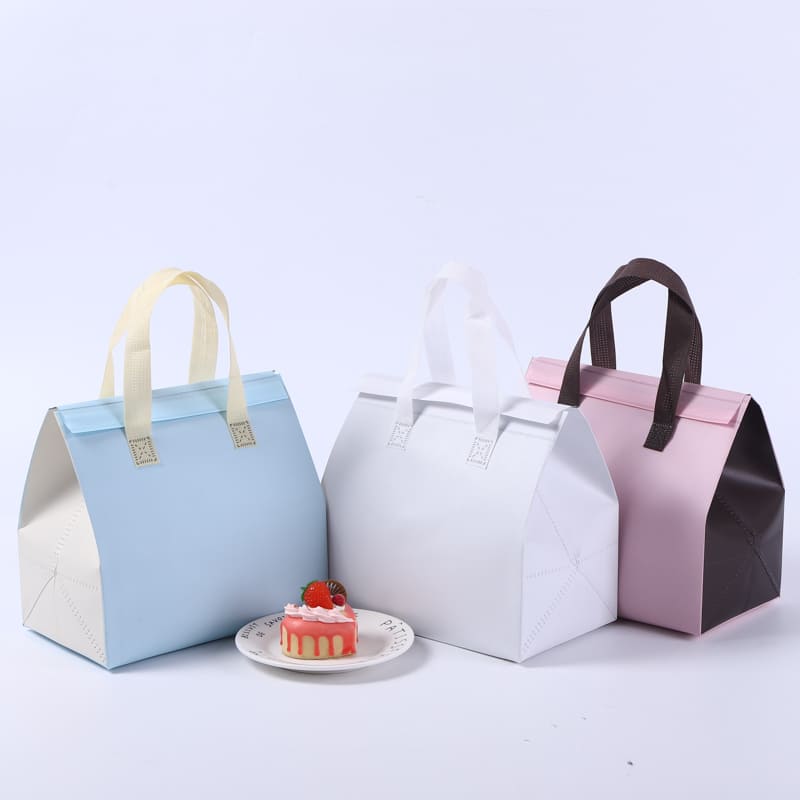
Non-woven aluminum foil insulated bags combine affordability, durability, and thermal performance for food delivery, grocery retail, meal kits, and promotional packaging. Lightweight and practical, they help maintain product temperature while controlling packaging costs. Produced with ultrasonic welding technology, the bags feature clean seams, consistent quality, and efficient production. Reinforced sewn construction is also available for applications requiring additional strength. Custom sizes, colors, printing, handles, and closure options support a wide range of branding and packaging needs.

Custom non-woven aluminum foil insulated bags manufacturer China -- thermal cooler tote bags for food delivery and grocery retail
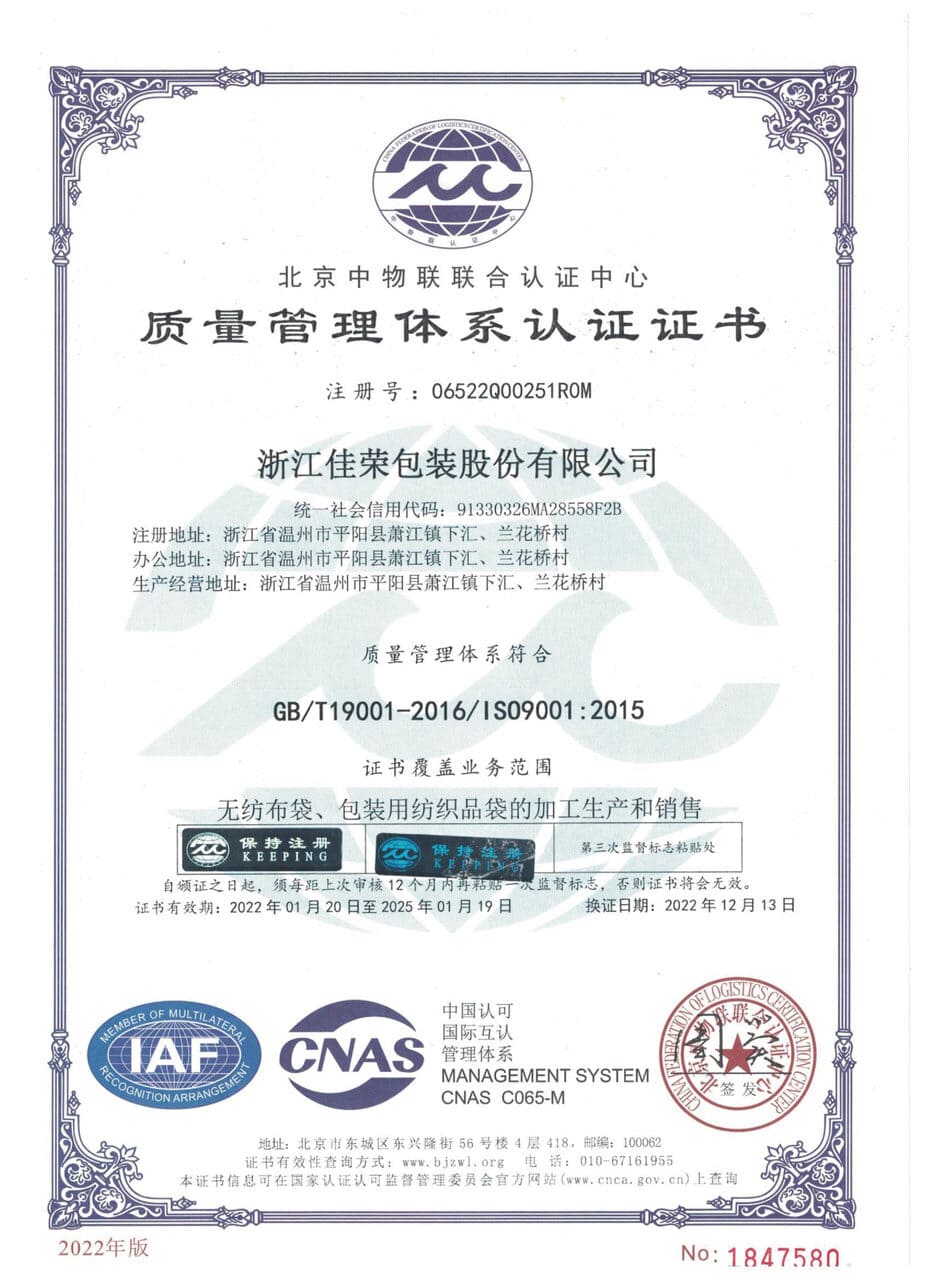
ISO 9001 Certified
Quality Management System
40+ Countries
Global Export Network
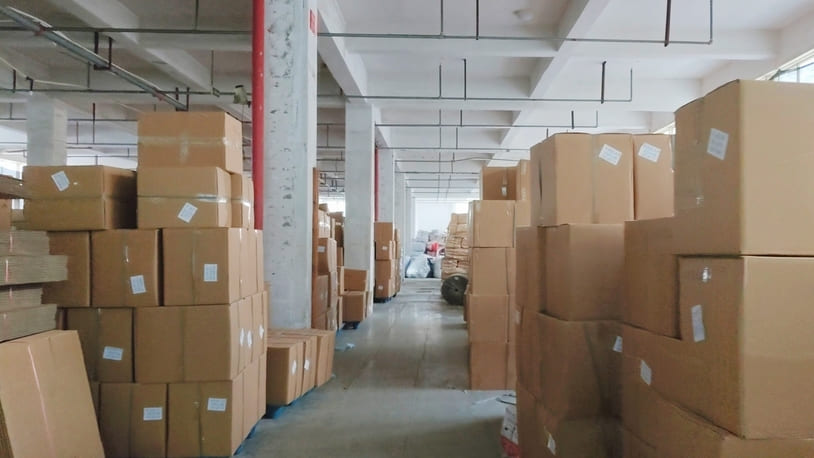
16,000 m² Factory
50+ Production Lines
25-35 Days
Standard Lead Time
Key Features Overview

Benefits of Custom Non-Woven Aluminum Foil Insulated Bags with Your Company Logo

Custom non-woven aluminum foil insulated bags are widely used by retailers, supermarkets, food delivery companies, meal kit providers, catering businesses, and promotional brands that require reliable temperature-controlled packaging. Beyond thermal protection, custom insulated bags serve as a practical marketing tool, helping businesses increase brand visibility every time the bag is reused by customers.

Unlike disposable packaging that is discarded after a single use, reusable insulated bags continue promoting a brand long after the initial purchase. Custom logo printing, corporate colours, and branded designs transform each bag into a mobile advertisement, reinforcing brand recognition across shopping trips, food deliveries, outdoor activities, and daily use. For businesses seeking cost-effective brand exposure, custom cooler bags provide long-term marketing value while supporting product protection.

As sustainability becomes a growing priority across global supply chains, many companies are replacing single-use packaging with reusable insulated bags as part of their environmental initiatives. Non-woven aluminum foil insulated bags offer a durable and reusable solution that helps reduce packaging waste while supporting corporate sustainability goals. Incorporating reusable packaging into a brand strategy can also strengthen a company's environmental image and appeal to increasingly eco-conscious consumers and business partners.

These insulated bags can be fully customized to meet specific project requirements, including size, material weight, printing design, handle construction, and closure options such as self-adhesive seals, Velcro fasteners, and snap buttons. The non-woven exterior provides an excellent printing surface for sharp logos and vibrant graphics, while the aluminum foil lining helps maintain product temperature and improve moisture resistance during transport.

As an experienced insulated bag manufacturer in China, JiaRong Packaging provides complete OEM and ODM production services, from material sourcing and printing to ultrasonic welding, sewing, quality inspection, and export packaging. Flexible customization options and large-scale production capacity enable reliable supply for wholesalers, distributors, retailers, promotional companies, and private-label brands worldwide.

Non-Woven Aluminum Foil Insulated Bags Wholesale

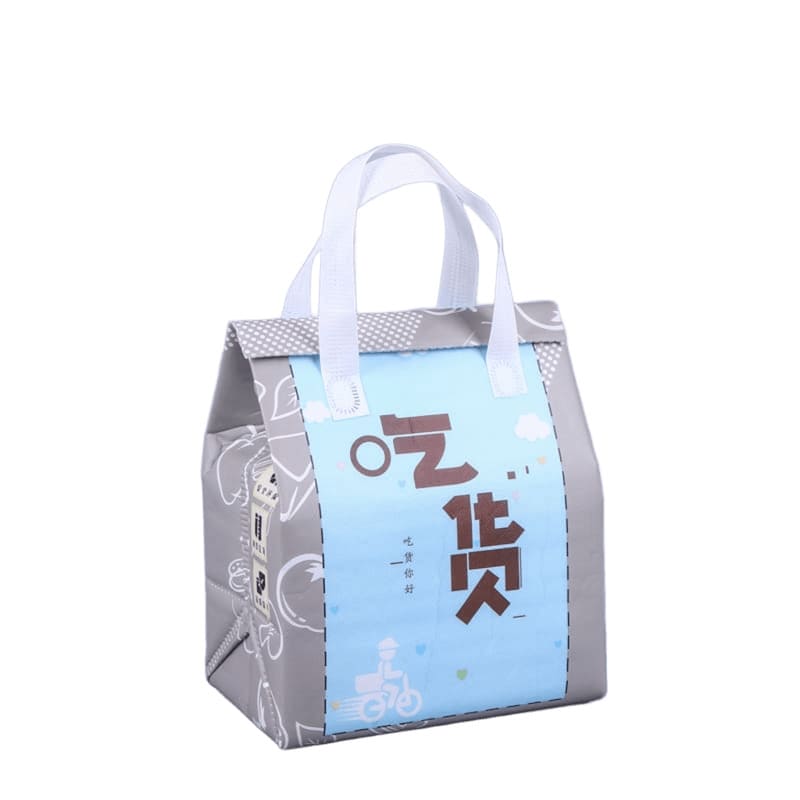
Combining durable non-woven fabric with aluminum foil lining, our insulated bags deliver superior thermal retention for food delivery, grocery, and cold-chain logistics. Available in stock and fully customizable -- ideal for supermarkets, restaurants, meal-kit services, and branded promotional use.

Simple Custom Cooler Bags

Simple Custom Cooler Bags

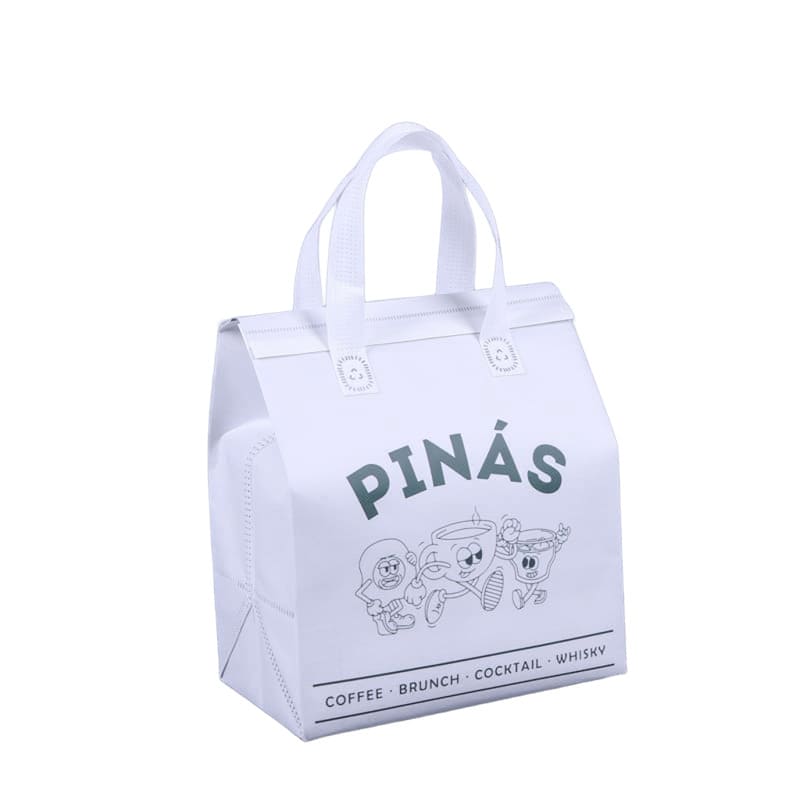
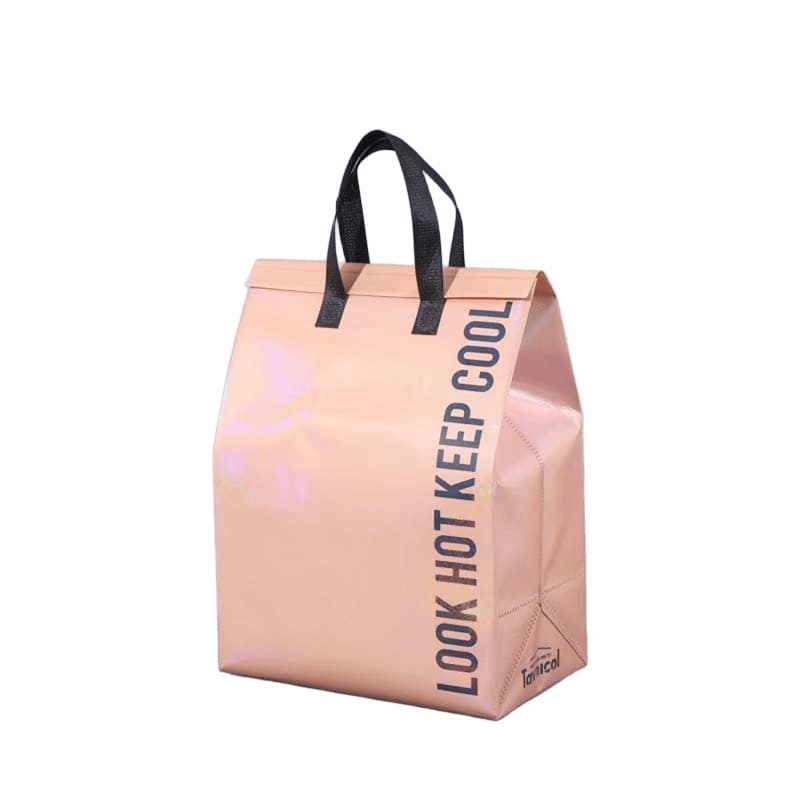
Simple custom cooler bags use clean, minimalist designs to create a professional brand image without unnecessary costs. Ideal for startups, local retailers, restaurants, and promotional campaigns, they offer an affordable way to increase brand visibility while maintaining reliable insulation performance.

In-Stock Non-Woven Aluminum Foil Insulated Bag

In-Stock Insulated Cooler Bag

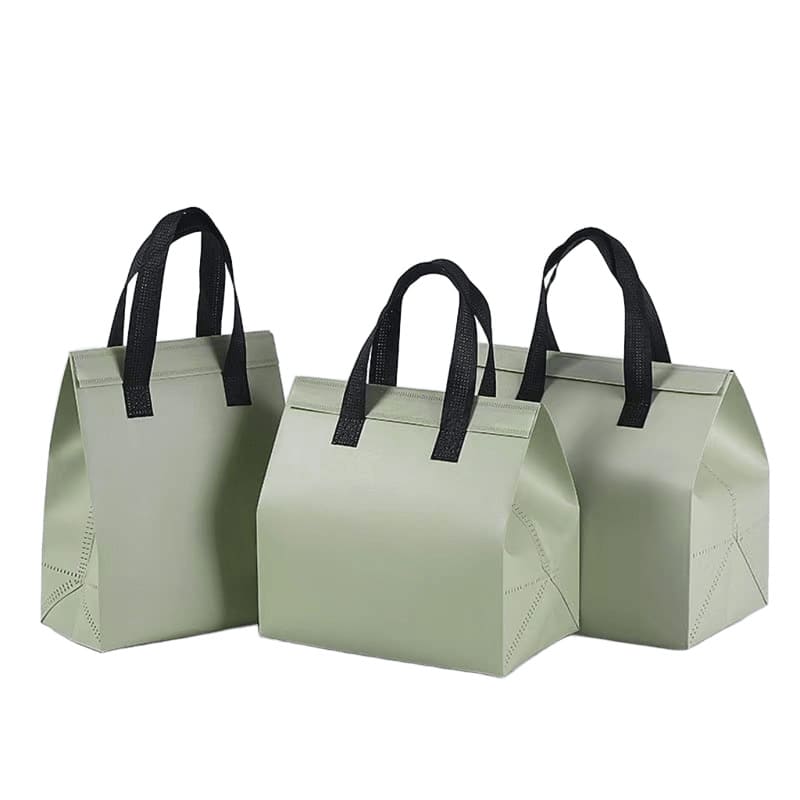
Ready-to-ship non-woven aluminum foil insulated bags are available for immediate wholesale orders. Made with durable non-woven fabric, aluminum foil insulation, and ultrasonic welding, these lightweight cooler bags are ideal for food delivery, grocery retail, takeaway packaging, and promotional use. Bulk quantities are in stock for fast dispatch and reliable supply.

Kraft Paper Insulated Bag

Kraft Paper Insulated Bag

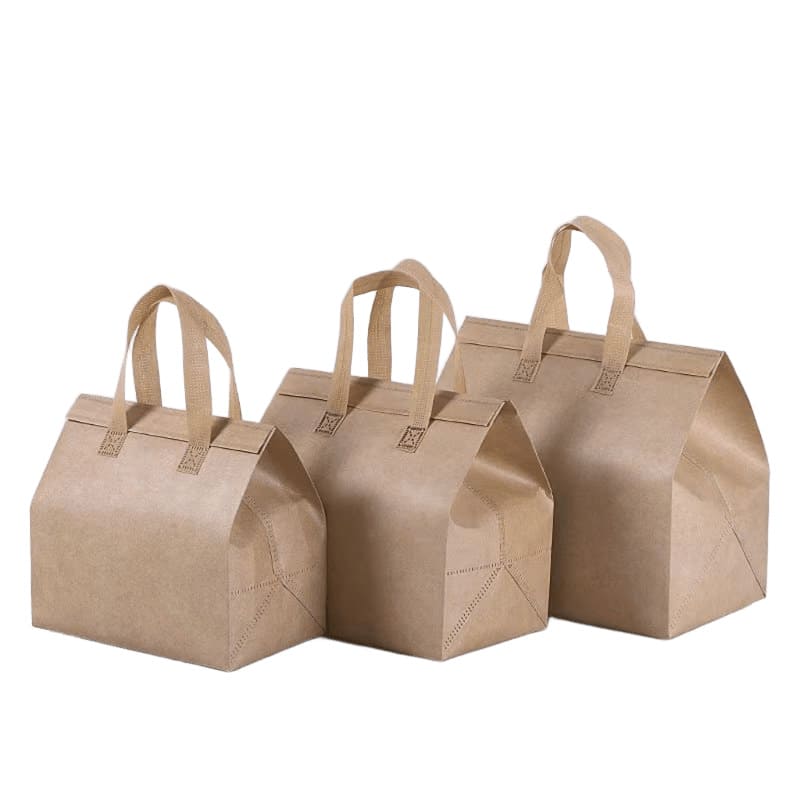
Combining the natural look of kraft paper with reliable thermal insulation, these cooler bags are ideal for takeaway packaging, grocery retail, bakeries, and eco-conscious brands. The kraft paper exterior creates a premium, sustainable appearance while providing excellent opportunities for custom logo printing and brand promotion.

Single Cup Insulated Bag

Single Cup Insulated Bag

Designed for coffee shops, beverage brands, and delivery services, this single cup insulated bag helps maintain drink temperature during transport. Made with a durable non-woven exterior and aluminum foil lining, it offers a lightweight, cost-effective, and customizable solution for branded takeaway packaging.

Color-Blocked Insulated Bag

Color-Blocked Insulated Bag

A stylish insulated bag with color-blocked design for strong branding impact. Made with durable non-woven fabric and aluminum foil lining, it keeps food and drinks insulated during delivery. Lightweight, practical, and fully customizable in color, logo, and size for cafés and delivery brands.

Laminated Insulated Bag

Laminated Insulated Bag

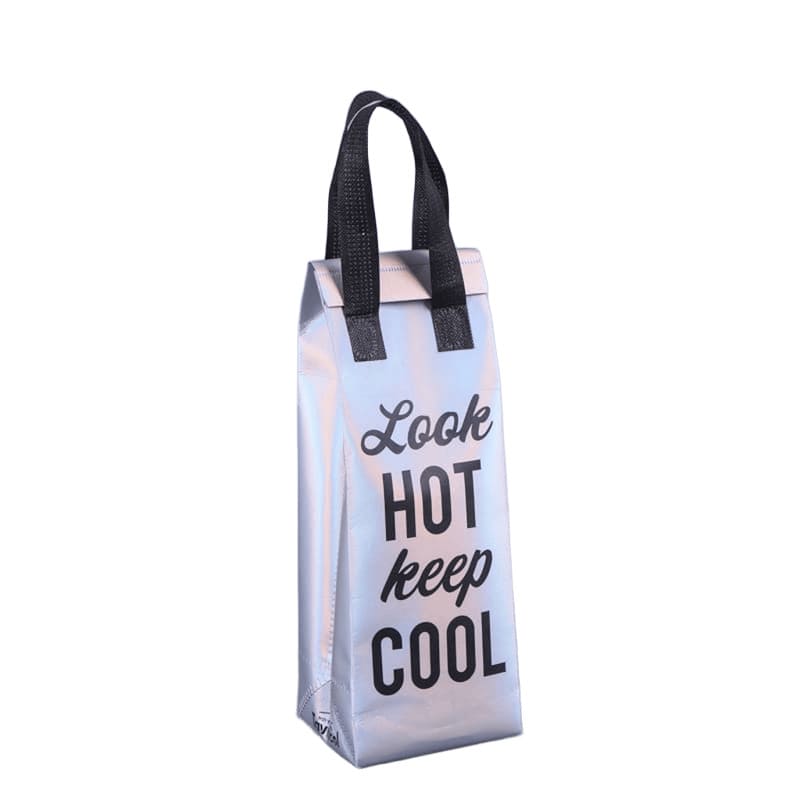
Laminated Insulated Bag features a durable laminated surface and multi-layer thermal lining to maintain temperature during transport. Water-resistant and easy to print, it is ideal for food delivery, grocery, and branded promotional packaging. Lightweight, practical, and fully customizable for wholesale use.

Nonwoven Insulated Bag Custom Solutions

Waterproof Performance

Custom Waterproof Solutions

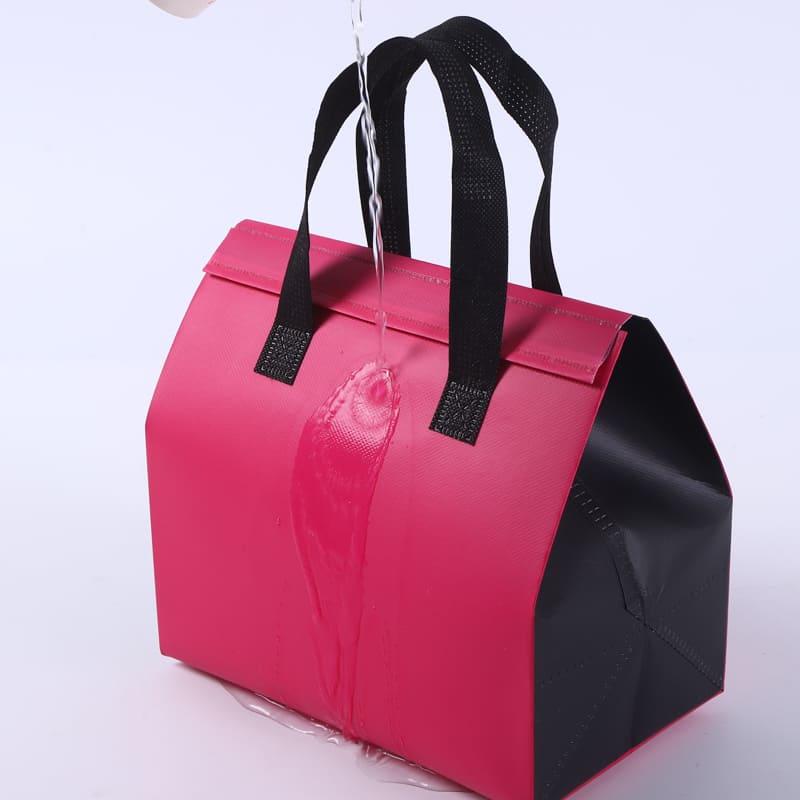
In food delivery, retail packaging, and logistics applications, one of the most common challenges is moisture exposure during transport — including light rain, condensation from chilled items, and accidental liquid spills. Standard non-woven materials alone may not provide sufficient protection in demanding environments.

  • Optional Laminated Outer Layer -- the PP non-woven outer fabric can be customized with a laminated film finish, improving surface water resistance and helping reduce moisture penetration during light rain or outdoor handling.
  • Aluminum Foil Inner Lining -- the inner aluminum foil layer helps improve moisture resistance and reduces the risk of internal leakage from packed food or beverages during transport.
  • Improved Moisture Control -- the multi-layer structure helps reduce condensation buildup from cold items, keeping the interior environment more stable during short-term use.
  • Velcro or Heat-Seal Closure Options -- different closure systems can be customized to enhance sealing performance and better support delivery and takeaway packaging needs.
Waterproof Display of Non-woven Insulated Bags
Print Technology

Printing Methods

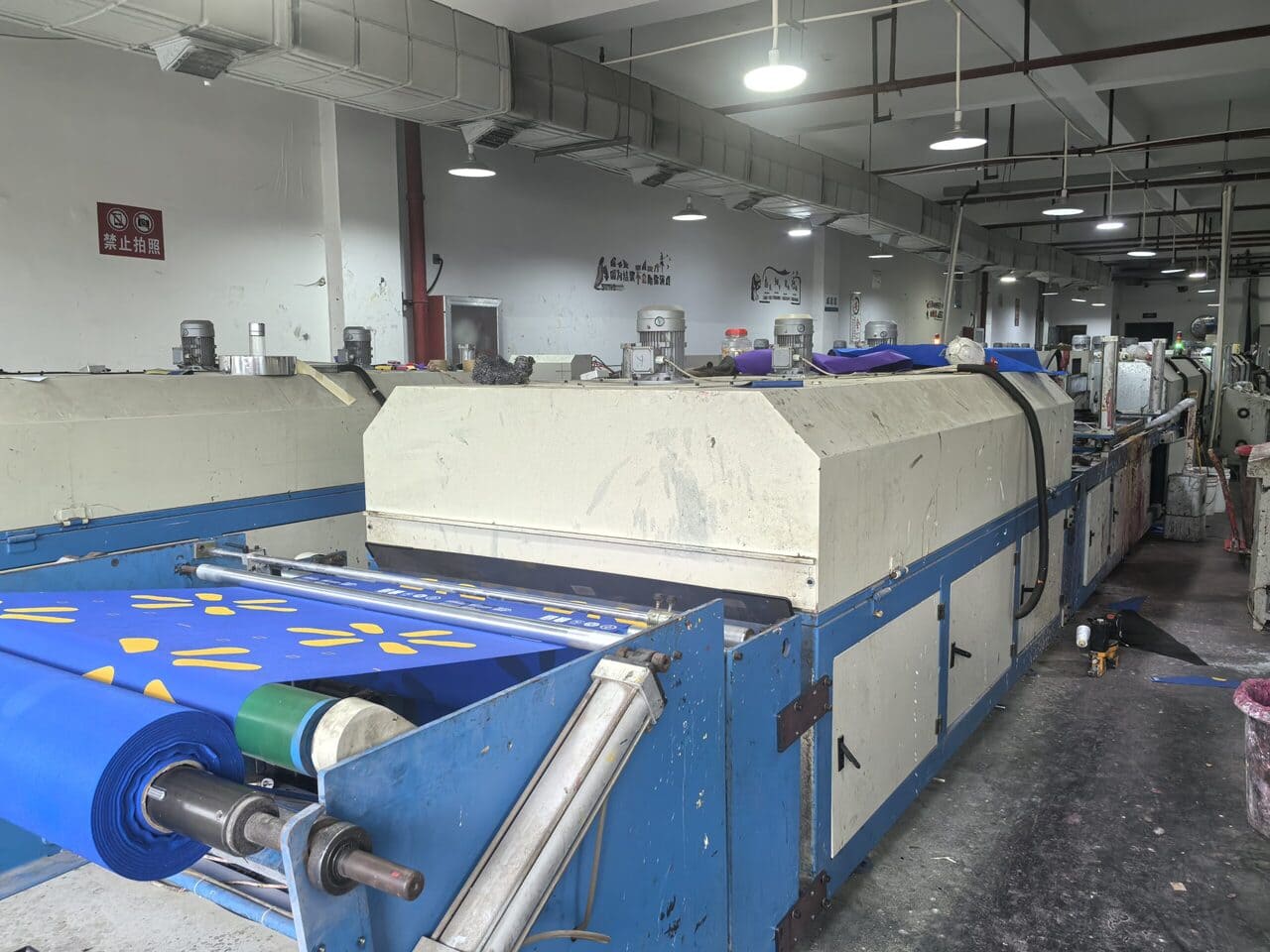
non-woven insulated bags require stable and consistent printing performance to match different retail and food packaging needs. With in-house printing lines and controlled production processes, different methods can be selected based on artwork structure, order volume, and cost target. This helps keep color consistency stable across batches while maintaining efficient production scheduling.

  • Screen Printing — suitable for simple logos and solid colors; widely used for promotional and retail bags with stable ink coverage and cost efficiency at medium to large volume
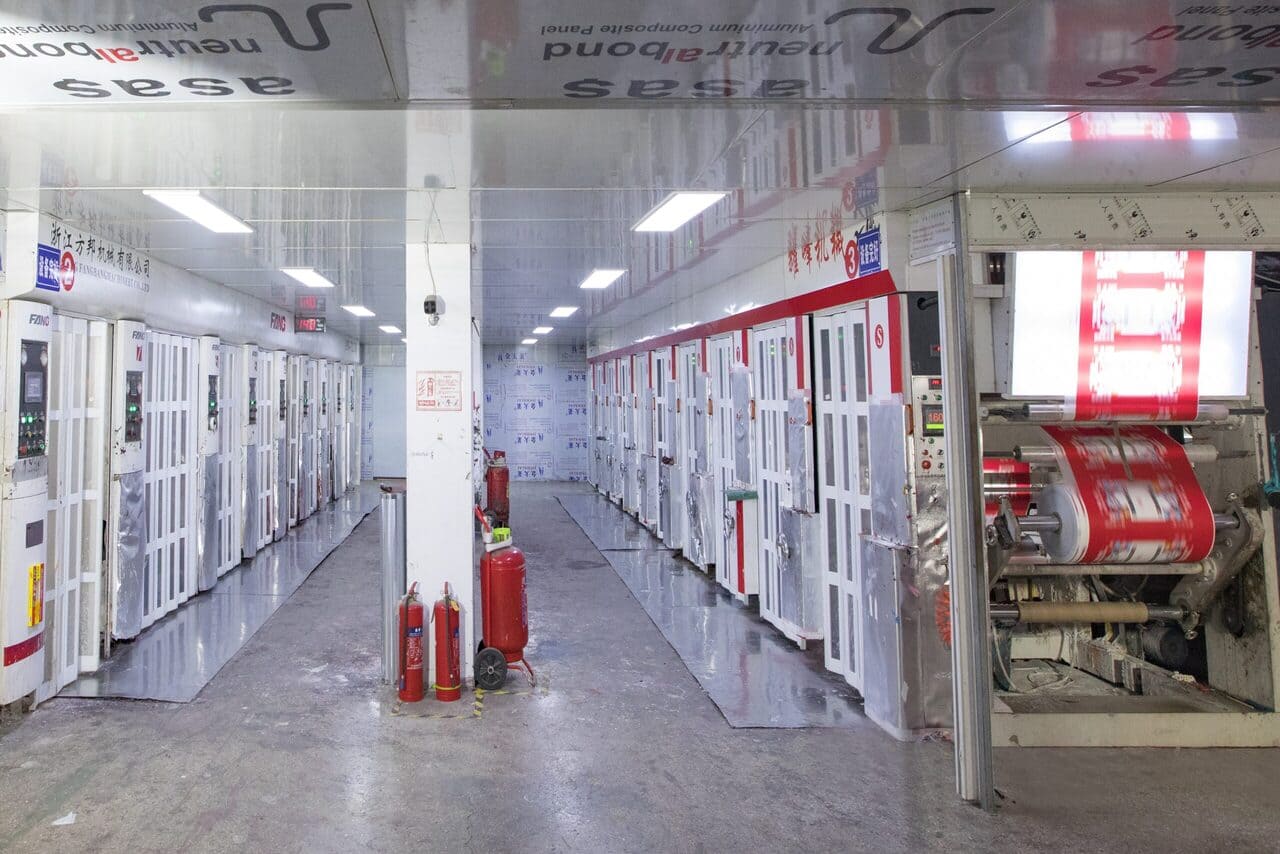
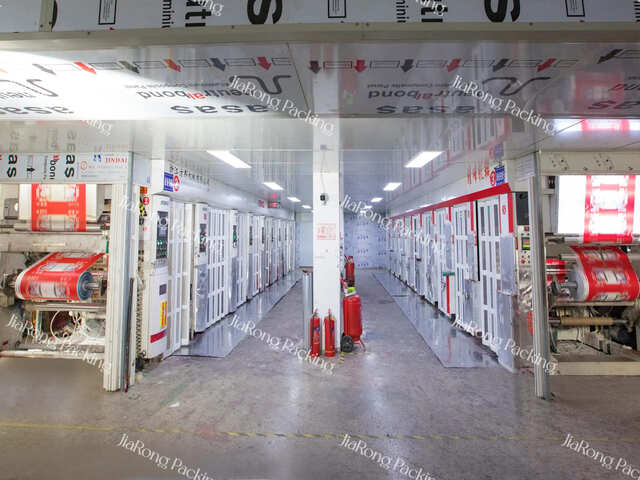
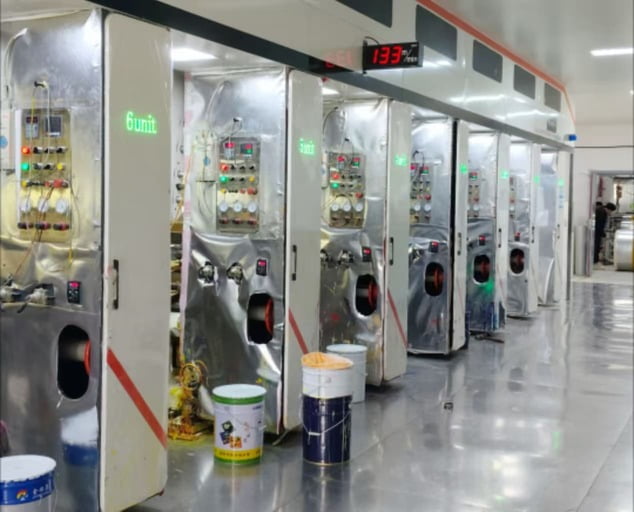
  • Gravure Printing — used for high-volume production with full-color artwork; supports consistent color output across large orders and is suitable for retail chain packaging programs
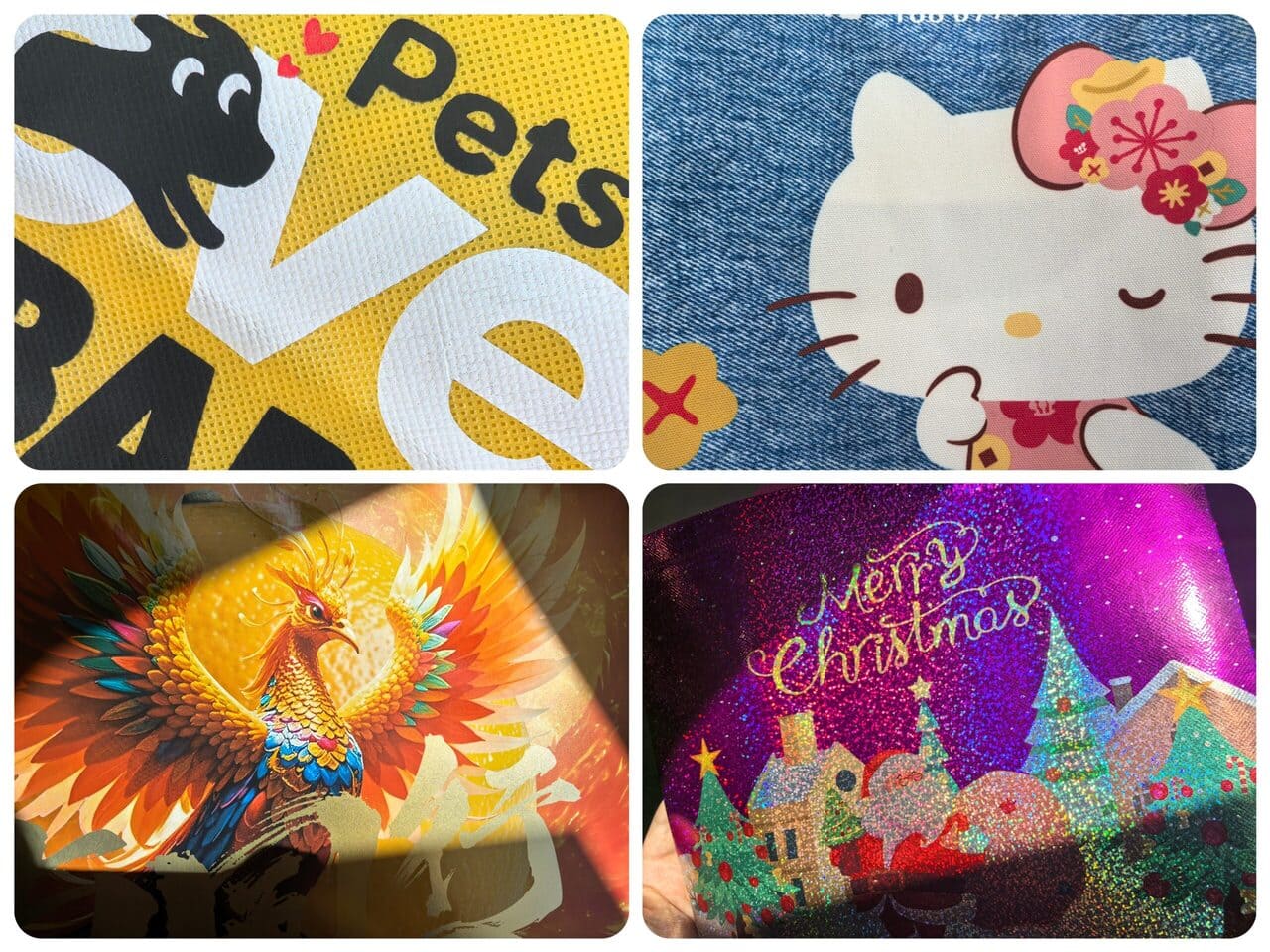
  • Heat Transfer Printing — suitable for detailed graphics and gradient designs; applied with controlled positioning after lamination for flexible design requirements
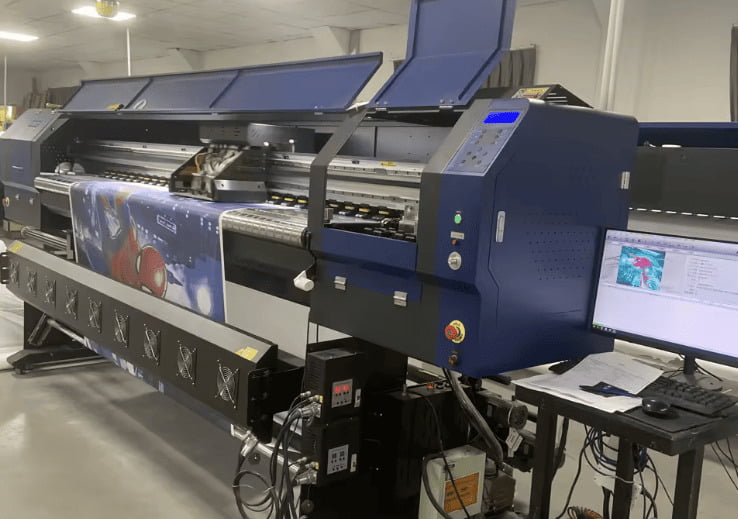
  • Digital Printing — used for sampling, small batches, or multi-version artwork; allows flexible adjustment without plate making and helps shorten pre-production time
Screen Printing machine
Screen Printing
Gravure printing machine
Gravure Printing
Heat transfer printed bag
Heat Transfer
Digital printed bag
Digital Printing
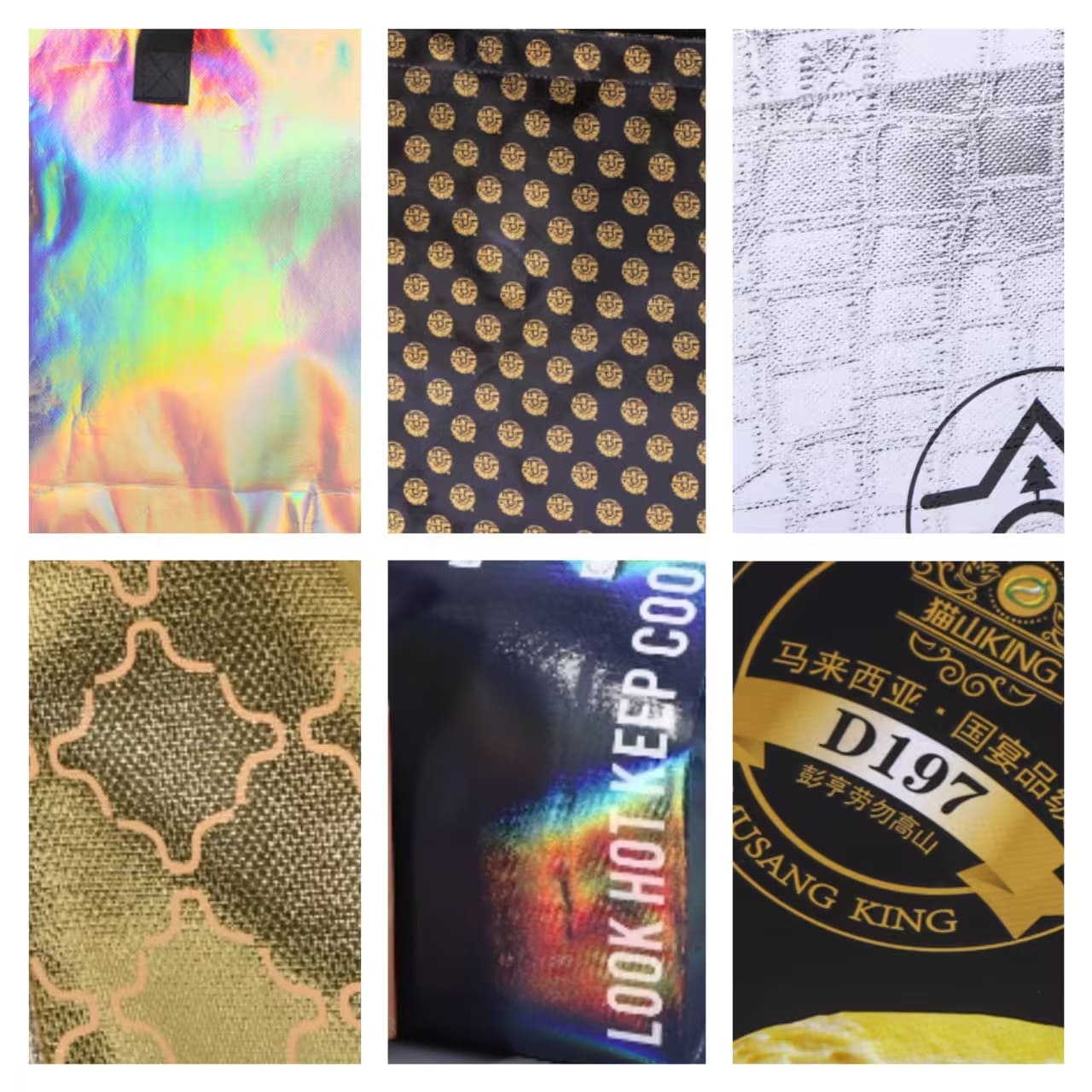
Insulated bag special process treatments
Special Processes

Special Process Treatments

Beyond standard construction, our insulated bags can be enhanced with a range of specialized process treatments to improve performance, aesthetics, and brand appeal. These finishing techniques are applied during or after production to meet specific functional requirements and elevate the overall quality of the final product.

  • Spot UV -- a high-gloss ultraviolet coating is selectively applied to specific areas of the printed surface, creating a striking contrast between matte and glossy finishes that highlights logos, patterns, or key design elements.
  • Gold / Silver Foiling -- metallic foil in gold, silver, or custom colors is heat-pressed onto the bag surface, delivering a premium lustrous finish that elevates brand perception and is ideal for luxury retail and gift packaging.
  • Embossing -- a custom die is used to press raised or recessed relief patterns into the bag surface, adding a tactile three-dimensional texture that enhances visual depth and reinforces a premium brand identity.
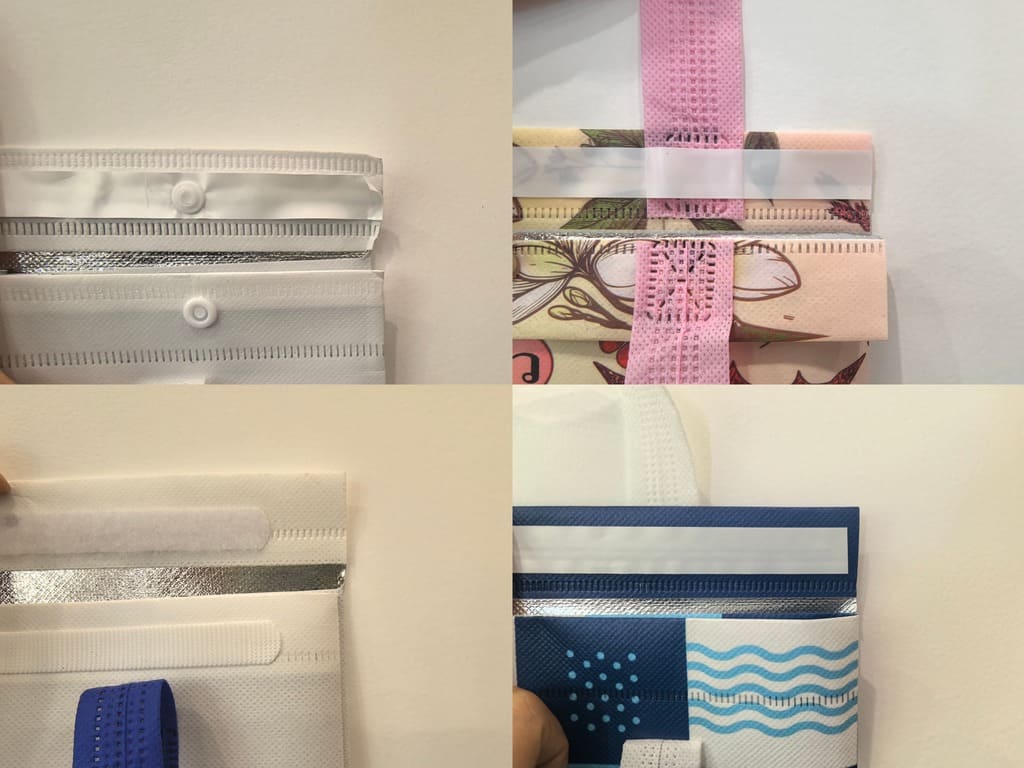
Closure method customization options for insulated bags
Closure Customization

Closure Method Options

The closure method plays a critical role in both the functionality and user experience of an insulated bag. We offer a wide range of customizable closure solutions to suit different use cases, load requirements, and brand aesthetics -- ensuring your bag is as practical as it is appealing.

  • Velcro (Hook & Loop) Closure -- a soft yet firm hook-and-loop fastener is sewn across the top flap, offering quick one-hand access while maintaining a clean, flat profile -- well suited for promotional totes and lightweight insulated carriers.
  • Snap Button -- standard press studs are securely stitched onto the fabric, providing a reliable and straightforward open-and-close fastening solution that is widely used in everyday bags and practical retail packaging.
  • Self-Adhesive Closure -- featuring a self-adhesive sealing strip for quick and secure closure. Simply peel and press to seal, making it the most commonly used closure option for aluminum foil insulated bags.

Fast sampling  ·  Dedicated merchandiser  ·  24h response  ·  MOQ from 5,000 pcs

Your Custom Insulated Bag Supplier in China

Engineered for thermal performance, crafted for your brand -- directly from our factory in Wenzhou to customers worldwide.

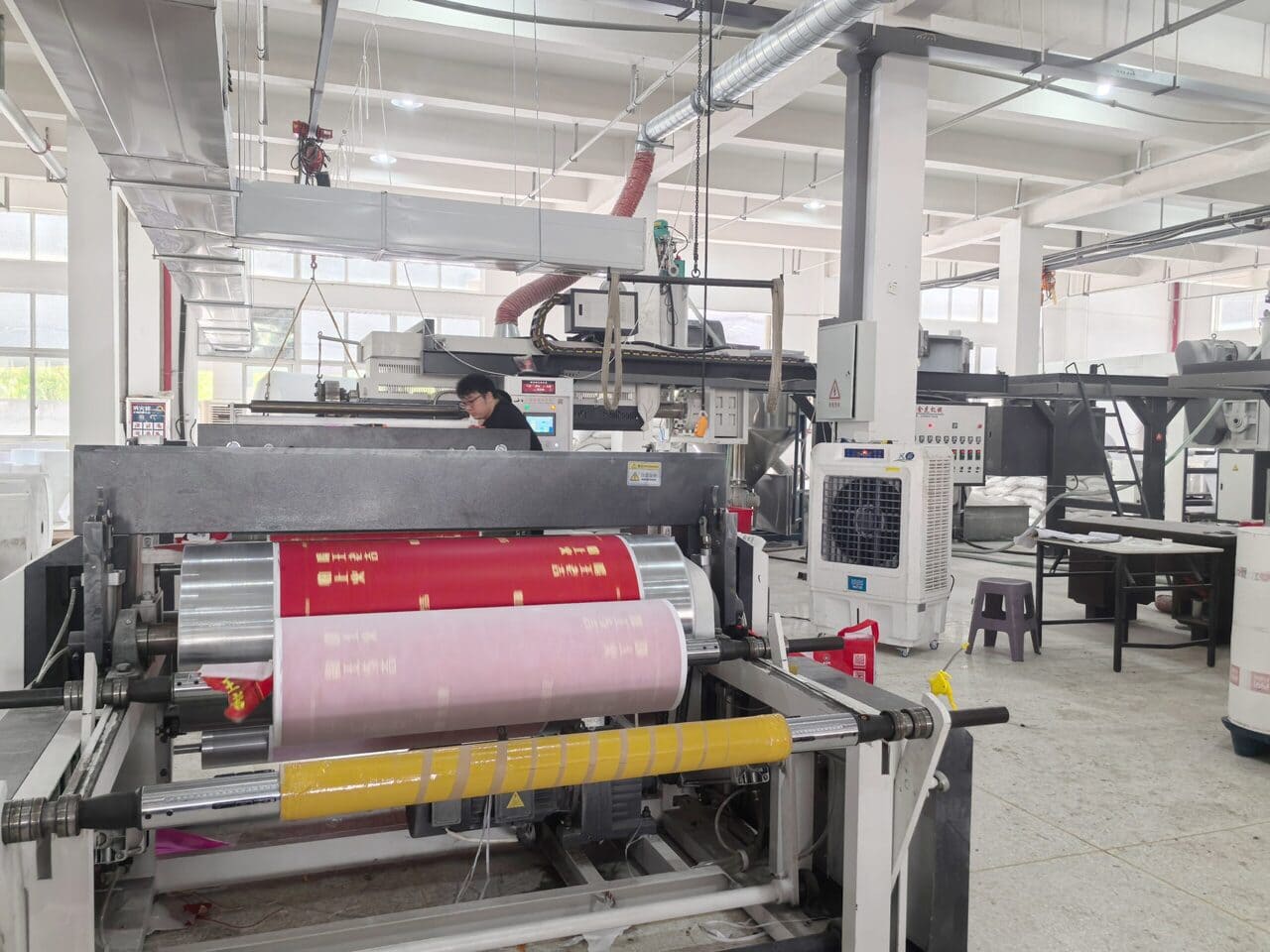
nonwoven aluminum foil insulated bag production
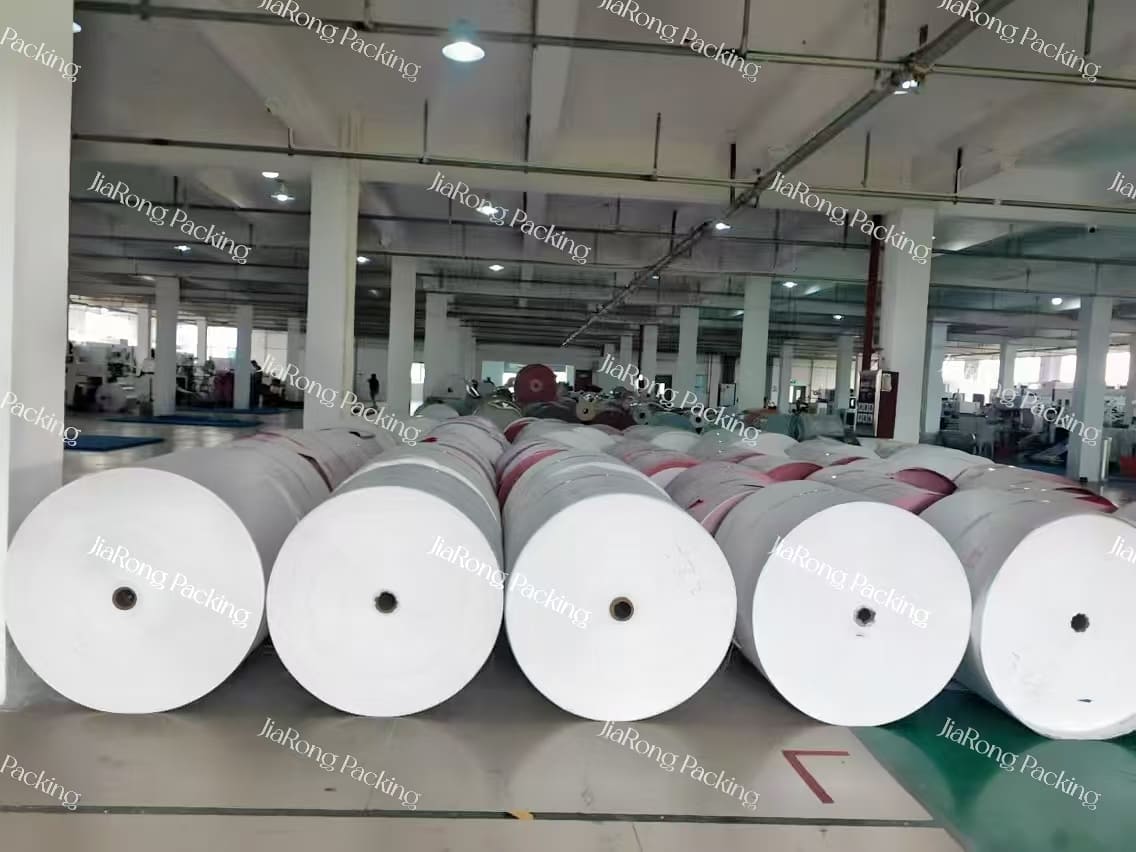
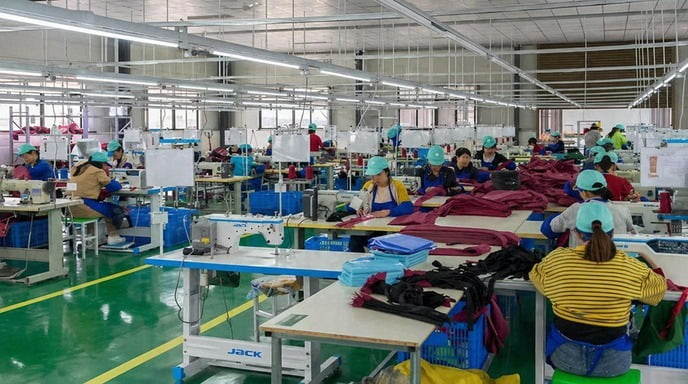
insulated bag factory workshop

Ecobaggo is a professional custom nonwoven aluminum foil insulated bag manufacturer in China, supplying wholesale promotional cooler bags for supermarkets, retail chains, food brands, beverage companies, restaurants, event organizers, and packaging distributors worldwide. Combining a lightweight nonwoven exterior with an aluminum foil thermal lining, these bags provide basic temperature retention while serving as an effective promotional and brand-marketing tool.

Designed primarily for retail promotions, advertising campaigns, corporate giveaways, seasonal events, and branded packaging programs, nonwoven aluminum foil insulated bags offer an economical and practical solution for businesses seeking both brand exposure and reusable packaging. The large printable surface allows logos, promotional graphics, and marketing messages to be displayed clearly, helping brands increase visibility beyond the point of sale.

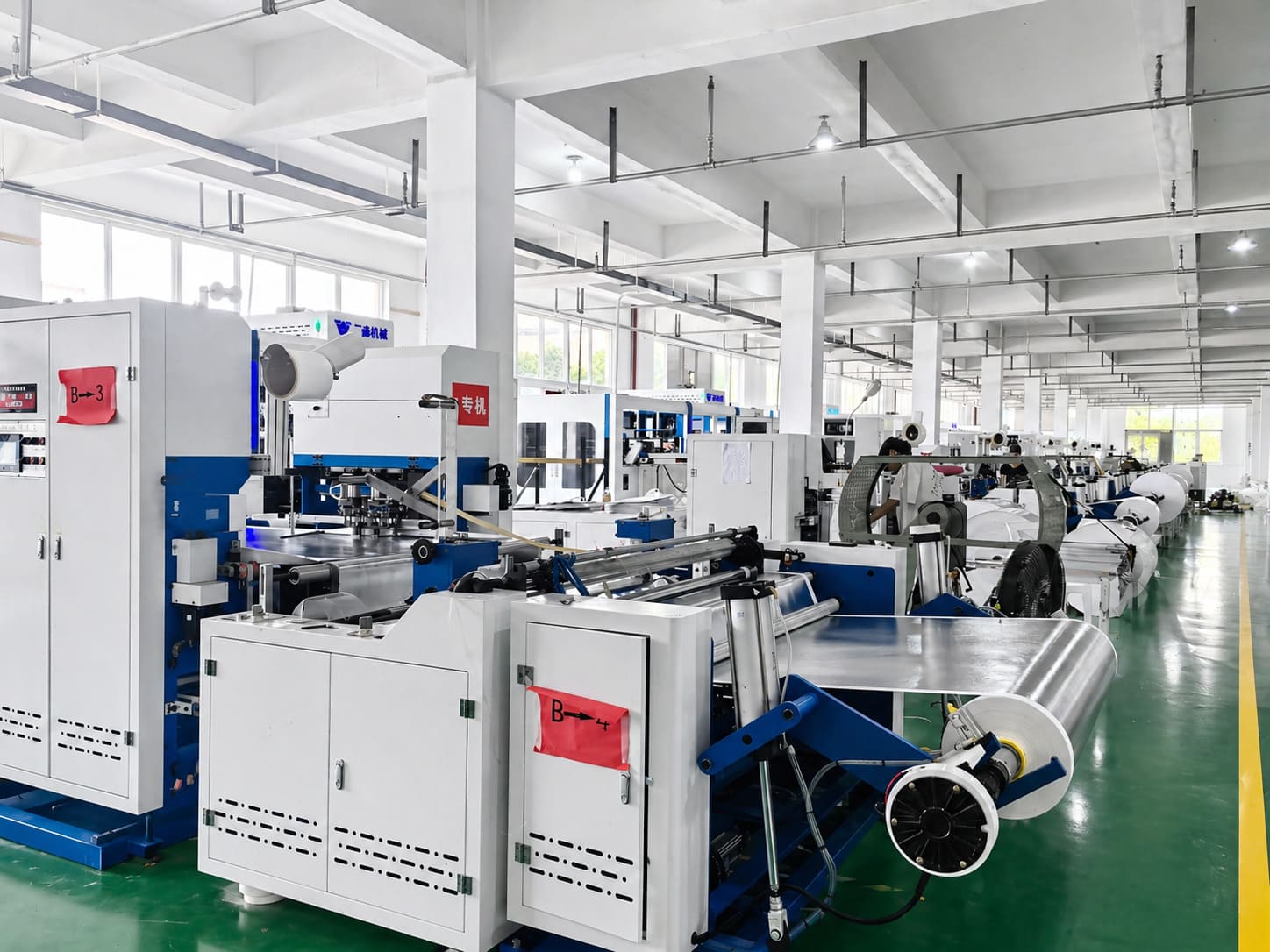
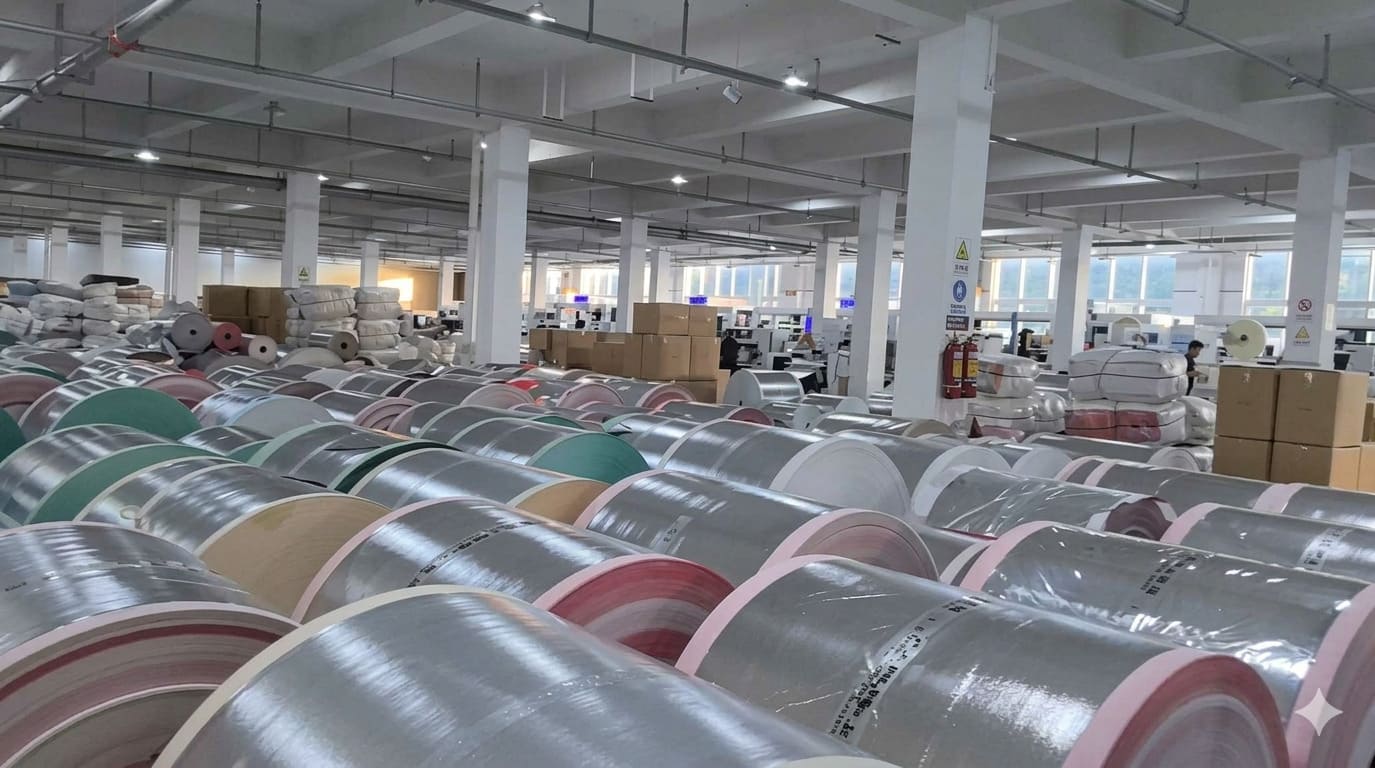
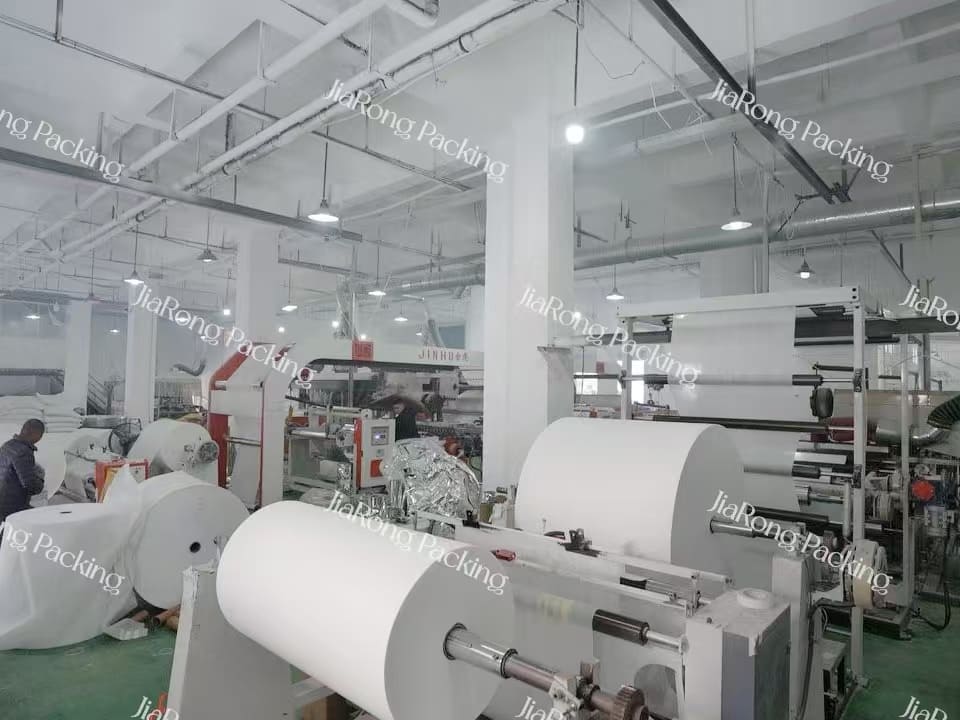
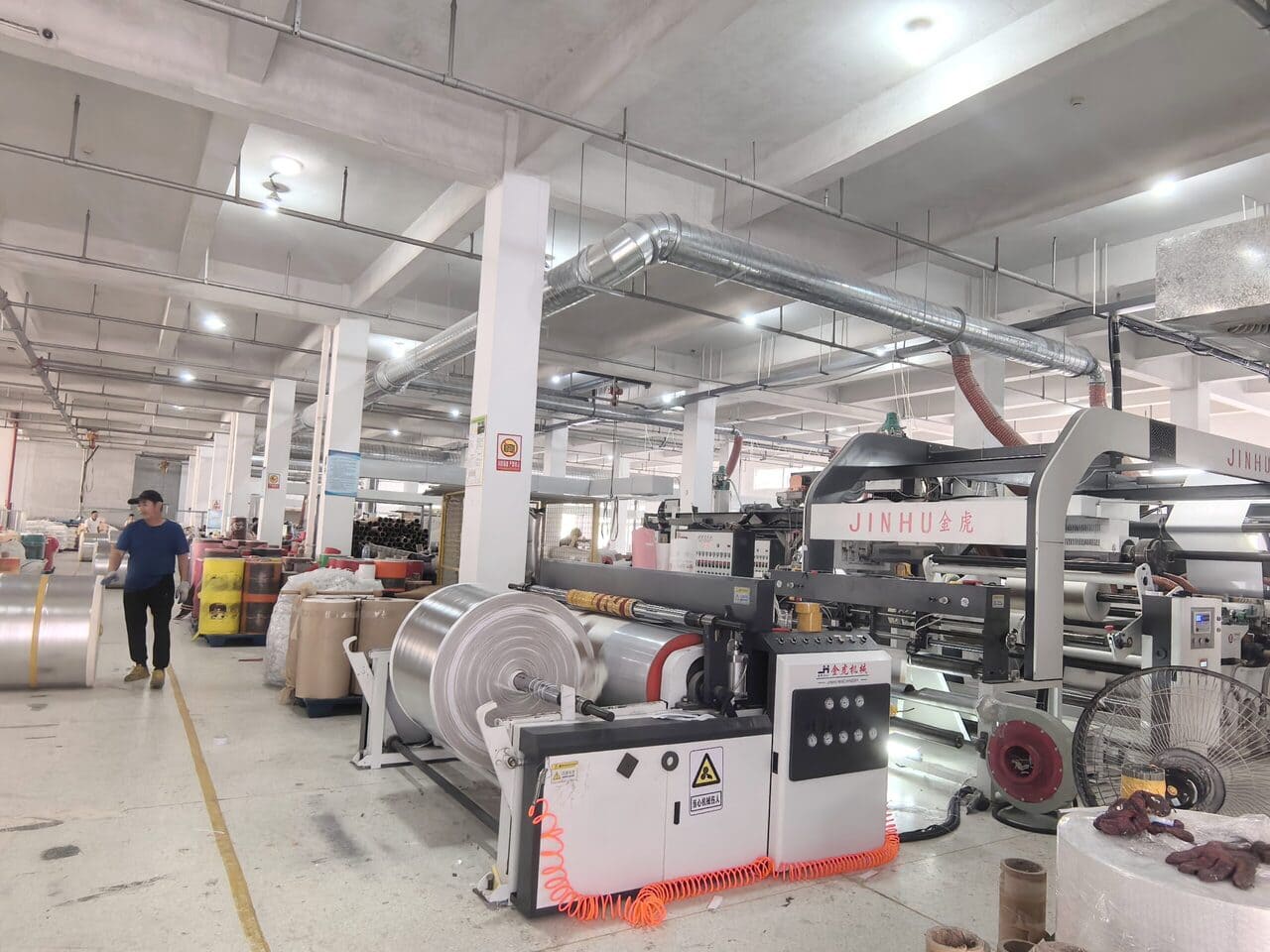
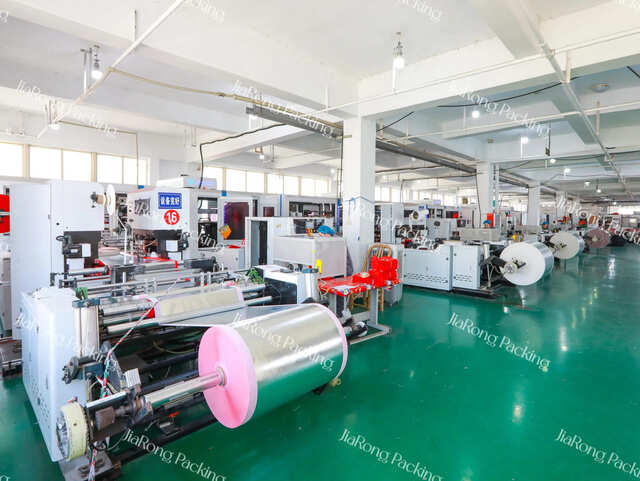
Our modern production facility operates advanced bag-making equipment and experienced production teams capable of handling large-volume wholesale orders. Our nonwoven aluminum foil insulated bags feature a laminated thermal structure combining a durable PP nonwoven outer layer with an aluminum foil lining, providing lightweight insulation while maintaining cost-effective production for promotional applications.

We offer a complete one-stop customization service, covering artwork preparation, material selection, structural design, sample development, printing, surface finishing, quality inspection, and international shipping. Available outer materials include PP nonwoven fabric, RPET nonwoven fabric, and laminated nonwoven fabric. Inner lining options include standard aluminum foil composites and reinforced EPE foam insulation structures. Closure options can be customized with hook-and-loop fasteners, snap buttons, self-adhesive seals, or open-top designs to meet different promotional and packaging requirements.

These nonwoven aluminum foil insulated bags are widely used for supermarket campaigns, grocery shopping promotions, food and beverage marketing programs, retail packaging, trade show giveaways, meal delivery branding, and corporate promotional activities. Their lightweight construction, affordability, and reusable functionality make them particularly suitable for large-volume promotional distribution and branded packaging projects.

To support consistent brand presentation, printing can be customized through screen printing, heat transfer printing, and laminated printing processes with controlled color management. This helps ensure accurate logo reproduction and stable color performance across repeat orders, making these custom printed insulated bags ideal for retail promotions, marketing campaigns, and brand awareness programs.

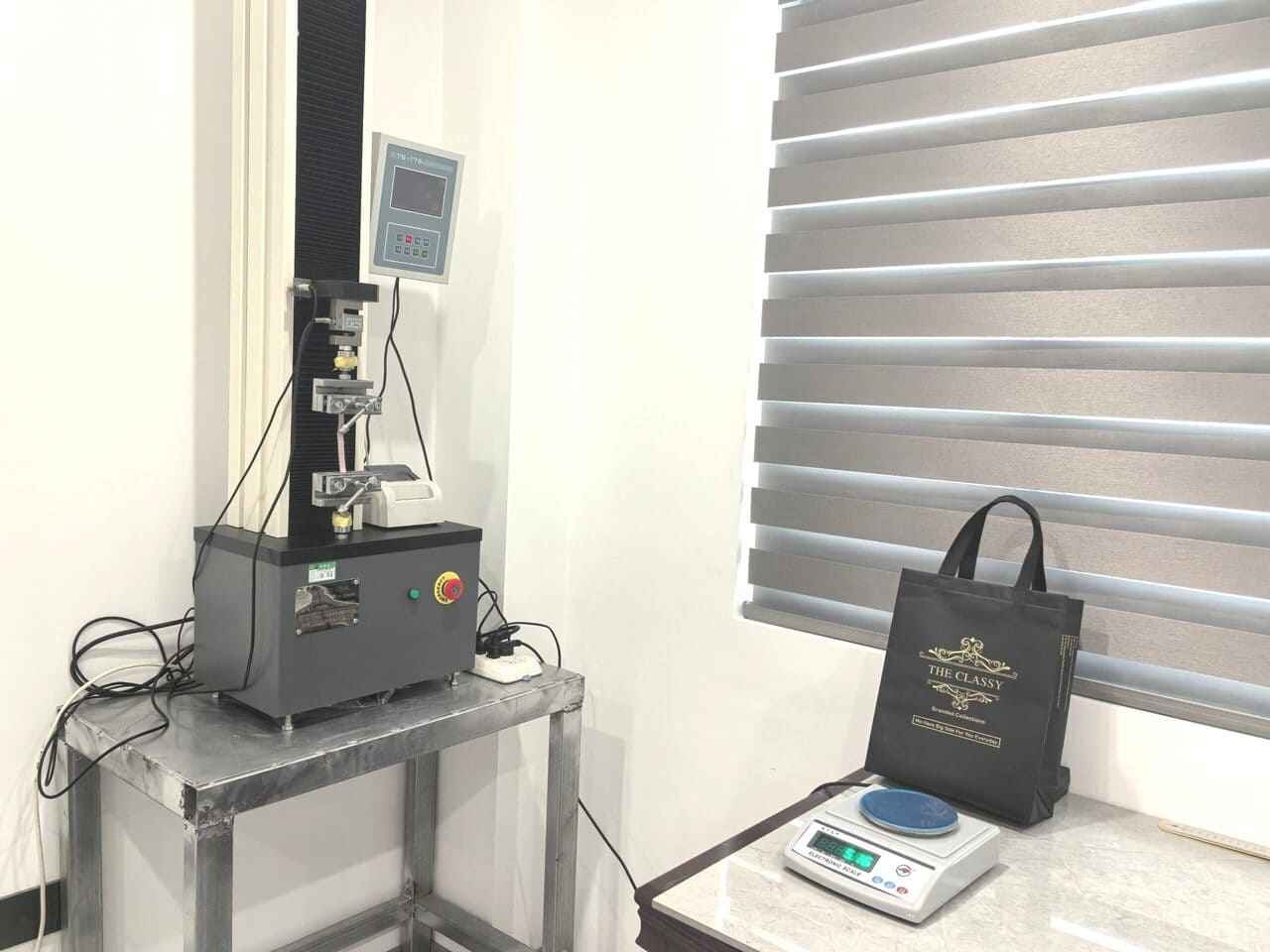
Quality control is integrated throughout production, including inspections of materials, printing quality, foil lamination, closure functionality, handle strength, and overall workmanship. Every order is manufactured according to approved specifications to ensure reliable quality, consistent appearance, and dependable performance.

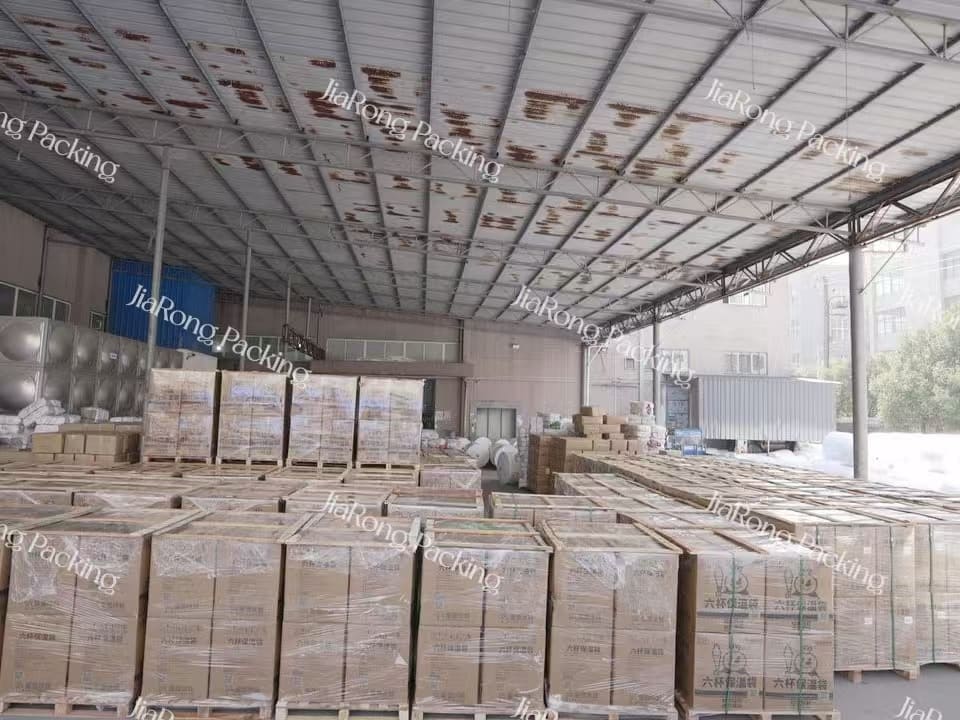
For international wholesale orders, insulated bags are packed flat or pre-formed, bundled in controlled quantities, and loaded into reinforced export cartons to help reduce moisture exposure, deformation, and transit damage during shipment. Supporting FOB, CIF, DDP, EXW, and other international trade terms, Ecobaggo provides dependable logistics solutions for customers worldwide.

As a direct factory with extensive export experience, Ecobaggo delivers competitive wholesale pricing, flexible customization options, stable production capacity, and professional project management from inquiry to delivery. By combining efficient manufacturing, strict quality control, and comprehensive customization capabilities, we help businesses source cost-effective promotional insulated bags that balance branding value, practical functionality, and large-scale distribution needs.
Trusted by Global Buyers

Over 10 years of experience serving wholesalers and distributors in 40+ countries worldwide.

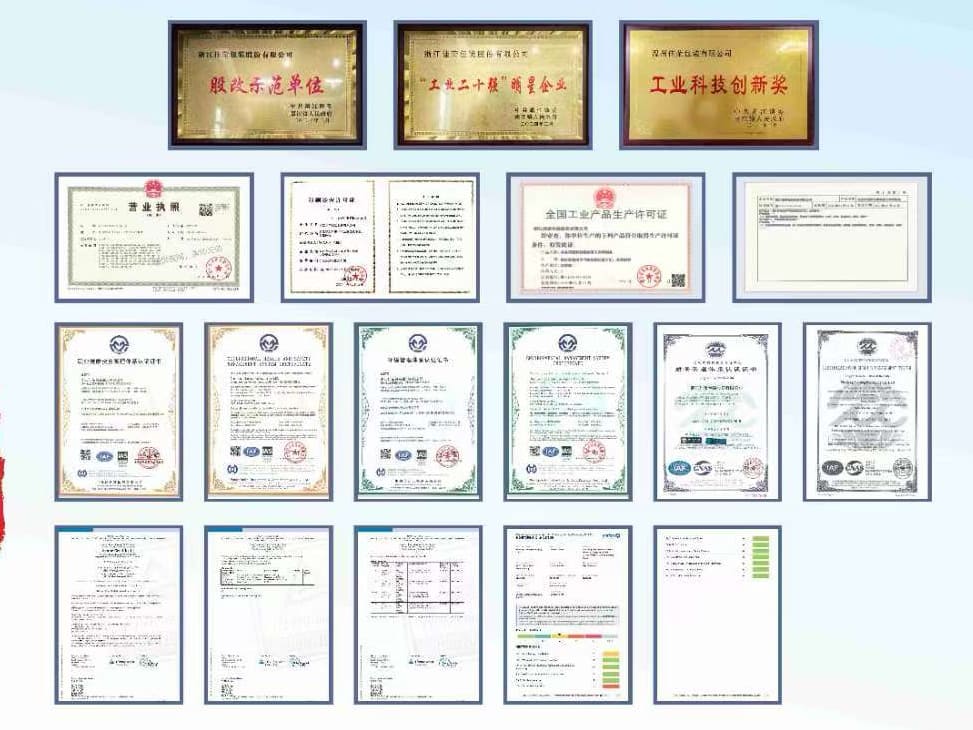
International Certifications

ISO 9001 Certificate

ISO 9001

Quality Management

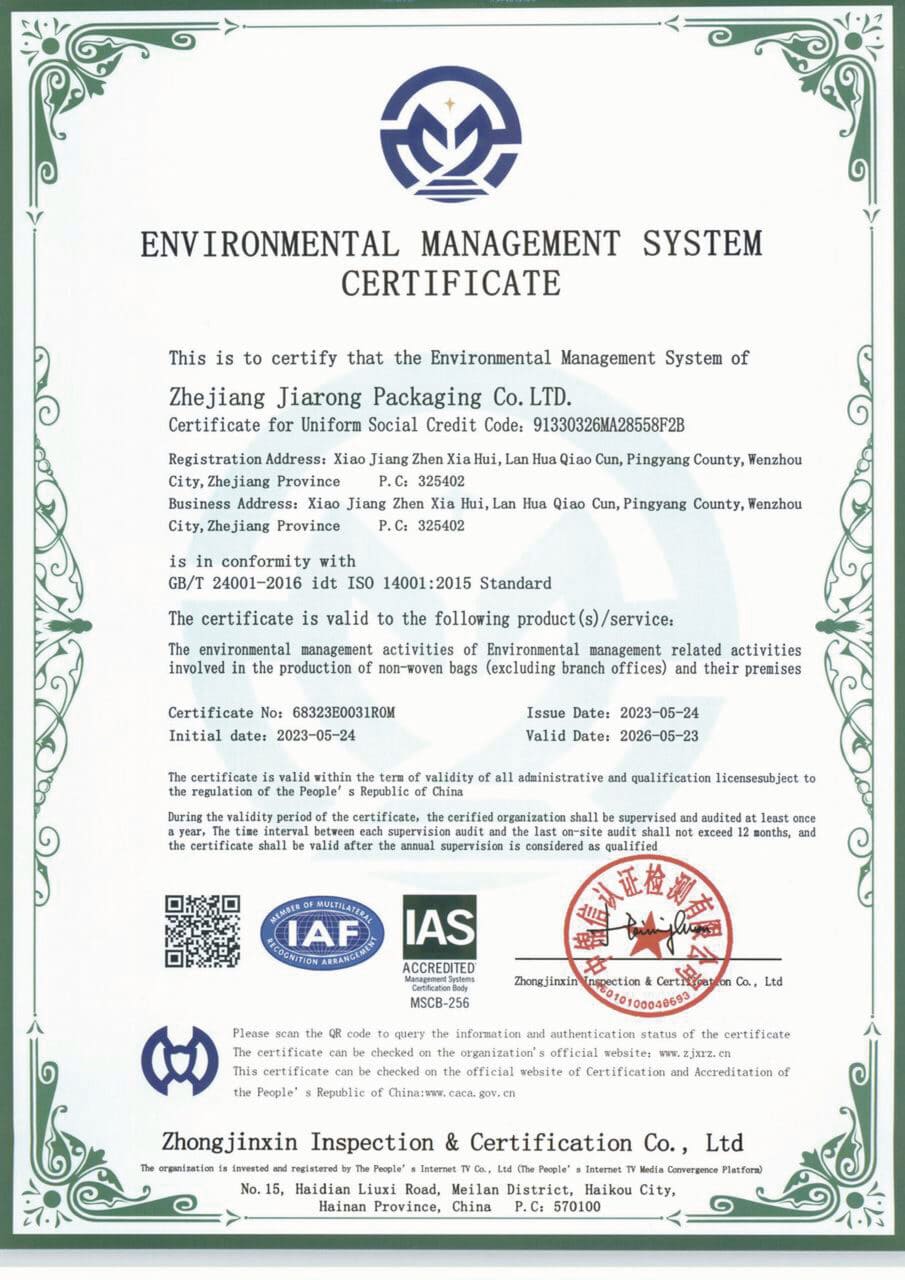
ISO 14001 Certificate

ISO 14001

Environmental Mgmt

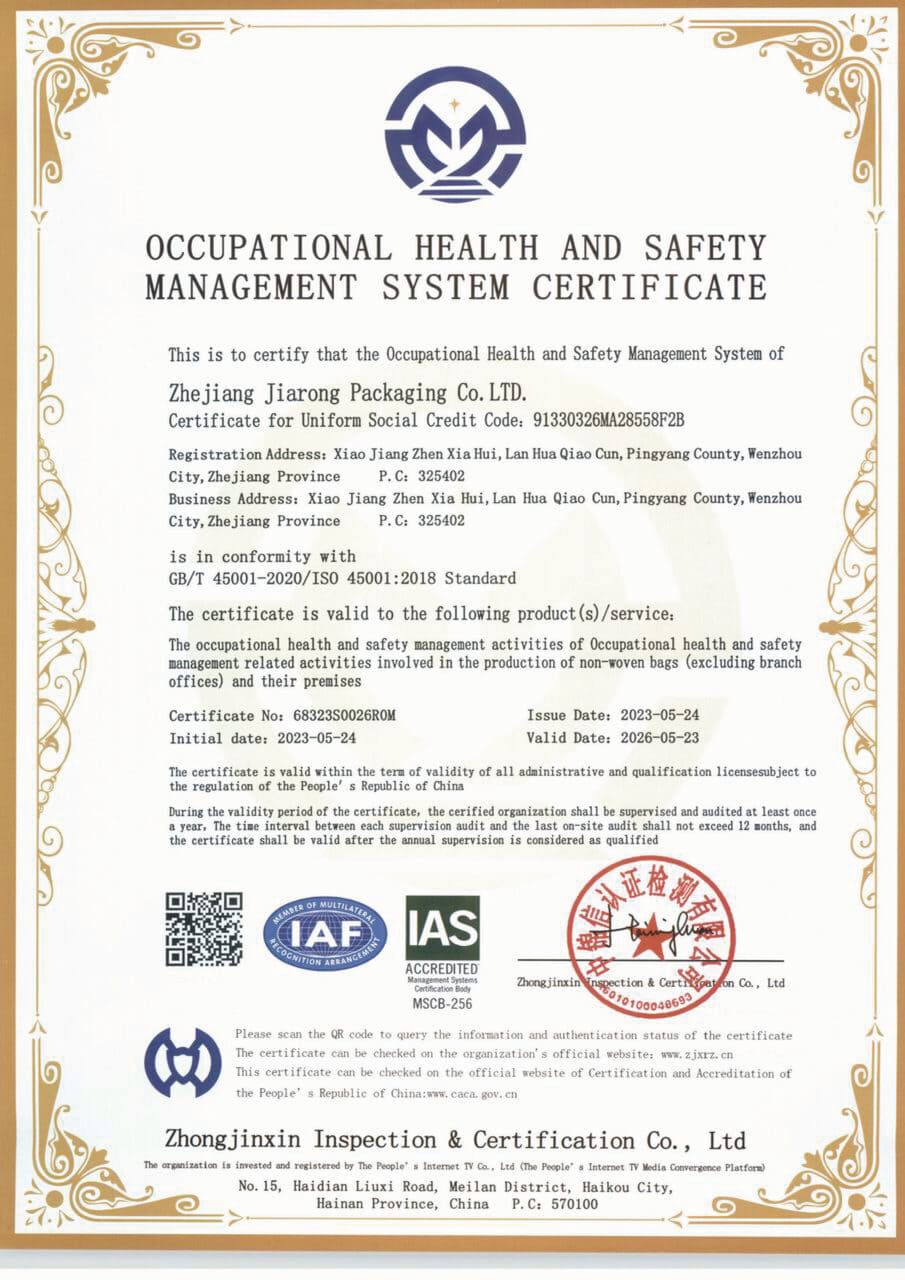
ISO 45001 Certificate

ISO 45001

Health & Safety

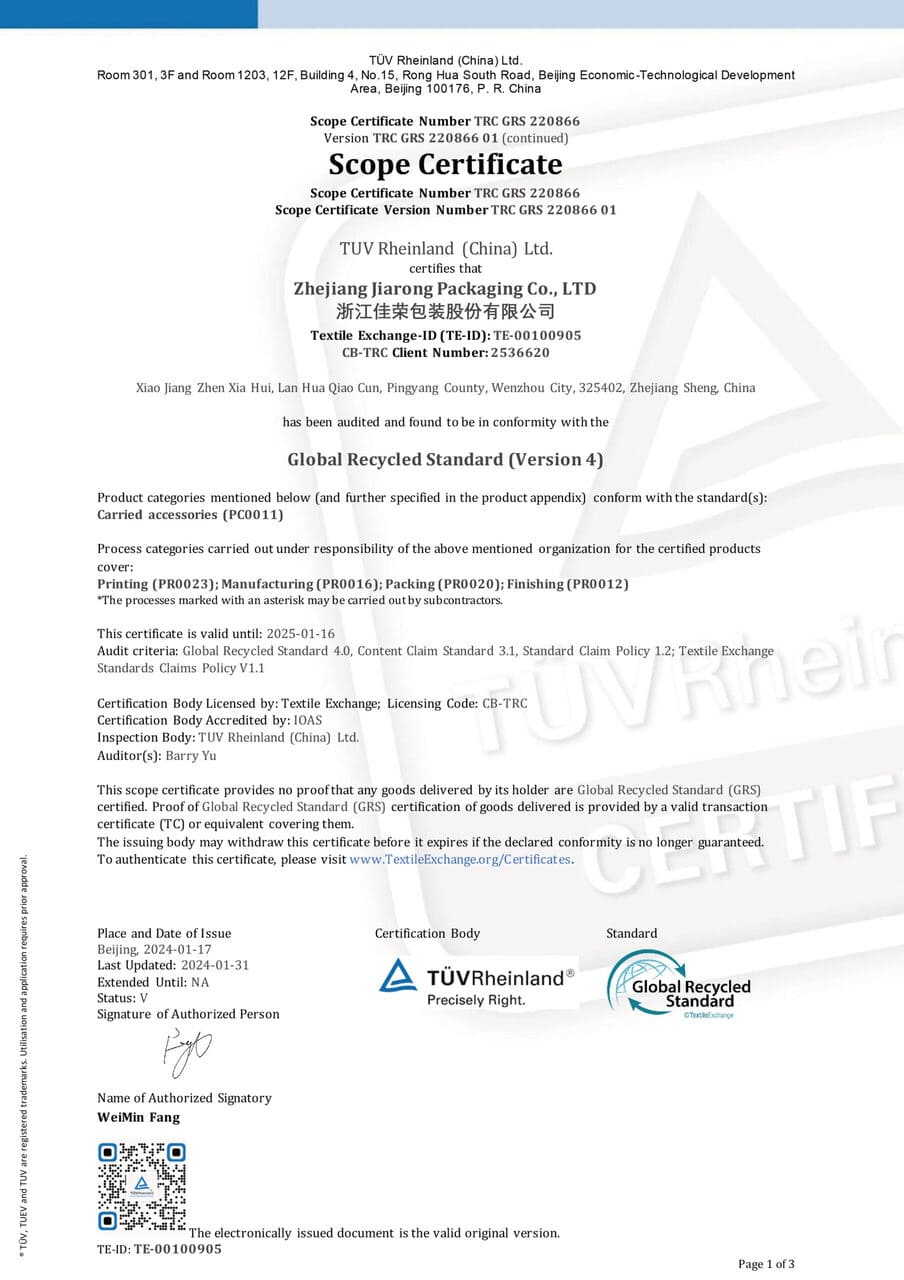
GRS Certificate

GRS

Recycled Material

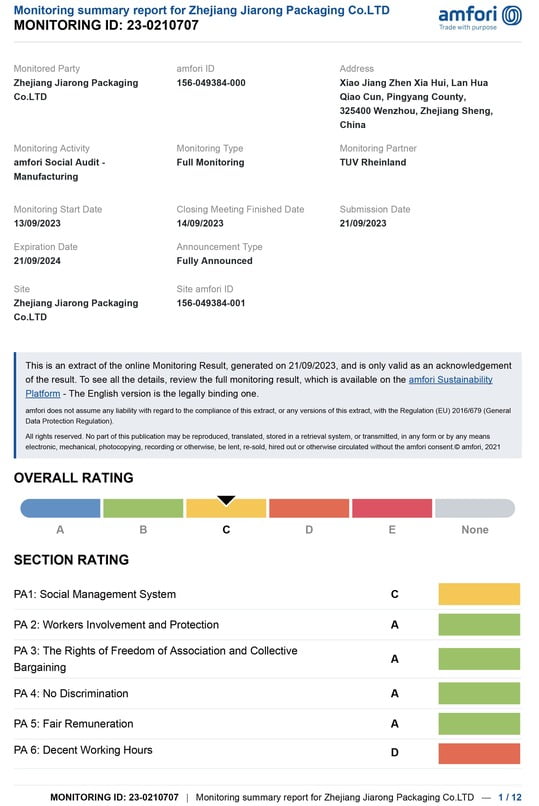
BSCI Certificate

BSCI

Social Compliance

Certified

Certified

Full Certifications Overview

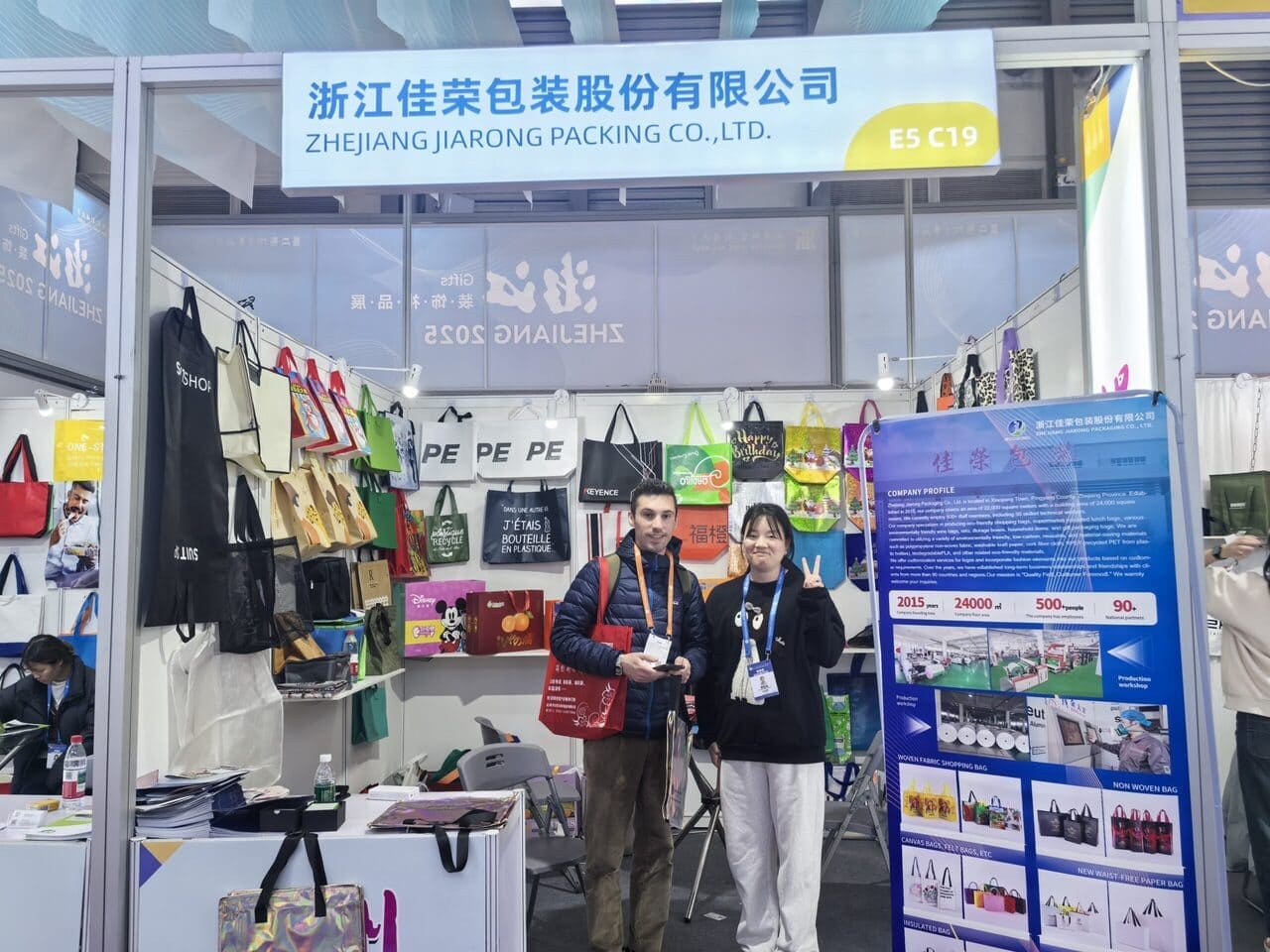
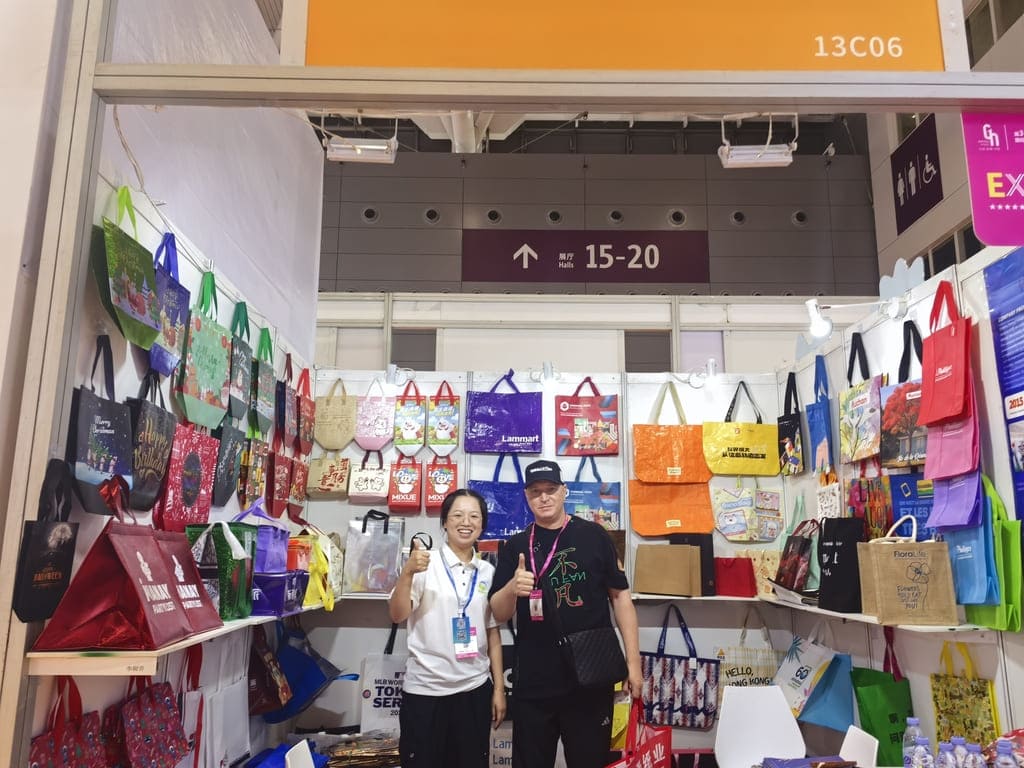
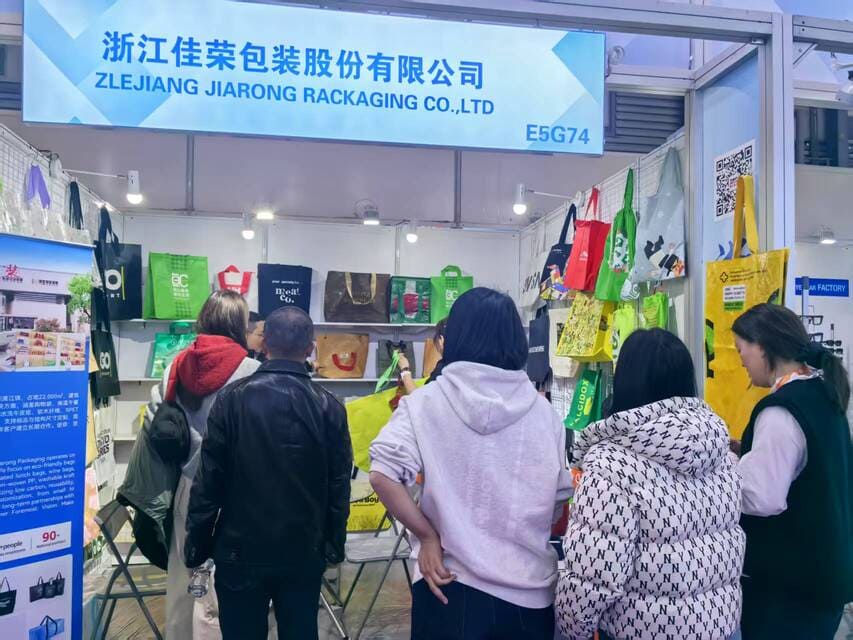
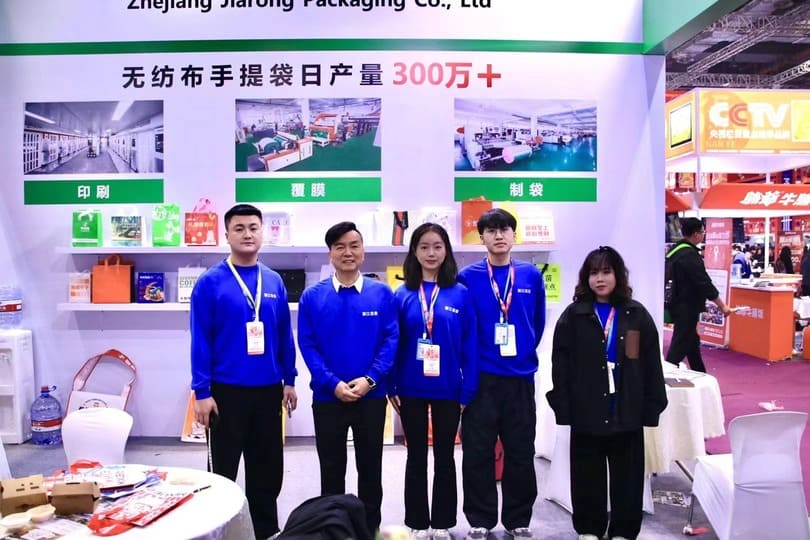
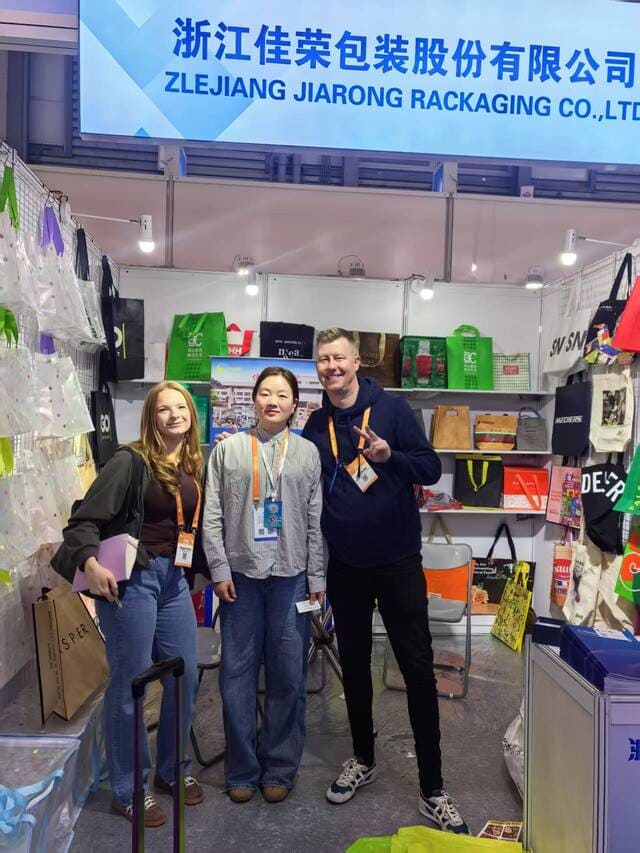
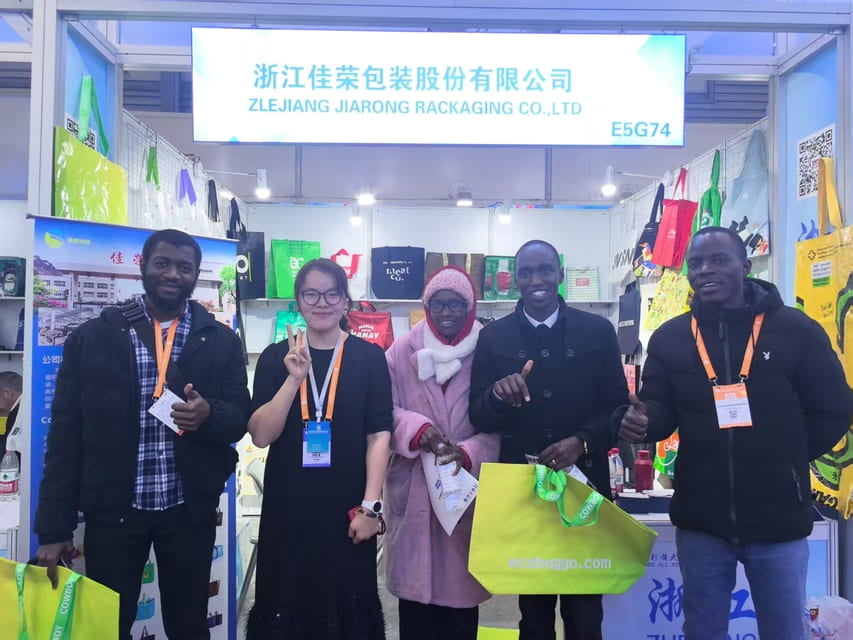
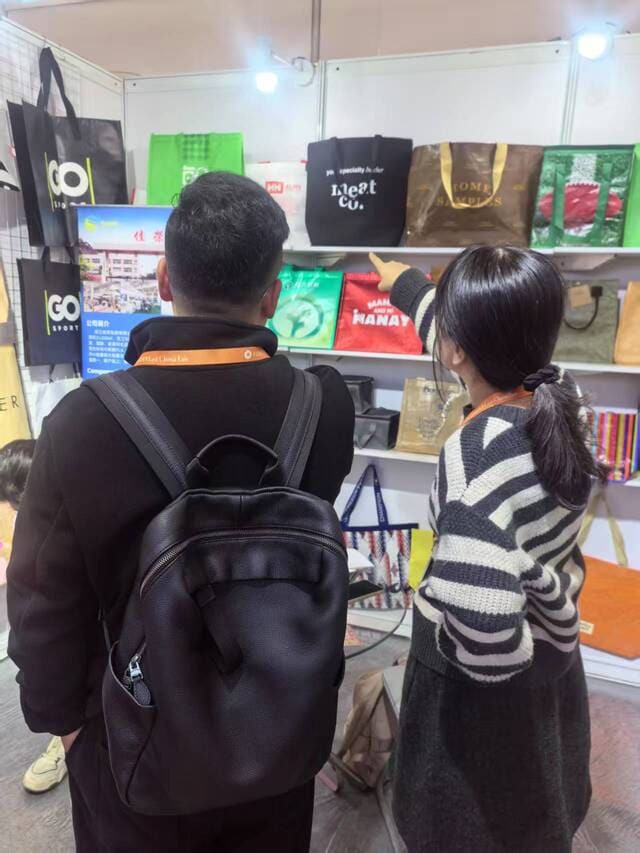
Trade Show Participation

East China Fair

East China Fair 2024

Trade Show in Yiwu

Trade Show in Yiwu

East China Fair 2026

East China Fair 2026

International Trade Show

International Trade Show

Photo with Clients

Photo with Clients

Client Group Photo

Client Group Photo

Product Presentation

Product Presentation

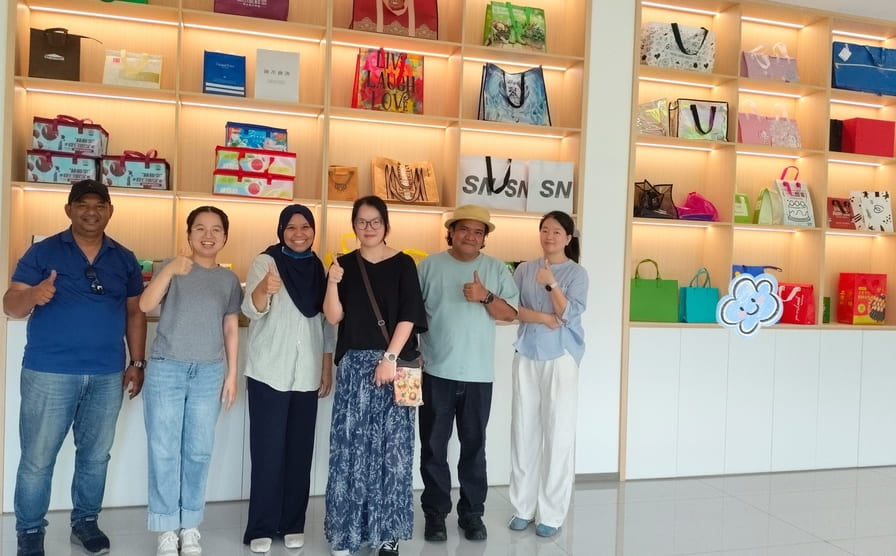
Client Factory Visit

Client Factory Visit

Inside Our Custom Insulated Bag Factory in China

Screen printing machine for insulated bags
High-speed printing machine for cooler bags
Digital printing on insulated bags
High-speed printing machine
Printing-workshop
Digital printing on insulated bags
Branding & Design

What Factors Affect the Brand Image and Display Effect of Nonwoven Insulated Cooler Bags?

A nonwoven insulated cooler bag is more than functional packaging. It influences how customers perceive a brand, reinforces product quality, and continues generating brand exposure long after a purchase is made. The right combination of materials, thermal lining, printing, structure, and finishing can significantly enhance a bag's visual appeal, insulation performance, and overall brand impact.

1. Nonwoven Fabric Weight and Quality

Fabric selection is one of the most important factors affecting appearance and perceived quality. PP nonwoven fabric is the standard base material, available in a range of gsm weights. Heavier fabrics (80-120 gsm) provide greater rigidity, durability, and a more premium feel, while lighter weights are better suited to economical promotional applications. RPET nonwoven fabric, made from recycled plastic bottles, adds an eco-friendly credential that resonates strongly with sustainability-conscious markets.

2. Aluminum Foil Thermal Lining

The insulating performance of a cooler bag is primarily determined by its inner lining. Aluminum foil (alfoil) composite lining reflects heat and maintains internal temperature, making it the most common choice for food delivery, grocery, and pharmaceutical applications. EPE foam-backed alfoil lining provides superior insulation for extended temperature retention. The thickness and quality of the lining directly affect how long the bag can maintain cold or hot temperatures, which is a key purchasing consideration for buyers.

3. Printing Method and Colour Accuracy

The printing process directly influences how accurately logos, colours, and design elements are reproduced on nonwoven fabric. Lamination printing (heat-transfer lamination) is the most popular method, producing vibrant full-colour graphics on a smooth laminated surface. Screen printing is well suited to bold spot colours and simple logos. Heat transfer printing delivers high-definition photographic images. Consistent colour matching across production batches is essential for maintaining brand recognition.

4. Surface Lamination and Finishing

Surface finishes significantly influence both visual appeal and durability. Gloss lamination enhances colour vibrancy and creates a reflective, easy-to-clean surface. Matte lamination offers a more refined and sophisticated appearance. Soft-touch lamination adds a premium tactile quality. These finishes also improve the bag's resistance to moisture and abrasion, extending its usable lifespan and reinforcing the perception of quality.

5. Structural Design and Bag Shape

Bag dimensions and construction play an important role in both functionality and brand presentation. Wide-base designs provide stability for carrying groceries or food containers, while taller formats are ideal for wine bottles or beverage packaging. Reinforced side panels, structured bottoms, and internal dividers help improve load capacity and maintain bag shape during transport. Custom die-cut shapes and specialized structural designs can further enhance usability while creating a more distinctive branded appearance.

6. Handle Type and Material

Handles are both functional and decorative components. Nonwoven fabric handles are the standard choice for lightweight cooler bags. Reinforced stitched handles improve load-bearing capacity for heavier contents. Padded handles or wider webbing straps significantly improve carrying comfort for larger bags. Coordinating handle colours and materials with the overall bag design creates a more cohesive and professional brand presentation.

7. Closure System

The closure mechanism affects both insulation performance and user convenience. Self-adhesive closures provide a quick and secure seal, making them a popular choice for food delivery, takeaway, and temperature-sensitive packaging. Snap-button closures allow repeated opening and closing while helping keep contents protected during transport. Open-top designs with folded or reinforced edges are commonly used for promotional cooler bags and retail packaging where cost efficiency is a primary consideration.

8. Sustainability Credentials and Messaging

Environmental responsibility has become an important purchasing consideration in many markets. Nonwoven insulated cooler bags are inherently reusable, which is a strong sustainability advantage over single-use packaging. Highlighting features such as RPET fabric content, recyclable materials, or compliance with environmental standards can strengthen brand credibility. Sustainability messaging is most effective when incorporated subtly through certification marks or concise statements on the bag design.

Key Considerations at a Glance

  • Fabric weight: Select gsm levels that align with the bag's intended use and brand positioning.
  • Thermal lining: Match alfoil lining thickness to required insulation performance.
  • Printing quality: Maintain consistent colour reproduction for stronger brand recognition.
  • Surface finish: Choose lamination options that support the desired visual and tactile experience.
  • Bag structure: Ensure the design balances appearance, durability, and carrying functionality.
  • Sustainability: Clearly communicate reusability and eco-friendly material attributes.

By carefully combining fabric quality, thermal lining, printing techniques, finishing options, structural design, and sustainability features, businesses can create nonwoven insulated cooler bags that not only perform reliably but also strengthen brand recognition and enhance the customer experience.

Production Process

How Are Custom Nonwoven Insulated Cooler Bags Made?

Custom nonwoven insulated cooler bags are manufactured through a step-by-step process that includes fabric preparation, printing, thermal lining assembly, bag forming, handle attachment, and quality inspection. Each stage affects the final bag's appearance, insulation performance, and durability, making proper production control essential for consistent results.

Step 1 -- Fabric Selection and Preparation

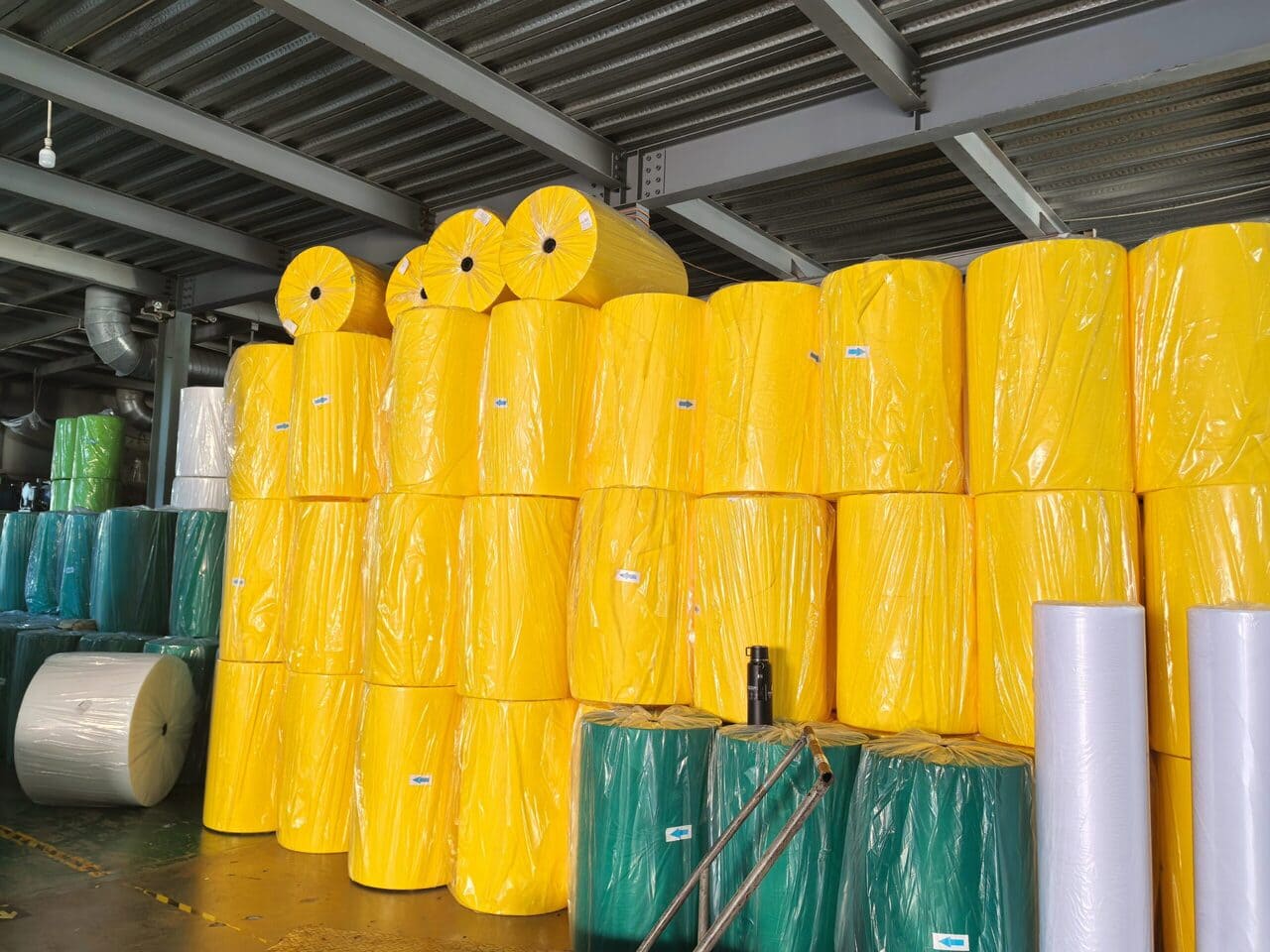
Production begins with selecting the appropriate nonwoven fabric based on the bag's intended application, weight requirements, and desired appearance. Common options include PP nonwoven fabric (60-120 gsm), RPET nonwoven fabric, and laminated nonwoven fabric. Fabric rolls are inspected for gsm consistency, colour uniformity, surface quality, and tensile strength before entering production.

Step 2 -- Printing

Once the fabric is prepared, artwork is printed according to the approved design files. The printing method is selected based on artwork complexity, order quantity, material type, and budget requirements.

Printing Method Typical Application Suitable Order Size
Screen Printing Solid logos, simple graphics, and spot-colour artwork Medium to large orders
Gravure Printing Full-colour designs on laminated nonwoven materials Large-volume orders
Digital Printing Sampling and short-run customised artwork Small orders

Step 3 -- Thermal Lining Cutting and Preparation

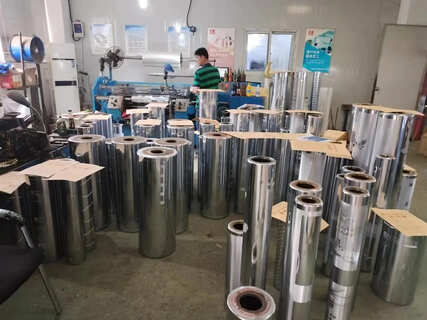
The aluminum foil thermal lining is cut to the required dimensions for the bag interior. Common constructions include aluminum foil with EPE foam for enhanced insulation, aluminum foil with PEVA film for lightweight applications, and plain aluminum foil laminate for economical cooler bags. Lining materials are inspected for thickness consistency, bonding quality, and overall appearance before assembly.

Step 4 -- Bag Panel Cutting

After printing, the nonwoven material is cut into the required panel shapes using automatic cutting or die-cutting equipment. Accurate cutting helps ensure consistent bag dimensions, smooth assembly, and a clean finished appearance.

Step 5 -- Bag Assembly

The outer nonwoven panels and inner thermal lining are assembled according to the approved bag structure. Depending on the design, bag bodies may be formed through sewing, heat sealing, or ultrasonic bonding. Side panels, bottoms, and reinforcement areas are carefully joined to ensure dimensional consistency, load capacity, and overall durability.

Step 6 -- Handle and Closure Attachment

Once the bag body has been formed, handles and closure systems are attached according to the selected design requirements.

  • Nonwoven Fabric Handles: Economical and widely used for promotional and retail cooler bags.
  • Webbing Handles: Provide improved strength and comfort for heavier loads.
  • Self-Adhesive Closure: A peel-and-seal adhesive strip provides fast and secure closure for food delivery and takeaway applications.
  • Snap-Button Closure: Allows convenient repeated opening and closing while helping keep contents protected during transport.

Step 7 -- Quality Inspection and Packing

Quality checks are carried out throughout production to verify material quality, print accuracy, lining integrity, assembly quality, dimensions, and overall appearance. Approved products are counted, folded flat, and packed into export cartons according to customer requirements before shipment.

Customisation Tips

Custom Nonwoven Insulated Cooler Bag Design Tips

A well-designed custom nonwoven insulated cooler bag combines visual appeal with practical thermal functionality. Colour selection, logo placement, typography, and information layout all contribute to how effectively a cooler bag represents a brand and communicates with customers.

1. Consider Fabric Surface When Choosing Colours

Colour appearance is influenced by the nonwoven fabric and surface treatment. Laminated nonwoven fabric provides a smooth surface that allows for accurate colour reproduction and vibrant graphics, similar to coated paper. Unlaminated nonwoven fabric has a more textured surface that works best with bold, high-contrast colours. Choosing colours that complement the fabric surface treatment helps improve visibility and overall presentation.

2. Optimise Logo Placement for Brand Recognition

Logo placement has a direct impact on brand visibility and recognition. Positioning the logo prominently on the main front panel helps customers identify the brand quickly. Important design elements should be kept away from seams, handles, and bag edges to maintain a clean and professional appearance. The large surface area of insulated cooler bags provides an excellent opportunity for impactful branding.

3. Use Clear and Readable Typography

Typography should support the brand image while remaining easy to read. Appropriate font sizes, balanced spacing, and a limited number of font styles help improve readability and create a more consistent visual identity across different bag formats and sizes.

4. Include Essential Business Information

A nonwoven insulated cooler bag can serve as an effective long-term marketing tool when it includes useful business information. Common elements include:

  • Company website
  • Social media accounts
  • Contact information
  • QR codes
  • Brand slogan or sustainability message

Because insulated cooler bags are reused frequently for grocery shopping, food delivery, and outdoor activities, these details continue generating brand impressions long after the initial purchase.

5. Keep the Layout Clean and Organised

Too much text, excessive graphics, or an overcrowded layout can reduce visual impact. A clean design with a clear visual hierarchy allows the logo, brand name, and key information to stand out while maintaining a professional appearance across all visible panels of the bag.

6. Highlight Thermal and Eco-Friendly Features

Communicating the bag's insulation performance and sustainability credentials directly on the bag design adds practical value and reinforces brand positioning. Brief statements such as "Keeps Food Fresh for 4+ Hours" or "Made from Recycled Materials" can strengthen customer confidence and differentiate the product in competitive markets.

7. Maintain Consistent Branding

Colours, fonts, and graphic elements should be consistent with other marketing materials, websites, and packaging products. Consistent branding strengthens recognition and helps create a more memorable customer experience across every interaction with the brand.

Key Takeaways

  • Choose colours that work with the selected nonwoven fabric surface treatment.
  • Place logos prominently on the main panel to improve brand recognition.
  • Use clear and readable typography appropriate to the bag size.
  • Include important business information without overcrowding the design.
  • Highlight thermal performance and eco-friendly attributes where relevant.
  • Keep branding consistent across all customer touchpoints.

Send Inquiry

Reply within 24 hours.

Attachment

Sending...

Request Your Free Custom Quote

Tell us about your nonwoven aluminum foil insulated bag requirements and we'll get back to you within 24 hours with a detailed quote.

Sending...

By submitting this form, you agree to our privacy policy. We respond within 24 hours on business days.

Frequently Asked Questions

What is the minimum order quantity (MOQ) for nonwoven aluminum foil insulated bags?
Our standard MOQ is 5,000 pcs per design. For first-time orders or trial runs, we offer flexibility — feel free to contact us to discuss your specific requirements.
How long is the production lead time for insulated bags?
Standard production lead time is 25–35 days, depending on order volume and customization complexity. Bags with multi-layer foil lining, special closure hardware, custom printing, or reinforced stitching may require additional time. Expedited production is available at an extra cost for urgent orders.
Can I get samples before placing a bulk order?
Yes! We provide stock insulated bag samples so you can evaluate nonwoven fabric weight, foil lining quality, insulation performance, stitching durability, and closure function (you cover shipping costs). For custom samples with your logo or branding — including screen printing, heat transfer, or lamination printing — a sample fee applies, which is fully refundable upon bulk order placement. Custom sample lead time is typically 7–10 days.
What customization options are available for nonwoven aluminum foil insulated bags?
We offer extensive customization: bag size & shape, nonwoven fabric weight (80-120 g/m²), aluminum foil lining thickness and layers, insulation foam padding, closure type (zipper, velcro, snap button), handle style (short carry, long shoulder, or both), and a full range of printing methods including screen printing, heat transfer printing, lamination printing, and digital printing. Custom colors, logo placement, interior pockets, gusset options, and branded hang tags can also be tailored to your needs.
What industries or use cases are nonwoven aluminum foil insulated bags best suited for?
Nonwoven aluminum foil insulated bags are ideal for grocery supermarkets, food delivery services, meal kit brands, seafood and frozen food retailers, pharmaceutical distributors, and catering companies. Their thermal retention capability makes them perfect for keeping food hot or cold during transport. They are also widely used as promotional giveaways, branded cooler totes, restaurant takeaway bags, and reusable shopping bags across food & beverage, retail, healthcare, and logistics sectors.
What are the payment terms?
Standard payment terms are T/T: 30% deposit upon order confirmation, with the 70% balance due before shipment. L/C is accepted for large-volume orders. Any price adjustments due to raw material (nonwoven fabric or aluminum foil) fluctuations will be communicated and negotiated with clients in advance.
What shipping methods and trade terms do you offer?
We support sea freight, air freight, and express delivery (DHL, FedEx, UPS). Available trade terms include FOB Wenzhou, CIF, and DDP. We partner with reliable freight forwarders and assist with customs clearance documentation. We ship nonwoven aluminum foil insulated bags to 40+ countries worldwide.
Are your nonwoven aluminum foil insulated bags eco-friendly?
Yes. Our insulated bags are constructed from PP nonwoven fabric and food-grade aluminum foil composite lining, making them reusable, durable, and a sustainable alternative to single-use plastic bags. We also offer RPET nonwoven fabric options for brands seeking a higher recycled-content solution. Our factory operates under ISO 14001 environmental management systems and is BSCI certified, ensuring ethical and sustainable manufacturing practices throughout our supply chain.