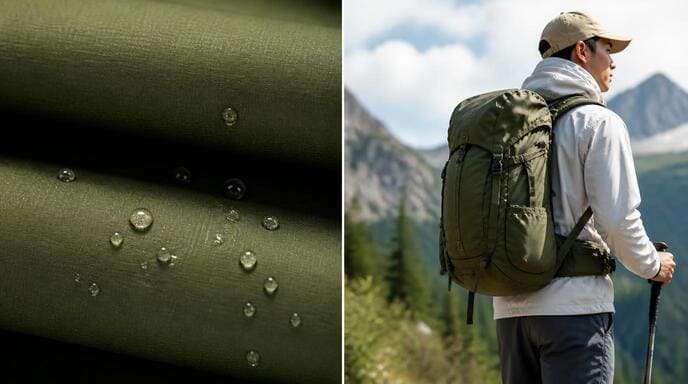
Nylon bags are widely used in backpacks, travel bags, outdoor equipment, and reusable promotional bags because nylon offers a strong combination of durability, abrasion resistance, lightweight performance, and long service life.
For many applications, nylon is an excellent material choice. However, durability is not the only factor buyers need to consider when selecting a bag material.
Different projects have different priorities. A company ordering thousands of promotional bags may focus on cost, while an outdoor brand may prioritize strength and performance.
Compared with other common bag materials, nylon also has several limitations that should be evaluated before making a final decision.
The main disadvantages of nylon bags include:
- Higher material cost compared with many basic fabrics
- Lower air permeability than some natural materials
- Limited environmental advantages of traditional nylon
- Less structure in lightweight designs
- More specific requirements for printing and customization
Understanding these limitations does not mean nylon is a poor material. Instead, it helps buyers select the right fabric based on the actual purpose of the bag.
Quick Overview: Nylon bags provide excellent durability and lightweight performance, but buyers should consider cost, breathability, sustainability, structure, and customization requirements before choosing nylon.
1. Nylon Bags Are More Expensive Than Many Common Bag Materials
One of the most important disadvantages of nylon bags is the higher material cost compared with many commonly used bag fabrics.
For bulk buyers, even a small difference in fabric price can significantly affect the final cost when ordering thousands of pieces.
Nylon is a performance-oriented synthetic fiber designed to provide:
- High tensile strength
- Excellent abrasion resistance
- Lightweight durability
- Good wear resistance
These advantages generally make nylon more expensive than simpler materials.
| Material | Typical Application | Cost Level |
|---|---|---|
| Non-woven PP | Promotional giveaways, shopping bags | Low |
| PP woven | Reusable shopping bags, packaging | Low-Medium |
| Polyester | Everyday backpacks and bags | Medium |
| Nylon | Outdoor bags, premium backpacks | Medium-High |
Nylon may not be the most economical option for:
- Large-scale giveaways
- Short-term promotional campaigns
- Low-cost packaging projects
However, the higher price can be worthwhile when the bag needs to handle frequent use, heavy loads, or demanding conditions.
The key question is not simply whether nylon is expensive, but whether its additional performance matches the intended application.
2. Nylon Bags Have Lower Air Permeability Than Some Natural Fabrics
Another limitation of nylon bags is lower breathability compared with many natural fabrics.
Materials such as cotton, canvas, and jute generally allow more air circulation because of their fiber and fabric structures.
Nylon, on the other hand, is mainly designed for:
- Strength
- Protection
- Lightweight performance
- Resistance to external conditions
Its relatively dense synthetic construction can limit airflow, particularly when coatings or laminated layers are added.
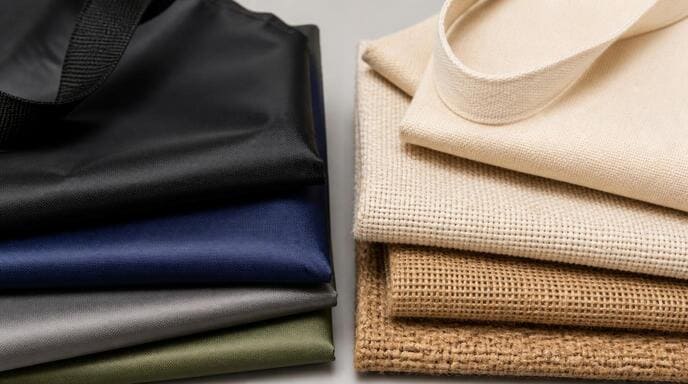
This may be a disadvantage for products that require ventilation, such as:
- Laundry bags
- Clothing storage bags
- Produce bags
For these applications, breathable materials such as cotton or jute may be more suitable.
However, lower breathability is not necessarily a problem for travel bags, backpacks, and outdoor bags. In these applications, protection from moisture and abrasion may be more important than airflow.
3. Traditional Nylon Bags Have Limited Environmental Advantages
Sustainability has become an important consideration for many brands and buyers.
Although nylon offers excellent durability, traditional nylon has several environmental limitations.
Petroleum-Based Raw Materials
Traditional nylon is produced from petrochemical feedstocks, meaning it relies on fossil-based raw materials.
Compared with renewable natural fibers such as jute, nylon has a greater dependence on non-renewable resources.
Limited Biodegradability
Traditional nylon is not biodegradable under normal environmental conditions.
At the end of its useful life, nylon generally requires appropriate waste management or recycling systems rather than natural decomposition.
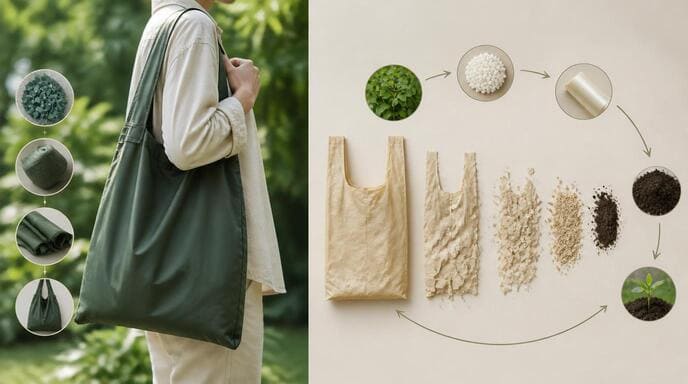
However, durability should also be considered when evaluating a bag's overall environmental impact.
A durable nylon bag that remains in use for many years may reduce the need for frequent replacement.
For brands seeking a stronger sustainability profile, alternatives include:
- Recycled nylon
- RPET polyester
- Cotton
- Jute
The best option depends on whether the priority is maximum performance, recycled content, natural fibers, or another sustainability objective.
4. Lightweight Nylon Bags May Lack Structure for Certain Designs
Nylon is well known for being lightweight and flexible. These properties are valuable for travel and outdoor products.
However, flexibility can become a limitation when a bag needs to maintain a firm shape.
A common misunderstanding is that strong materials are always rigid.
Strength and stiffness are different properties.
Nylon can provide excellent tensile and abrasion performance while still remaining flexible, particularly when lightweight fabrics are used.
Lightweight nylon bags may:
- Collapse when empty
- Have a softer appearance
- Require additional reinforcement
This can matter for products such as:
- Retail display bags
- Premium gift bags
- Structured shopping bags
For these applications, heavy canvas, thick Oxford fabric, or reinforced PP woven fabric may provide better shape retention.
How Manufacturers Can Improve Nylon Bag Structure
Manufacturers can increase the structure of a nylon bag by adding:
- Inner boards
- Reinforced panels
- Multiple fabric layers
- Heavier fabric weights
These modifications can improve shape retention, but they may also increase material consumption, weight, and production cost.
5. Nylon Bags May Require More Specialized Printing Processes
For custom bag buyers, printing quality is an important consideration.
Compared with some fabrics, nylon may require more careful process control during customization.
Nylon generally has:
- A relatively smooth surface
- Lower ink absorption than many untreated natural fabrics
- Specific requirements for ink adhesion
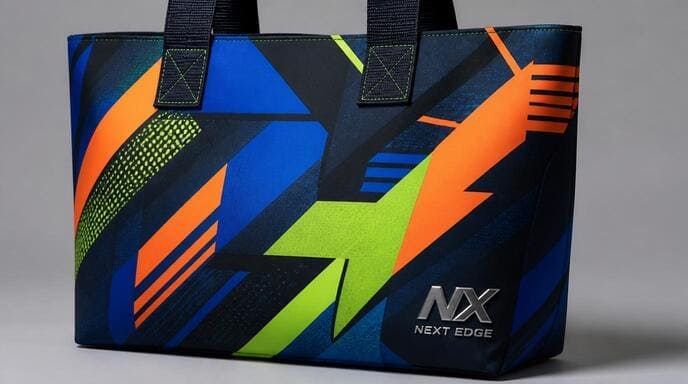
This does not mean nylon cannot achieve high-quality printing. The appropriate printing process simply needs to match the fabric construction and the desired result.
Common Printing Methods for Nylon Bags
Common options include:
- Screen printing with suitable inks
- Heat transfer printing
- Sublimation printing on suitable nylon fabrics
- Other compatible surface printing processes
The appropriate method depends on:
- Fabric type
- Logo design
- Color requirements
- Order quantity
- Desired print durability
For bulk buyers, working with an experienced manufacturer can help reduce problems such as uneven color, poor adhesion, or inconsistent results between production batches.
Nylon vs Other Bag Materials Comparison
| Material | Cost | Durability | Structure | Sustainability Level | Common Uses |
|---|---|---|---|---|---|
| Nylon | Medium-High | Excellent | Medium | Low–Medium — Traditional nylon is petroleum-based and not biodegradable; recycled nylon can improve its environmental profile | Backpacks, travel bags, outdoor bags |
| Polyester | Medium | Good | Medium | Low–Medium — Conventional polyester is fossil-based and not biodegradable; recycled polyester offers a more sustainable option | Everyday bags, promotional bags |
| Non-woven PP | Low | Basic-Medium | Low | Low–Medium — Made from polypropylene and not biodegradable, but reusable construction can reduce reliance on single-use packaging | Promotional bags, shopping bags |
| PP Woven | Low-Medium | Good | Medium-High | Low–Medium — Fossil-based polypropylene is not biodegradable, but durable reusable construction can extend product life | Heavy-duty reusable bags |
| Canvas | Medium | Good | High | Medium–High — Often made from cotton or other natural fibers; renewable fiber content provides a stronger natural-material profile, although production impacts vary | Premium tote bags, reusable bags |
| Jute | Medium | Medium | Medium | High — A plant-based, renewable natural fiber with a strong natural and biodegradable material profile | Eco-friendly shopping bags |
No material is superior in every category. Nylon is particularly strong when lightweight durability is important, while other materials may be better suited to specific cost, structure, breathability, or sustainability requirements.
Custom Nylon Bag Buying Considerations
For businesses ordering custom nylon bags, material selection is only one part of the decision.
Before placing a bulk order, buyers should consider the following factors.
1. Fabric Weight and Thickness
Nylon is available in different fabric weights, such as:
- 210D nylon for lightweight bags
- 420D nylon for stronger everyday use
- 600D nylon for heavy-duty applications
Higher fabric weight generally provides a more substantial fabric and can improve durability, but it also increases material consumption, weight, and cost.
The right fabric weight should therefore be selected according to the bag's intended load and use frequency.
2. Coating and Water Resistance
Nylon itself has some resistance to water, but untreated nylon should not automatically be considered waterproof.
Water resistance depends on factors such as:
- Fabric construction
- Coating
- Lamination
- Waterproof treatment
- Seam construction
Manufacturers may use PU coatings, laminated layers, or other treatments to improve moisture resistance.
3. Printing Requirements
Before mass production, confirm:
- Logo size
- Printing method
- Color requirements
- Fabric compatibility
- Required print durability
A sample or pre-production test can help confirm the appearance and adhesion of the printed design before a large order is manufactured.
4. Intended Usage
Choose nylon when you need:
- Lightweight performance
- Long service life
- High abrasion resistance
- Frequent-use performance
Consider alternatives when you need:
- Lowest possible cost
- Natural materials
- Maximum breathability
- Strong shape retention
How to Decide If Nylon Bags Are the Right Choice?
Nylon is a strong choice when a bag needs to be lightweight, durable, and suitable for frequent use.
However, other materials may be more suitable when cost, natural appearance, breathability, or structural support is the main priority.
| Your Priority | Recommended Material | Why |
|---|---|---|
| Lightweight and durable | Nylon | Offers a good balance of low weight, strength, and resistance to everyday wear. |
| Outdoor or travel use | Nylon | Suitable for applications where low weight and durability are important. |
| Lower cost | Non-woven PP, PP woven | Generally more economical options for promotional, shopping, and reusable bags. |
| Natural appearance | Cotton, Canvas, Jute | Natural-fiber materials provide a more traditional and natural look and feel. |
| Better shape retention | Heavy canvas, thick Oxford fabric, reinforced materials | Heavier or reinforced fabrics generally provide better structure and support. |
| Stronger sustainability profile | Jute, cotton canvas, recycled materials | Natural fibers such as jute are renewable and biodegradable, while recycled materials can reduce reliance on virgin raw materials. |
The best bag material is not necessarily the one with the most advantages. It is the one that best matches the required performance, budget, appearance, structure, and sustainability goals.
Conclusion: Are Nylon Bags a Bad Choice?
No.
Nylon bags are not a poor material choice. They remain popular because they provide an effective balance of strength, durability, abrasion resistance, and lightweight performance.
However, every material has limitations.
The main disadvantages of nylon bags include:
- Higher cost than many basic bag materials
- Lower breathability than some natural fabrics
- Limited sustainability advantages of traditional nylon
- Softer structure in lightweight designs
- More specific customization requirements
For buyers, the right approach is to evaluate the complete application before choosing a material.
Nylon is a strong option for durable, lightweight, and frequently used bags, while other materials may be better for projects focused on low cost, natural appearance, breathability, or stronger structural support.
Frequently Asked Questions About Nylon Bag Disadvantages
Is nylon a good material for bags?
Yes. Nylon is a high-performance bag material known for strength, abrasion resistance, durability, and lightweight properties.
It is commonly used for backpacks, travel bags, outdoor equipment, and other products that require a durable but relatively lightweight fabric.
However, nylon may not be the best choice when the priority is low cost, natural materials, or high breathability.
What are the main disadvantages of nylon bags?
The main disadvantages include higher material cost, lower breathability compared with some natural fabrics, limited sustainability advantages of traditional nylon, softer structure in lightweight designs, and specific printing requirements.
These limitations do not make nylon unsuitable. The appropriate material depends on the intended application.
Are nylon bags waterproof?
Nylon itself is not completely waterproof.
Water resistance depends on factors such as:
- Fabric construction
- Coating
- Lamination
- Waterproof treatment
- Seam construction
Many nylon bags use additional coatings or laminated materials to improve resistance to water and moisture.
Is nylon better than polyester for bags?
Neither material is always better.
Nylon generally offers strong abrasion resistance and good strength-to-weight performance, while polyester is widely used because it can provide good durability at a competitive cost.
The better choice depends on the bag's intended use, fabric specification, performance requirements, and budget.
Are nylon bags environmentally friendly?
Traditional nylon has environmental limitations because it is produced from fossil-based raw materials and is not biodegradable under normal environmental conditions.
Recycled nylon can improve the material's environmental profile by reducing the need for virgin raw materials.
However, the overall environmental impact of a bag also depends on factors such as manufacturing, transportation, product lifespan, and end-of-life management.
Can nylon bags be customized with logos?
Yes. Nylon bags can be customized with logos, colors, and other designs.
However, the printing method should be selected according to the specific nylon fabric and surface treatment. Testing before mass production can help ensure satisfactory print adhesion, color, and durability.
Should I choose nylon bags for bulk orders?
It depends on the application.
Nylon is a good choice for bulk orders requiring lightweight construction, durability, abrasion resistance, and long service life.
For projects focused mainly on the lowest possible cost, materials such as non-woven PP or PP woven fabric may be more suitable.
The final decision should consider the required performance, target price, design, expected service life, and sustainability goals.