
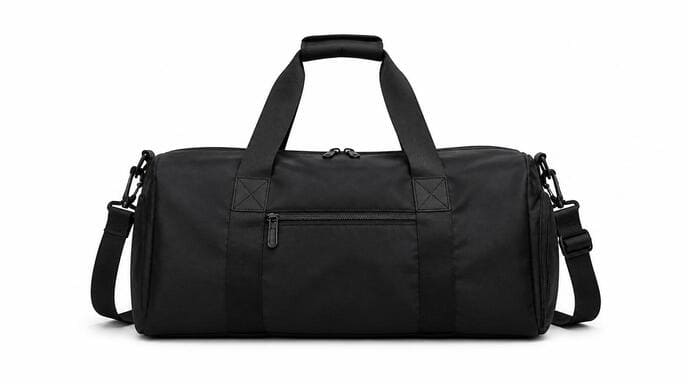
The average person often wonders about the actual carrying capacity and durability of their luggage. Many rely on nylon duffel bags for everything from gym sessions to long-haul travel, but how much weight can these bags realistically hold before failing? Understanding the factors contributing to the strength of nylon duffel bags is key to making a reliable choice.
Nylon duffel bags are known for their durability and lightweight properties, making them a popular choice for various carrying needs. While a standard nylon duffel bag can typically handle loads between 10–30 kg, the ultimate strength hinges on specific fabric specifications, construction quality, and design reinforcements.
This guide delves into the core aspects that define the strength of nylon duffel bags, from material composition to structural integrity. Let’s explore what makes a nylon duffel bag truly robust and reliable for all your adventures.
How Much Weight Can a Nylon Duffel Bag Hold?
When considering a nylon duffel bag, the primary concern for most users is simple: "Can it carry my stuff?" This question directly relates to the bag's load capacity, which is the most practical measure of its strength for everyday use.
The load capacity of a nylon duffel bag varies significantly based on its intended purpose and construction quality. Generally, a standard bag can hold between 10–30 kg, but specialized heavy-duty models are designed to carry considerably more, often exceeding 30 kg.
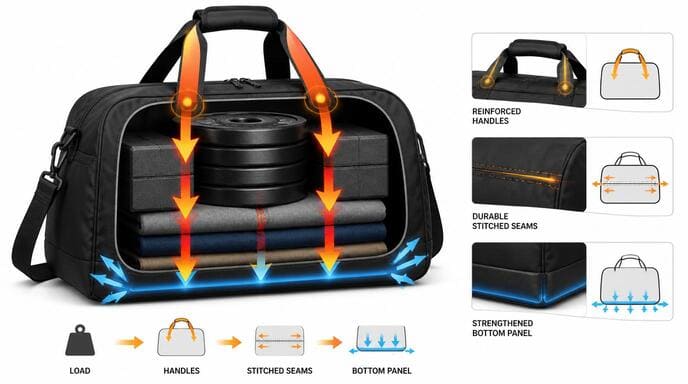
Understanding typical weight limits for different applications helps set realistic expectations. The actual weight a nylon duffel bag can safely carry is not just about the fabric thickness; it’s a complex interplay of various design elements.
Factors Influencing Load Capacity
The amount of weight a nylon duffel bag can reliably hold is determined by more than just the material's inherent strength. Several design and construction factors play a crucial role in its overall performance under load.
Key Takeaway: The true measure of a nylon duffel bag’s strength lies in its functional load capacity. While most quality bags can manage 10–30 kg, the robustness of the construction is the ultimate determinant of how well it performs under pressure.
Application-Specific Weight Capacities
Different uses place different demands on a bag, requiring varying levels of strength. A gym bag needs to carry workout gear, while a large travel duffel must accommodate clothes and essentials for longer trips.
| Application | Typical Weight Range |
|---|---|
| Gym bag | 5–15 kg |
| Daily travel bag | 10–20 kg |
| Large travel duffel | 20–30 kg |
| Heavy-duty equipment bag | 30 kg+ |
What Affects Actual Carrying Capacity?
Several components work together to define how much weight a nylon duffel bag can safely carry. Ignoring any one of these can lead to premature failure.
- Bag Size: Larger bags, even with the same fabric, are often expected to carry more, but this can also stress the structure more if not reinforced properly.
- Fabric Thickness (Denier): Higher denier numbers generally indicate thicker, stronger yarn, contributing to greater abrasion resistance and tear strength.
- Handle Design and Attachment: Handles are critical load-bearing points. Their width, material, stitching, and how securely they are attached to the bag body significantly impact how much weight they can bear.
- Stitching Method: The type of stitch, thread strength, and stitch density are vital. Double stitching or reinforced seams at stress points are common indicators of better construction for heavy loads.
- Bottom Reinforcement: The base of the bag often experiences significant wear and tear. Reinforced or double-layered bottoms increase durability and load-bearing capability.
What Really Determines the Strength of Nylon Duffel Bags?
While the term "nylon" itself suggests durability, not all nylon duffel bags are created equal. The actual strength rating isn't determined by a single factor but by a combination of the material's properties and how the bag is constructed.
A nylon duffel bag’s strength rating is a result of both its fabric specifications, particularly the denier (thickness), and the overall construction design. A higher denier fabric is beneficial, but it doesn't guarantee superior performance without proper manufacturing techniques and reinforcement.
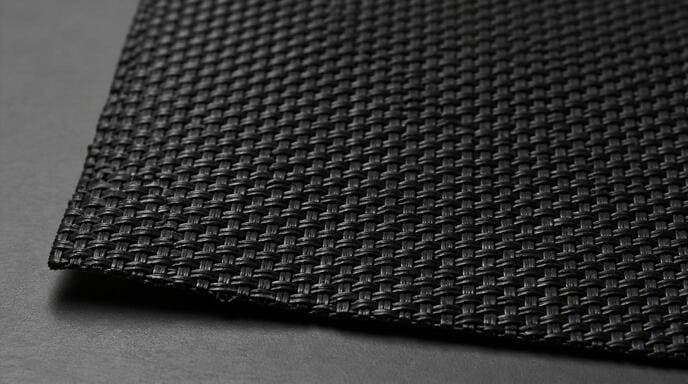
Understanding these specific elements helps decode why some nylon bags might feel flimsy while others can withstand significant abuse.
Nylon Fabric Thickness (Denier)
Denier (D) is a unit of measurement used to describe the linear mass density of textile fibers. In simple terms for bags, a higher denier number indicates a thicker, stronger yarn, which typically translates to greater durability and abrasion resistance.
- 210D: Lightweight, often used for promotional or very basic bags.
- 420D: Offers decent strength for everyday use, a common choice for lighter travel or gym bags.
- 600D: A popular choice offering a good balance of strength, weight, and cost. Suitable for travel, sports, and general use.
- 1000D: Considered heavy-duty, ideal for demanding applications like tool bags or rugged outdoor gear.
Fabric Weave and Tear Resistance
Beyond just thickness, the weave of the nylon fabric significantly impacts its resistance to damage. Certain weaves are designed to prevent small tears from spreading, enhancing the bag's longevity.
- Ripstop Nylon: This is a weaving technique where larger, stronger threads are interwoven with thinner threads in a crosshatch pattern. If a tear or puncture occurs, the ripstop grid helps contain the damage, preventing it from spreading and causing catastrophic failure. This is a critical feature for durable duffel bags.
- Tear Resistance: A tighter, well-constructed weave provides better resistance to being torn by sharp objects or under stress.
- Puncture Resistance: Similarly, a denser weave makes the fabric harder to puncture.
- Long-Term Wear: The weave affects how the fabric holds up against constant friction and abrasion, common in travel and heavy-duty scenarios.
Bag Construction: The Hidden Strength
The true test of a nylon duffel bag's strength often lies not just in the fabric, but in how it's put together. The critical points where weight is transferred are where failures are most likely to occur.
- Handles: These are primary stress points. Reinforcement through extra stitching, wider webbing, and secure attachment methods is paramount.
- Seams: The stitching that holds the bag together must be robust. Double-stitched seams, reinforced stress points, and strong, durable thread are essential for preventing blowouts.
- Bottom Panel: This area faces the most abrasion. A double-layered bottom or a more durable material used for the base can drastically increase the lifespan and load-bearing capability.
Key Takeaway: The strength of nylon duffel bags is a synergy of fabric specifications and intelligent construction design. While higher denier nylon contributes to durability, it's the quality of manufacturing, reinforcement, and attention to stress points that truly determines real-world performance.
How Do Different Nylon Materials Compare for Duffel Bags?
When assessing the strength of nylon duffel bags, the specific type and thickness of the nylon used are primary considerations. Different denier ratings offer varying levels of resilience and are suited for distinct applications.
Comparing nylon duffel bag materials reveals that higher denier nylon generally offers greater durability. While 600D is an excellent all-rounder for travel and sports, 1000D nylon provides superior toughness for extreme demands and heavy loads.
Understanding these differences helps in selecting a nylon duffel bag that matches the required strength for its intended use.
210D Nylon Duffel Bag
- Strength: ★★☆☆☆
- Description: This is the thinnest common nylon for bags. It is very lightweight and packable but offers minimal abrasion resistance and load-bearing capacity.
- Suitable for: Promotional items, very light day bags, or as a liner material. Not ideal for heavy use or significant weight.
420D Nylon Duffel Bag
- Strength: ★★★☆☆
- Description: A step up from 210D, 420D nylon provides a noticeable increase in durability. It’s a good compromise for bags that need to be relatively light but still withstand moderate daily use.
- Suitable for: Daily carrying of essentials, lighter gym sessions, or as a standard material for casual travel bags.
600D Nylon Duffel Bag
- Strength: ★★★★☆
- Description: This is arguably the most popular denier for durable duffel bags. 600D nylon strikes an excellent balance between robustness, weight, and cost-effectiveness. It offers good resistance to abrasion and tears.
- Suitable for: Frequent travel, sports equipment, general outdoor activities, and as a reliable everyday carry-all. This is a common choice for high-quality travel duffel bags.
1000D Nylon Duffel Bag
- Strength: ★★★★★
- Description: Representing heavy-duty construction, 1000D nylon is significantly thicker and tougher than lower deniers. It offers exceptional abrasion resistance, tear strength, and overall durability, making it suitable for the most demanding environments.
- Suitable for: Heavy loads, industrial use, tool bags, extreme outdoor adventures, and situations where maximum durability is paramount. This is often found in heavy-duty nylon duffel bags.
Key Takeaway: For the majority of consumers seeking a strong yet practical bag, 600D nylon offers the optimal blend of durability, manageable weight, and affordability. However, for applications demanding extreme resilience, 1000D nylon is the superior choice.
Where Do Nylon Duffel Bags Usually Fail First?
Even the strongest nylon duffel bags can eventually show wear and tear. Identifying the most common failure points is crucial for understanding what to inspect when buying and how to prolong a bag's lifespan.
The main nylon fabric itself is rarely the first part of a nylon duffel bag to fail. Instead, handles, seams, and bottom panels are the typical weak points that succumb to stress and wear, ultimately determining whether a bag can continue to handle heavy loads.
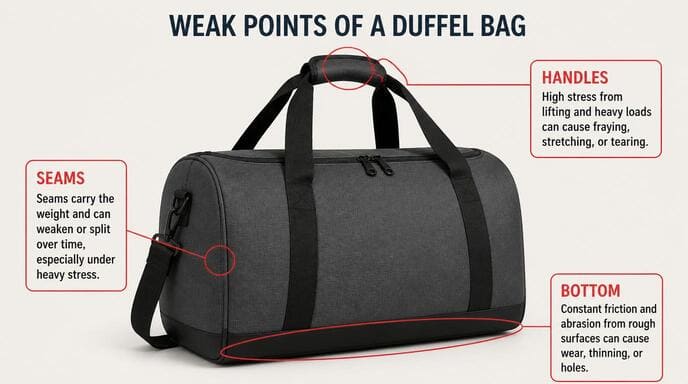
Paying attention to these specific areas during inspection can reveal a bag's true quality and its ability to withstand the rigors of use.
1. Handles and Straps
Handles are under immense pressure as they bear the entire weight of the bag's contents.
- Common Issues: Weak stitching, narrow webbing that digs into the hand, or handles that are poorly attached to the bag body.
- What to Check: Look for robust stitching, wide, comfortable webbing, and reinforced attachment points where the handles meet the bag. For heavy-duty nylon duffel bags, padded handles and cross-stitching are good indicators of durability.
2. Seams
The seams are the structural lines that hold the entire bag together.
- Common Issues: Thread breaking due to UV exposure or friction, seams opening up under stress, or weak stitch patterns.
- What to Check: Inspect seams for consistency, double-stitching, and reinforced bar tacks at corners and stress points. Strong, durable thread (often polyester or nylon itself) is essential.
3. Bottom Panel
The bottom of the bag frequently scrapes against surfaces, leading to abrasion and potential tears.
- Common Issues: Thin material wearing through, stitching at the base failing, or the panel sagging under weight.
- What to Check: A double-layer bottom panel significantly increases durability. Look for reinforced stitching along the edges and consider bags where the bottom material is more abrasion-resistant than the main body.
Key Takeaway: When assessing the strength of a nylon duffel bag, focus on the integrated structural components like the handles, seams, and bottom. These elements, rather than just the primary fabric thickness, are usually the first indicators of potential failure under significant weight.
How Are Nylon Duffel Bag Strengths Tested?
Manufacturers and quality control teams employ various tests to ensure nylon duffel bags meet specific strength and durability standards before they reach consumers. These tests simulate real-world usage scenarios to identify potential weaknesses.
Strength testing for nylon duffel bags evaluates the entire structural integrity, not solely the nylon fabric's properties. A reliable duffel bag must demonstrate consistent performance under simulated load, friction, and repeated use to be considered strong.
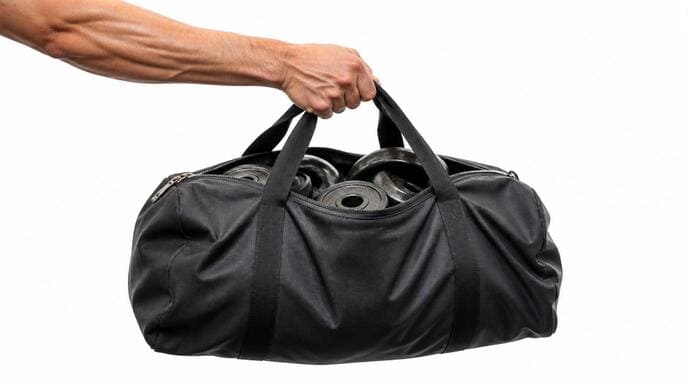
These rigorous assessments help guarantee that a bag can withstand the demands placed upon it during travel, sports, or heavy-duty applications.
Common Strength Tests
- Load Test: This is a direct simulation of carrying weight. Bags are filled with a predetermined weight (often exceeding the advertised capacity) and left for a period. Inspectors check for handle deformation, seam strain, zipper performance, and any signs of material stretching or tearing. This is crucial for verifying load capacity.
- Tear Test: A sample of the nylon fabric is subjected to forces designed to measure its resistance to tearing. This helps confirm the fabric's inherent strength and the effectiveness of features like ripstop weaves.
- Abrasion Test: The fabric is subjected to repeated friction against a standard abrasive material (like sandpaper or a rotating drum). This test measures the fabric's durability against wear and tear, simulating the rubbing and scraping a bag experiences in daily use.
- Zipper Test: Zippers are critical components. They are cycled open and closed thousands of times to ensure smooth operation and durability, as a faulty zipper can render a bag unusable.
- Stitching and Seam Strength Test: Samples of seams are pulled apart to measure the force required to break the stitching or the fabric along the seam. This verifies the quality of the construction.
Key Takeaway: Manufacturers utilize a suite of tests to rigorously evaluate nylon duffel bag strength. These methods assess not only the fabric's resilience but also the performance of the entire bag's construction, ensuring it can withstand pressure, abrasion, and repeated use.
Nylon Duffel Bags vs. Other Materials: Which Is Stronger?
When choosing a durable duffel bag, material selection is paramount. Nylon is a popular choice, but how does it stack up against other common bag materials like polyester and canvas?
Nylon offers one of the best strength-to-weight ratios among common bag materials, making it an excellent choice for buyers prioritizing durability without excessive bulk. While canvas is heavy but durable, and polyester is cost-effective, nylon typically provides superior resilience for its weight.
Each material has its unique properties, and understanding these differences helps in selecting the most appropriate durable bag material for specific needs.
Material Strength Comparison
| Material | Strength Rating | Key Characteristics | Best For |
|---|---|---|---|
| Nylon | ★★★★★ | High strength-to-weight ratio, excellent abrasion resistance, good elasticity. | Travel, sports, outdoor gear, military applications, heavy-duty duffel bags. |
| Canvas | ★★★★☆ | Very durable, strong, natural fibers, can be heavy and absorb water if not treated. | Rugged use, traditional look, heavy-duty applications where weight is less critical. |
| Polyester | ★★★★☆ | Good strength, abrasion resistance, UV resistance, cost-effective, less elastic than nylon. | General travel, everyday bags, promotional items, good balance of cost and durability. |
Nylon's Advantages for Duffel Bags
- High Strength-to-Weight Ratio: Nylon is incredibly strong for its weight. This means you can have a very durable duffel bag without it being excessively heavy, which is a significant advantage for travel and portability.
- Abrasion Resistance: Nylon excels in resisting wear and tear from friction, making it ideal for bags that will be dragged, scuffed, or carried frequently.
- Flexibility and Elasticity: Nylon can stretch and recover, which helps absorb shocks and prevents damage from sudden impacts or overfilling.
- Water Resistance: While not completely waterproof, nylon naturally repels water better than canvas and dries quickly.
While polyester offers a good balance of properties and canvas provides ruggedness, nylon consistently stands out as a top performer for demanding applications, especially when looking for a strong, lightweight, and durable duffel bag.
Key Takeaway: Nylon provides an outstanding combination of strength, light weight, and durability, making it a superior material for many types of duffel bags. It offers a better strength-to-weight ratio compared to canvas and often outperforms polyester in terms of resilience for its mass.
How to Choose a Truly Strong Nylon Duffel Bag?
Selecting a nylon duffel bag that genuinely lives up to its "strong" reputation requires a methodical approach. It's not just about picking the thickest fabric; it's about matching the bag's design and materials to its intended purpose.
Choosing a strong nylon duffel bag involves aligning its material strength and construction with your specific usage needs. The most robust bag is one meticulously designed for its intended application, not necessarily the one with the thickest fabric alone.
By considering these factors, you can make an informed decision and invest in a reliable companion for your journeys and activities.
Recommendations by Application
- Travel: For frequent travel, a 600D nylon duffel bag typically offers the best blend of durability, water resistance, and manageable weight. Look for reinforced handles and sturdy zippers.
- Sports Equipment: For carrying gym gear or sports equipment, 600D to 1000D nylon is recommended. This range ensures resilience against the wear and tear of gym bags and sports equipment.
- Outdoor Use: For camping, hiking, or rugged outdoor adventures, 800D–1000D nylon is ideal. These higher denier fabrics offer superior abrasion and tear resistance needed in challenging environments.
- Tools: For heavy-duty tool bags or industrial use, 1000D reinforced nylon is essential. This provides maximum durability and load-bearing capacity for demanding professional applications.
Buyer's Checklist for Strength
Before finalizing a purchase, use this checklist to ensure you're getting a genuinely strong nylon duffel bag:
- ✔ Check Nylon Denier: Aim for 600D or higher for most durable applications.
- ✔ Confirm Weight Capacity: Look for advertised load limits or ensure construction suggests high capacity.
- ✔ Review Handle Reinforcement: Check for wide webbing, padded grips, and heavy-duty stitching or bar tacks at attachment points.
- ✔ Test Zipper Quality: Ensure zippers are smooth, robust (e.g., YKK), and have sturdy pull tabs.
- ✔ Inspect Stitching Method: Look for double stitching, reinforced seams, and bar tacks at stress areas.
- ✔ Examine Bottom Construction: Opt for double-layered bottoms or abrasion-resistant materials.
- ✔ Consider Ripstop Weave: If available, ripstop nylon adds significant tear resistance.
- ✔ Request Samples/Testing: For wholesale or custom nylon duffel bags, requesting samples or detailed testing reports is advisable.
Key Takeaway: Selecting the ideal strong nylon duffel bag means matching the material's strength and construction quality to your specific intended use. A bag designed for the correct application, with appropriate reinforcements, will always outperform one that relies solely on thick fabric.
Expert Perspective: How Manufacturers Judge Duffel Bag Strength?
From a manufacturer's viewpoint, evaluating the strength of a nylon duffel bag goes beyond simply looking at the fabric specifications. They understand that true durability is a holistic outcome of the entire product's design and manufacturing process.
Manufacturers assess a nylon duffel bag's strength by examining the complete structural system rather than focusing only on fabric thickness. While fabric quality is important, the true measure of a bag's resilience lies in its reinforcement design and how weight is distributed and managed throughout the structure.
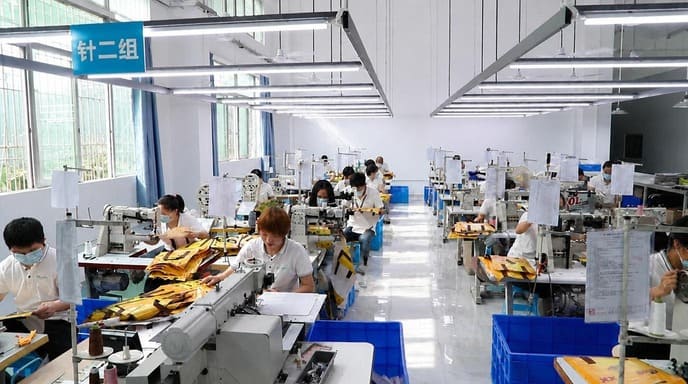
This comprehensive approach ensures that wholesale duffel bags and custom nylon duffel bags produced meet high standards for real-world performance.
Beyond Fabric Specification
When evaluating a bag, manufacturers consider:
- Weight Transfer: How is the weight of the contents distributed from the load-bearing points (handles, straps) to the main body of the bag? Is there excessive stress on any single point?
- Handle Reinforcement: This is critical. Manufacturers analyze the webbing material, its stitching pattern (e.g., box stitch, cross stitch), and how it's integrated into the bag's structure to ensure it won't detach or fail.
- Stress Point Design: Corners, zipper attachments, and strap anchor points are high-stress areas. Experts look for reinforcements like bar tacks, extra layers of fabric, or gussets designed to distribute tension.
- Sewing Method: The type of stitch, thread strength, needle size, and stitch density are all specified to ensure seams can withstand significant pulling forces. Double stitching is common for added security.
- Bottom Structure: Whether it's a single layer, double layer, or includes a plastic insert, the bottom is evaluated for abrasion resistance and load support.
- Quality Control: Robust QC processes, including random load testing, seam strength checks, and zipper cycle tests, are integral to confirming that each batch meets strength requirements.
For clients seeking custom nylon duffel bags or wholesale duffel bags, manufacturers like Zhejiang Jiarong Packaging Co., Ltd. leverage decades of experience to engineer bags that are not only visually appealing but also structurally sound, ensuring they meet the durability demands of brands and end-users alike.
Key Takeaway: Leading manufacturers evaluate a nylon duffel bag's strength by looking at its complete structural integrity. Fabric quality is a foundational element, but effective reinforcement design, proper stress management, and meticulous manufacturing processes are what ultimately define a bag's real-world resilience and load-bearing capability.
Frequently Asked Questions
How much weight can a nylon duffel bag typically carry?
Most quality nylon duffel bags can comfortably carry between 10–30 kg. However, heavy-duty models specifically designed for equipment or extreme use can handle loads exceeding 30 kg, depending on their construction and reinforcement.
Is 600D nylon strong enough for a travel duffel bag?
Yes, 600D nylon is one of the most popular and practical choices for durable travel bags. It offers an excellent balance of strength, abrasion resistance, water repellency, and manageable weight, making it ideal for frequent travel.
What is considered the strongest nylon duffel bag material?
For maximum durability and load-bearing capacity, 1000D nylon is among the strongest options available for duffel bags. When combined with reinforced construction, such as double-layered bottoms and heavy-duty stitching, it provides exceptional resilience.
Can high-quality nylon duffel bags tear easily?
High-quality nylon duffel bags, especially those made with ripstop weaves or higher denier fabrics, are inherently resistant to tearing. However, failure can still occur at weak points like seams, handles, or zippers if the construction quality is subpar.
Is a thicker nylon bag always stronger?
No, fabric thickness (denier) is only one factor. A thicker nylon bag isn't always stronger if its seams are poorly stitched, handles are weakly attached, or it lacks essential reinforcements. Overall construction quality and design are equally, if not more, critical for durability.
Conclusion
So, How Strong Are Nylon Duffel Bags?
Nylon duffel bags offer remarkable strength and durability, making them suitable for a wide range of applications, from daily travel and carrying sports equipment to supporting outdoor activities and heavy-duty tasks. Their inherent resilience stems from a combination of strong fabric properties, intelligent structural design, robust reinforcement at stress points, and meticulous manufacturing quality.
A well-engineered nylon duffel bag, such as those produced with high denier fabrics (600D to 1000D) and attention to handle attachment, seam integrity, and bottom reinforcement, can provide years of reliable use. Conversely, a poorly constructed bag, even if made from thick nylon, may fail prematurely.
If you're looking for reliable, durable, and custom-designed nylon duffel bags for your brand or business needs, we invite you to explore our range or contact us at Zhejiang Jiarong Packaging Co., Ltd. Let us help you find the perfect wholesale duffel bags that meet your exact strength and quality requirements.