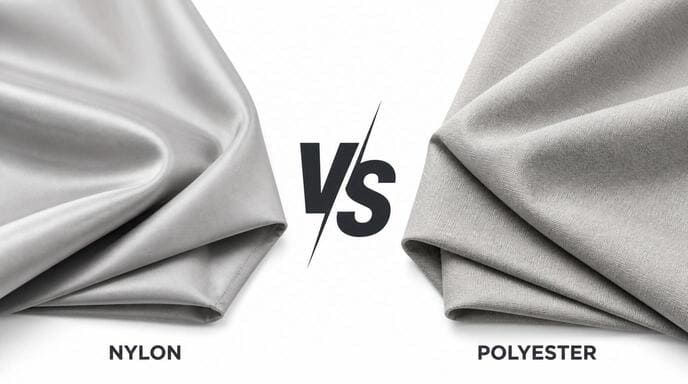
Struggling to decide between nylon and polyester for your next custom bag project? Understanding the core Nylon vs Polyester difference is crucial for ensuring your bags meet performance, durability, and budget needs. Many manufacturers offer bags made from both, but knowing which fiber suits your specific application can make all the difference.
In essence, Nylon is renowned for superior strength, abrasion resistance, and flexibility, making it ideal for high-stress applications. Polyester, conversely, offers excellent UV resistance, moisture-wicking properties, and cost-effectiveness, favored for outdoor and promotional items. The fundamental difference between Nylon and Polyester hinges on these distinct properties, impacting everything from feel to functionality.
Choosing the right material is more than just a preference; it's about ensuring the final product performs exactly as intended. Let's dive into the specifics of these two popular synthetic fibers to clarify the difference between Nylon and Polyester.
1. What Are Nylon and Polyester?
1.1 What Is Nylon?
Nylon is a type of synthetic polymer, specifically a polyamide, famously developed by DuPont in the 1930s. It was one of the first widely commercialized synthetic fibers, revolutionizing textiles with its exceptional strength and durability. Common forms include Nylon 6 and Nylon 6,6, each with slightly varied properties but generally sharing a high-performance profile.
Its inherent toughness, remarkable abrasion resistance, and good elasticity make it a preferred material for demanding applications. In many scenarios, particularly when considering mechanical strength relative to weight, Nylon often outperforms standard polyester. This makes it a go-to for items that need to withstand significant wear and tear or sudden stress.
Nylon is a synthetic polyamide fiber known for its high strength, excellent abrasion resistance, and flexibility. Developed in the 1930s, it's commonly used in high-performance applications like travel bags, hiking backpacks, tool bags, and outdoor gear due to its superior mechanical properties.
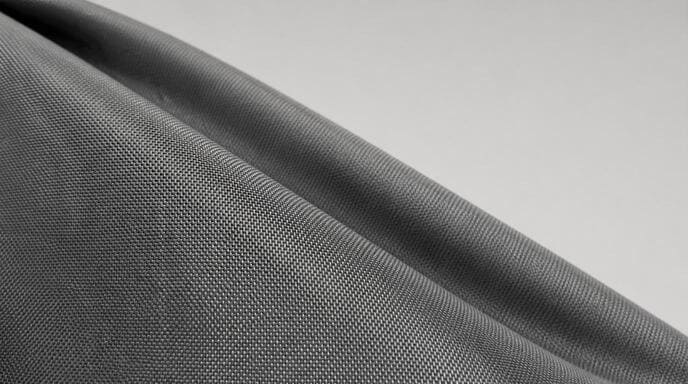
When you need a material that can take a beating and keep going, Nylon is often the answer. Its resilience makes it suitable for products designed for longevity and rigorous use, offering peace of mind for both manufacturers and end-users.
1.2 What Is Polyester?
Polyester, most commonly referring to Polyethylene Terephthalate (PET), is another ubiquitous synthetic fiber. In fact, it's one of the most widely produced and utilized synthetic fibers globally. Its versatility and cost-effectiveness have cemented its place in countless everyday products.
Polyester is frequently found in backpacks, shopping bags, cooler bags, gift bags, and various outdoor products like awnings and tarps. Its advantages lie in its excellent resistance to environmental factors like UV radiation and its remarkable dimensional stability, meaning it holds its shape well over time.
Polyester, primarily PET, is one of the world's most prevalent synthetic fibers, known for its excellent weather resistance, UV stability, and dimensional integrity. It is widely used in everyday items such as backpacks, shopping bags, and promotional products because it is generally more affordable and suitable for large-scale commercial production.
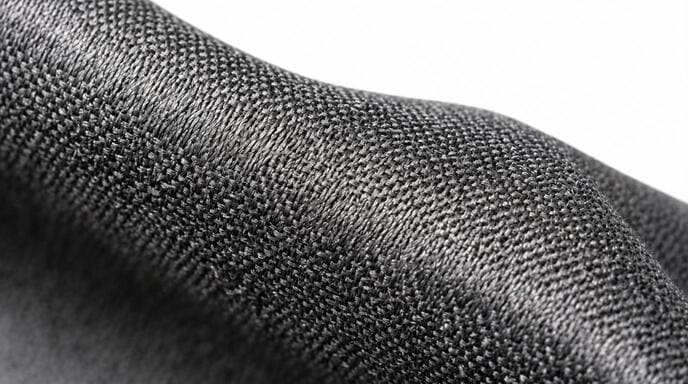
Its reliable performance and cost efficiency make it an attractive option for brands looking for high-volume production without compromising on essential qualities like durability and weather resilience. This is why you see it so often in promotional items and everyday carry items.
2. Nylon vs Polyester: Key Differences Overview
When comparing Nylon vs Polyester, several key distinctions emerge that influence their suitability for different applications. Understanding these differences is fundamental to making an informed choice for custom bag manufacturing.
Key differences between Nylon and Polyester include:
- Strength: Nylon generally offers higher tensile strength.
- Abrasion Resistance: Nylon excels in resisting wear and tear from friction.
- Water Resistance: Polyester has better moisture resistance, while Nylon absorbs more moisture.
- UV Resistance: Polyester is significantly more resistant to UV degradation.
- Drying Speed: Polyester dries faster than Nylon.
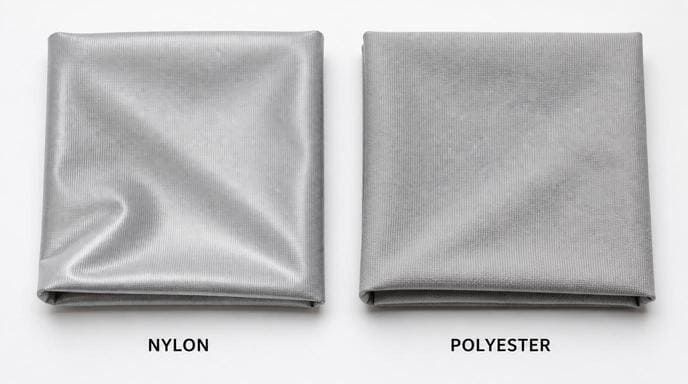
- Feel: Nylon is typically softer and smoother; Polyester can be slightly stiffer.
- Elasticity: Nylon is more flexible and stretchy; Polyester is more dimensionally stable.
- Cost: Polyester is generally more economical than Nylon.
- Sustainability: Both have recycled options (Recycled Nylon, RPET for Polyester), though RPET is more widely available.
| Feature | Nylon | Polyester |
|---|---|---|
| Material Type | Polyamide | PET Polymer |
| Strength | Higher tensile strength | Good strength |
| Abrasion Resistance | Excellent | Good |
| Water Resistance | Good, but absorbs some moisture | Better moisture resistance (lower absorption) |
| UV Resistance | Moderate | Excellent |
| Drying Speed | Slower | Faster |
| Softness | Softer and smoother | Slightly stiffer |
| Elasticity | More flexible, higher stretch | More stable, less stretch |
| Color Retention | Good | Excellent |
| Cost | Higher | Lower |
| Sustainability Options | Recycled Nylon available | Widely recycled RPET available |
This nylon and polyester comparison highlights that neither material is universally superior; the "better" choice depends entirely on the intended use and priorities.
3. Nylon vs Polyester Strength Comparison
3.1 Which Is Stronger: Nylon or Polyester?
When discussing strength, it's important to clarify that raw fiber strength is only part of the story. The actual performance of a fabric depends on several factors beyond just its material composition. These include the Denier (D), which measures fiber thickness; the fabric weave (e.g., ripstop, plain weave); any coating applied (like PU or PVC); the overall fabric weight (grams per square meter); and the quality of stitching and construction.
However, when comparing fabrics of the same construction, denier, and weight, Nylon typically possesses higher tensile strength than Polyester. This means Nylon fibers can withstand a greater pulling force before breaking. Consequently, Nylon is generally better suited for applications that require it to bear significant weight or endure sudden, high-impact forces, like the stress on backpack straps carrying heavy loads.
For instance, consider two travel bags, both made from 600D fabric: one Nylon and one Polyester. The Nylon version will likely feel more pliable and exhibit better resistance to abrasion and tearing under stress, making it more forgiving if overloaded. The Polyester version, while still robust, might be slightly stiffer and potentially more prone to tearing if subjected to extreme, sudden forces, but it will maintain its shape reliably and offer a more economical price point. This demonstrates a key difference between Nylon and Polyester in terms of sheer load-bearing capacity and flexibility.
When comparing Nylon and Polyester of identical specifications, Nylon generally exhibits superior tensile strength and resilience to sudden impacts. However, actual fabric strength is influenced by Denier, weave, coating, and construction quality. While Nylon handles heavy loads and stress better, Polyester offers good strength for many applications, often at a lower cost.
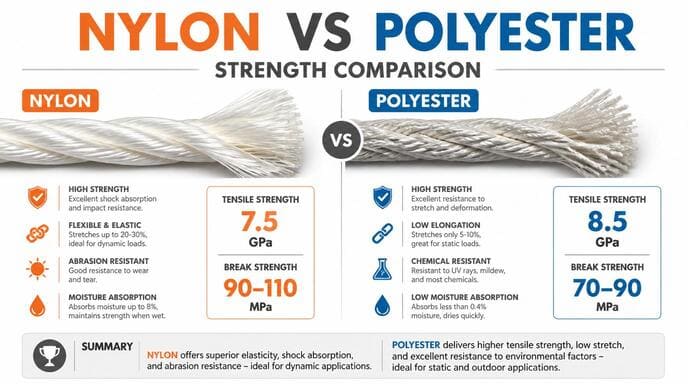
Ultimately, the choice between Nylon and Polyester for strength depends on the specific demands of the bag. For extreme durability and heavy-duty performance, Nylon often has the edge.
4. Nylon vs Polyester Durability Comparison
4.1 Abrasion Resistance
One of the most celebrated characteristics of Nylon is its exceptional abrasion resistance. Nylon fibers possess a high degree of toughness and a natural resilience that allows them to withstand prolonged friction and rubbing without significant degradation. This makes it an ideal choice for environments where the material will be constantly scuffed, scraped, or rubbed against rough surfaces.
This property is why Nylon is frequently specified for the exterior of luggage, the base and high-wear areas of backpacks, rugged tool bags, and tactical gear that might encounter harsh conditions. Its ability to resist wear and tear over time ensures these items maintain their integrity and appearance, even with heavy use.
Nylon boasts superior abrasion resistance due to the inherent toughness and resilience of its polyamide fibers. This makes it exceptionally well-suited for applications involving constant friction, such as the exteriors of luggage, heavy-duty tool bags, outdoor backpacks, and tactical gear, ensuring long-lasting durability against scuffs and scrapes.
When comparing the difference between Nylon and Polyester in terms of everyday wear, Nylon's advantage in abrasion resistance is a significant factor for longevity.
4.2 Tear Resistance
Beyond just surface wear, tear resistance is another critical aspect of durability. Nylon generally exhibits better tear resistance compared to Polyester. This means that if a small puncture or cut occurs in a Nylon fabric, it is less likely to propagate and create a large rip. This resilience is particularly important in high-load applications or environments where sharp objects might be encountered.
Polyester, while still offering good tear resistance for many uses, tends to be more prone to tearing once initiated compared to Nylon. Its strength lies more in its stability and resistance to stretching rather than its ability to prevent a tear from spreading. This makes Nylon a preferred material when the risk of snagging or puncturing is high, and the consequences of a tear could be significant, such as in expedition gear or heavy-duty industrial bags.
Nylon generally offers superior tear resistance, meaning it is more effective at preventing a small puncture or cut from becoming a large rip, making it ideal for high-stress or snag-prone environments. While Polyester also provides good tear resistance, Nylon's enhanced ability to contain damage makes it a preferred choice for applications requiring maximum security against tears.
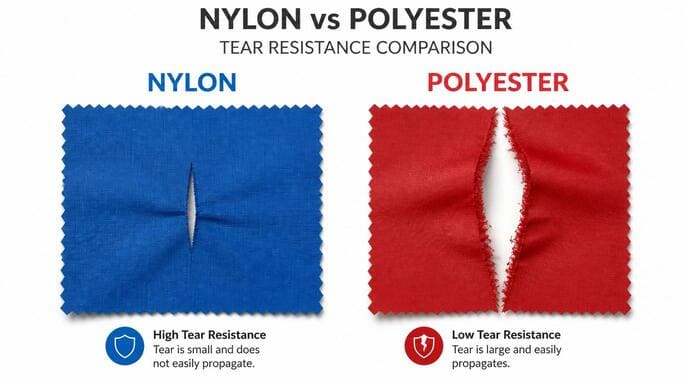
This aspect of the Nylon vs Polyester fabric comparison is vital for items where structural integrity under duress is paramount.
4.3 Long-Term Use
The overall durability of a bag or piece of gear is a multifaceted issue. While the inherent properties of Nylon and Polyester are crucial, they are not the sole determinants of a product's lifespan. Many other factors contribute significantly to how well a material holds up over time.
These factors include:
- Fabric density: A tighter weave generally increases strength and durability.
- Coating treatment: Coatings like Polyurethane (PU) or Polyvinyl Chloride (PVC) add water resistance, abrasion resistance, and structural integrity.
- Seam construction: Reinforced stitching, double-stitching, and bar-tacking at stress points vastly improve durability.
- Zipper and hardware quality: High-quality zippers and buckles are essential for long-term functionality.
- Reinforcement: Additional panels or padding in high-wear areas significantly extend a product's life.
Therefore, a well-constructed Polyester bag might outlast a poorly made Nylon bag. When evaluating Nylon vs Polyester for bags, consider the entire construction, not just the base material. My experience with custom bags at Jiarong Packaging shows that attention to these construction details is just as critical as the fiber choice for ensuring customer satisfaction and product longevity.
A bag's long-term durability is influenced not only by its base material (Nylon or Polyester) but also by critical construction factors such as fabric density, protective coatings, reinforced stitching, high-quality hardware, and strategic reinforcement. Therefore, a well-made bag from either material can offer excellent longevity, emphasizing the importance of overall design and manufacturing quality.
5. Nylon vs Polyester Water Resistance
5.1 Does Nylon Absorb Water?
Nylon, while generally considered water-resistant, does have a degree of absorbency. Polyamide fibers can absorb a small amount of moisture from the environment. Under typical conditions, this is usually not a significant issue, and the fabric still provides good protection against light rain or splashes.
However, when Nylon absorbs moisture, a few things can happen: the fabric can become slightly heavier, and its drying time will be longer compared to more hydrophobic materials. While this absorbency doesn't mean Nylon is inherently "not waterproof," it does mean that for true waterproofing, especially in prolonged wet conditions or submersion, additional treatments or coatings are essential.
Nylon fabric possesses a degree of moisture absorbency, meaning it can take on a small amount of water. While this provides reasonable water resistance for light exposure, it can lead to increased weight and slower drying times. For complete waterproofing, Nylon typically requires additional coatings like PU or PVC.
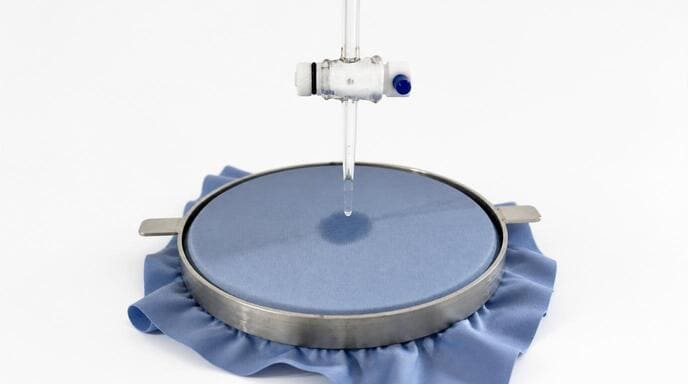
Understanding this characteristic is key in the nylon vs polyester difference discussion for bags intended for wet environments.
5.2 Is Polyester More Waterproof?
Polyester, primarily PET, has a naturally lower moisture absorbency rate compared to Nylon. This means it repels water more effectively and absorbs significantly less moisture. As a result, Polyester inherently offers better moisture resistance and faster drying times, making it a naturally suitable choice for applications where staying dry is a priority.
This superior moisture-wicking and quicker drying capability makes Polyester an excellent material for items used in damp conditions or that might get wet, such as rain gear, outdoor equipment, the outer layers of camping gear, and even the exterior of insulated bags. However, it's crucial to remember that "water-resistant" does not always mean "waterproof."
Polyester exhibits lower moisture absorption than Nylon, offering inherently better water resistance and faster drying times. This makes it a favorable choice for outdoor gear, rain protection, and items exposed to dampness. However, true waterproofing for either material typically relies on applied coatings such as TPU, PVC, or PU, and sealed seams.
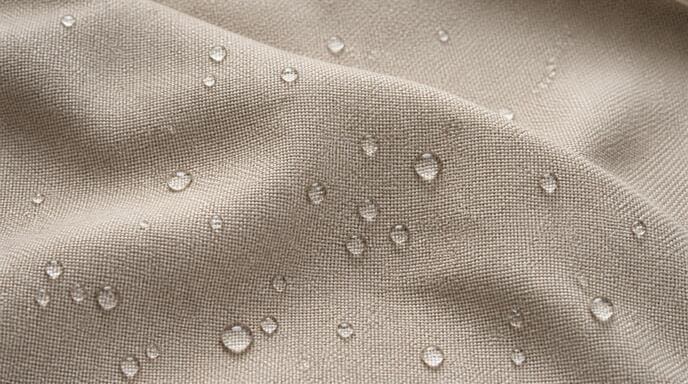
It's vital to differentiate between water resistance (repelling water) and waterproofing (preventing water ingress), which often depends heavily on coatings and construction techniques for both Nylon and Polyester.
6. Nylon vs Polyester UV Resistance
Which Material Is Better for Outdoor Use?
When bags or gear are intended for prolonged exposure to sunlight, UV resistance becomes a critical factor. The sun's ultraviolet rays can degrade synthetic fibers over time, leading to fading, weakening, and brittleness. Comparing the two, Polyester demonstrates significantly better UV resistance than standard Nylon. It holds its color longer and degrades much more slowly when exposed to direct sunlight for extended periods.
Nylon's performance in direct sunlight is comparatively weaker. While it possesses excellent strength and abrasion resistance, its susceptibility to UV degradation means it can become brittle and lose strength more rapidly when left outdoors. To enhance Nylon's UV performance, manufacturers often apply special UV-resistant coatings.
For applications that demand robust performance under constant sun exposure, such as outdoor awnings, boat covers, or camping equipment that will be set up for days, Polyester is often the preferred choice. If Nylon is necessary for its other superior properties (like strength), opting for a UV-treated Nylon or a material with a UV-resistant coating is highly recommended. This aspect of the difference between Nylon and Polyester directly impacts their suitability for various outdoor scenarios.
Polyester excels in UV resistance, making it ideal for long-term outdoor applications as it resists degradation and fading from sun exposure better than standard Nylon. Nylon's UV resistance is moderate and can degrade faster under prolonged sunlight; for outdoor use, UV-treated Nylon or Polyester is generally recommended to ensure longevity.
Choosing the right material based on UV exposure needs is essential for ensuring your outdoor gear remains functional and looks good for years to come.
7. Nylon vs Polyester Weight Comparison
The weight difference between Nylon and Polyester bags isn't always straightforward and can be influenced by several factors. While generalizations can be made, the exact weight of a fabric depends heavily on its Denier (D), the fabric construction (how tightly it's woven), and the type and thickness of any coating applied.
Generally, for equivalent Denier and weave, Nylon might be perceived as slightly heavier due to its higher density, but this is not a universal rule. In the realm of high-performance outdoor gear, Nylon is often used in very lightweight yet strong constructions, such as 20D or 40D ripstop Nylon for ultralight backpacking tents and packs where maximizing strength-to-weight ratio is paramount.
On the other hand, for many commercial bags, Polyester offers a better balance of cost, weight, and durability. A common 600D Polyester fabric provides ample strength for everyday use, promotional items, and standard backpacks at a very competitive weight and price point. At Jiarong Packaging, we frequently use Polyester for large-scale production runs of shopping and promotional bags where efficiency and cost-effectiveness are key, balancing material weight with overall product utility.
The weight comparison between Nylon and Polyester is not absolute and depends on factors like Denier, fabric construction, and coatings. While Nylon is often used in high-performance, lightweight gear, Polyester frequently offers a more cost-effective weight-to-durability balance for commercial and promotional bags. Both materials can be manufactured in various weights to suit different applications.
Ultimately, whether Nylon or Polyester is lighter depends on the specific grade and application the fabric is designed for.
8. Nylon vs Polyester Feel and Appearance
8.1 Fabric Texture
The tactile difference between Nylon and Polyester is often one of the first things people notice. Nylon typically has a softer, smoother feel and a slight sheen. It often feels more luxurious and has a degree of inherent elasticity, meaning it can stretch slightly under tension and then return to its original shape. This gives it a more supple drape.
Polyester, in contrast, can sometimes feel slightly stiffer or more "crisp." It generally has better dimensional stability, meaning it holds its shape more rigidly and is less prone to wrinkling. While modern polyester manufacturing has improved its texture significantly, standard polyester fabrics often have a more defined structure and less natural drape than Nylon. This difference in texture can influence the perceived quality and comfort of a bag.
Nylon fabrics are typically characterized by a softer, smoother texture with a slight sheen and noticeable elasticity, offering a more supple feel. Polyester fabrics can feel slightly stiffer and more structured, providing better shape retention and a crisper appearance, though modern variations offer a wide range of textures.
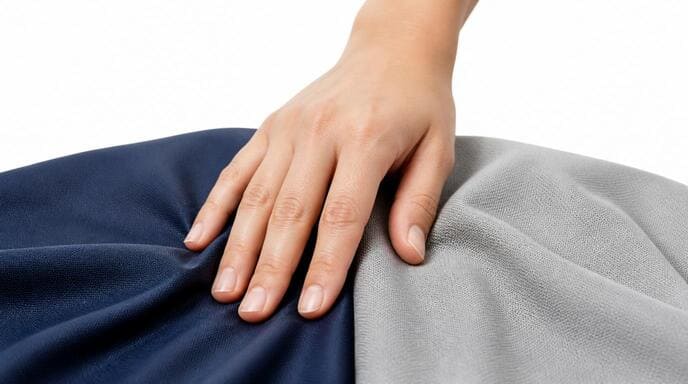
This variation in feel is a subtle but important aspect of the nylon vs polyester difference when considering user experience.
8.2 Printing Performance
When it comes to applying custom designs, logos, or graphics, Polyester generally offers superior printing performance. Polyester is highly receptive to various printing methods, and it holds dyes and inks exceptionally well, resulting in vibrant colors and excellent color fastness. Its stable surface makes it ideal for large-format printing, dye-sublimation, and screen printing, ensuring that designs remain sharp and don't fade easily.
Nylon printing can be more challenging. While it can be printed on, standard printing methods may not adhere as well, and the ink might not be as vibrant or durable without special treatments. Special inks and processes are often required to achieve good adhesion and color retention on Nylon. Therefore, for applications where large, detailed, and highly durable graphics are a primary requirement, such as branded shopping bags or promotional giveaways, Polyester is often the more practical and cost-effective choice.
Polyester provides superior printing performance due to its excellent ink receptivity and color fastness, making it ideal for vibrant, large-scale graphics and custom designs on bags. While Nylon can be printed on, it often requires special treatments for optimal ink adhesion and color durability, making Polyester a more straightforward choice for many branding applications.
The ease and quality of printing are significant considerations in the nylon and polyester comparison for branded merchandise.
9. Nylon vs Polyester Cost Comparison
Cost is a major driving factor in material selection for many manufacturing projects, and here, Polyester typically holds a distinct advantage. Polyester's raw materials are generally less expensive to produce and procure compared to Nylon's polyamide precursors. Furthermore, the manufacturing processes for Polyester are highly optimized and operate on a massive scale globally, contributing to lower production costs.
This economic efficiency means that Polyester is almost always cheaper than Nylon on a per-yard or per-kilogram basis, assuming comparable Denier and weave. This lower cost makes Polyester the go-to material for brands looking to produce large quantities of bags, such as promotional tote bags, reusable shopping bags, and general consumer backpacks, where budget constraints are a significant consideration.
Polyester is generally more cost-effective than Nylon due to lower raw material costs and highly optimized, large-scale manufacturing processes. This price difference makes Polyester a preferred choice for mass-produced items like promotional bags, reusable shopping bags, and budget-friendly backpacks, while Nylon's higher cost reflects its premium performance attributes.
The inherent cost difference is a primary reason why Polyester dominates many segments of the bag manufacturing market, especially for custom promotional products.
10. Nylon vs Polyester Sustainability Comparison
Sustainability is an increasingly important consideration for both manufacturers and consumers. Both Nylon and Polyester have made strides in offering more eco-friendly options, primarily through recycling.
10.1 Recycled Polyester (RPET)
Recycled Polyester, commonly known as RPET, is made from post-consumer plastic waste, most notably PET bottles. The recycling process breaks down these bottles into flakes, which are then melted and extruded into new polyester fibers. RPET has become a highly popular and widely available sustainable alternative in the textile industry.
It is extensively used for manufacturing recycled polyester bags, sustainable reusable shopping bags, and various other products where consumers seek an eco-conscious choice. The widespread availability and established recycling infrastructure for PET make RPET a leading sustainable option in the market.
Recycled Polyester (RPET) is a sustainable alternative derived from recycled PET plastic bottles. It offers similar performance to virgin polyester and is widely used in the production of eco-friendly bags and textiles, representing a significant advancement in sustainable material sourcing for the industry.
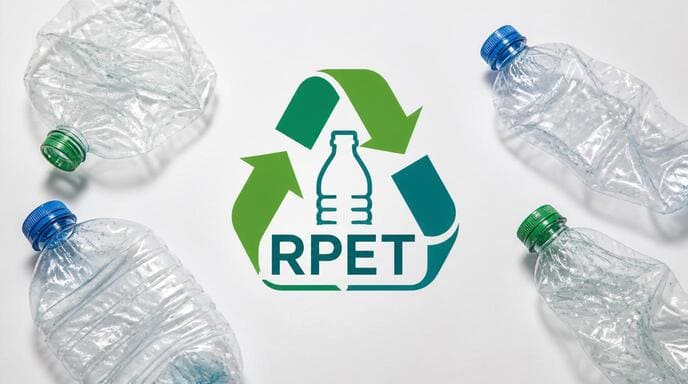
The increasing adoption of RPET allows brands to offer environmentally responsible products without significant performance compromise.
10.2 Recycled Nylon
Recycled Nylon is also available and is typically sourced from pre-consumer industrial waste or post-consumer materials like discarded fishing nets. Brands like ECONYL® have pioneered processes to regenerate Nylon waste into high-quality yarn that performs comparably to virgin Nylon.
While the performance of recycled Nylon is excellent, the recycling infrastructure and availability of recycled Nylon are currently not as extensive or mature as those for RPET. However, the market for recycled Nylon is growing rapidly as manufacturers seek to reduce their environmental footprint and meet consumer demand for sustainable high-performance materials.
Recycled Nylon, often derived from waste materials like fishing nets, offers performance comparable to virgin Nylon. While its recycling supply chain is less established than that of RPET, it is a growing and important sustainable option for high-performance applications, providing an eco-friendly alternative for durable goods.
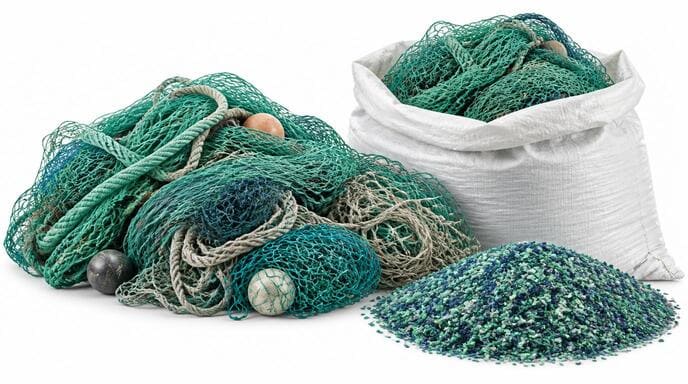
Both recycled Nylon and RPET are vital components in the shift towards more sustainable manufacturing practices in the bag industry.
11. Nylon vs Polyester for Different Bag Applications
Choosing between Nylon and Polyester often comes down to the specific demands of the bag's intended use. Here’s a breakdown for common bag types:
11.1 Duffel Bags
For duffel bags that are frequently used for travel, sports, or carrying heavy gear, Nylon is often the preferred choice. Its superior strength, excellent abrasion resistance, and tear resistance ensure it can withstand rough handling, constant use, and heavy loads. This makes it ideal for rugged travel bags and high-performance sports equipment bags. Polyester can be a good option for more casual duffels or promotional bags where cost is a primary concern, but it may not offer the same level of long-term durability under extreme stress.
Nylon is recommended for heavy-duty duffel bags and travel gear due to its superior strength and durability, while Polyester is suitable for lighter-use or promotional duffels where cost-effectiveness is prioritized.
11.2 Tool Tote Bags
Tool tote bags require exceptional durability and the ability to withstand the weight and sharp edges of tools. For industrial or heavy-duty professional use, Nylon is strongly recommended. Its high tensile strength, superior abrasion resistance, and tear resistance make it ideal for carrying heavy loads and resisting punctures and scuffs common in work environments. Polyester might suffice for lighter, more occasional tool storage, but for demanding professional applications, Nylon's robustness is unmatched.
For tool tote bags, especially those used in industrial settings, Nylon is the superior choice due to its exceptional strength, abrasion, and tear resistance, capable of handling heavy loads and rough conditions. Polyester is a viable alternative for lighter-duty or more economical tool storage solutions.
11.3 Insulated Bags
The primary function of insulated bags is to maintain temperature. While the outer material plays a role, the insulation layer itself (e.g., EPE foam, aluminum foil) is the most critical component for thermal performance. For the outer fabric, Polyester is frequently used for commercial delivery and everyday food delivery bags due to its cost-effectiveness, decent water resistance, and ease of cleaning. Nylon might be chosen for high-end or specialized outdoor insulated bags where enhanced durability and water resistance are desired, but it doesn't inherently provide better insulation.
For insulated bags, the outer material like Nylon or Polyester primarily affects durability and weather resistance, while the internal insulation layer dictates thermal performance. Polyester is common for commercial food delivery bags due to cost, while Nylon may be used for premium outdoor insulated options.
11.4 Shopping Bags
When it comes to shopping bags, especially those intended for large-scale retail or promotional use, Polyester is often the preferred material. Its key advantages are its significantly lower cost and excellent printability, allowing for vibrant branding and customization at an economical price. It offers good durability for everyday use. Nylon can be used for premium, highly durable, and reusable shopping bags where longevity and a softer feel are prioritized over cost, but for most mass-market applications, Polyester offers the best balance.
Polyester is the dominant material for shopping bags due to its cost-effectiveness, excellent printability for branding, and sufficient durability for everyday use. While Nylon can be used for higher-end reusable shopping bags, Polyester provides the best value for large-scale promotional and retail applications.
12. Nylon vs Polyester: Which One Should You Choose?
The decision between Nylon and Polyester boils down to your specific needs and priorities. Neither material is universally "better"; each excels in different areas.
Choose Nylon If You Need:
- Maximum Durability: For gear that must withstand extreme wear and tear.
- High Abrasion Resistance: When the material will be frequently rubbed or scraped.
- Heavy-Duty Performance: For applications involving significant weight or high-impact stress.
- Outdoor Equipment: Especially where toughness and resilience are paramount, and UV exposure is managed or moderate.
- A Softer, More Flexible Feel: If tactile quality and suppleness are important.
Choose Polyester If You Need:
- Lower Cost: For budget-conscious projects or high-volume production.
- Better UV Resistance: For items primarily used outdoors that will see prolonged sun exposure.
- Large-Scale Production: Its cost-effectiveness and printability make it ideal for mass markets.
- Custom Promotional Bags: Excellent for branding with vibrant, durable prints.
- Faster Drying and Moisture Resistance: For gear that might encounter damp conditions.
Ultimately, understanding the difference between Nylon and Polyester allows you to select the material that best aligns with your project's requirements for performance, longevity, aesthetics, and budget.
13. How to Choose the Right Fabric for Custom Bags?
When working with a manufacturer like Zhejiang Jiarong Packaging, selecting the right fabric for custom bags involves a systematic approach, considering several key factors. This ensures the final product meets all expectations for performance and budget.
From a buyer's perspective, you need to confirm the following:
- Usage Scenario: Clearly define where and how the bag will be used. Is it for indoor retail, outdoor events, demanding travel, industrial use, or as a promotional giveaway? This primary factor heavily influences material choice.
- Load Requirement: Estimate the maximum weight the bag will carry and the stress on the handles and seams. Consider if it needs to withstand sudden impacts or constant heavy loads. This dictates the required strength and construction quality.
- Fabric Specification: Discuss fabric options like Denier (e.g., 210D, 420D, 600D, 900D, 1000D) and weave type (e.g., plain weave, ripstop). Higher Denier generally means thicker, stronger yarn, but density and weave also play crucial roles in durability and weight.
- Surface Treatment: Consider if coatings or treatments are necessary. Options include PU coating (common for water resistance and structure), PVC coating (highly waterproof but less flexible), waterproof coatings, or lamination. These significantly impact water resistance, durability, and feel.
By carefully evaluating these elements in consultation with your manufacturing partner, you can make an informed decision on whether Nylon, Polyester, or another specialized material will best serve your custom bag needs.
Frequently Asked Questions (FAQ)
Is Nylon better than Polyester?
No single material is definitively "better"; the best choice depends entirely on the application. Nylon offers superior strength and abrasion resistance, ideal for heavy-duty use. Polyester provides better UV resistance, faster drying, and is more cost-effective, making it suitable for outdoor and promotional items.
Which lasts longer, Nylon or Polyester?
Nylon generally lasts longer in applications requiring high abrasion resistance and strength, especially under heavy stress. However, Polyester lasts longer in environments with prolonged UV exposure due to its superior resistance to sun degradation. Overall durability also heavily depends on construction quality.
Is Polyester cheaper than Nylon?
Yes, Polyester is typically cheaper than Nylon. This is due to lower raw material costs and more economical large-scale manufacturing processes. This cost difference makes Polyester a highly attractive option for budget-sensitive projects and mass production.
Which fabric is better for bags?
For bags requiring maximum durability, heavy loads, and high abrasion resistance (like travel luggage or tactical gear), Nylon is often preferred. For bags focused on cost-effectiveness, vibrant branding, and good UV resistance (like promotional totes or everyday backpacks), Polyester is usually the better choice.
Is Nylon waterproof?
Nylon is naturally water-resistant but not fully waterproof. It can absorb a small amount of moisture. For true waterproofing, Nylon fabrics require coatings such as PU, PVC, or TPU, along with sealed seams, to prevent water penetration.
Is Polyester eco-friendly?
Standard Polyester is derived from petroleum and is not biodegradable. However, Recycled Polyester (RPET), made from recycled plastic bottles, is a widely available and significantly more eco-friendly option that offers comparable performance to virgin Polyester, making it a popular sustainable choice.
Conclusion: Nylon vs Polyester Difference
In summary, the Nylon vs Polyester difference hinges on distinct properties that cater to varied needs. Nylon stands out for its superior strength, exceptional abrasion resistance, and flexibility, making it ideal for demanding, heavy-duty applications. Polyester, on the other hand, offers excellent UV resistance, faster drying, and a more affordable price point, positioning it as a strong choice for outdoor use, large-scale production, and promotional items. Both materials, when combined with proper construction techniques like reinforced stitching and quality coatings, can produce incredibly durable bags.
At Zhejiang Jiarong Packaging, we leverage our extensive OEM/ODM experience to help you navigate these choices. Whether you're looking for robust travel gear or cost-effective promotional bags, we can guide you to the perfect material. Explore how our custom solutions can meet your brand's needs by contacting us today. Let's create bags that are not only functional and durable but also align with your brand's vision and values.
Contact us to discuss your custom bag needs:
- Email: [email protected]
- WhatsApp: +86 152 6771 9222
- Website: https://ecobaggo.com/