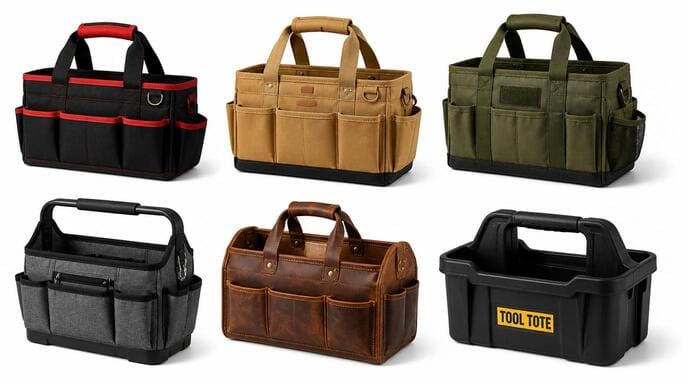
Are you tired of tool tote bags that tear under pressure, disintegrate in the rain, or are simply too heavy to carry comfortably? Professionals know that the tool tote bag materials chosen directly impact performance, durability, and usability on the job. Selecting the right fabric is crucial for protecting your tools and ensuring longevity.
The choice of materials used for tool tote bags is critical for determining their load-bearing capacity, durability, water resistance, weight, and overall cost-effectiveness. Different professions and work environments demand specific material properties, making a one-size-fits-all approach ineffective for finding the ideal tool tote bag.
Understanding the diverse range of materials available allows you to pinpoint the exact features needed for your specific tasks. From rugged construction sites to delicate electronic repairs, the fabric makes all the difference.
1. Why Tool Tote Bag Materials Matter?
The performance and longevity of any tool tote bag are intrinsically linked to the materials used in its construction. Professionals rely on their tool bags to withstand demanding conditions, keep tools organized and protected, and remain portable throughout long workdays. Understanding these material properties helps ensure you invest in a bag that meets your needs.
The primary reasons professionals care about tool tote bag materials include their load-bearing capacity, durability and abrasion resistance, water resistance, weight and portability, and cost and customization options. Each factor plays a vital role in the bag's functionality and suitability for specific applications across various trades.
The Foundation of Functionality: Material Properties in Tool Bags
Problem: You need a tool tote bag that can reliably carry your essential gear without failing. However, not all bags are created equal, and the material is often the biggest differentiator.
Agitation: A poorly chosen material can lead to ripped seams, damaged tools, or a bag that becomes unmanageable due to weight or waterlogging. Imagine a critical tool getting ruined because your bag couldn't withstand a sudden downpour or a heavy load shifted and tore through the fabric. This leads to costly replacements and frustrating delays.
Solution: Understanding the key material properties – load-bearing capacity, durability, water resistance, weight, and cost – empowers you to select the perfect tool tote bag material for your specific needs.
Defining the Tool Tote Bag and Its Common Uses
A tool tote bag is a portable container designed specifically for organizing and transporting tools and equipment. They are typically characterized by open-top designs or zippered compartments, sturdy construction, and multiple pockets for easy access.
Common applications for tool tote bags span a wide range of professions and hobbies:
- Construction workers: Carrying hammers, levels, measuring tapes, and other essential building tools.
- Electricians: Organizing wires, pliers, screwdrivers, voltage testers, and other electrical instruments.
- Mechanics: Storing wrenches, sockets, screwdrivers, and specialized automotive tools.
- Technicians: Transporting delicate equipment, diagnostic tools, and repair kits.
- Gardeners: Carrying hand trowels, pruners, gloves, and small gardening accessories.
- DIY users: Keeping household repair tools readily available.
- Industrial maintenance teams: Managing a variety of tools for facility upkeep and repair.
It's important to recognize that different materials are selected based on usage scenarios rather than one material being universally best. For instance, a mechanic might prioritize heavy-duty abrasion resistance, while an electrician might need water resistance and dielectric properties.
Choosing the right material ensures your tool tote bag effectively serves its purpose, protecting your valuable tools and making your work more efficient. Let's delve into the most common materials that contribute to their performance.
2. Common Materials Used for Tool Tote Bags Overview?
When selecting a tool tote bag, the fabric type is a primary consideration. Various synthetic and natural fibers are employed, each offering a unique balance of strength, weight, cost, and resistance to environmental factors. These materials are engineered to meet the rigorous demands of carrying heavy loads and enduring daily wear and tear.
Nylon and polyester are the two most prevalent synthetic materials used for tool tote bags, often specified by their denier (D) rating, which indicates fabric thickness and durability. Understanding the characteristics of these common tool tote bag materials is essential for making an informed purchase decision based on your specific needs and budget.
2.1 Nylon Tool Tote Bags?
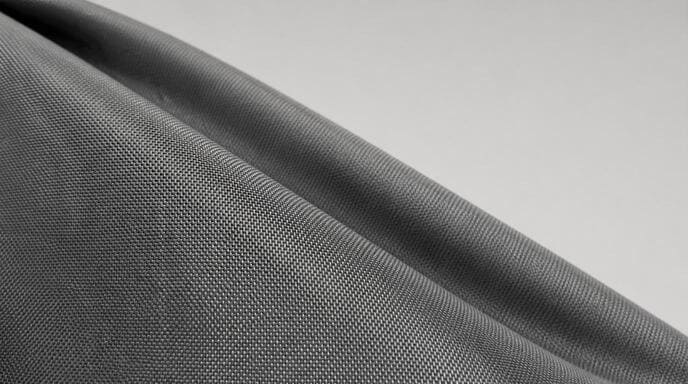
Nylon is a synthetic polymer renowned for its exceptional strength and durability, making it a popular choice for high-performance applications, including tool tote bags. Its inherent properties offer a superior strength-to-weight ratio compared to many other fabrics.
Material characteristics: Nylon is a synthetic fabric known for its high strength-to-weight ratio, excellent elasticity, and resistance to abrasion and tearing. Common nylon types used in tool bags include 420D, 600D, 900D, and 1000D, with higher denier numbers generally indicating thicker, stronger, and more durable fabric.
Section Answer: Nylon tool tote bags offer excellent tensile strength and are lightweight, making them suitable for frequent carrying and professional use due to their good abrasion resistance. However, they can be more expensive than polyester and may require coatings for enhanced water resistance.
Advantages of Nylon Tool Tote Bags
- Excellent Tensile Strength: Nylon fibers are incredibly strong and can withstand significant pulling forces without breaking, ensuring the bag can handle heavy loads.
- Lightweight: Despite its strength, nylon is relatively light, which contributes to the overall portability of the tool bag, reducing user fatigue.
- Good Abrasion Resistance: Nylon holds up well against friction and rubbing, a critical feature for tool bags that are often placed on rough surfaces or dragged.
- Suitable for Frequent Carrying and Professional Use: Its combination of strength, light weight, and abrasion resistance makes it ideal for daily use by professionals.
Disadvantages of Nylon Tool Tote Bags
- Higher Cost: Nylon fabrics, especially higher denier versions, are generally more expensive than polyester alternatives.
- Water Resistance: While not inherently water-absorbent, nylon can wick moisture. It often requires a coating (like PU or PVC) for significant water resistance.
- UV Degradation: Prolonged exposure to direct sunlight can weaken nylon fibers over time, leading to degradation and reduced performance.
Typical Applications for Nylon Tool Tote Bags
The robustness and reliability of nylon make it a top choice for demanding applications.
- Professional Tool Bags: High-end bags used by tradespeople who require maximum durability.
- Electrical Tool Totes: Where strength and resistance to minor abrasions are needed.
- Maintenance Kits: For carrying a variety of tools for regular upkeep tasks.
- Outdoor Repair Equipment Bags: When portability and toughness are paramount in varied conditions.
- Quick Summary: Nylon excels in strength-to-weight ratio and abrasion resistance, making it ideal for professional tool tote bags, though it can be pricier and requires coatings for water resistance.
2.2 Polyester Tool Tote Bags?
Polyester is another highly popular synthetic material for tool tote bags, often chosen for its balanced properties and cost-effectiveness. It offers a good compromise between durability, weight, and price, making it a versatile option for a wide array of users.
Material characteristics: Polyester is a synthetic fabric known for its strength, resistance to stretching and shrinking, and good abrasion resistance. Common specifications for tool bags include 300D, 600D, 900D, and 1200D polyester, with higher denier values indicating greater thickness and toughness.
Section Answer: Polyester tool tote bags are a cost-effective choice offering good durability for daily use, better UV resistance than nylon, and ease of printing for customization. However, they exhibit slightly lower abrasion and tear strength compared to high-grade nylon in equivalent thicknesses.
Advantages of Polyester Tool Tote Bags
- Cost-Effective: Polyester is generally more affordable than nylon, making it an excellent choice for budget-conscious buyers or for promotional items.
- Good Durability for Daily Use: It provides sufficient strength and resistance to wear and tear for everyday tasks and moderate professional use.
- Better UV Resistance: Polyester fares better under prolonged sunlight exposure than nylon, making it more suitable for applications where the bag might be left outdoors.
- Easy to Print and Customize: The surface of polyester fabric readily accepts various printing methods, allowing for vibrant logos and branding.
Disadvantages of Polyester Tool Tote Bags
- Lower Abrasion Resistance: While good, its abrasion resistance is typically not as high as premium nylon grades, especially under very harsh conditions.
- Lower Tear Strength: In equivalent thicknesses, polyester may have a lower resistance to tearing compared to nylon.
Typical Applications for Polyester Tool Tote Bags
Polyester's versatility and affordability make it suitable for a broad range of tool carrying needs.
- General-Purpose Tool Totes: Everyday bags for home repairs and hobbyists.
- Promotional Tool Bags: Cost-effective for branded giveaways and marketing campaigns.
- Household Repair Bags: Ideal for keeping a basic set of tools organized around the house.
- DIY Storage Bags: Practical for hobbyists and occasional users.
- Quick Summary: Polyester tool tote bags are a budget-friendly option providing good durability, UV resistance, and customization, though they offer slightly less abrasion and tear strength than premium nylons.
3. Heavy-Duty Materials for Professional Tool Tote Bags?
For professionals who demand maximum resilience and structural integrity, certain robust materials are preferred. These fabrics are engineered to withstand extreme conditions, heavy loads, and constant abrasion encountered in demanding work environments.
Heavy-duty tool tote bags often utilize specialized weave structures and robust fibers to ensure they can handle significant weight and rough treatment. Materials like Oxford fabric and traditional canvas offer superior performance for tasks where durability and load-bearing capacity are paramount considerations for tool tote bag materials.
3.1 Oxford Fabric Tool Tote Bags?
Oxford fabric is a type of woven fabric, most commonly made from polyester or nylon, distinguished by its basket weave structure. This weave gives it a characteristic texture and enhanced durability, making it a favorite for applications requiring toughness and resilience.
What is Oxford fabric? Oxford fabric is a woven polyester or nylon material characterized by its unique basket weave pattern, where warp and weft yarns interlace in a specific way. This construction contributes to its strength, durability, and resistance to tearing, making it commonly used in industrial and outdoor bags, including robust tool totes.
Section Answer: Oxford fabric tool tote bags feature a strong woven structure offering good abrasion resistance and better shape retention, making them well-suited for carrying heavy tools. Commonly available in specifications like 600D, 900D, and 1200D, it's ideal for construction, hardware, and industrial maintenance applications.
Advantages of Oxford Fabric Tool Tote Bags
- Strong Woven Structure: The basket weave provides inherent strength and stability to the fabric.
- Good Abrasion Resistance: It stands up well to friction and rubbing, common in tool bag use.
- Better Shape Retention: The structured weave helps the bag maintain its form, even when not fully loaded, making access to tools easier.
- Suitable for Heavy Tools: Its inherent toughness and structural integrity allow it to comfortably carry heavier tools without deforming excessively.
Common Specifications for Oxford Fabric
The denier (D) rating continues to be a key indicator of strength.
- 600D Oxford Fabric: A standard choice offering a good balance of durability and weight.
- 900D Oxford Fabric: Provides increased strength and abrasion resistance for more demanding use.
- 1200D Oxford Fabric: The thickest and most robust option, engineered for extreme durability and heavy loads.
Applications for Oxford Fabric Tool Tote Bags
This fabric's resilience makes it a go-to for challenging work environments.
- Construction Tool Totes: To withstand the rough conditions on job sites.
- Hardware Storage Bags: For organizing and transporting heavy bolts, nuts, and tools.
- Industrial Maintenance Bags: Ideal for carrying a wide range of equipment for facility upkeep.
- Quick Summary: Oxford fabric tool tote bags are known for their strong woven structure, excellent abrasion resistance, and shape retention, making them perfect for heavy-duty use with substantial tools.
3.2 Canvas Tool Tote Bags?
Canvas is a traditional and natural material, historically favored for its strength and durability. Made from cotton or a blend of cotton and synthetic fibers, canvas offers a classic look and robust performance, especially when treated or constructed with high-quality weaves.
Material characteristics: Canvas is a plain-weave fabric made from cotton or blended fibers, known for its remarkable strength, durability, and thick texture. It's a traditional material that offers a natural, premium appearance and is often used for high-quality tool carrying solutions where longevity and a classic aesthetic are desired.
Section Answer: Canvas tool tote bags are made from strong natural fibers, offering a thick and durable build with a premium appearance that can project an environmentally friendly image. While heavier and potentially absorbent without treatment, their strength makes them suitable for carpenters and gardeners.
Advantages of Canvas Tool Tote Bags
- Strong Natural Fibers: Cotton fibers provide impressive tensile strength and resistance to wear.
- Thick and Durable: Canvas fabric is inherently dense and sturdy, built to last through demanding use.
- Premium Appearance: It offers a classic, often sophisticated look that appeals to craftspeople and those valuing traditional quality.
- Environmentally Friendly Image: As a natural fiber, cotton canvas can appeal to eco-conscious consumers and brands aiming for a sustainable image.
Disadvantages of Canvas Tool Tote Bags
- Heavier Weight: Compared to synthetic alternatives like nylon or polyester, canvas is significantly heavier, which can affect portability.
- Absorbs Water: Untreated canvas readily absorbs water, becoming heavy and potentially damaging tools or leading to mildew if not dried properly. Water-resistant coatings or treatments are often necessary.
- Requires More Maintenance: To preserve its condition and prevent water absorption, canvas may need more care and attention than synthetic fabrics.
Applications for Canvas Tool Tote Bags
Canvas bags find their niche where a blend of tradition, durability, and aesthetic appeal is valued.
- Carpenter Tool Bags: Preferred for their ruggedness and ability to hold heavy framing tools.
- Gardening Tool Totes: Their natural look and sturdy build suit gardening accessories and equipment.
- Handmade and Premium Tool Bags: Often chosen for artisan crafts or high-end custom tool kits.
- Quick Summary: Canvas tool tote bags, made from natural fibers, offer traditional strength and a premium look but are heavier and require treatment for water resistance, making them suitable for specific craftspeople and hobbyists.
3.3 Leather Tool Tote Bags?
Leather represents the pinnacle of traditional craftsmanship and durability in material selection for tool storage. It’s a material that has been used for centuries, revered for its longevity, resilience, and unique aesthetic qualities that only improve with age.
Material characteristics: Leather is a highly durable and flexible material created by tanning animal rawhide and skins. It is known for its exceptional strength, resistance to puncture and abrasion, and a luxurious appearance that develops a unique patina over time, making it a traditional choice for high-end tool storage solutions.
Section Answer: Leather tool tote bags are exceptionally durable, possess a premium appearance, and develop a unique texture over time, making them ideal for professional craftsmen. However, they are significantly more expensive, heavier, require regular maintenance, and are less common for large-scale industrial tool bags.
Advantages of Leather Tool Tote Bags
- Extremely Durable: Leather is one of the strongest and most resilient materials available, capable of withstanding extreme wear and tear for many years.
- Premium Appearance: It conveys a sense of quality, craftsmanship, and professionalism, often associated with high-value tools and trades.
- Develops Unique Texture: Over time, leather softens, flexes, and develops a rich patina that is unique to its owner and usage, adding character.
Disadvantages of Leather Tool Tote Bags
- High Cost: Leather is significantly more expensive than most synthetic fabrics or canvas, reflecting its quality and labor-intensive production.
- Heavy Weight: Leather is inherently dense and heavy, which can make the tool bag itself quite substantial, even before adding tools.
- Requires Maintenance: To maintain its condition and prevent drying or cracking, leather needs regular conditioning and care.
- Less Common for Large-Scale Industrial Use: Its cost and weight make it less practical for mass-produced, heavy-duty industrial tool bags compared to robust synthetics.
Applications for Leather Tool Tote Bags
Leather is typically reserved for applications where quality, longevity, and aesthetics are paramount.
- Professional Craftsman Tool Bags: Ideal for artisans, woodworkers, jewelers, and other skilled tradespeople who value fine tools and exceptional quality.
- Premium Woodworking Tool Totes: Where the material's ability to protect fine woodworking instruments is matched by its aesthetic appeal.
- Quick Summary: Leather tool tote bags offer unparalleled durability and a premium aesthetic that ages beautifully, but their high cost, weight, and maintenance requirements limit them to niche, high-end applications for craftsmen.
4. Water-Resistant and Weatherproof Tool Tote Bag Materials?
Protecting tools from moisture is crucial, especially for those working outdoors or in environments where water, oil, or chemicals are present. Certain materials and coatings are specifically designed to repel liquids, ensuring tools remain dry and functional.
Selecting water-resistant or weatherproof materials for tool tote bags is essential for safeguarding tools from corrosion, damage, and performance issues caused by moisture. Fabrics coated with materials like PVC or TPU offer superior protection, making them ideal for demanding outdoor and industrial applications where exposure to the elements is a concern.
4.1 PVC Coated Fabric?
PVC (Polyvinyl Chloride) coating is applied to a base fabric, typically polyester or nylon, to create a robust, waterproof barrier. This combination enhances the fabric's protective qualities, making it suitable for environments where water or chemical resistance is a priority.
Material structure: PVC coated fabric consists of a strong base textile, such as polyester or nylon, that is covered with a layer of polyvinyl chloride. This durable plastic coating creates a non-porous, waterproof surface that significantly enhances the material's resistance to water, oil, and common chemicals.
Section Answer: PVC coated fabric tool tote bags provide a waterproof surface that is easy to clean and resistant to oil and chemicals, making them excellent for outdoor maintenance or industrial applications. However, they are less breathable and can become stiff in cold weather.
Advantages of PVC Coated Fabric
- Waterproof Surface: The primary benefit is the completely waterproof nature of the PVC coating, preventing water ingress.
- Easy to Clean: Spills, dirt, and grease can be easily wiped off the smooth, non-porous surface.
- Resistant to Oil and Chemicals: PVC offers good resistance to many common industrial oils, greases, and chemicals.
Disadvantages of PVC Coated Fabric
- Less Breathable: The impermeable nature means the fabric does not allow air or moisture vapor to escape, which can lead to condensation inside.
- Stiff in Cold: PVC can become less flexible and more brittle in very cold temperatures, potentially affecting bag handling.
- Environmental Concerns: Some PVC production processes and end-of-life disposal can raise environmental concerns due to the presence of chlorine and plasticizers.
Applications for PVC Coated Fabric
This material is chosen when maximum protection against liquids and chemicals is needed.
- Outdoor Maintenance Tool Bags: Ideal for protecting tools in wet weather or exposed environments.
- Construction Environments: Where materials may encounter mud, rain, or spills.
- Industrial Applications: For carrying tools or equipment that may be exposed to oils, solvents, or corrosive substances.
- Quick Summary: PVC coated fabric provides excellent waterproof, oil, and chemical resistance for tool tote bags, simplifying cleaning, but it offers poor breathability and can stiffen in cold, posing environmental considerations.
4.2 TPU Coated Fabric?
TPU (Thermoplastic Polyurethane) coated fabric offers a modern, more flexible, and often more environmentally friendly alternative to PVC. It provides excellent waterproofing and durability while maintaining a higher degree of flexibility, especially in varying temperatures.
Material characteristics: TPU coated fabric involves bonding a layer of thermoplastic polyurethane to a base textile, typically polyester or nylon. TPU is known for its excellent flexibility, abrasion resistance, good tensile strength, and better environmental profile compared to PVC, making it a premium choice for performance-oriented bags.
Section Answer: TPU coated fabric tool tote bags offer superior flexibility compared to PVC, better environmental performance, and good abrasion resistance, making them suitable for premium waterproof professional equipment bags. This material provides excellent protection in diverse outdoor and demanding conditions.
Advantages of TPU Coated Fabric
- More Flexible than PVC: TPU remains pliable across a wider temperature range, ensuring the bag is easier to handle even in cool conditions.
- Better Environmental Performance: TPU is generally considered more eco-friendly, often being free from phthalates and produced with less harmful processes than traditional PVC.
- Good Abrasion Resistance: It provides robust resistance to wear and tear, ensuring the durability required for professional tool bags.
Applications for TPU Coated Fabric
TPU's blend of performance and flexibility makes it suitable for higher-end applications.
- Premium Waterproof Tool Totes: For users who need reliable water protection without sacrificing flexibility or aesthetics.
- Outdoor Professional Equipment Bags: Ideal for field technicians, surveyors, or anyone working in unpredictable weather.
- Quick Summary: TPU coated fabrics offer flexible, environmentally friendlier waterproofing for tool tote bags, boasting good abrasion resistance, making them suitable for premium outdoor and professional use.
5. Interior and Reinforcement Materials Used in Tool Tote Bags?
Beyond the main fabric, the interior lining and reinforcement materials are critical for protecting tools and maintaining the bag's structural integrity. These components ensure that tools are shielded from impact, organized effectively, and that the bag can handle heavy loads without collapsing or deforming.
Specialized interior and reinforcement materials are vital for enhancing the functionality and durability of tool tote bags, ensuring tools are protected and the bag maintains its shape under stress. Materials like EVA foam, PE/PP boards, and metal frames provide crucial support and shock absorption, contributing significantly to the overall tool tote bag materials performance.
5.1 EVA Foam Padding?
EVA (Ethylene Vinyl Acetate) is a type of closed-cell foam known for its flexibility, toughness, and shock-absorbing properties. It's commonly used as padding inside tool bags to protect sensitive equipment from impacts and vibrations.
Purpose: EVA foam padding serves to protect delicate tools from impact, prevent scratches, and absorb vibrations during transport.
Common uses:
- Electronic Tools: Protecting circuit boards, screens, and sensitive components.
- Precision Instruments: Safeguarding delicate measuring devices like calipers or multimeters.
- Measuring Equipment: Providing a buffer for levels, laser measures, or optical tools.
- Quick Summary: EVA foam padding is used inside tool tote bags to provide impact protection and prevent scratches for sensitive tools like electronics and precision instruments.
5.2 PE Board / PP Board Reinforcement?
PE (Polyethylene) and PP (Polypropylene) boards are rigid yet lightweight plastic sheets often used to reinforce the structure of tool tote bags. They are particularly effective in the bottom panel, where they provide a stable base and prevent sagging under heavy loads.
Purpose: PE or PP boards are integrated into tool bags to maintain the bag's shape, support heavy tools placed inside, and strengthen the bottom structure against wear and tear.
Common locations:
- Bottom Panel: Providing a stiff, flat base that protects tools from ground impact.
- Side Walls: Adding rigidity to the bag's structure for better organization.
- Handle Connection Areas: Reinforcing points where stress is highest to prevent tearing.
- Quick Summary: PE or PP boards reinforce tool tote bags by maintaining shape, supporting heavy loads, and strengthening critical areas like the bottom panel and handle attachments.
5.3 Aluminum Frame or Metal Support?
For the most demanding applications requiring maximum structural integrity, some heavy-duty tool totes incorporate metal frames or supports. These elements provide exceptional rigidity and load-bearing capacity, ensuring the bag can carry substantial weight and maintain its shape under extreme stress.
Purpose: Aluminum frames or metal supports are integrated to provide additional structural strength and rigidity, enabling the bag to handle exceptionally heavy loads and maintain its form under severe stress.
Applications:
- Heavy-duty professional tool totes: For mechanics, electricians, and trades requiring substantial tool capacity.
- Industrial equipment bags: Used in manufacturing or heavy industry settings where robust support is essential.
- Quick Summary: Aluminum frames or metal supports offer maximum structural integrity for heavy-duty professional and industrial tool tote bags, ensuring they can handle significant weight and maintain their shape.
6. Tool Tote Bag Material Comparison: Nylon vs Polyester vs Canvas vs Oxford?
Choosing the right material for a tool tote bag involves balancing various factors like durability, weight, water resistance, and cost. Each material offers a distinct profile of strengths and weaknesses, making certain options better suited for specific applications and user preferences.
Comparing common tool tote bag materials reveals distinct trade-offs: Nylon offers high durability and light weight, Polyester is cost-effective, Oxford fabric provides heavy-duty resilience, and Canvas offers natural strength with a premium feel. Understanding these differences helps in selecting the optimal tool tote bag material for your needs.
Section Answer: Nylon provides high durability and light weight at a higher cost, while Polyester is an affordable, versatile option. Oxford fabric excels in heavy-duty use, and Canvas offers natural strength but is heavier and less water-resistant, with Leather being the premium, expensive choice.
Comparison Table
Here's a concise comparison of key tool tote bag materials:
| Material | Durability | Weight | Water Resistance | Cost | Best Use |
|---|---|---|---|---|---|
| Nylon | High | Light | Medium | Higher | Professional tools |
| Polyester | Medium-High | Light | Medium | Affordable | General tool bags |
| Oxford Fabric | High | Medium | Good | Medium | Heavy-duty use |
| Canvas | High | Heavy | Low-Medium | Medium | Traditional tool storage |
| Leather | Very High | Heavy | Medium | Expensive | Premium applications |
- Quick Summary: This table highlights Nylon's strength-to-weight, Polyester's affordability, Oxford's heavy-duty nature, Canvas's traditional durability, and Leather's premium cost and performance, guiding material selection for tool tote bags.
7. How to Choose the Right Material for a Tool Tote Bag?
Selecting the ideal material for your tool tote bag depends heavily on how and where you plan to use it. Your specific tools, working environment, and the frequency of use are critical factors that will guide you towards the most suitable tool tote bag material.
Choosing the right tool tote bag material involves assessing the weight of your tools, the demands of your working environment, and how often you'll be using the bag. By considering these factors, you can narrow down the options to find a material that offers the best balance of durability, functionality, and value for your specific needs.
Section Answer: The right tool tote bag material is chosen by matching tool weight (lightweight to polyester/nylon, heavy to Oxford/reinforced nylon), working environment (indoor to polyester/nylon, outdoor to Oxford/coated), and frequency of use (daily to high-denier, occasional to lighter options).
7.1 Based on Tool Weight
The sheer weight of the tools you carry is a primary driver for material selection.
- Lightweight Tools: For hand tools like screwdrivers, pliers, or a basic homeowner's toolkit, lightweight and flexible materials like polyester or standard nylon are often sufficient and provide good portability.
- Heavy Mechanical Tools: Mechanics carrying substantial wrenches, socket sets, and power tools will benefit from stronger materials. High-denier nylon (900D-1200D) or robust Oxford fabric offers the necessary strength and abrasion resistance. Reinforced stitching is also crucial here.
- Extremely Heavy Equipment: For very heavy or bulky items, the bag material must be exceptionally strong, and the overall construction needs reinforcement. This might involve heavy-duty canvas, reinforced synthetic fabrics, or bags with internal frames.
- Quick Summary: Tool weight dictates material choice: lightweight tools suit polyester/nylon, while heavy or extreme loads require reinforced nylon, Oxford fabric, or even bags with internal structural support.
7.2 Based on Working Environment
The conditions in which you use your tool tote bag significantly influence material requirements, especially concerning moisture and environmental resistance.
Indoor Environments: If your work is primarily indoors, such as in a workshop, office, or a climate-controlled facility, the demands on the material are generally less extreme.
- Recommended: Polyester and Nylon are excellent choices due to their balance of durability, weight, and cost. They offer good performance without the need for heavy-duty waterproofing.
Outdoor Environments: Working outdoors exposes your tool bag to sun, wind, rain, and potentially dirt and dust.
- Recommended: Oxford fabric provides good durability and water resistance. Coated polyesters (with PU or similar treatments) offer enhanced protection. TPU or PVC coated fabrics are excellent for environments prone to significant moisture.
Wet or Harsh Environments: This category includes areas like construction sites, marine settings, or agricultural work where constant exposure to water, mud, chemicals, or extreme temperatures is common.
- Recommended: Waterproof-coated fabrics such as TPU or PVC coated materials are essential. These materials create an impermeable barrier to protect tools from moisture and contaminants.
- Quick Summary: Indoor use is fine with polyester/nylon; outdoor environments benefit from Oxford fabric or coated synthetics; wet/harsh conditions necessitate fully waterproof TPU/PVC coated tool tote bag materials.
7.3 Based on Frequency of Use
How often you rely on your tool tote bag impacts the level of durability and construction quality you should look for in its materials.
Daily Professional Use: For tradespeople who use their tool tote bag every single day, durability and heavy-duty construction are paramount. The material needs to withstand constant loading, unloading, and exposure to job site conditions.
- Recommended: Look for fabrics with higher denier ratings, typically 900D–1200D for nylon or polyester. Reinforced stitching, such as double stitching and bar tacking at stress points, along with robust handles, is crucial.
Occasional DIY Use: If you only use a tool tote bag for occasional home repairs or hobby projects, a lighter-duty option might suffice. The investment can be lower, and portability might be prioritized over extreme ruggedness.
- Recommended: Lighter fabrics like 300D–600D polyester or nylon are perfectly adequate. Focus on a design that is easy to store and access when needed.
- Quick Summary: Daily professional use demands high-denier fabrics (900D-1200D) and reinforced construction, while occasional DIY use can be adequately served by lighter 300D-600D polyester or nylon.
8. How Fabric Thickness and Denier Affect Tool Tote Bag Performance?
The "denier" (D) of a fabric is a key measurement indicating its thickness and density, which directly influences the durability and performance of tool tote bags. Higher denier numbers typically translate to stronger, more abrasion-resistant materials, essential for carrying heavy loads and withstanding tough working conditions.
Fabric thickness, often measured in denier (D), is a critical factor in determining a tool tote bag's durability and abrasion resistance. Higher denier values signify thicker, stronger yarns, leading to more robust and long-lasting bags suitable for professional use, while lower denier fabrics are lighter and more cost-effective for general-purpose use.
Section Answer: Denier (D) measures fabric density; higher denier yarns mean thicker, more abrasion-resistant, and durable fabric for tool tote bags. Common levels range from 300D for lightweight storage to 600D for standard durability, and 900D-1200D for heavy-duty professional applications.
Explain Denier (D)
Denier is a unit of linear mass density for fibers and yarns. It is defined as the mass in grams per 9,000 meters of the fiber or yarn. A higher denier value means that the fiber or yarn is thicker and heavier.
Higher denier usually means:
- Thicker Yarn: The individual threads making up the fabric are of greater diameter.
- Better Abrasion Resistance: Thicker yarns can withstand more friction and rubbing before showing wear.
- Higher Durability: The fabric is generally stronger and more resistant to tearing and punctures.
Common Denier Levels for Tool Tote Bags
The choice of denier impacts the bag's intended use and lifespan.
- 300D: Fabrics in this range are considered lightweight. They are suitable for lighter-duty tool storage or applications where minimal weight is a priority and extreme durability isn't necessary. Often found in promotional bags or organizers for smaller items.
- 600D: This is a very common and versatile denier for tool tote bags. It offers a good balance of durability, weight, and cost, making it suitable for general-purpose tool storage, DIY use, and moderately demanding professional applications.
- 900D–1200D: Fabrics at this denier level are considered heavy-duty. They are engineered for maximum toughness, abrasion resistance, and load-bearing capacity, making them the preferred choice for professional tradespeople who need a reliable bag for heavy tools and demanding job sites.
- Quick Summary: Fabric denier (D) indicates thickness and durability; higher denier (e.g., 900D-1200D) means tougher, more abrasion-resistant materials ideal for heavy-duty professional tool tote bags, while lower deniers (300D-600D) are lighter and more cost-effective for general use.
9. Other Material Factors That Affect Tool Tote Bag Durability?
Beyond the base fabric's denier and weave, several other material components and construction techniques significantly contribute to a tool tote bag's overall durability and longevity. These include fabric coatings, the quality of stitching thread, and the robustness of zippers and hardware.
Attention to secondary material factors like fabric coatings, robust stitching threads, and durable hardware is crucial for ensuring the long-term performance and reliability of tool tote bags. These elements work in conjunction with the primary fabric to withstand wear, tear, and environmental exposure, thereby enhancing the bag's overall tool tote bag materials integrity.
Section Answer: Fabric coatings (PU, PVC) improve water resistance and cleanability; durable stitching materials (polyester, nylon thread) with reinforced techniques (double stitching, bar tacking) prevent seam failure; and strong zippers and hardware enhance overall tool tote bag durability.
9.1 Fabric Coating
Many fabrics used for tool tote bags are treated with coatings to enhance their properties, especially water resistance and ease of cleaning.
Discuss:
- PU Coating (Polyurethane): A flexible, breathable coating often applied to the inside of fabrics like polyester or nylon. It improves water resistance and helps prevent fraying.
- PVC Coating (Polyvinyl Chloride): A thicker, less breathable, and more rigid coating that provides excellent waterproofing and chemical resistance. Often used on the exterior.
- Waterproof Treatment: General term for various finishes applied to repel water, making the fabric more resistant to moisture penetration.
Effects:
- Improves Water Resistance: Creates a barrier against liquid penetration.
- Increases Cleaning Ability: Makes it easier to wipe away dirt, grease, and stains.
- Protects Fabric Surface: Adds a layer of protection against abrasion and environmental damage.
- Quick Summary: Fabric coatings like PU and PVC enhance tool tote bags by improving water resistance, increasing ease of cleaning, and protecting the underlying fabric from wear and damage.
9.2 Stitching Materials
The thread used for stitching is as important as the fabric itself. Inferior thread can break, leading to seam separation and bag failure, even with a strong fabric.
Include:
- Polyester Thread: A strong, durable thread with good resistance to stretching, UV light, and abrasion. It's a common choice for high-quality tool bags.
- Nylon Thread: Known for its exceptional strength and elasticity, nylon thread is very resistant to abrasion and breakage, making it ideal for heavy-duty applications.
Explain importance of:
- Double Stitching: Using two parallel rows of stitches for added strength and seam integrity.
- Bar Tacking: Reinforcing stress points like pocket openings or handle attachments with dense, interlocking stitches to prevent tearing.
- Reinforced Handle Stitching: Extra stitching or webbing around handle attachment points to ensure they can support heavy loads.
- Quick Summary: Durable stitching materials like polyester or nylon thread, combined with reinforcement techniques such as double stitching and bar tacking, are vital for preventing seam failure and ensuring the longevity of tool tote bags.
9.3 Zippers and Hardware
The quality of zippers, buckles, snaps, and D-rings significantly impacts a tool tote bag's usability and lifespan. Cheap, flimsy hardware can break or jam, rendering parts of the bag inaccessible or causing functional failure.
Discuss:
- Metal Zippers: Often preferred for their durability and robustness over plastic zippers, especially for main compartments. Brands like YKK are known for quality.
- Plastic Buckles: While lighter, heavy-duty plastic buckles (e.g., acetal or nylon) can be very strong and suitable for straps and closures.
- D-rings and Snaps: Used for attaching accessories or securing flaps, these should be made of strong metal or reinforced plastic.
- Rivets: Sometimes used to reinforce handle attachments or corners, adding extra strength.
Explain how hardware affects overall durability: High-quality hardware ensures that closures work reliably, straps adjust securely, and attachments remain intact, preventing potential points of failure and contributing to the bag's overall resilience.
- Quick Summary: Zippers, buckles, and hardware like D-rings are critical for a tool tote bag's durability; opting for sturdy metal zippers and reinforced plastic or metal components ensures reliable functionality and longevity.
10. Sustainable Materials for Tool Tote Bags?
As environmental consciousness grows, so does the demand for sustainable options in product manufacturing, including tool tote bags. Manufacturers are increasingly exploring recycled and renewable materials that offer comparable performance to traditional fabrics while minimizing ecological impact.
Sustainable tool tote bag materials like RPET fabric and organic cotton canvas are gaining traction, offering eco-friendly alternatives without compromising functionality. These materials help reduce waste and reliance on virgin resources, aligning with the values of environmentally conscious consumers and brands.
Section Answer: RPET fabric, made from recycled PET bottles, offers similar performance to polyester with reduced environmental impact, suitable for eco-conscious brands. Organic cotton canvas provides a renewable, natural appearance and is ideal for premium, sustainable branding applications.
10.1 RPET Fabric Tool Tote Bags?
RPET (Recycled Polyethylene Terephthalate) fabric is derived from post-consumer plastic bottles. This innovative material allows for the creation of durable, high-performance textiles while diverting plastic waste from landfills and oceans.
Characteristics:
- Made from Recycled PET Bottles: The primary raw material is post-consumer plastic, which is processed into fibers.
- Similar Performance to Polyester: RPET fabric shares many of the desirable properties of virgin polyester, including strength, durability, and water resistance.
Advantages:
- Reduced Environmental Impact: Significantly lowers the demand for virgin plastic production and reduces plastic waste.
- Suitable for Eco-Conscious Brands: Brands looking to promote sustainability can leverage RPET for their packaging and promotional items.
- Quick Summary: RPET fabric, crafted from recycled plastic bottles, provides an eco-friendly alternative to polyester for tool tote bags, offering comparable performance and reducing environmental impact.
10.2 Organic Cotton Canvas Tool Bags?
Organic cotton canvas offers a sustainable option derived from natural, renewable resources. Unlike conventional cotton, organic farming practices avoid synthetic pesticides and fertilizers, leading to a healthier ecosystem and a more environmentally sound product.
Discuss:
- Renewable Material: Cotton is a plant-based, renewable resource. Organic cultivation further enhances its sustainability credentials.
- Natural Appearance: Organic cotton canvas retains the classic, natural look and feel of traditional canvas, often perceived as premium.
- Premium Branding Applications: Its natural aesthetic and eco-friendly sourcing make it ideal for brands that emphasize quality, craftsmanship, and environmental responsibility.
- Quick Summary: Organic cotton canvas offers a renewable and natural material for tool tote bags, providing a premium appearance and eco-friendly appeal suitable for sustainable branding.
11. Which Material Is Best for Tool Tote Bags?
The "best" material for a tool tote bag is subjective and depends entirely on the intended application, user priorities, and budget. There isn't a single material that outperforms all others in every scenario. Instead, certain materials excel in specific categories.
The best material for tool tote bags depends on specific needs: 900D-1200D nylon or heavy-duty Oxford fabric offer overall durability; 600D polyester is the best value; RPET or organic cotton canvas are best eco-friendly options; Leather is premium; and TPU/PVC coated fabrics are best for waterproofing.
Section Answer: For overall durability, 900D–1200D nylon or heavy-duty Oxford fabric are top choices. The best value option is typically 600D polyester. For eco-friendly bags, RPET or organic cotton canvas are ideal. Leather offers a premium choice, while TPU/PVC coated fabrics are best for waterproofing.
Best Overall Durability
- 900D–1200D Nylon: Offers an exceptional blend of strength, abrasion resistance, and relatively low weight for professional, long-term use.
- Heavy-Duty Oxford Fabric: Its robust weave structure and high denier ratings provide extreme resilience and load-bearing capacity for the toughest jobs.
Best Value Option
- 600D Polyester: Provides a very good balance of durability, lightweight design, and affordability, making it an excellent choice for general-purpose and frequent use without breaking the bank.
Best Eco-Friendly Option
- RPET Polyester: Utilizes recycled plastic, reducing waste and environmental impact while maintaining polyester's performance characteristics.
- Cotton Canvas (especially organic): A natural, renewable fiber that biodegrades, offering a sustainable choice with a classic aesthetic.
Best Premium Option
- Leather: Offers unparalleled longevity, a luxurious feel, and a sophisticated appearance that ages gracefully, appealing to craftspeople who value tradition and quality.
Best Waterproof Option
- TPU/PVC Coated Fabrics: These materials create a sealed barrier, offering the highest level of protection against water, moisture, and even certain chemicals, essential for extreme or wet environments.
- Quick Summary: The 'best' tool tote bag material is application-specific: Nylon/Oxford for durability, Polyester for value, RPET/Canvas for eco-friendliness, Leather for premium appeal, and TPU/PVC for waterproofing.
12. Custom Tool Tote Bag Material Selection Guide for Businesses?
For businesses looking to create custom tool tote bags, whether for their own branding, promotional giveaways, or as part of a product offering, selecting the right materials is paramount. This decision directly influences product quality, perceived value, functionality, and ultimately, customer satisfaction.
Businesses should consider factors like product positioning, target users, tool weight, budget, and branding needs when selecting custom tool tote bag materials. A strategic material choice ensures the final product aligns with brand identity, meets user expectations, and offers competitive value in the market.
Section Answer: Businesses should consider product positioning, target users, tool weight, budget, printing method compatibility, and MOQs when selecting custom tool tote bag materials, balancing these with customization options like fabric type, thickness, color, and added features like pockets or coatings.
Factors Suppliers and Buyers Should Consider
When Jiarong Packaging partners with clients for custom tool tote bags, we guide them through these critical considerations:
- Product Positioning: Is this a premium product, a value item, or a promotional giveaway? Material choice strongly dictates perceived quality and price point.
- Target Users: Who will use the bag? A construction worker has different needs (durability, water resistance) than a technician (impact protection, organization).
- Tool Weight Requirements: The types and weight of tools the bag must hold dictate the fabric strength and reinforcement needed.
- Production Budget: Material costs vary significantly. Balancing desired features with budgetary constraints is key.
- Custom Branding Needs: How will logos and branding be applied? Some materials are better suited for specific printing methods (e.g., screen printing, heat transfer, embroidery).
- Printing Method Compatibility: Certain fabrics and coatings work better with specific printing techniques. Ensuring compatibility is crucial for achieving vibrant, lasting logos.
- Minimum Order Quantity (MOQ): Suppliers often have MOQs for custom materials or colors, which must align with the business's order volume.
- Quick Summary: Businesses selecting custom tool tote bag materials must align choices with product positioning, target audience needs, tool weight, budget, and branding requirements, considering compatibility with printing methods and supplier MOQs.
Customization Options
Leveraging different tool tote bag materials and features allows for a highly tailored product.
- Fabric Selection: Choosing between nylon, polyester, Oxford, canvas, RPET, or blends based on desired properties.
- Fabric Thickness: Selecting denier (D) ratings from 300D to 1200D+ for appropriate strength.
- Color: Available in a vast spectrum of colors, including custom PMS matching.
- Logo Printing: Options include screen printing, heat transfer, embroidery, or digital printing depending on fabric and complexity.
- Pockets and Compartments: Designing internal and external pockets for optimal tool organization.
- Reinforced Handles: Adding extra stitching, webbing, or padded grips for comfort and durability.
- Waterproof Coating: Applying PU, PVC, or TPU coatings for enhanced protection.
- Custom Sizes: Manufacturing bags to specific dimensions to perfectly fit required tools or marketing needs.
- Quick Summary: Customization options for tool tote bags include selecting fabric type, thickness, and color, along with adding features like custom printing, varied pockets, reinforced handles, waterproof coatings, and specific dimensions.
13. Conclusion: Choosing the Right Tool Tote Bag Material
Selecting the appropriate tool tote bag material is fundamental to its performance, durability, usability, and overall cost. As we've explored, the world of materials offers a diverse range of options, from robust synthetics like nylon and polyester to natural fibers like canvas and specialized coated fabrics.
There is no single "best" material for all tool tote bags; the ideal choice is dictated by a careful assessment of your specific requirements. Whether you prioritize lightweight portability for frequent use, rugged strength for heavy loads, waterproof protection for harsh environments, or a sustainable profile for your brand, the right material is out there.
We recommend selecting tool tote bag materials based on your working conditions, the weight of your tools, how often you'll use the bag, your budget, and any specific brand requirements. At Jiarong Packaging, we specialize in custom, eco-friendly solutions. Contact us today to discuss your unique needs and let us help you design the perfect tool tote bag that combines functionality, durability, and sustainability for your brand.