

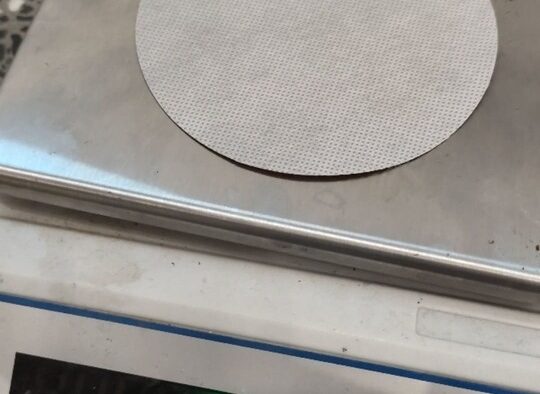
How to Measure the GSM of Non-Woven Bags: Practical Tips from Experience
Outline (List-Style Summary)
- GSM and Bag Quality: What You Need to Know
- Why Measuring GSM Solves Most Problems
- Tools for Simple and Accurate Measurement
- Step-by-Step Guide to Measure GSM
- Lessons from Factory Practice
- How GSM Helps Buyers Make Confident Choices
- Contact for Professional Guidance
Problem–Agitate–Solution (PAS) Introduction:
I often get messages from buyers asking, “How can I be sure these non-woven bags are strong enough?” Bag quality depends on many factors—fabric type, stitching, lamination—but GSM (grams per square meter) gives the most direct clue about fabric strength and durability. Measuring GSM can prevent disappointment and ensure cost-effective orders.
Quick Answer:
GSM measures the weight of fabric per square meter. To get it, cut a sample, weigh it, and divide by its area. This simple step tells you a lot about bag thickness and durability, helping traders and wholesalers avoid guesswork.
Think of it like checking the foundation of a building: the structure matters, but a solid base (GSM) ensures most problems don’t happen.
1. GSM and Bag Quality: What You Need to Know
GSM, short for grams per square meter, is a standard measure of fabric weight.
- Higher GSM usually means thicker, stronger, and more durable bags.
- Lower GSM may save cost but may tear under heavy use.
I’ve seen bags with perfect stitching fail because the fabric was too thin. Even if the sewing is excellent, GSM is the most immediate measure of reliability.
For example:
- 75 GSM: Light bags for flyers or small gifts
- 100–120 GSM: Medium-weight bags for retail shopping
- 150+ GSM: Heavy-duty bags for groceries or export packaging
Knowing GSM helps match your order to the intended use, avoiding surprises.
2. Why Measuring GSM Solves Most Problems
Bag quality is influenced by many factors: stitching, lamination, fabric type. But in my experience, measuring GSM alone solves 80% of the common quality questions:
- Is the bag thick enough for heavy items?
- Will it hold up after multiple uses?
- Does it match the price I’m paying?
While it doesn’t capture everything, GSM gives a quick, objective standard. It’s like tasting a cake batter—you can’t judge the whole cake yet, but it tells you if it will bake well.
3. Tools for Simple and Accurate Measurement
To measure GSM, you don’t need fancy equipment. I recommend:
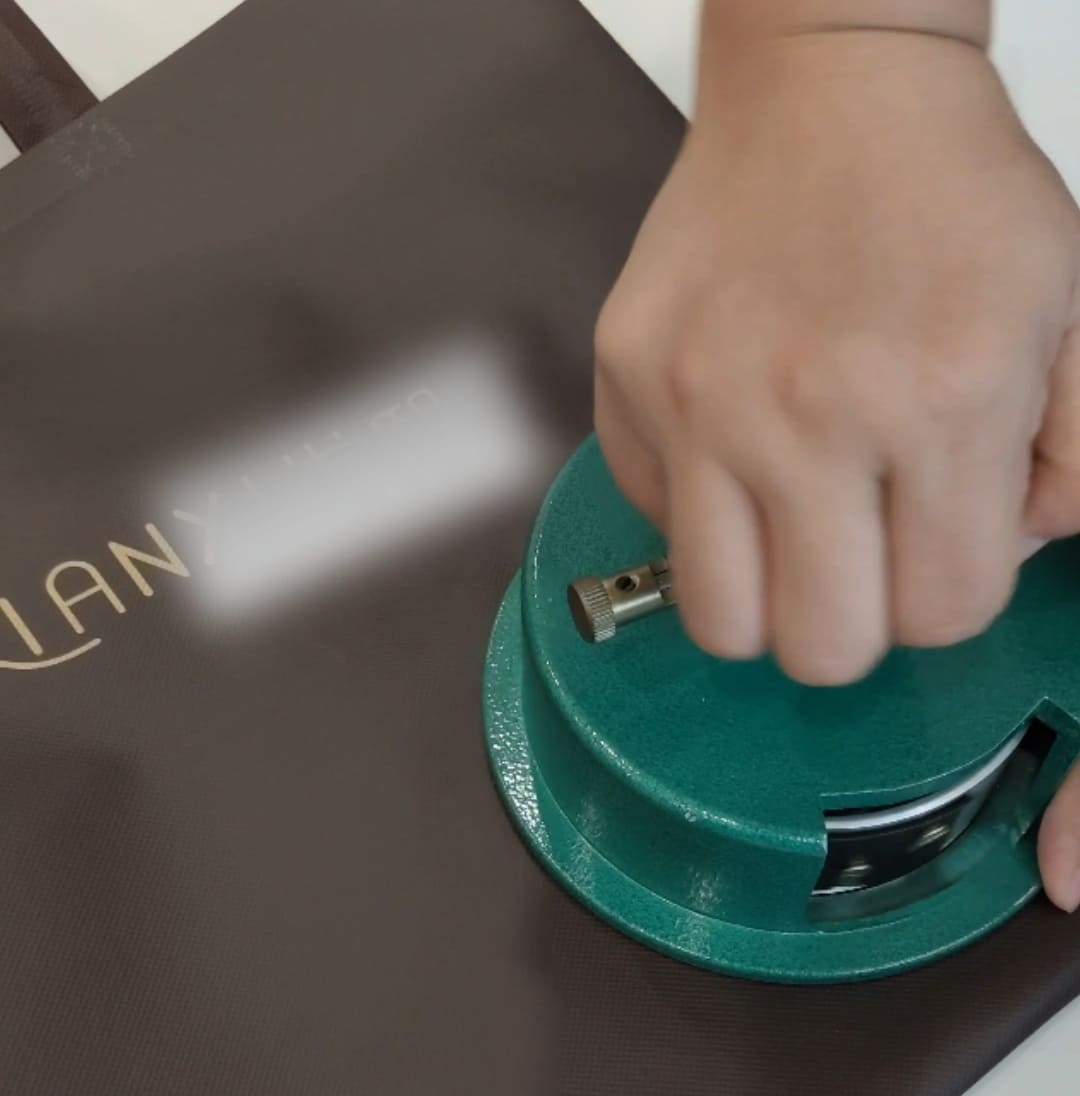
- Fabric cutter or scissors – to cut a clean square sample
- Digital scale – accurate to 0.01 g
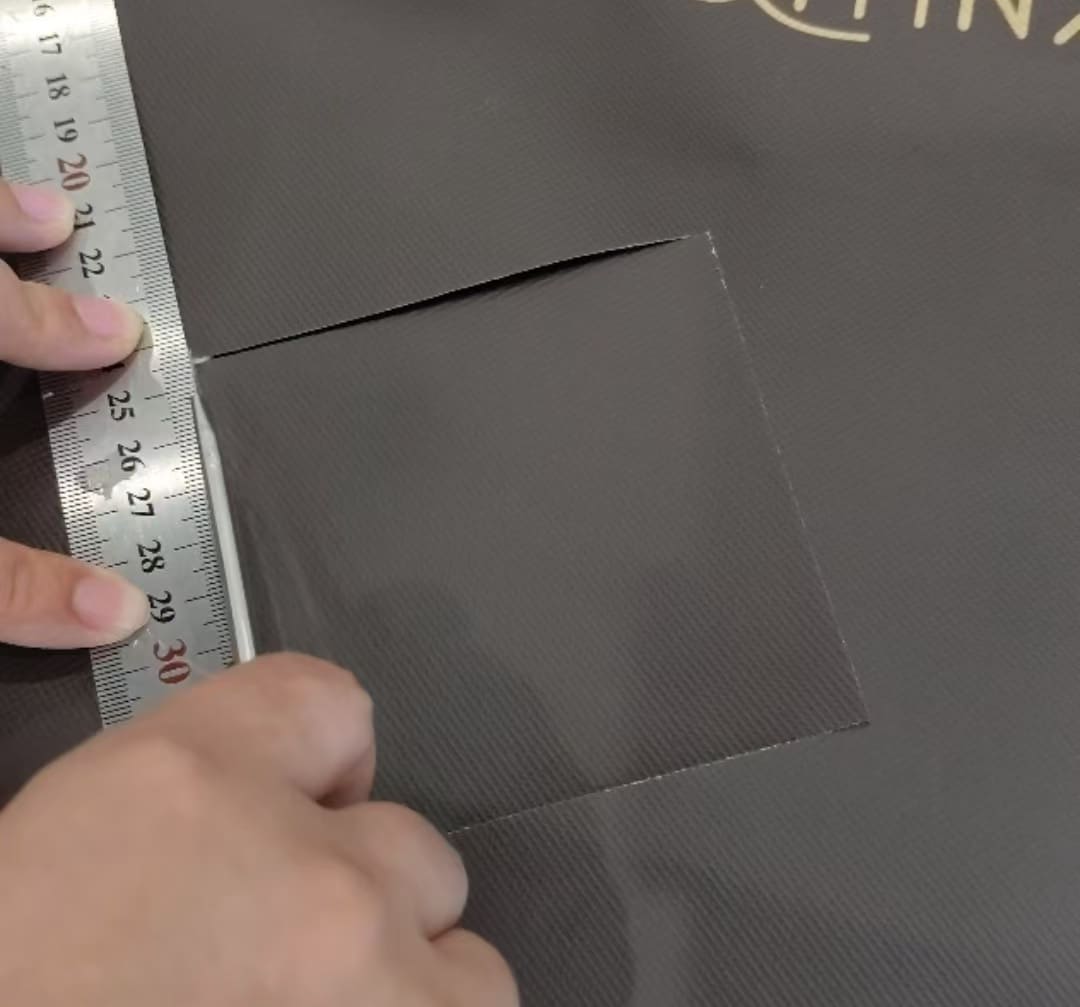
- Ruler or template – to measure the sample area precisely
With these tools, you can test any bag batch within minutes, whether at the factory or in your own office.
4. Step-by-Step Guide to Measure GSM
Here’s the method I use regularly:
-
Cut a sample: Take a square piece of 10 cm × 10 cm (1 square decimeter).
-
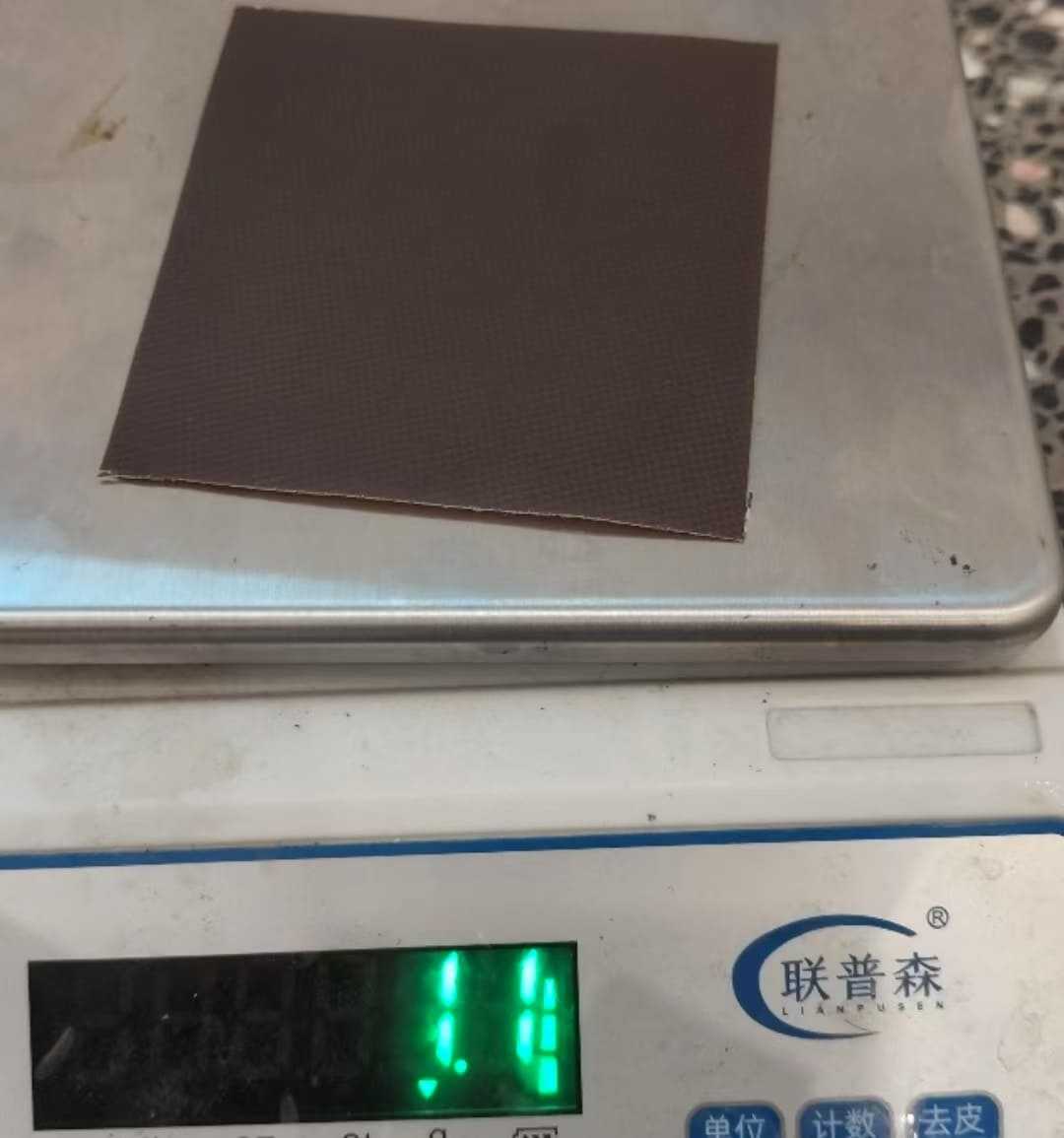
Weigh it: Place the sample on a digital scale. Suppose it weighs 1.1 g.
-
Convert area: 1 square decimeter = 0.01 square meters.
-
Calculate GSM:
GSM = Weight (g) ÷ Area (m²)
GSM = 1.1 ÷ 0.01= 110 g/m²
- Compare to standards: Check if this GSM matches your order requirements.
Measuring several samples from the same batch ensures consistency. In my experience, even a single outlier can reveal a batch problem early.
5. Lessons from Factory Practice
From years of working with non-woven bags:
- Always use a flat, clean section of the bag. Folds can distort the weight.
- Test multiple samples to account for variations.
- Keep a simple log of GSM for each supplier—it saves time on future orders.
Even when stitching and lamination are perfect, I trust GSM as the first indicator of quality. It’s the quickest way to detect potential issues before shipment.
6. How GSM Helps Buyers Make Confident Choices
Knowing GSM allows traders to:
- Avoid bags that tear under load
- Price products accurately based on material strength
- Maintain trust with clients by offering consistent quality
Think of GSM as the bag’s “strength rating.” When I select bags for clients, I always check GSM first—it tells me almost everything I need to know.
7. Contact for Professional Guidance
For guidance on GSM testing, samples, and bulk orders:
Email: [email protected]
WhatsApp: Click to chat
Professional manufacturers can advise on GSM standards, testing methods, and custom solutions to ensure every order meets expectations.
Measuring GSM is a simple step that prevents major problems. Even if bag quality depends on many factors, GSM gives the clearest, most immediate insight. With a scale, cutter, and some calculation, I can confidently evaluate any batch and ensure buyers receive reliable, durable non-woven bags.