Problem – Agitate – Solution
Finding an insulated bag supplier looks easy online. Thousands of options appear in seconds. Prices look competitive. Photos look professional. But after the order is placed, reality often changes. Delays happen. Foam thickness is reduced. Stitching becomes loose. The insulation does not perform as promised. End customers complain. Profit margins shrink.
A truly reliable insulated bag supplier is one who can deliver stable insulation structure, consistent quality across bulk production, transparent production capacity, verified certifications, and clear after-sales responsibility. Buyers must evaluate the factory’s real manufacturing strength, technical structure, communication efficiency, and quality control system before committing to long-term cooperation.
Selecting the right supplier is not just purchasing products. It is building a supply chain foundation. The following seven steps reflect practical sourcing experience and common real-world risks.
1. Confirm Whether the Supplier Is a Real Factory
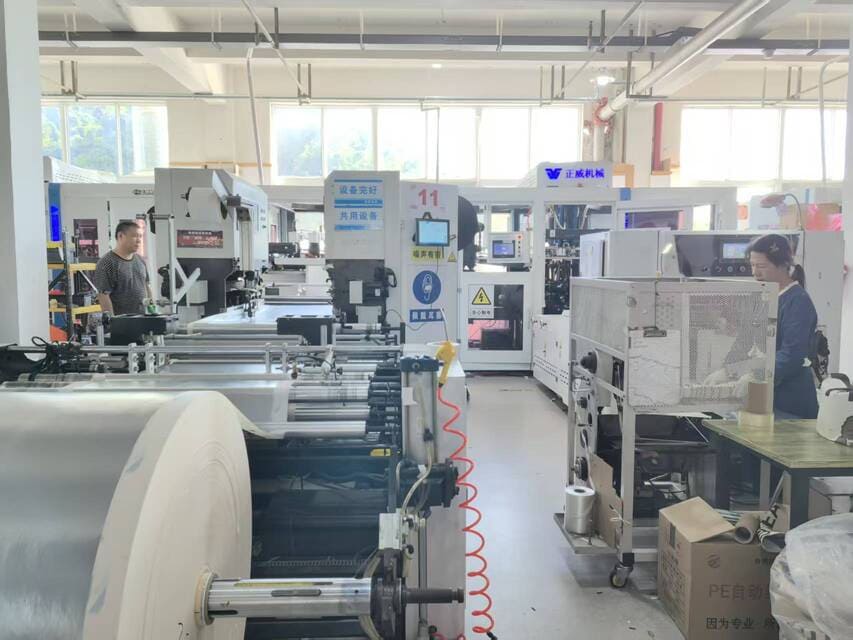
Many companies present themselves as manufacturers. Some are trading companies without their own production lines. This affects price control, quality consistency, and delivery stability.
A serious supplier should provide:
- Real factory photos and workshop videos
- Machine quantity and type
- Production line details
- Monthly capacity data
- Peak season production plan
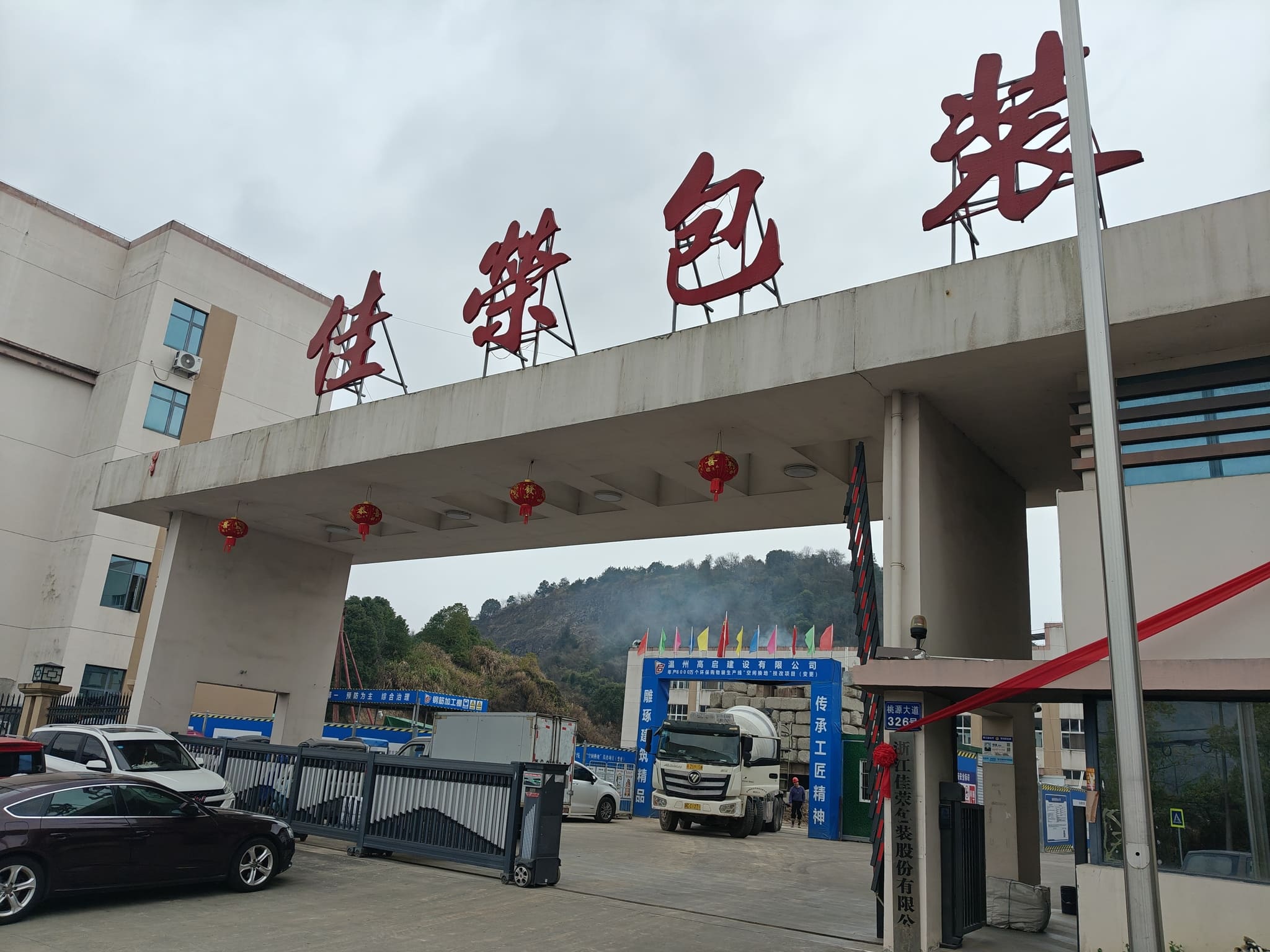
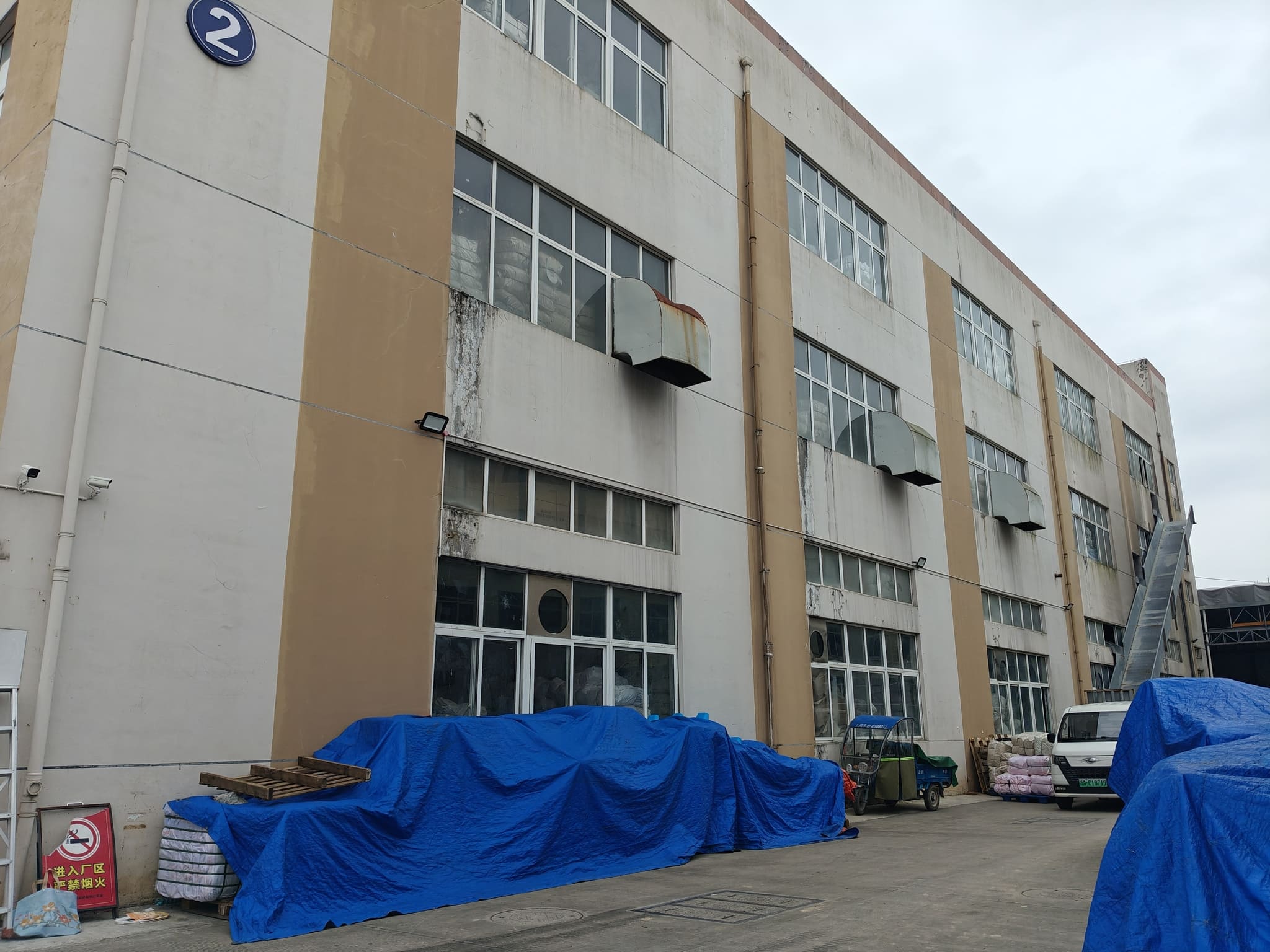
Real factory photos, 2026
For insulated bags, check whether the factory has:
- Lamination machines
- Automatic cutting machines
- Sewing lines
- Heat-sealing equipment
Production equipment directly affects structure quality. If lamination is outsourced, insulation consistency may vary between batches.
Ask clear questions:
- What is the daily output for this specific model?
- How many workers are assigned during peak season?
- Is production done in-house or subcontracted?
Vague answers usually signal risk.
2. Evaluate the Internal Structure, Not Just the Exterior
Most insulated bags look similar from outside. The difference is inside.
A standard insulated bag usually includes:
- Outer layer (non-woven, polyester, RPET, or woven fabric)
- Middle insulation layer (EPE foam or PE foam)
- Inner lining (aluminum foil or PEVA)
- Edge sealing method
Common practical problems include:
- Foam thinner than agreed specification
- Uneven lamination
- Aluminum foil tearing at folding lines
- Needle holes causing leakage
Request a cut-open sample. Measure foam thickness physically. Test by placing ice packs inside for several hours.
Insulation performance is like a house wall. If the middle layer is weak, temperature control fails quickly.
3. Test Sample Consistency Before Mass Production
A perfect first sample does not guarantee stable bulk production.
Before confirming the order:
- Approve a pre-production sample
- Confirm material specification in writing
- Request production photos during manufacturing
Check:
- Stitching density
- Handle reinforcement
- Zipper alignment
- Printing color consistency
Load the bag with weight. Lift it repeatedly. Weak stitching usually appears under stress.
Consistency is more important than a visually perfect single sample.
4. Review Certification and Compliance for Your Market
If your products enter supermarkets or chain stores, compliance is mandatory.
Ask about:
- ISO 9001 quality management
- BSCI social audit
- Material safety testing if required
Certificates alone are not enough. Confirm:
- Validity date
- Issuing organization
- Whether production site matches certificate address
Proper documentation reduces customs delays and brand risk.
5. Understand MOQ and Production Flexibility
High MOQ increases inventory pressure.
Professional factories usually explain clearly:
- Standard MOQ per size
- Printing plate cost
- Mixed size or mixed design policy
- Sample lead time
- Bulk production lead time
Flexible suppliers help buyers test markets before scaling.
Rigid MOQ without explanation may indicate production inefficiency.
6. Evaluate Communication Quality and Transparency
Communication reflects internal management structure.
Observe:
- Response speed
- Clarity of technical answers
- Willingness to explain structure details
- Ability to provide photos or videos quickly
Reliable factories communicate production schedule updates. They confirm artwork details carefully. They clarify packing methods and carton specifications.
Miscommunication often causes printing errors or delivery disputes.
7. Confirm After-Sales Policy and Risk Handling
Even strong factories can face unexpected issues. The key difference is responsibility.
Before placing bulk orders, clarify:
- Acceptable defect rate
- Compensation method
- Replacement policy
- Claim procedure timeline
Professional suppliers provide written quality agreements. They focus on solving problems rather than avoiding responsibility.
Long-term cooperation depends on how problems are handled, not how they are avoided.
Final Thoughts
Finding a reliable insulated bag supplier requires structured evaluation. Price comparison alone is not enough.
Verify real manufacturing capacity.
Examine internal insulation structure.
Test bulk consistency.
Check certification validity.
Understand MOQ flexibility.
Evaluate communication clarity.
Confirm after-sales responsibility.
Stable supply builds stable business. When insulation structure is consistent, stitching is strong, and delivery is on time, the supplier becomes part of your brand strength.
Reliable sourcing reduces risk. Reduced risk protects profit. And protected profit supports long-term growth.
Contact for Material Guidance and Sampling Support
For material consultation, sample support, and factory-level guidance, reach out directly:
📧 Email: [email protected]
📱 WhatsApp: +86 152 6771 9222
🌐 Website: ecobaggo.com
Clear material understanding leads to stable orders and smoother production.