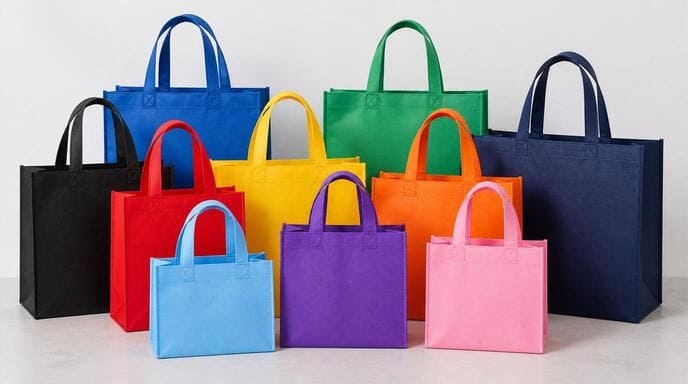
When choosing reusable packaging for retail, promotional events, or product distribution, businesses need to understand the differences between various bag materials. Selecting the right bag type can directly affect durability, appearance, cost, and overall customer experience.
Non-woven bags are reusable carriers made from non-woven fabric, a material produced by bonding polypropylene (PP) or polyester fibers together instead of weaving them into traditional fabric. They offer a lightweight, durable, and customizable packaging solution widely used for shopping bags, promotional bags, retail packaging, and various business applications.
Understanding how non-woven bags are made, what materials they use, and how they compare with other bag options is essential for businesses looking for reliable packaging solutions. With their fabric-like appearance, flexible customization options, and efficient production process, non-woven bags have become a popular choice for companies worldwide.
What Makes Non-Woven Bags Different From Other Bags?
Do you ever feel confused when comparing reusable shopping bags, plastic bags, and fabric bags? Although many bags may look similar, their materials and manufacturing processes create very different performance characteristics.
Non-woven bags are made by bonding polypropylene (PP) or polyester (PET) fibers together through heat, pressure, or chemical processes. Unlike woven fabrics, the fibers are not interlaced into yarns, creating a lightweight but strong material with a unique fabric-like texture.
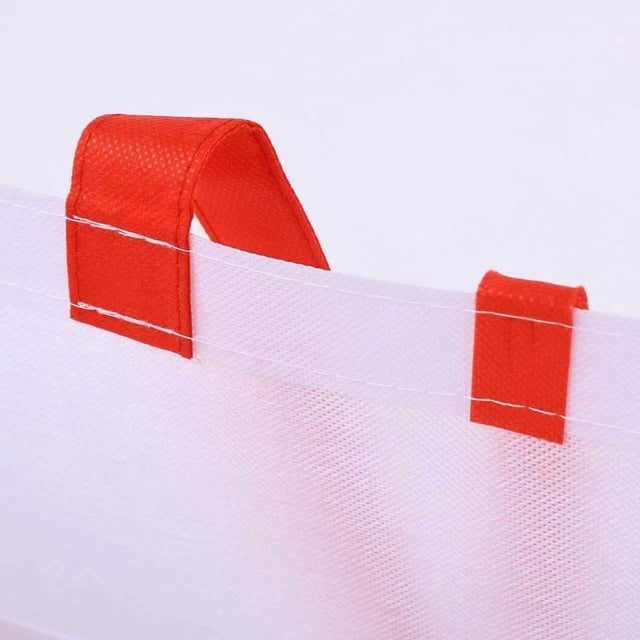
The production method directly affects the bag’s strength, appearance, water resistance, and overall cost. Understanding how non-woven fabric is made helps businesses select the right bag style for different applications, from grocery shopping and retail packaging to promotional events and corporate giveaways.
Material Composition and Characteristics
Most non-woven bags are made from polypropylene (PP), a thermoplastic polymer known for its strength, moisture resistance, and cost efficiency. Polypropylene non-woven fabric is widely used because it provides a good balance between durability and affordability.
Another commonly used material is polyester (PET), which offers different performance characteristics, including higher abrasion resistance and improved dimensional stability for certain applications.
The thickness of non-woven fabric is usually measured by GSM (grams per square meter). GSM plays an important role in determining the bag’s strength, appearance, and price.
- 60-80 GSM: Lightweight and suitable for promotional bags, giveaways, and simple packaging.
- 90-100 GSM: A popular choice for reusable shopping bags with better durability.
- 110-120 GSM or higher: Stronger options suitable for heavier products and premium reusable bags.
Choosing the correct GSM is important because a thicker material does not always mean a better solution. The right choice depends on the intended use, carrying weight, printing requirements, and budget.
The Manufacturing Process: Beyond Traditional Weaving
Unlike woven fabrics that are created by interlacing threads, non-woven fabric is manufactured by directly bonding fibers together.
One common production method is the spunbond process. During manufacturing, polypropylene pellets are melted and stretched into continuous fibers. These fibers are arranged into a web structure and bonded using heat and pressure rollers, creating a uniform sheet of non-woven material.
Another method is the meltblown process, where extremely fine fibers are produced through high-speed air streams. This method is commonly used for filtration materials, while spunbond technology is more widely applied in reusable bag production because of its strength and stability.
This efficient manufacturing method allows factories to produce large volumes of non-woven fabric with consistent quality, making non-woven bags a cost-effective choice for businesses requiring customized packaging at scale.
Comparing Non-Woven Bags to Other Bag Materials
Selecting the right packaging material depends on the product requirements, expected usage, and brand goals. The following comparison highlights the differences between common bag materials.
| Feature | Non-Woven Bags | Plastic Bags | Paper Bags |
|---|---|---|---|
| Material | Polypropylene (PP) / Polyester (PET) | Polyethylene (PE) | Paper pulp |
| Durability | High, reusable multiple times | Low, usually single-use | Medium, limited by moisture |
| Water Resistance | Good resistance to moisture | Excellent | Poor unless coated |
| Environmental Impact | Reusable and recyclable in suitable systems | Creates long-term plastic waste | Renewable and recyclable when untreated |
| Print Quality | Excellent for logos and custom designs | Limited branding options | Good printing performance |
| Cost | Moderate with long-term value | Low initial cost | Moderate to high |
| Appearance | Fabric-like and customizable | Smooth plastic texture | Natural paper appearance |
This comparison explains why many companies choose custom non-woven bags as a middle-ground solution. They provide better durability than disposable plastic bags while offering more flexibility and lower production costs compared with many traditional fabric bags.
Why Are Non-Woven Bags Becoming Popular for Businesses?
Businesses today are facing increasing demand for sustainable packaging options. Customers want products that are practical, reusable, and aligned with environmental responsibility.
Non-woven bags are gaining popularity because they are reusable, affordable, customizable, and suitable for long-term brand exposure. They allow businesses to combine functional packaging with effective marketing opportunities.

A customized reusable bag is not only a packaging item. Every time a customer carries the bag in public, the printed design becomes a form of mobile brand communication.
Sustainability and Environmental Responsibility
One of the main reasons companies choose non-woven shopping bags is their reusable nature.
Compared with single-use plastic bags, which are often discarded after one use, non-woven reusable bags can be used repeatedly for shopping, storage, transportation, or promotional activities.
Many polypropylene non-woven bags can also enter recycling systems where appropriate. Their longer service life helps reduce the demand for disposable packaging products.
For brands developing environmentally conscious packaging strategies, non-woven bags provide a practical way to reduce reliance on single-use materials while maintaining affordable production costs.
Cost-Effectiveness and Long-Term Value
Although the initial purchase price of a non-woven tote bag may be higher than a disposable plastic bag, the overall value is often better because of its reusable performance.
A durable bag reduces replacement frequency and helps businesses avoid problems caused by damaged packaging. For retailers, supermarkets, promotional companies, and event organizers, stronger reusable bags can improve customer experience while reducing repeated packaging expenses.
The key is choosing the correct material thickness and structure. An oversized or unnecessarily heavy bag may increase costs without providing meaningful benefits, while a properly designed non-woven bag can achieve the right balance between performance and price.
Branding and Marketing Opportunities
Custom non-woven bags provide a large printing area for logos, slogans, product information, and promotional graphics.
Common printing options include:
- Screen printing: Suitable for simple logos and solid colors with cost advantages for large quantities.
- Heat transfer printing: Suitable for detailed artwork, multiple colors, and smoother image effects.
- Lamination printing: Creates high-quality surface graphics and additional protection.
- Digital printing: Suitable for complex designs and smaller customized orders.
Because reusable bags are frequently carried in public areas, a well-designed custom printed non-woven bag can generate repeated brand exposure over a long period.
How Can Businesses Customize Non-Woven Bags?
A standard bag may meet basic packaging needs, but customized non-woven bags allow businesses to create packaging that matches their brand image and practical requirements.
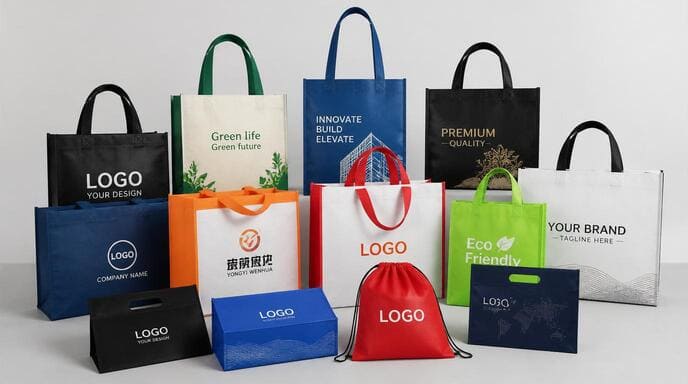
Businesses can customize non-woven bags by selecting material thickness, bag size, colors, printing methods, handle styles, gussets, and additional features such as lamination or closures.
Material Thickness and GSM Selection
Selecting the correct GSM is one of the most important decisions when ordering wholesale non-woven bags.
For example:
- Promotional giveaway bags often use lighter materials to control costs.
- Grocery shopping bags usually require medium-weight materials for repeated use.
- Premium retail packaging often uses heavier GSM materials for a stronger feel.
The ideal GSM depends on the product weight, expected usage frequency, and desired customer experience.
Printing Methods for Custom Designs
The printing method affects both appearance and cost.
Screen Printing
Screen printing is widely used for non-woven tote bags because it provides reliable color coverage and is suitable for large-volume production.
Heat Transfer Printing
Heat transfer printing works well for detailed patterns, gradients, and colorful designs where higher visual accuracy is required.
Lamination Printing
Laminated non-woven bags use a printed film layer bonded onto the fabric surface. This improves waterproof performance and provides a smoother printing surface.
For businesses requiring high-volume customized packaging, advanced printing equipment and stable production processes help maintain consistent colors and quality across large orders.
Handles, Gussets, and Additional Features
The structure of a non-woven bag can be adjusted according to usage requirements.
Common customization options include:
- Handle types: Loop handles, reinforced handles, and die-cut handles.
- Gussets: Side or bottom gussets increase storage capacity.
- Closures: Zippers, Velcro, and snap buttons can improve security.
- Lamination: Glossy or matte finishes provide a premium appearance and extra protection.
- Waterproof coating: Adds additional resistance for specific applications.
These design choices allow businesses to create reusable bags that are both functional and visually attractive.
What Should Businesses Look For in a Non-Woven Bag Supplier?
Choosing the right supplier is an important step when purchasing wholesale non-woven bags. A reliable manufacturer should provide stable production, consistent quality, and clear communication throughout the ordering process.
Businesses should evaluate non-woven bag suppliers based on manufacturing capability, quality control systems, customization experience, certifications, and communication efficiency.
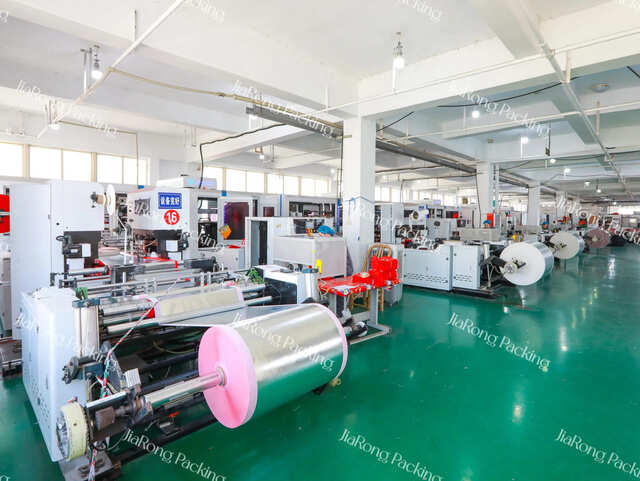
Production Capacity and Scalability
A supplier’s production capability determines whether they can support both regular orders and larger seasonal demands.
Important factors include:
- Production equipment availability
- Skilled workers
- Quality management systems
- Raw material supply stability
- Experience handling export orders
Large-scale production capability is valuable because it helps prevent delays when order volumes increase. However, capacity alone is not enough. A professional supplier should also maintain consistent quality during high-volume production.
Quality Assurance and Certifications
Quality control is essential for businesses ordering customized packaging.
A reliable supplier should have inspection procedures covering:
- Raw material checking
- Fabric quality inspection
- Printing accuracy
- Sewing or ultrasonic bonding strength
- Final product inspection
- Packing verification
International certifications such as ISO quality management systems or environmental standards can provide additional confidence when selecting a manufacturing partner.
Customization Support and Communication
Successful B2B cooperation depends heavily on clear communication.
A capable supplier should be able to assist with:
- Material recommendations
- Sample development
- Artwork confirmation
- Production updates
- Shipping coordination
For overseas buyers, efficient communication helps reduce misunderstandings and ensures the final product matches expectations.
Frequently Asked Questions About Non-Woven Bags
What is a non-woven bag?
A non-woven bag is a reusable bag made from non-woven fabric, usually polypropylene (PP), where fibers are bonded together instead of woven into traditional fabric. It has a fabric-like appearance while maintaining lightweight and durable characteristics.
Are non-woven bags reusable?
Yes. Non-woven reusable bags are designed for repeated use. Their durability depends on factors such as GSM, handle construction, stitching quality, and intended application.
Are non-woven bags environmentally friendly?
Non-woven bags are considered a more sustainable option compared with single-use plastic bags because they can be reused many times. Many polypropylene non-woven materials can also be recycled through suitable recycling systems.
Are non-woven bags waterproof?
Standard non-woven bags have good moisture resistance but are not completely waterproof. Adding lamination or waterproof coatings can improve their water resistance.
What is the difference between woven and non-woven bags?
Woven bags are made by interlacing threads into a fabric structure, while non-woven bags are produced by bonding fibers together. Non-woven bags are usually lighter, softer, and more cost-effective for promotional and retail packaging applications.
What GSM is best for a non-woven shopping bag?
The best GSM depends on the usage. Around 80-100 GSM is common for promotional bags, while 100-120 GSM or higher is often preferred for stronger reusable shopping bags.
Can non-woven bags be customized with logos?
Yes. Custom non-woven bags can be printed with logos, brand graphics, and promotional designs using methods such as screen printing, heat transfer printing, and lamination printing.
What are non-woven bags used for?
Common applications include:
- Shopping bags
- Grocery bags
- Promotional giveaway bags
- Exhibition bags
- Retail packaging
- Gift bags
- Corporate event bags
- Eco-friendly packaging solutions
What is the MOQ for custom non-woven bags?
The minimum order quantity depends on the bag design, printing method, material requirements, and supplier policies. Many manufacturers offer customized production starting from hundreds or thousands of pieces.
Conclusion
Non-woven bags provide businesses with a practical combination of durability, customization, affordability, and reusable value. Their fabric-like appearance, flexible design options, and strong printing performance make them suitable for retail packaging, promotional campaigns, and everyday shopping applications.
When selecting a non-woven bag supplier, businesses should consider not only price but also material quality, production capability, customization support, and long-term reliability.
By choosing the right material structure and manufacturing partner, companies can create reusable packaging solutions that support both brand growth and more responsible consumption.