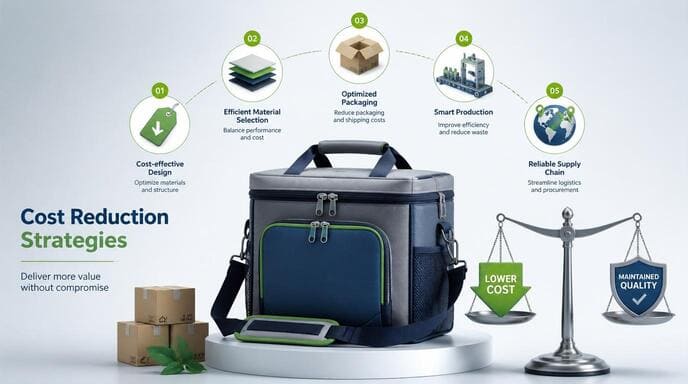
Facing increasingly competitive markets and shrinking profit margins? Smart sourcing and strategic choices can help businesses optimize cooler bag costs while maintaining the essential quality and functionality they need. Let's explore proven methods.
In today’s increasingly competitive market, businesses in both the food service industry and corporate sectors are constantly looking for ways to reduce packaging expenses while still creating customized solutions that support their brand image. However, the biggest challenge is often identifying which areas can be optimized without paying for unnecessary features or performance beyond actual needs.
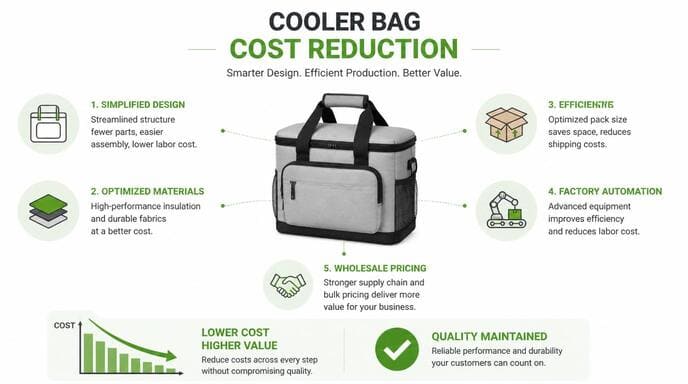
Reducing cooler bag costs is not only about negotiating a lower unit price. Many hidden factors throughout the sourcing and production process can directly affect the final cost, from supplier selection and material choices to bag specifications, printing methods, order planning, and packaging solutions.
By understanding where these costs come from, businesses can make smarter purchasing decisions, avoid unnecessary expenses, and find the right balance between product requirements and budget control. Let’s explore the practical strategies that can help reduce wholesale cooler bag costs while maximizing overall value.
Phase 1: Reducing Cooler Bag Costs Without Sacrificing Quality
1. Why Should You Prioritize Source Factories Over Trading Companies?
Tired of middlemen inflating prices? Sourcing directlyFacing increasingly competitive markets and shrinking profit margins? Smart sourcing and strategic choices can help businesses optimize cooler bag costs while maintaining the essential quality and functionality they need. Let's explore proven methods.
In today’s increasingly competitive market, businesses in both the food service industry and corporate sectors are constantly looking for ways to reduce packaging expenses while still creating customized solutions that support their brand image. However, the biggest challenge is often identifying which areas can be optimized without paying for unnecessary features or performance beyond actual needs.
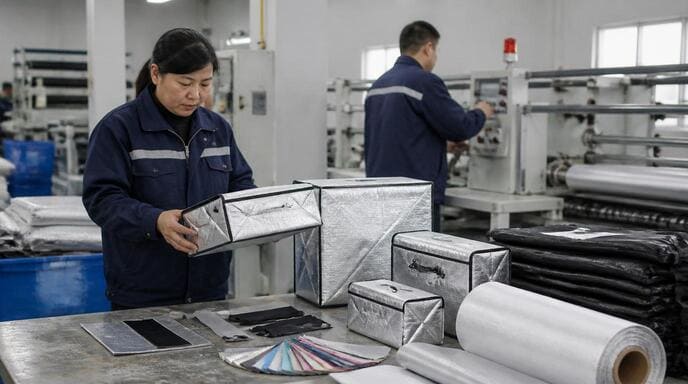
Reducing cooler bag costs is not only about negotiating a lower unit price. Many hidden factors throughout the sourcing and production process can directly affect the final cost, from supplier selection and material choices to bag specifications, printing methods, order planning, and packaging solutions.
By understanding where these costs come from, businesses can make smarter purchasing decisions, avoid unnecessary expenses, and find the right balance between product requirements and budget control. Let’s explore the practical strategies that can help reduce wholesale cooler bag costs while maximizing overall value. from manufacturers offers significant savings and deeper production insight. Let's uncover why this is crucial.
Directly engaging source factories cuts out extra costs associated with trading companies. They offer better pricing and understand production intimately, helping optimize material choice, design, and logistics for true value.
I’ve seen many clients come to us after struggling with trading companies. The difference is night and day. When you work directly with a source factory, like our facility here, you cut out layers of commission and communication overhead. This means better pricing, obviously. But it’s more than just the immediate cost reduction. A true factory understands the nuances of production. They can guide you on material choices – perhaps suggesting a more cost-effective, yet durable, non-woven fabric or a different insulation layer for your wholesale cooler bag. They can help optimize the bag’s structure. Maybe a slight design tweak makes production faster and uses less material. They understand the production methods. For instance, they know when ultrasonic welding is more efficient than sewing for certain cooler bag designs. And they can advise on packaging and transport to minimize shipping costs, which can be a huge factor for international orders. Building a long-term relationship with a capable factory provides stability and expertise that trading companies often can't match. It's about partnership, not just a transaction. We've helped clients refine their entire cooler bag strategy this way, leading to significant long-term savings and improved product performance.
2. How Can Confirming Designs Early Reduce Later Modification Costs?
Are you experiencing hidden costs from constant design changes? These often stem from last-minute adjustments, not just materials.
Confirming essential details like size, material combinations, printing methods, and packaging before production begins drastically minimizes costly rework and potential delays.
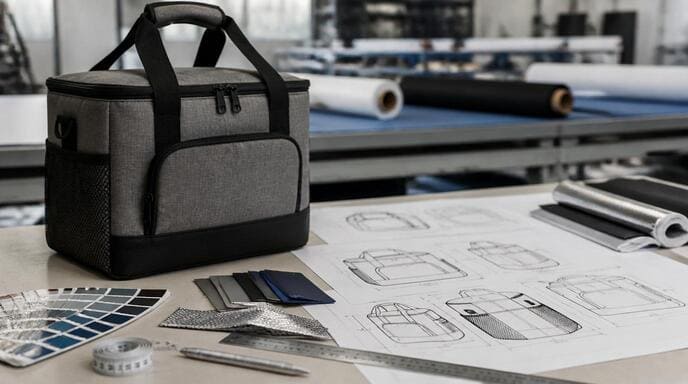
I remember one project where a client kept requesting small changes after the bulk production had started. It added significant costs and pushed back the delivery date. It’s these seemingly minor adjustments – changing the bag dimensions slightly, swapping out the non-woven fabric grade, altering the printing colors late in the game, or suddenly deciding on different packaging – that really drive up expenses. They disrupt the production line, require new setups, and can lead to waste. That’s why we emphasize nailing down the specifics upfront. This includes the exact dimensions, the precise material composition (like the specific GSM of the non-woven fabric and the type of insulation), the printing technique and colors, and how the bags will be packed for shipping. For wholesale cooler bag orders, locking these details down before mass production prevents costly revisions and ensures a smooth, efficient manufacturing process. It saves money, saves time, and ensures you get exactly what you envisioned.
3. Can Choosing Practical Sizes Help Reduce Production Costs?
Do you wonder why some custom cooler bag sizes cost more than others? The reason is not that custom sizes cannot be produced — cooler bags can be customized in almost any dimension. However, extremely large sizes, very small sizes, or designs with special structural requirements may require additional production adjustments and increase costs.
Choosing a practical size that fits efficient production methods can help reduce material waste, improve production efficiency, and control overall manufacturing costs.
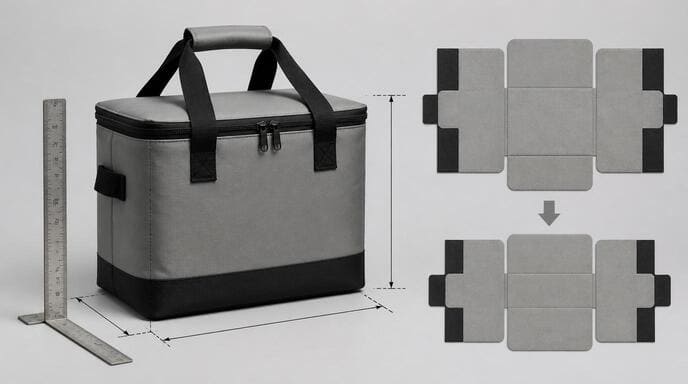
When a cooler bag size is well-suited for factory production, it creates benefits for both manufacturers and buyers. For us, it means better material utilization during cutting, less fabric waste, and smoother production processes. The equipment and production lines can operate more efficiently without excessive adjustments, helping reduce labor time and improve output.
For clients, especially those ordering large quantities of wholesale cooler bags, these efficiencies can translate into noticeable cost savings. Even a small reduction in material waste or production time can make a significant difference when thousands of bags are produced.
This does not mean customers are limited to certain sizes. As a manufacturer, we support fully customized dimensions based on different product requirements. However, sizes that are unusually large, extremely small, or combined with complex structures may involve additional material usage, production adjustments, or reinforcement requirements, which can affect the final price.
If cost control is a priority, we recommend reviewing the bag size carefully and considering whether a slightly optimized dimension can achieve the same function while improving production efficiency. The goal is not to avoid customization, but to find the right balance between functionality, appearance, and manufacturing cost.
4. How Can Optimizing Order Quantities Improve Purchasing Efficiency?
Is your current order volume impacting your pricing? Production runs have fixed setup costs that need to be spread out.
Increasing the quantity of each order allows fixed production costs, like material procurement and machine setup, to be distributed over more units, leading to a lower price per bag.
There are inherent costs involved in every production batch, regardless of the final quantity. Think about preparing the printing plates, calibrating the machines, and the initial material sourcing. These costs are relatively fixed. When you place a larger order, these fixed costs are divided among many more units. This significantly reduces the cost per individual wholesale cooler bag. Conversely, very small orders can sometimes incur disproportionately high costs due to these fixed expenses. I’ve seen scenarios where a small order might even carry a higher per-unit cost than a substantially larger one because the setup cost burden is much heavier. It's a classic case of economies of scale. So, if possible, consolidating your needs into fewer, larger orders rather than many small ones can lead to better pricing and a more efficient overall procurement process. It’s not just about getting a better quote; it’s about maximizing the efficiency of the entire manufacturing operation.
5. What Are the Benefits of Choosing Stable Long-Term Supply Solutions?
Are you constantly switching suppliers in search of the lowest price? This short-term focus can create long-term problems.
Partnering with a stable, consistent supplier for the long term often yields better material availability, improved production cooperation, reduced communication overhead, and fewer quality risks.

I truly believe that consistent, long-term partnerships are invaluable, especially in the packaging industry. When a client commits to a stable supply arrangement with a manufacturer like us, we can plan production schedules more effectively. This means we can often secure better raw material pricing due to committed volume, ensuring a consistent supply of essential components for your wholesale cooler bags. It also means our production team is more familiar with your specific needs and quality standards, leading to smoother operations and fewer errors. Communication becomes more streamlined, as we understand each other's processes and expectations. Furthermore, a stable relationship builds trust, which can be crucial when unforeseen issues arise. We’re more motivated to go the extra mile for a long-term partner. Constantly chasing the lowest price from different suppliers each time can seem appealing initially, but the hidden costs of inconsistent quality, potential delays, and the effort of vetting new vendors repeatedly often outweigh the perceived savings. Stability itself is a significant advantage.
6. How Can Simplifying Printing Methods Lower Cooler Bag Expenses?
Does your current printing requirement align with your budget? Different printing techniques have vastly different cost implications.
Simple printing methods like single-color screen printing are significantly cheaper than multi-color heat transfers or full-color lamination printing, offering substantial savings if branding needs are basic.
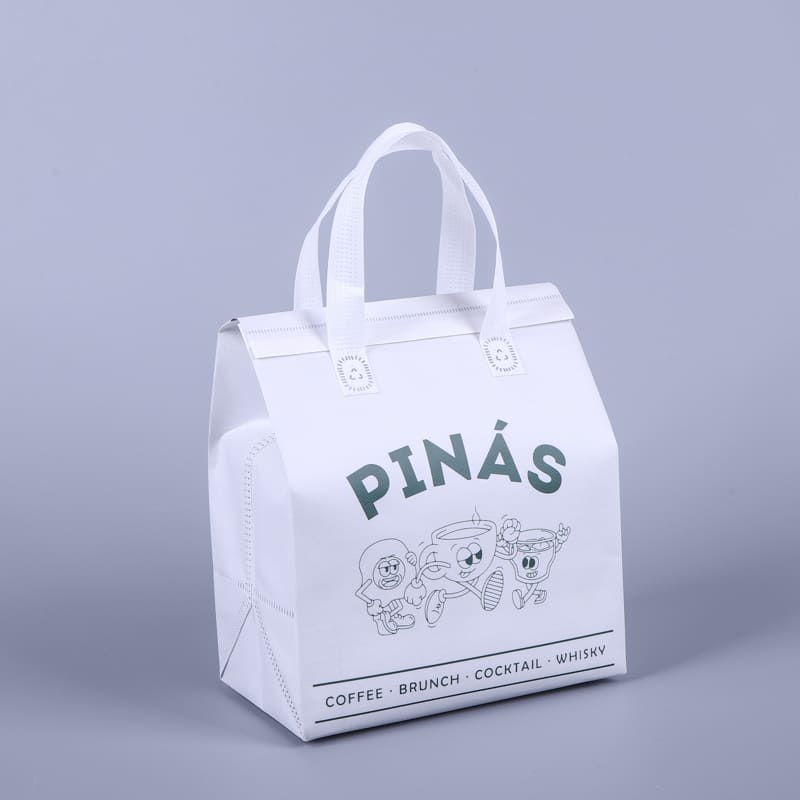
The visual impact of a printed logo or design on a bag is important, but the complexity can drastically affect the price. At the lower end, a single-color logo applied via screen printing is very cost-effective. It’s clean, clear, and perfect for brand visibility. Moving up, heat transfer printing allows for multiple colors and more intricate designs, but it comes at a higher cost per unit. At the top end, full-color lamination printing, often used for vibrant, photographic-quality graphics, is the most expensive option. It requires specialized machinery and processes. For many wholesale cooler bag applications, especially for promotional giveaways or simple branding, a basic screen-printed logo is more than sufficient. It achieves the goal of brand recognition without breaking the bank. I often guide clients to consider their primary objective: Is it high-impact visual branding, or simply brand presence? Understanding this helps choose the right printing method that balances aesthetics with budget constraints, leading to significant savings on large orders.
7. How Can Optimizing Packaging Reduce Shipping Costs for Cooler Bags?
Is the cost of shipping impacting your overall budget? The way cooler bags are packaged can have a significant impact on overall freight expenses.
Optimizing packaging methods, such as choosing between waterproof bags, or compression packing, can help improve packing efficiency, reduce shipping volume, and control transportation costs for international wholesale orders.
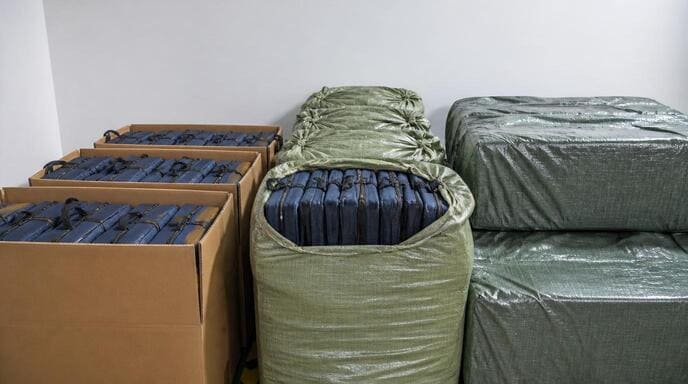
It’s easy to focus only on the manufacturing cost of the cooler bag itself, but the final delivery cost is also a major part of the total purchase expense, especially for international wholesale orders. Since shipping costs are often calculated based on volume and weight, selecting the right packaging method can directly influence the final landed cost.
In most cases, the loading quantity of a carton is relatively fixed. Adding more bags into a carton is usually not practical because overpacking may affect product shape, while underpacking creates empty space and reduces transportation efficiency. Therefore, simply adjusting the quantity inside a carton is usually not the most effective way to reduce shipping costs.
For cooler bags, a more practical packaging optimization method is often switching from cartons to waterproof bags or compression packing. Compared with rigid cartons, these alternatives can usually fit more bags within the same shipping volume, significantly improving loading efficiency and reducing freight costs, especially for large-volume international orders.
However, packaging optimization is not only about reducing costs. Carton packaging generally has a higher material cost and takes up more shipping space, but it provides stronger support during transportation and helps keep cooler bags flatter and more structured when they arrive.
Waterproof bags and compression packing, on the other hand, are widely used when cost efficiency and space utilization are the main priorities. They reduce packaging weight and volume while allowing more products to be loaded in the same shipping space.
The best packaging solution depends on the buyer’s priorities. If maintaining a more structured appearance and flatter product condition is important, carton packaging may be a better choice. If reducing packaging costs and maximizing container space are the main goals, waterproof bags or compression packing can provide a more economical solution.
Phase 2: Controlling Costs by Adjusting Cooler Bag Quality and Configuration
1. When Is a Heat-Pressed Cooler Bag the Smarter Choice?
If cost reduction is paramount, understanding production methods is key. Are you aware of the cost differences between manufacturing techniques?
Heat-pressed (ultrasonic) cooler bags are generally more cost-effective to produce than traditionally sewn bags, making them an excellent choice for budget-conscious buyers seeking efficiency.
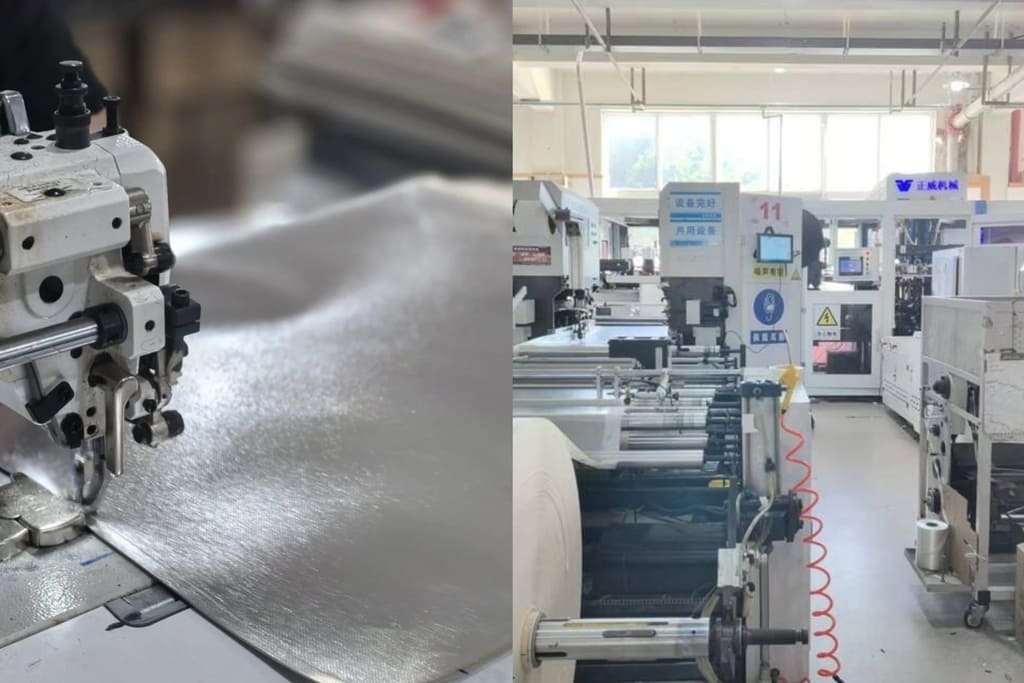
When we talk about cooler bags, there are two primary ways they are constructed: sewing and heat pressing (using ultrasonic welding technology). Sewn bags are generally considered more durable because they use needle-and-thread construction, but this process involves more production steps, slower manufacturing speed, and higher labor requirements.
Ultrasonic welding, on the other hand, uses high-frequency vibrations to bond non-woven fabric layers together without sewing. This process is faster, creates a clean appearance, and helps improve production efficiency, which can reduce manufacturing costs for large-volume orders.
However, it is important to understand that heat-pressed bags are not designed for long-term insulation performance. Compared with sewn cooler bags that use thicker insulation materials such as EPE foam or pearl cotton, ultrasonic-sealed non-woven bags usually provide limited thermal protection. They are mainly suitable for short-term cold storage applications, such as promotional packaging, takeaway delivery, supermarket promotions, and carrying chilled products for around one hour or less.
Therefore, for buyers looking for a cost-effective packaging solution rather than extended temperature retention, ultrasonically welded bags can be a practical choice. They offer lower production costs, faster manufacturing, and an attractive appearance, making them especially suitable for high-volume promotional campaigns where affordability and convenience are the main priorities.
2. How Can Material Configuration Be Adjusted for Cost Savings?
Is it possible to fine-tune the materials used in your cooler bags to reduce costs without significantly affecting the overall product quality?
Adjusting material specifications, such as the GSM (grams per square meter) of non-woven fabric or the insulation structure, can help control costs. However, some adjustments may have a much greater impact on product appearance and quality than the actual savings achieved.
I have had some clients ask whether we could provide cooler bags without an aluminum foil lining because they wanted to reduce costs. Technically, this type of bag is available, but I usually advise them to think carefully before making this change.
The reason is that removing the aluminum foil layer often does not create significant cost savings, while the impact on the bag’s appearance and overall quality can be quite noticeable. The main reason is that the cost difference caused by non-woven fabric weight is usually relatively small, but the difference in product feel and appearance can be substantial.
For example, a standard insulated bag may use 55gsm non-woven fabric combined with a 50gsm aluminum foil layer, creating a total material weight of around 105gsm. If the aluminum foil is removed, the bag becomes only a 55gsm non-woven bag. Although the material cost reduction is limited, the product changes significantly—the bag becomes much thinner, less structured, and may even become translucent when held against light.
After understanding the actual price difference and the potential impact on product quality, most clients decide not to choose this option. They realize that saving a small amount of cost may result in a product that feels noticeably cheaper and does not meet their original expectations.
For wholesale cooler bag orders, cost optimization should focus on selecting the right material combination rather than simply removing important components. Adjusting fabric GSM, insulation thickness, or material structure according to the intended application can achieve better cost efficiency while maintaining a professional appearance and suitable performance. The goal is always to find the right balance between cost, quality, and user experience.
3. Can Using Recycled Materials Effectively Lower Cooler Bag Costs?
Are you exploring sustainable options that also contribute to cost reduction? Incorporating recycled materials offers a dual benefit.
Introducing a percentage of recycled materials into the non-woven fabric can lower the overall cost of your wholesale cooler bags, provided the impact on quality attributes like color consistency and strength is acceptable.
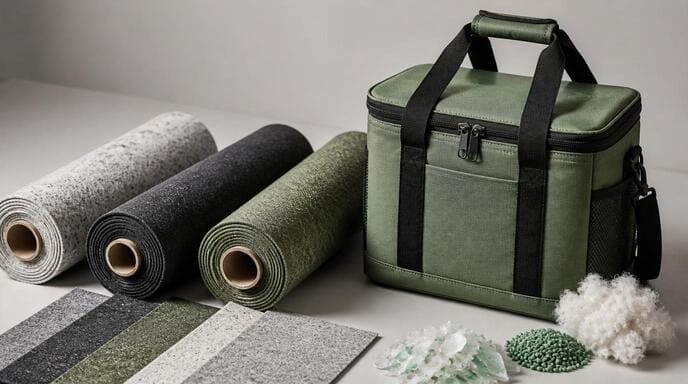
Using recycled materials is becoming increasingly important for brands aiming for sustainability, and it often comes with a cost advantage. When we incorporate recycled content into our non-woven fabrics, the raw material cost can be lower than using virgin materials exclusively. This saving can be passed on to the customer, making the final wholesale cooler bag more affordable. However, it's not a simple swap without considerations. Recycled materials can sometimes introduce variations. The color might not be as perfectly uniform as with new materials. The texture might feel slightly different, perhaps less smooth. The overall strength or flexibility could also be subtly affected depending on the quality and source of the recycled content. This is why I always recommend starting with a small trial order when clients opt for recycled materials. It allows them to assess the visual and tactile qualities, and we can confirm that the performance meets their expectations before committing to large-scale production. It’s a fantastic way to enhance sustainability and reduce costs, but thorough testing ensures the final product still aligns with brand standards.
4. How Can Removing Unnecessary Features Reduce Cooler Bag Expenses?
Are you paying for features your cooler bags don't actually need? Sometimes, adding complexity increases cost without adding value.
Eliminating non-essential design elements such as excessive compartments, complex pockets, premium zippers, or overly elaborate features can significantly reduce the manufacturing cost of wholesale cooler bags.
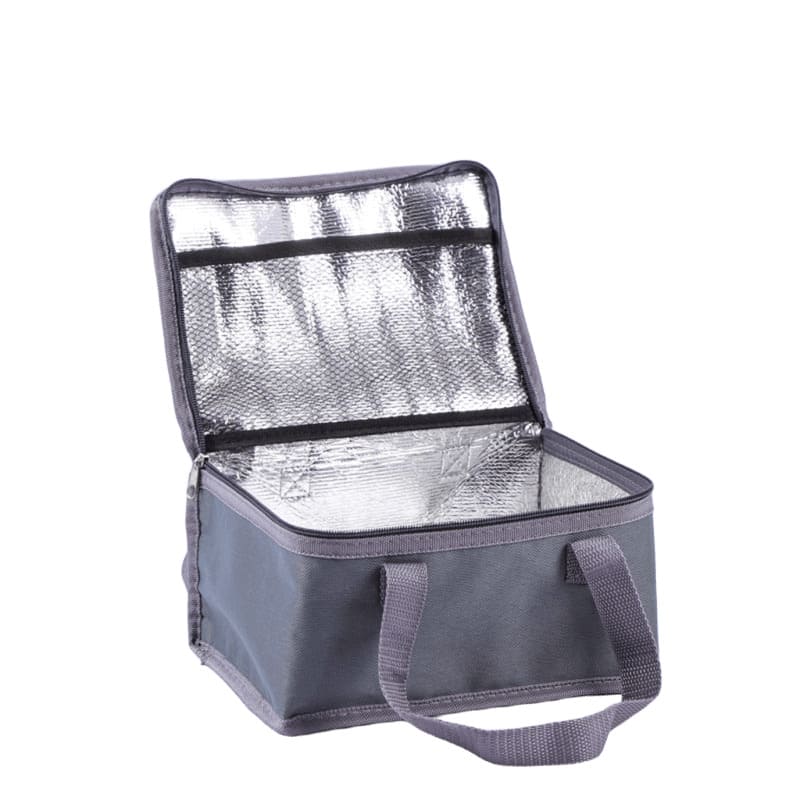
In my experience, clients often request features that sound good but aren't practical for their specific use case. For instance, a bag might have multiple internal dividers, several external pockets, or a high-end waterproof zipper. While these features enhance a bag's functionality for some, they also add complexity and cost to the manufacturing process. Each additional seam, pocket, or zipper requires more labor, more material, and more time. If the primary purpose of the wholesale cooler bag is simply to keep items cool for a few hours, perhaps a simpler, single-compartment design with a standard zipper is perfectly adequate. Removing these extras streamlines production, reduces material usage, and lowers the overall cost. It’s about aligning the bag’s design with its intended function. I always encourage clients to think critically about every feature: "Is this essential for the user's experience, or is it an added expense that doesn't significantly improve the bag's core performance?" By simplifying the design to focus on what truly matters, we can deliver a more cost-effective product that still meets the essential requirements.
Conclusion
By strategically sourcing, designing, and optimizing production, you can significantly lower cooler bag costs. Adjusting quality thoughtfully ensures value without compromising essential function.
Frequently Asked Questions About Reducing Thermal Bag Costs
1. What Factors Affect the Price of Wholesale Thermal Bags?
The cost of wholesale thermal bags depends on multiple factors, including materials, insulation structure, production method, bag size, printing requirements, order quantity, and packaging options.
For businesses purchasing custom thermal bags in bulk, the biggest cost differences usually come from selecting the right specifications rather than simply choosing the cheapest option. For example, a promotional thermal bag designed for short-term use may not require the same insulation thickness or construction method as a premium reusable thermal grocery bag.
Working with an experienced thermal bag manufacturer can help buyers identify which features are essential and which options can be adjusted to achieve better cost efficiency.
2. How Can Businesses Reduce the Cost of Custom Thermal Bags Without Lowering Quality?
Businesses can reduce the cost of custom thermal bags by optimizing design details, materials, production methods, and order planning.
Instead of removing important components that affect product performance, buyers can focus on practical adjustments such as:
- Choosing suitable bag dimensions to reduce material waste
- Selecting the right insulation level based on usage requirements
- Simplifying unnecessary pockets or accessories
- Using cost-effective printing methods
- Increasing order quantities to improve unit pricing
The goal is not simply to create the cheapest thermal bag, but to develop a product that provides the required performance at the most efficient cost.
3. Are Cheap Thermal Bags Suitable for Food Delivery and Grocery Applications?
Not all low-cost thermal bags are suitable for food delivery or grocery transportation. The right choice depends on how long temperature retention is required and what products will be carried.
For short-distance transportation, promotional events, and supermarket campaigns, a lightweight thermal bag or insulated shopping bag may be sufficient.
However, professional food delivery applications usually require stronger insulation materials, better sealing structures, and more durable construction to maintain temperature for longer periods.
Before purchasing wholesale thermal bags, businesses should define the actual usage scenario rather than selecting based only on the lowest price.
4. What Is the Difference Between a Thermal Bag and an Insulated Bag?
The terms thermal bag and insulated bag are often used interchangeably because both are designed to reduce heat transfer and help maintain the temperature of food, beverages, or other products.
However, "thermal bag" is often used as a broader marketing term covering different types of temperature-control bags, including:
- Thermal lunch bags
- Thermal grocery bags
- Food delivery thermal bags
- Reusable shopping thermal bags
- Cooler bags for outdoor activities
An insulated bag usually emphasizes the insulation structure and materials used inside the product, while thermal bag is a more common consumer and commercial search term.
5. How Do I Choose the Right Thermal Bag Manufacturer?
Choosing the right thermal bag manufacturer requires evaluating more than just the quoted price.
Important factors include:
- Production capability and manufacturing experience
- Ability to provide custom thermal bag solutions
- Material selection guidance
- Quality control processes
- Communication efficiency
- Packaging and shipping experience
A reliable manufacturer can help optimize the entire sourcing process, from product design and material selection to mass production and delivery, reducing hidden costs throughout the project.
6. What Is the Best Material for a Cost-Effective Thermal Bag?
The best material depends on the intended application. Common thermal bag materials include non-woven fabric, Oxford fabric, polyester, aluminum foil, and foam insulation materials.
For promotional thermal bags and short-term carrying needs, lightweight non-woven materials can provide a more economical solution.
For reusable thermal grocery bags or delivery applications requiring stronger durability, materials such as Oxford fabric combined with thicker insulation layers may be more suitable.
Selecting the right material combination is usually more cost-effective than simply choosing the cheapest material available.
7. Can Ordering Wholesale Thermal Bags Lower the Unit Cost?
Yes. Ordering wholesale thermal bags usually helps reduce the average cost per unit because production setup expenses, material purchasing, and machine preparation costs can be distributed across a larger quantity.
For businesses planning regular purchases, working with a stable thermal bag supplier can also improve cost control through better production planning, consistent quality, and more efficient communication.
8. Are Reusable Thermal Bags More Cost-Effective Than Disposable Packaging?
Reusable thermal bags can provide better long-term value compared with disposable packaging because they can be used multiple times and support stronger brand exposure.
For retailers, supermarkets, restaurants, and promotional campaigns, a customized reusable thermal bag can serve both as functional packaging and as a marketing tool.
Although the initial purchase cost may be higher than disposable alternatives, the long-term usage value and reduced waste can make reusable thermal bags a more economical solution.
9. What Should I Consider Before Ordering Custom Thermal Bags From China?
Before placing an order for custom thermal bags from China, buyers should confirm several important details:
- Bag size and capacity
- Insulation requirements
- Outer and inner materials
- Printing method
- Logo position and colors
- Packaging method
- Production lead time
- Required certifications or testing standards
Clear communication during the sampling stage can prevent expensive modifications later and ensure the final thermal bag meets both functional and branding requirements.
10. How Can I Get the Best Price From a Thermal Bag Supplier?
The best price usually comes from optimizing the complete purchasing solution rather than only negotiating the unit price.
Businesses can achieve better pricing by:
- Choosing a direct thermal bag manufacturer
- Preparing accurate product specifications
- Ordering reasonable quantities
- Selecting suitable materials and production methods
- Planning shipments efficiently
A professional supplier can help balance cost, quality, and performance to create a thermal bag solution that matches the actual market demand.