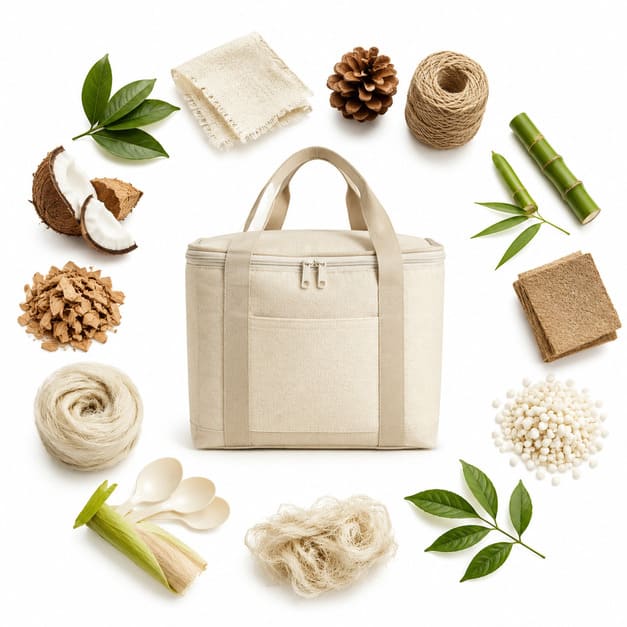
Are your cooler bags piling up waste? Most traditional bags end up in landfills. This hurts our planet. Discover better, eco-friendly materials that make a difference.
Choosing sustainable materials for cooler bags is crucial. Options include recycled PET, bio-based PLA, natural jute, and innovative paper composites. These eco-friendly cooler bag solutions reduce waste and environmental impact.
I've been thinking a lot about how we consume and what we discard. It's easy to grab a disposable bag, but the long-term effects are significant. When it comes to keeping our food and drinks cool, we often rely on specialized bags. But what if these very bags could be part of the solution, not the problem? Let's explore how innovative materials are changing the game for eco-friendly cooler bags.
Is Recycled PET Fabric the Future for Eco-Friendly Cooler Bags?
Tired of plastic waste hurting our oceans? Do you worry about the source of your bag's materials? There are better choices now.
Recycled PET fabric offers a strong, waterproof, and printable option for your next eco-friendly cooler bag. It gives plastic bottles a new life, reducing landfill burden.
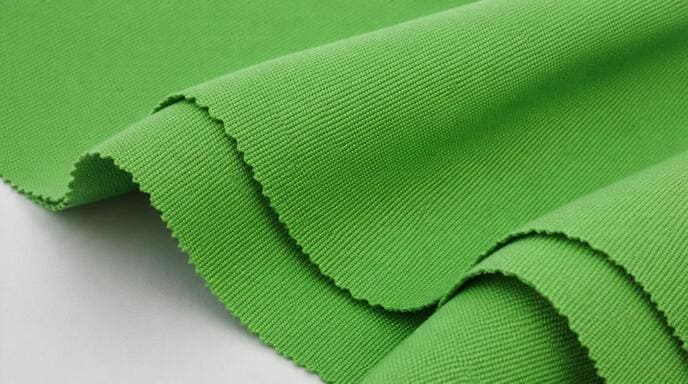
I remember seeing piles of plastic bottles and feeling overwhelmed by the scale of the problem. It seemed like such a waste, destined for a landfill or worse. Then I learned about RPET, or recycled polyethylene terephthalate. It's essentially fabric made from old plastic bottles. This shift in perspective, turning trash into treasure, is what I find so compelling. It's not just about avoiding new plastic; it's about actively cleaning up existing waste. This material has become a go-to for many brands looking for robust and visually appealing outer layers for their cooler bags. Its strength means the bags last longer, and its water-repellent nature is perfect for keeping contents cool and dry. The ability to print vibrant designs on it also means that sustainability doesn't have to sacrifice style, making it a great choice for eco-friendly cooler bags. It represents a tangible step towards a circular economy in the packaging industry.
Can Recycled PP Non-woven Offer a Budget-Friendly Eco-Friendly Solution?
Do you need an affordable cooler bag that’s still kind to the planet? Is high volume production a must for your brand?
Recycled PP non-woven fabric is a cost-effective, lightweight, and mass-producible material. It's a smart choice for brands seeking value and sustainability.
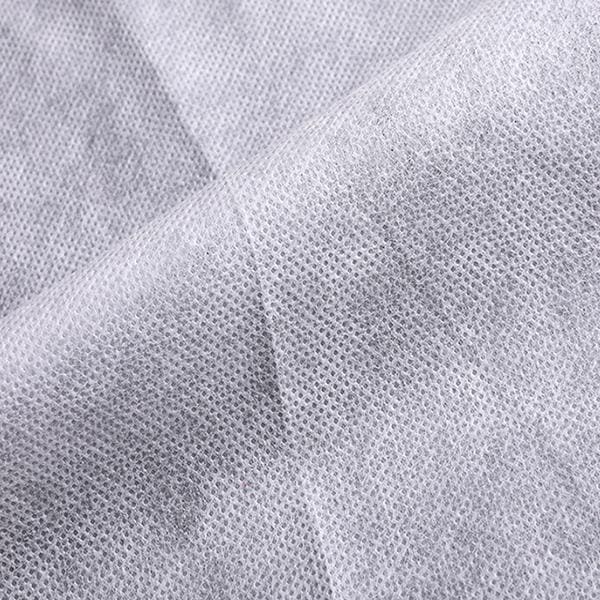
When I first started looking into sustainable packaging, cost was always a major factor for businesses. Many amazing eco-materials came with a premium price tag. That’s where recycled PP non-woven fabric really shines. It’s made from old polypropylene plastics, like yogurt containers or bottle caps, which are broken down and re-spun into fibers. The non-woven process creates a fabric that's strong yet flexible, and importantly, it’s very cost-effective. This makes it accessible for a wide range of products, including everyday cooler bags. Its lightweight nature also helps reduce shipping costs and overall carbon footprint. For companies needing to produce large quantities of promotional or retail bags, this material offers a practical balance between environmental responsibility and economic feasibility. It demonstrates that going green doesn't always mean spending more, making eco-friendly cooler bags more accessible to everyone.
Why are PEVA and EVA Films Better Alternatives for Cooler Bag Linings?
Are you concerned about harmful chemicals in traditional cooler bag plastics? Do you need a liner that is reliably waterproof and safe for food contact?
Food-grade PEVA/EVA films are excellent replacements for PVC. They are chlorine-free, flexible, waterproof, and prevent leaks, making them ideal for inner lining.
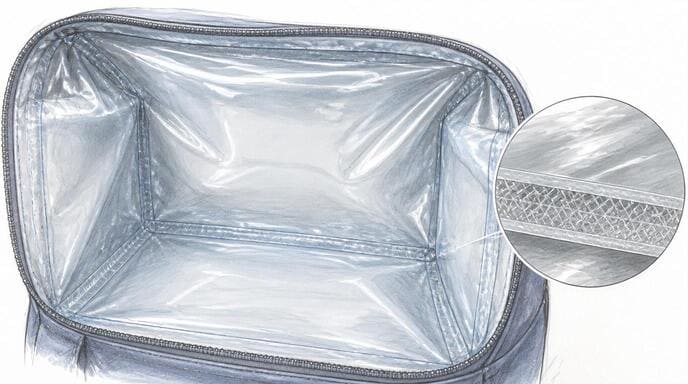
I’ve always been wary of materials like PVC, especially when they come into contact with food or are used in products for families. The production and disposal of PVC can release harmful chemicals, and its inflexibility often means it cracks over time. That’s why the shift to PEVA (polyethylene vinyl acetate) and EVA (ethylene vinyl acetate) films is such a positive development for cooler bags. These materials are much safer, containing no chlorine, which is a big win for both health and the environment. My experience is that they remain pliable even in cooler temperatures, which is crucial for a cooler bag's function. They create a completely watertight seal, preventing any spills from escaping and protecting the outer materials from moisture damage. This makes them perfect for the inner lining, ensuring that your chilled items stay contained and the bag itself remains durable and easy to clean, supporting the eco-friendly cooler bag mission.
Is Biodegradable PLA Film the Ultimate Eco-Conscious Choice for Cooler Bags?
Do you want your cooler bag to break down naturally after use? Are you looking for packaging with a lower carbon footprint?
PLA (polylactic acid) film, derived from plant starches, is biodegradable and lowers carbon emissions. It's suited for markets prioritizing environmental impact.
The concept of "biodegradable" really captured my imagination when I first encountered it in packaging. It offers a vision where products can return to nature instead of lingering for centuries. Polylactic acid, or PLA, is a fascinating material because it's made from renewable resources like corn or sugarcane starch. This means its production typically uses less fossil fuel and results in lower greenhouse gas emissions compared to traditional plastics. For cooler bags, PLA films can provide a protective, often transparent, layer. While proper composting conditions are usually needed for them to fully biodegrade, the potential is huge for reducing plastic pollution. I see it as a material for consumers who are highly conscious about their environmental footprint and want their purchases to align with their values. This makes PLA a prime candidate for premium, eco-friendly cooler bags in markets where sustainability is a key selling point.
How Does Recycled Aluminum Foil Enhance Cooler Bag Insulation?
Do you need maximum thermal performance from your cooler bag? Is heat reflection a critical factor in keeping your contents cold for longer?
Recycled aluminum foil acts as a highly effective reflective barrier. It dramatically boosts insulation and is fully recyclable, ideal for cooler bag liners.
I’ve always been fascinated by the science of keeping things cool. It’s not just about adding cold; it’s about preventing heat from getting in. This is where reflective insulation, like aluminum foil, plays a crucial role. When we talk about recycled aluminum foil for cooler bags, we’re talking about harnessing this reflective property while also being mindful of resource use. Aluminum is an excellent reflector of radiant heat. By placing it inside a cooler bag, it bounces heat away from the contents, significantly slowing down warming. The use of recycled aluminum means we're reducing the energy-intensive process of mining and smelting new bauxite ore. I believe this layered approach, combining a durable outer material with an effective thermal barrier like recycled aluminum foil, is key to creating high-performance, eco-friendly cooler bags that truly keep their cool for extended periods. It’s a smart, efficient way to enhance thermal performance.
Can Recycled EPE Foam Provide Both Cushioning and Insulation for Cooler Bags?
Do your cooler bags need to protect contents from bumps as well as keep them cold? Is lightweight insulation a priority for portability?
Recycled EPE (expanded polyethylene) foam offers a dual benefit. It provides excellent cushioning and stable thermal insulation, and it can be partially recycled.
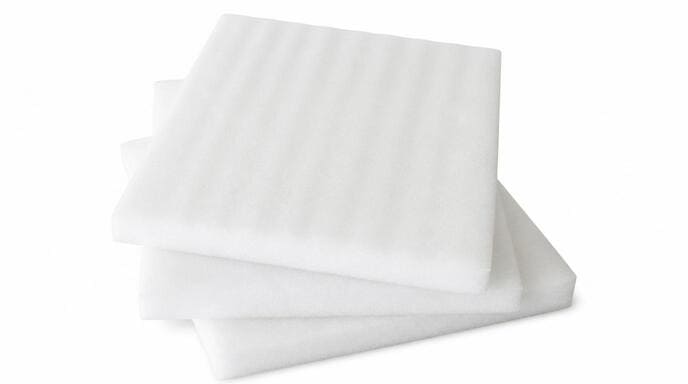
When thinking about cooler bags, my mind often goes to what's inside. Not just the food or drinks, but the material that protects them. Traditional cooler bags might use thick fabrics, but often they have a foam layer for insulation. Expanded polyethylene, or EPE, foam is fantastic because it’s essentially a closed-cell foam structure. This means it traps air effectively, creating pockets of insulation that keep cold in and heat out. What's particularly clever about using recycled EPE is that it still retains these properties. Furthermore, EPE foam is naturally shock-absorbent. This means it can cushion the contents inside, protecting them from accidental drops or impacts during transit. For an eco-friendly cooler bag, this dual functionality—providing both temperature control and physical protection—is incredibly valuable. It also means the bag is lightweight, making it easy to carry, and it gives materials that might otherwise be discarded a useful second life.
What Makes Bio-based PU Foam a Greener Option for Insulated Bags?
Are you looking for superior insulation without relying solely on petroleum? Do you want to reduce the carbon footprint of your packaging materials?
Bio-based PU foam uses plant oils instead of some petrochemicals. It offers excellent insulation and a lower environmental impact than traditional PU.
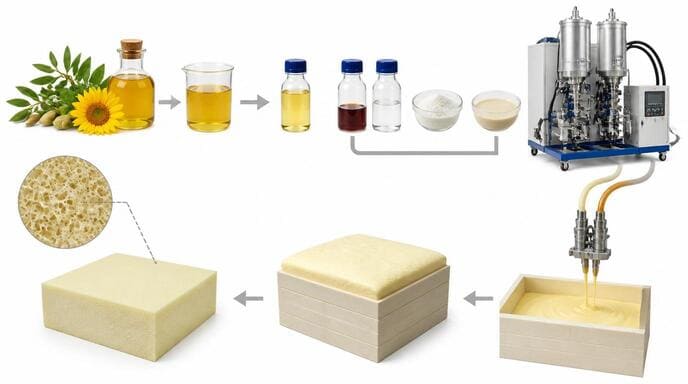
Polyurethane foam, or PU foam, has long been a staple for high-performance insulation. However, its petroleum-based origins have always been a concern for environmentalists like myself. The innovation of bio-based PU foam feels like a significant step forward. Instead of using 100% petrochemicals, manufacturers are incorporating renewable resources like vegetable oils (soybean, castor, etc.) into the foam's composition. This doesn't compromise the material's excellent insulating properties; it just means the raw materials are more sustainable. I’ve seen this material used in more premium insulated boxes and bags where maximum thermal retention is expected, but with a conscience. It allows brands to offer robust insulation performance while communicating a clear commitment to reducing their reliance on fossil fuels. For eco-friendly cooler bags, especially those targeting a discerning market, bio-based PU foam offers a compelling blend of performance and planetary care.
Is Organic Cotton Canvas a Stylish and Sustainable Choice for Lifestyle Cooler Bags?
Do you prefer natural fibers for your everyday accessories? Are you seeking a reusable cooler bag with a classic, stylish look?
Organic cotton canvas is durable, reusable, and produced with minimal chemical use. It offers a great eco-image and is perfect for lifestyle cooler bags.
There’s something inherently comforting about natural materials. Organic cotton canvas, for me, evokes a sense of quality and timelessness. Unlike conventional cotton, organic cotton is grown without synthetic pesticides or fertilizers, and the processing often involves less harsh chemicals for bleaching and dyeing. This makes it much gentler on the environment and the farmers. For cooler bags, cotton canvas is an excellent choice because it's incredibly durable. It can withstand daily use, repeated washing, and general wear and tear, meaning the bag lasts much longer. This longevity is a key aspect of sustainability; a bag that lasts for years is inherently more eco-friendly than one that needs frequent replacement. Its natural texture also lends itself to a more casual, lifestyle aesthetic, making it ideal for picnic bags, farmer's market totes, or daily lunch carriers. It's a material that feels good to touch and good to own, embodying the spirit of eco-friendly cooler bags.
How Can Natural Jute Fiber Add Eco-Credentials to Cooler Bags?
Are you looking for a cooler bag material that is highly renewable and has a low carbon impact? Do you appreciate the natural, earthy aesthetic?
Jute fiber, a natural and renewable plant material, offers good breathability and a very low carbon footprint. It's often used for the outer layer of shopping-style cooler bags.
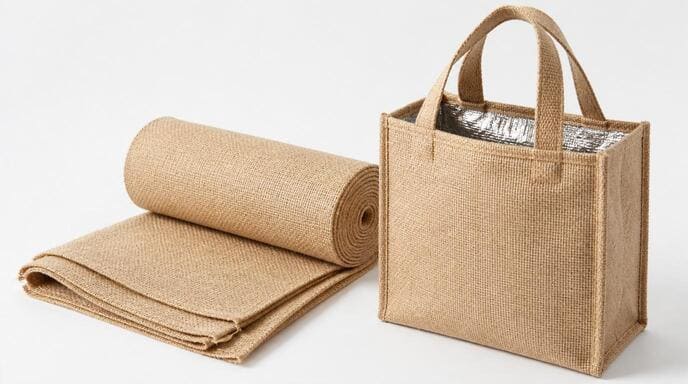
Jute is one of those materials that feels ancient and modern at the same time. It’s a natural plant fiber, often called the "golden fiber" due to its natural sheen. What’s remarkable about jute is how sustainably it grows. It requires minimal pesticides, thrives in diverse climates, and its cultivation can help improve soil health. When used in cooler bags, typically for the outer shell, it gives the bag a distinct, natural texture and a sturdy feel. Its breathability is a plus, though for insulation, it's usually combined with other materials like an inner lining. The low carbon footprint associated with jute cultivation and processing is a major draw for eco-conscious brands. It’s a material that clearly signals a commitment to natural, renewable resources. I see jute cooler bags as perfect for consumers who want their accessories to reflect a grounded, environmentally aware lifestyle. It’s a simple yet powerful way to make an eco-friendly statement with your cooler bag.
What Role Can Paper-based Materials Play in Sustainable Cooler Packaging?
Are you seeking cooler packaging solutions that are highly recyclable and biodegradable? Do you need options for single-use or short-term chilled transport?
Paper-based composite materials, using structures like honeycomb or molded pulp, are gaining traction. They are increasingly recyclable and biodegradable, ideal for specific cooler bag needs.
The evolution of paper packaging has been astounding. For a long time, paper was seen as flimsy and unsuitable for anything requiring durability or insulation. However, clever engineering has changed that. Materials like honeycomb paper structures or molded paper pulp are now being used to create surprisingly effective insulating layers. For cooler bags, this means we can have packaging that is primarily made from wood pulp, a renewable resource. The beauty of these paper-based solutions is their end-of-life potential; they are often widely recyclable and biodegradable, fitting perfectly into a circular economy model. While they might not offer the same long-term durability as some plastic or fabric options, they are excellent for applications like food delivery, short-term transport of perishables, or promotional cooler bags designed for limited use. I think paper-based insulation represents a significant and growing trend in the quest for truly sustainable, eco-friendly cooler bags.
Conclusion
Discovering sustainable materials for cooler bags reveals a path to reduced waste. From recycled plastics to natural fibers, eco-friendly options offer performance and planetary care.