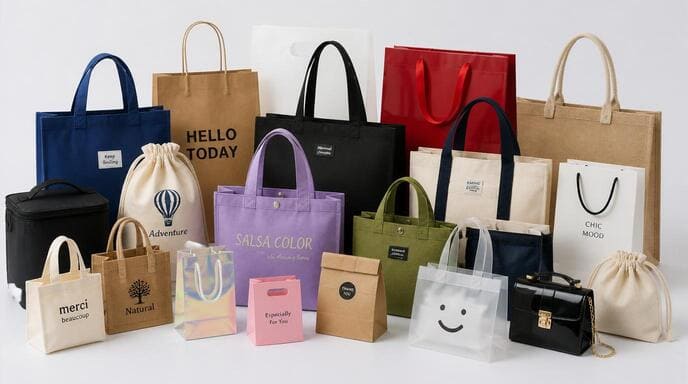
Tired of reusable shopping bags that tear after only a few trips or become uncomfortable to carry? Many people assume choosing a reusable shopping bag is easy until they actually start comparing different options. Material, construction, size, and design all affect long-term performance. This guide explains how to choose the best reusable shopping bag based on real-world use instead of marketing claims.
The best reusable shopping bag depends on how it will be used. Material, size, load capacity, handle design, construction quality, and practical features all influence durability, comfort, and long-term value. Understanding these factors helps buyers choose a bag that performs well instead of simply looking good.
At first, choosing a reusable shopping bag may seem like a simple decision. After all, most bags look fairly similar from a distance. However, once different materials, construction methods, and everyday shopping situations are compared side by side, the differences become much easier to recognize. This guide walks through each factor step by step, making it easier to choose the right reusable shopping bag with confidence.
What Material Should a Reusable Shopping Bag Be Made Of?
Before comparing colors, printing, or styles, one question should always come first.
What will the bag actually carry?
The answer usually determines which material makes the most sense.
The material affects durability, appearance, weight capacity, printing quality, cost, and expected service life. No single fabric is perfect for every shopping situation.
Understanding Common Reusable Shopping Bag Materials
One of the biggest misconceptions is that there is a single "best" reusable shopping bag material.
There isn't.
Every material is designed to solve a different problem. A bag used for promotional giveaways has completely different requirements from one carrying groceries every week.
Instead of asking which material is strongest, a better question is:
Which material best matches the intended use?
| Material | Pros | Cons | Best For |
|---|---|---|---|
| Non-woven | Affordable, lightweight, good print quality | Limited lifespan under heavy loads | Promotions, daily shopping, light groceries |
| RPET | Made from recycled plastic bottles, environmentally friendly | Less breathable, colors may fade over time | Eco-conscious consumers, retail shopping |
| Canvas | Extremely durable, natural appearance, reusable for years | Heavier, higher cost, may shrink after washing | Premium shopping bags, heavy daily use |
| PP Woven | Excellent strength, optional waterproof lamination | Slightly stiffer than fabric bags | Supermarkets, warehouse shopping, bulk groceries |
| Jute | Natural texture, biodegradable, premium appearance | Rough surface, limited printing options | Boutique brands, gift bags, specialty retail |
When comparing reusable shopping bags, many people naturally pay attention to fabric thickness first.
I used to think the same way.
A thicker fabric looked stronger, so it seemed like the obvious choice. After comparing many different bags more carefully, it became clear that thickness alone says very little about durability. Stitching quality, handle reinforcement, and manufacturing standards often influence service life just as much as the fabric itself.
Non-woven bags remain one of the most economical options for supermarkets, exhibitions, and promotional campaigns. They are lightweight, easy to print, and suitable for carrying everyday groceries.
RPET reusable shopping bags appeal to buyers looking for products made from recycled materials. Since the fabric comes from recycled plastic bottles, it supports sustainability initiatives while still providing good everyday performance.
Canvas bags are often selected when durability matters more than initial cost. With proper care, they can remain in use for years, making them popular for premium retail brands.
PP woven bags offer one of the highest carrying capacities among reusable shopping bags. They are frequently chosen for supermarkets, wholesale clubs, and stores where customers purchase bottled drinks, rice, pet food, and other heavy products.
Jute bags provide a distinctive natural appearance that works particularly well for gift packaging, farmers' markets, and environmentally focused brands.
Rather than starting with price, experienced buyers usually begin by asking two simple questions.
- How often will the bag be used?
- What products will it carry most of the time?
Once those answers are clear, choosing the right material becomes much easier.
What Size Reusable Shopping Bag Should You Choose?
Once the material has been decided, the next question becomes surprisingly important.
How large should the bag actually be?
Many buyers immediately choose the largest size available because bigger seems more practical.
In reality, bigger is not always better.
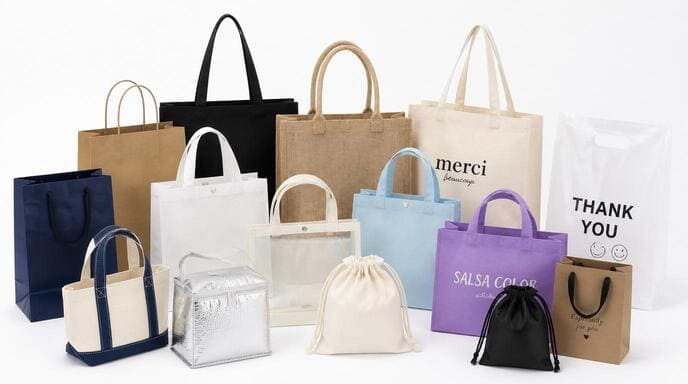
The right size improves carrying comfort, makes packing easier, and prevents unnecessary strain on the handles.
Choosing the Right Bag Size
A common misconception is that a larger reusable shopping bag automatically provides better value.
That sounds logical until the bag is actually used.
A very large bag encourages people to overload it. Even when only half full, oversized bags often become awkward to carry because the contents shift around more easily.
Medium-sized reusable shopping bags often prove to be the most practical choice for everyday shopping.
Different sizes work best in different situations.
Small Bags
Ideal for convenience stores, pharmacies, takeaway meals, snacks, and lightweight daily purchases.
Medium Bags
Suitable for weekly grocery shopping. They comfortably hold vegetables, fruit, dairy products, packaged foods, and household essentials while remaining easy to carry.
Large Bags
Designed for family shopping trips, warehouse stores, and bulk purchases. They easily accommodate cereal boxes, laundry detergent, bottled beverages, or multiple grocery items.
Size involves more than height and width.
Bottom construction also plays an important role.
A reusable shopping bag with a boxed or gusseted bottom stands upright during packing, making checkout faster while helping distribute weight more evenly.
Instead of buying only one size, many households eventually discover that keeping several different sizes available offers much greater flexibility. Small bags work well for quick errands, while larger bags remain available whenever heavier shopping trips are necessary.
How Much Weight Can a Reusable Shopping Bag Actually Hold?
After choosing the right material and size, another practical question naturally follows.
Can the bag safely carry everything that goes inside it?
Many reusable shopping bags look equally strong at first glance, but appearances can be misleading. A bag that performs well with vegetables and snacks may fail quickly when loaded with bottled drinks or heavy household products.
Understanding weight capacity helps buyers avoid broken handles, torn seams, and unnecessary replacements.
Understanding Weight Capacity
One of the most common misconceptions is that fabric determines everything.
It doesn't.
Two reusable shopping bags made from exactly the same material can perform very differently. The difference often comes down to stitching, handle attachment, reinforcement, and manufacturing quality.
When comparing reusable shopping bags, it helps to think of them as complete products rather than simply pieces of fabric.
Most reusable shopping bags can be divided into three general categories.
Light Duty (3–5 kg)
These bags are commonly made from lightweight non-woven fabric or thin cotton.
They work well for bread, vegetables, fruit, snacks, cosmetics, and other everyday purchases that do not place much stress on the bag.
Medium Duty (5–10 kg)
This is the most common category for supermarket shopping.
A well-made medium-duty reusable shopping bag easily carries canned food, dairy products, beverages, household supplies, and regular groceries without becoming difficult to handle.
Heavy Duty (10 kg and Above)
Heavy-duty reusable shopping bags are built for demanding applications.
They are commonly manufactured from thick canvas or reinforced PP woven fabric and are designed for products such as rice, bottled water, pet food, frozen foods, and bulk warehouse purchases.
While comparing different bags, I used to focus almost entirely on the material specification.
Then I noticed something interesting.
Some thinner bags consistently outperformed thicker ones simply because the handles were reinforced better and the stitching was stronger. That completely changed the way I evaluate reusable shopping bags today.
Instead of judging only the fabric, buyers should also examine several important construction details.
Handle Attachment
Handles should be securely sewn into the bag body using reinforced stitching. Weak attachment points are one of the most common reasons reusable shopping bags fail under heavy loads.
Stitching Quality
Straight, consistent stitching provides much greater durability than uneven or loose sewing.
Cross stitching, box stitching, and multiple rows of reinforcement usually indicate better load distribution.
Fabric Weight
Thicker fabrics generally increase durability, but only when combined with quality manufacturing.
Fabric alone should never be used to judge carrying capacity.
Bottom Reinforcement
A reinforced bottom spreads weight more evenly across the bag instead of concentrating stress in one area.
For supermarkets, wholesalers, and retailers, choosing reusable shopping bags with reinforced construction often creates a better customer experience than simply choosing thicker fabric.
Why Does Handle Design Matter So Much?
By this stage, material, size, and weight capacity have all been considered.
One important detail is still easy to overlook.
The handles.
Many buyers spend most of their attention comparing fabric, colors, and printing while giving very little thought to how the bag will actually feel when carried.
Ironically, the handles are one of the parts people interact with most.
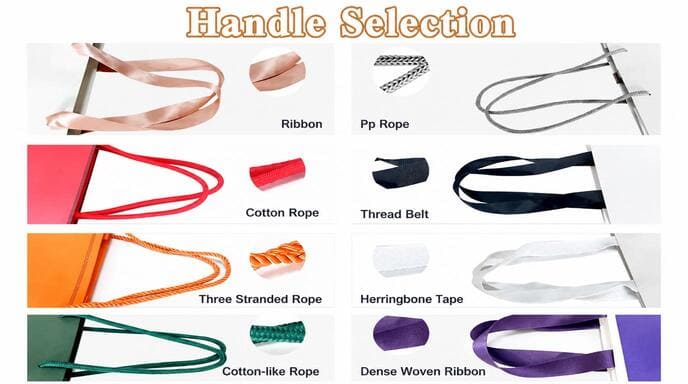
A comfortable, well-designed handle improves both durability and everyday usability.
Choosing the Right Handle Design
Many people assume a handle is simply a strip of fabric attached to the bag.
In reality, handle design influences comfort almost as much as material selection.
A reusable shopping bag that feels comfortable for five minutes may become uncomfortable after a longer walk home.
When comparing different bags, four areas deserve close attention.
Handle Length
Long Handles
Long handles allow the bag to be carried comfortably over the shoulder.
This option works especially well for supermarkets, commuting, cycling, or situations where both hands need to remain free.
Short Handles
Short handles provide greater stability when carrying heavier groceries by hand.
They are commonly used on supermarket shopping bags designed for shorter carrying distances.
Neither design is universally better.
The right choice depends on how the bag will normally be used.
Handle Width
Handle width directly affects comfort.
Wide handles distribute pressure across a larger area of the hand or shoulder, making heavier loads feel easier to carry.
Narrow handles may look similar, but they often become uncomfortable once the bag is heavily loaded.
Handle Reinforcement
A reusable shopping bag is only as reliable as the point where the handles connect to the body.
Strong reinforcement significantly reduces the risk of handle failure during repeated use.
Look for features such as:
- Cross stitching
- Box stitching
- Multiple rows of sewing
- Reinforced stress points
These construction details often indicate a much longer service life.
Handle Material
Some reusable shopping bags use the same material throughout the entire bag.
Others use woven webbing, cotton straps, or reinforced fabric handles for greater strength and comfort.
Selecting the right handle material should match the expected carrying weight.
Instead of asking whether the handles look attractive, a more useful question is:
Would these handles still feel comfortable after carrying groceries for fifteen minutes?
That simple question often leads to a much better buying decision.
What Makes a Reusable Shopping Bag Well Constructed?
Two reusable shopping bags can appear almost identical on a store shelf.
One may still look new after hundreds of shopping trips.
The other may begin showing loose threads after only a few weeks.
The difference usually has very little to do with appearance.
Construction quality determines how well a reusable shopping bag performs over time.
Identifying Good Construction
A common misconception is that good printing equals good quality.
Not necessarily.
Beautiful graphics say very little about how well a reusable shopping bag has been manufactured.
Construction details hidden inside the bag usually matter much more.
Several areas deserve careful inspection.
Stitching Quality
Good stitching should appear straight, even, and consistent throughout the bag.
Loose threads, skipped stitches, or uneven sewing often indicate weaker manufacturing standards.
Stress points should always receive additional reinforcement.
Seam Quality
Seams should remain flat and secure without fraying.
Clean finishing helps prevent long-term wear while maintaining the bag's appearance after repeated use.
Handle Attachment
Because the handles experience the highest stress, this area should receive extra reinforcement.
Well-secured handles greatly reduce the chance of failure during heavy shopping trips.
Bottom Construction
A reinforced or boxed bottom improves stability during loading while helping distribute weight more evenly.
This not only increases durability but also makes groceries easier to organize.
When I compare reusable shopping bags today, I spend much less time looking at the printed design than I did before.
Instead, I usually turn the bag inside out.
The stitching, seams, and reinforcement often reveal much more about long-term quality than the outside ever could.
A well-constructed reusable shopping bag should maintain its shape, resist tearing, and continue performing reliably after hundreds of shopping trips.
How Often Will the Reusable Shopping Bag Be Used?
At this point, material, size, construction, and handle design have all been considered.
Now there is one final question that often determines everything else.
How often will the bag actually be used?
A reusable shopping bag carried once or twice a month does not need the same specifications as one used almost every day. Matching durability to real usage helps buyers avoid paying for unnecessary features while ensuring the bag performs well over time.
Matching the Bag to Everyday Use
Many buyers automatically assume that choosing the strongest bag available is always the safest decision.
Not necessarily.
If the bag is only used occasionally, investing in the highest-grade material may provide very little additional value. On the other hand, choosing a lightweight promotional bag for daily grocery shopping often leads to faster wear and more frequent replacement.
A better approach is to match the bag to how it will actually be used.
Occasional Shopping
People who shop only a few times each month usually do not need heavy-duty reusable shopping bags.
Standard non-woven bags or lightweight RPET bags normally provide enough strength while keeping costs low.
These bags are ideal for:
- Convenience store purchases
- Small grocery trips
- Promotional campaigns
- Daily essentials
Weekly Grocery Shopping
Weekly supermarket visits place much greater demands on a reusable shopping bag.
At this stage, stronger materials such as thicker non-woven fabric, canvas, or PP woven fabric often become better long-term choices.
Several features become more important.
- Reinforced handles
- Strong stitching
- Stable bottom construction
- Durable fabric
These details help the bag remain reliable after repeated shopping trips.
Daily Use
Some reusable shopping bags are used almost every day.
For this type of application, durability becomes far more important than the initial purchase price.
High-quality materials combined with reinforced construction help maintain the bag's shape, improve carrying comfort, and reduce the need for replacement.
One simple question usually helps narrow the options quickly.
Will this bag still perform well after hundreds of shopping trips instead of just the first few?
Thinking this way often leads to a much better purchasing decision.
Where Should Reusable Shopping Bags Be Stored?
Even the best reusable shopping bag provides little value if it is forgotten at home.
Storage may seem like a small detail, but it has a direct impact on how often people actually reuse their bags.
Convenient storage encourages consistent use while keeping bags clean, organized, and ready whenever shopping is needed.
Choosing Bags That Are Easy to Store
One misconception is that storage has nothing to do with choosing a reusable shopping bag.
In reality, storage convenience often determines whether the bag gets used at all.
Almost everyone has experienced arriving at a supermarket only to realize the reusable shopping bags are still sitting at home.
Fortunately, small design details can make a big difference.
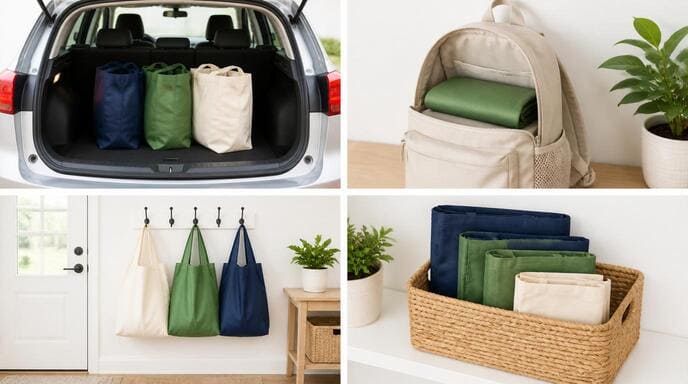
Keep Bags in the Car
Keeping several reusable shopping bags in the trunk or behind the seat makes them available for planned and unexpected shopping trips.
This simple habit reduces the need for disposable bags.
Carry a Foldable Bag Every Day
Many modern reusable shopping bags fold into a compact pouch or built-in pocket.
These bags fit easily inside backpacks, handbags, laptop bags, or even larger jacket pockets, making them convenient for daily errands.
Store Bags Near the Door
Hanging reusable shopping bags near the entrance creates a useful reminder before leaving home.
Wall hooks, storage baskets, or dedicated shelves all work well.
Organize Bags by Purpose
Many households eventually collect several reusable shopping bags.
Instead of storing them together randomly, organizing them by size or purpose makes choosing the right bag much faster.
For example:
- Small bags for quick shopping
- Medium bags for weekly groceries
- Large bags for bulk purchases
- Insulated bags for frozen or hot food
Sometimes the easiest way to use reusable shopping bags more often is simply to make them easier to find.
What Special Features Should Buyers Look for in a Reusable Shopping Bag?
Once the basic requirements have been decided, additional features become the next consideration.
Not every reusable shopping bag needs every feature.
The goal is not to choose the bag with the longest feature list.
The goal is to choose features that solve real problems.
Practical Features That Add Real Value
Many buyers become attracted to bags with numerous extra functions.
Some features are genuinely useful.
Others simply add cost without improving everyday performance.
Asking one simple question usually helps.
Will this feature actually make shopping easier?
If the answer is yes, it may be worth considering.
Gussets
Side or bottom gussets increase the bag's internal capacity while helping it maintain its shape.
They also improve stability when carrying boxes, bottles, or bulky groceries.
Zipper or Secure Closure
A zipper, snap button, or hook-and-loop closure helps prevent items from falling out during transport.
This feature is especially useful when walking long distances, riding bicycles, or using public transportation.
Insulated Lining
Insulated reusable shopping bags help maintain the temperature of hot or cold products.
They are widely used for:
- Frozen food
- Grocery delivery
- Takeaway meals
- Fresh produce
- Cold-chain transportation
For buyers who regularly purchase refrigerated or frozen products, insulation can significantly improve food quality during transport.
Reinforced Flat Bottom
A reinforced bottom allows the bag to stand upright while groceries are being packed.
This makes checkout faster and helps protect fragile items from tipping over.
Waterproof or Laminated Interior
A laminated interior makes cleaning much easier.
It also helps resist moisture, spills, stains, and food odors, making the bag more suitable for groceries and fresh produce.
It is easy to assume that more features automatically create a better reusable shopping bag.
In reality, unnecessary features often increase cost without improving everyday usefulness.
Choosing features based on actual shopping habits almost always delivers better long-term value than choosing the longest specification sheet.
How Should Reusable Shopping Bags Be Cleaned and Maintained?
Choosing the right reusable shopping bag is only part of the equation.
Proper care determines how long that bag continues to perform well.
Many reusable shopping bags are designed to last for years, but regular cleaning and simple maintenance help preserve both their appearance and their durability.
Simple Maintenance Makes a Big Difference
One common misconception is that reusable shopping bags rarely need cleaning because they only carry packaged groceries.
Unfortunately, that's not always true.
Fresh vegetables, leaking milk cartons, raw meat packaging, frozen foods, and everyday dust can all leave behind moisture, stains, or bacteria over time.
A clean reusable shopping bag not only lasts longer but also provides a better shopping experience.
Follow the Care Instructions
Different materials require different cleaning methods.
Canvas, RPET, non-woven fabric, PP woven fabric, and insulated bags all have slightly different care recommendations.
Whenever possible, check the manufacturer's care label before washing.
Clean Small Spills Immediately
Waiting until stains become noticeable usually makes cleaning more difficult.
For laminated non-woven bags or PP woven bags, a damp cloth with mild detergent is often enough for everyday cleaning.
Removing spills early helps prevent stains and unpleasant odors from developing.
Machine Wash Only When Appropriate
Some reusable shopping bags, such as canvas or certain RPET bags, can often be machine washed using cold water and a gentle cycle.
However, not every reusable shopping bag is designed for machine washing.
Insulated bags and laminated bags usually last longer when cleaned by hand.
Allow Bags to Dry Completely
Before storing any reusable shopping bag, make sure it has dried thoroughly.
Moisture trapped inside folded bags may eventually cause mold, mildew, or unpleasant smells.
Air drying is usually the safest option.
Clean Bags Regularly
Bags used to carry groceries should be cleaned more frequently than bags used only for clothing or general shopping.
This becomes especially important after transporting:
- Raw meat
- Seafood
- Dairy products
- Fresh produce
- Frozen food
Many people focus on choosing a durable reusable shopping bag but spend very little time thinking about maintenance.
In reality, a well-maintained bag often stays attractive and functional much longer than a neglected one.
How Can Buyers Balance Durability and Cost?
After comparing materials, construction, size, handles, and features, one final decision remains.
How much should a reusable shopping bag cost?
Price is usually one of the first things buyers notice.
However, the lowest purchase price does not always result in the lowest overall cost.
Choosing reusable shopping bags should be viewed as a long-term investment rather than a one-time expense.
Looking Beyond the Price Tag
One of the biggest misconceptions is that saving money simply means buying the cheapest reusable shopping bag available.
That approach often creates higher costs later.
A bag that needs replacing several times may ultimately cost more than one durable bag that performs reliably for years.
Instead of asking,
"Which bag costs the least?"
a more useful question is,
"Which bag provides the best value over its entire service life?"
Several factors help answer that question.
Consider Cost Per Use
A reusable shopping bag that lasts for hundreds of shopping trips often has a much lower cost per use than a cheaper bag that fails after only a short period.
Long-term value is usually more meaningful than the initial purchase price.
Match the Material to the Job
Promotional events, trade shows, and occasional shopping often work well with economical non-woven bags.
Frequent grocery shopping, however, usually benefits from stronger materials such as canvas, RPET, or PP woven fabric.
Buying more durability than necessary increases cost.
Buying too little durability increases replacement frequency.
The best choice is somewhere in the middle.
Don't Ignore Construction Quality
Strong stitching, reinforced handles, and durable seams often extend service life more than simply choosing thicker fabric.
Construction quality deserves as much attention as material selection.
Think About the User
The best reusable shopping bag for a supermarket customer may not be the best option for a clothing retailer, a gift shop, or a grocery delivery service.
Understanding how the bag will actually be used leads to much better purchasing decisions.
When all of these factors are considered together, buyers often discover that the best reusable shopping bag is rarely the cheapest one.
It is the one that consistently performs well throughout its entire lifespan.
Conclusion
Choosing the best reusable shopping bag involves much more than selecting an attractive design or the lowest price.
The process becomes much easier when each decision is made step by step.
Start by choosing a material that matches the intended use. Then select an appropriate size, confirm the required weight capacity, evaluate the handle design, inspect the construction quality, and consider how often the bag will actually be used. Practical features, convenient storage, regular maintenance, and long-term value should also be part of the decision.
Rather than asking which reusable shopping bag is the best overall, a better question is:
Which reusable shopping bag is the best for this specific application?
Once that question has been answered, the right choice usually becomes much clearer.
A well-selected reusable shopping bag not only lasts longer but also provides better carrying comfort, greater reliability, and better value throughout its service life.