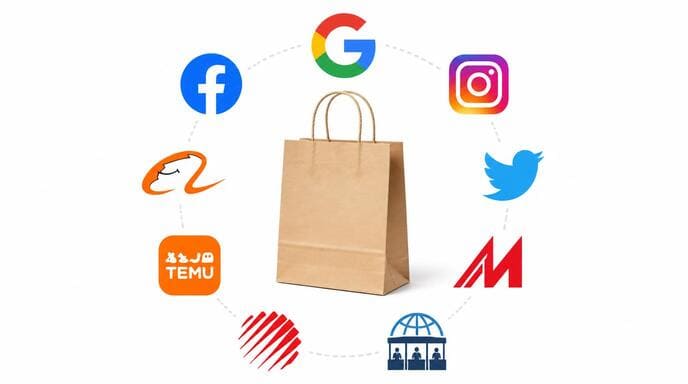
Finding paper bag suppliers can feel overwhelming. You worry about quality, consistency, and delivery times. This guide helps you navigate the process to find a reliable manufacturing partner.
Finding the best paper bag manufacturer requires a systematic approach. Use online searches, platforms, trade shows, networks, and thorough vetting to secure a dependable supplier for your packaging needs.
The journey to finding the right paper bag maker involves several steps. It starts with broad searches and narrows down through careful evaluation. Each stage helps build confidence in your chosen partner.
How Can Google Search Help You Find Paper Bag Manufacturers?
Finding suppliers online feels overwhelming. Google is a powerful tool, but knowing how to search smart makes all the difference.
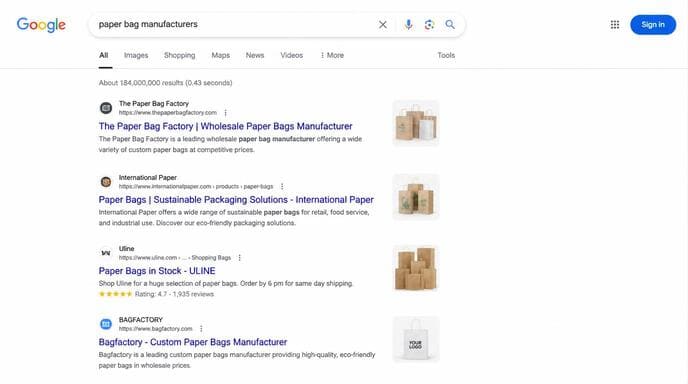
Use specific keywords like "custom paper bag manufacturer." Look beyond ads to organic results. Always cross-verify website findings with other sources like LinkedIn or Alibaba for reliability.
Mastering Keyword Searches
When using Google, precision matters. Start with broad terms like "paper bag manufacturer." Then, refine your search with specific needs: "custom paper bag manufacturer," "kraft paper bag factory," "machine-made paper bag supplier," or "paper shopping bag manufacturer." This helps filter results and find makers closer to your exact requirements.
Organic Search vs. Paid Ads
Google displays sponsored ads at the top. While ads can show active companies, they don't always indicate the best quality or reliability. Focus on the organic results below the ads. These are often from websites that have invested in content and SEO, suggesting a more established presence and a commitment to their online visibility. Look for companies with detailed websites.
The Importance of Cross-Verification
A website found through Google is just the first step. To confirm its credibility, cross-reference the manufacturer on other platforms. Check their LinkedIn profile for company updates and professional connections. Look them up on Alibaba or other B2B marketplaces to see customer reviews and transaction history. This layered verification process is crucial, especially for buyers with some sourcing experience. It helps ensure you are dealing with a legitimate and active business.
Which Online Platforms Are Best for Sourcing Paper Bags?
Online marketplaces offer vast options, but which ones are most effective? Choosing the right platform saves time and leads to better results.
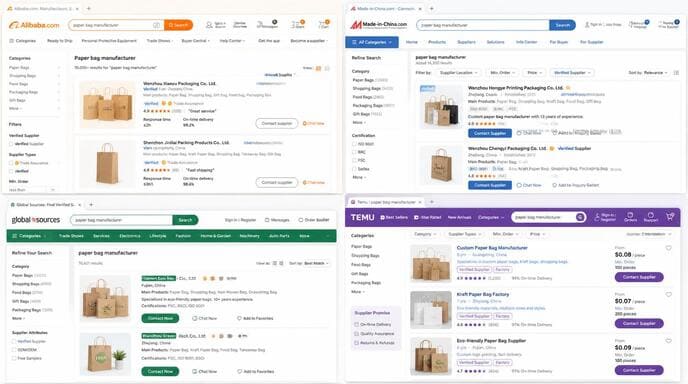
Major B2B platforms like Alibaba and Made-in-China are great for bulk orders. Emerging platforms like Temu are better for smaller quantities and often provide good after-sales support.
Established B2B Marketplaces
Platforms like Alibaba, Made-in-China, and Global Sources have long been go-to sources for manufacturers worldwide. They offer extensive supplier directories, detailed company profiles, and trade assurance options. These sites are ideal for buyers looking for bulk orders, custom designs, and long-term supplier relationships. Buyers can often find detailed information about production capacity, certifications, and product ranges.
Emerging Platforms for Specific Needs
Recently, platforms like Temu have gained traction. Temu often targets a different market segment, focusing on smaller order quantities and a consumer-friendly shopping experience. While not primarily for large-scale industrial sourcing, it can be useful for businesses needing trial runs of a few hundred bags or for niche promotional items. Temu's strength often lies in its perceived good customer service and straightforward purchasing process for smaller lots.
Platform Strengths and Weaknesses
Each platform has its advantages. Alibaba provides a massive selection but requires careful vetting. Made-in-China and Global Sources offer a curated experience, often focusing on verified suppliers. Temu offers convenience for small orders but might lack the customization depth or volume capacity needed by larger businesses. Understanding these differences helps buyers select the platform that best matches their project scale, budget, and service expectations.
Why Should You Attend Trade Shows to Find Manufacturers?
Online searches are convenient, but can they truly connect you with the best makers? Trade shows offer a direct path to genuine manufacturers.
Trade shows like the Canton Fair allow direct interaction with manufacturers. You can see product quality firsthand, discuss needs face-to-face, and verify a company's authenticity more easily.
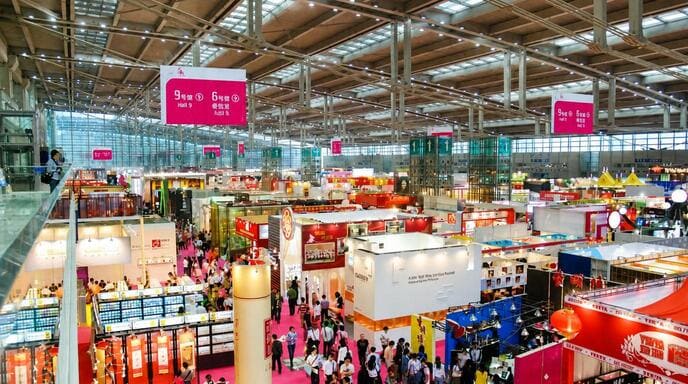
The Advantage of Face-to-Face Interaction
Trade shows provide an unparalleled opportunity for direct engagement. Meeting potential manufacturers in person allows for immediate assessment of their professionalism and product quality. You can touch and feel samples, inspect their craftsmanship, and gauge their enthusiasm for your project. This personal interaction builds trust and rapport much faster than online communication alone.
Spotting Genuine Factory Representatives
At trade shows, you are more likely to meet people who genuinely understand the factory's operations, not just sales agents. They can answer detailed questions about production processes, machinery, materials, and quality control. This direct line to expertise helps distinguish truly capable factories from those that may be trading companies or less experienced operations.
Key Exhibitions to Target
Major events like the Canton Fair are essential for sourcing. Beyond general trade fairs, look for specialized packaging exhibitions or printing industry expos. These events attract companies focused specifically on your product category. Attending these targeted shows ensures you meet a concentrated group of relevant manufacturers, maximizing your time and sourcing efficiency.
Can Social Media Help You Discover Paper Bag Factories?
Beyond B2B sites, where else can you find visual proof of a factory's operations? Social media offers a unique window into production.
Platforms like LinkedIn, YouTube, and Facebook often showcase factories' production lines and daily work. This visual evidence can confirm a manufacturer's scale and operational capabilities.
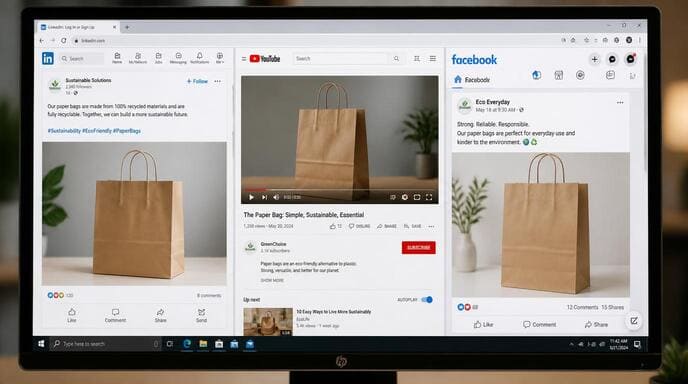
LinkedIn for Professional Insights
LinkedIn serves as a professional network where companies share updates, company news, and information about their services. A manufacturer's LinkedIn page can reveal their history, size, key personnel, and recent achievements. Following potential suppliers here can provide ongoing insight into their business activities and commitment to transparency.
YouTube for Production Line Tours
YouTube is an excellent resource for visual verification. Many manufacturers post videos showcasing their factories, machinery, and production processes. Watching these videos allows you to see the scale of their operations, the types of equipment they use, and how their quality control measures are implemented in real-time.
Facebook for Company Culture and Updates
Facebook pages can offer a more informal look at a company. Manufacturers might share glimpses of their team, new product developments, or community involvement. While less technical than LinkedIn or YouTube, these posts can help build a more complete picture of the company's culture and operational pace, adding another layer to your vetting process.
What Key Information Should You Look for on Manufacturer Websites?
A manufacturer's website is their digital storefront. What details truly show their professionalism and capability?
Look for actual factory photos, details about production equipment, certifications, and real case studies. These elements demonstrate a manufacturer's operational capacity and commitment to quality.
Visual Evidence: Factory & Equipment
A credible paper bag manufacturer's website should feature clear photographs of their actual factory premises. Look for images of their production lines, showing machinery such as automated bag-making machines, printing presses, and finishing equipment. Specific details about the quantity and type of machinery indicate their production capacity and technological capabilities.
Credibility Through Certifications
Certifications are vital proof of a manufacturer's commitment to quality, safety, and ethical standards. Look for recognized accreditations like ISO 9001 (Quality Management), GRS (Global Recycled Standard), BSCI (Business Social Compliance Initiative), REACH, or RoHS compliance. These demonstrate that the factory adheres to international standards and undergoes regular audits.
Proof of Experience: Case Studies
Genuine manufacturers often showcase their experience through case studies or a client list. This highlights their track record of working with reputable brands and completing successful projects. Information about "over 11 years of OEM/ODM custom experience" or listing well-known clients in sectors like food service or retail lends significant credibility. It shows they have the expertise to handle diverse client needs and deliver consistent results.
How Can Your Network Lead You to Reliable Manufacturers?
In a crowded market, who can you trust for a recommendation? Your existing connections hold valuable insights.
Ask industry peers, packaging consultants, or brand managers for referrals. Recommendations from trusted sources often lead to more reliable and vetted manufacturers.
The Power of Peer Recommendations
Your colleagues in procurement or supply chain management are invaluable resources. They often have firsthand experience with various suppliers and can share insights into who delivers quality products consistently and on time. A recommendation from a peer who has faced similar challenges and found a solution can save you significant time and effort in your search.
Insights from Packaging Professionals
Companies specializing in packaging solutions, design agencies, or printing consultants work closely with manufacturers. They often have a deep understanding of the capabilities and reliability of different factories. A referral from such a professional can point you towards manufacturers known for their technical expertise, innovative solutions, and strong quality control systems.
Trustworthy Referrals from Brands
Brands that have successfully partnered with paper bag manufacturers for their own products are excellent sources. They can recommend suppliers who met their specific needs, whether it was for branding, sustainability, or high-volume production. These direct recommendations carry a high degree of trust because they are based on actual, successful business collaborations and product delivery.
Why Contacting Multiple Manufacturers is Crucial?
Do you think one quote is enough? Contacting several suppliers is essential for finding the best fit and value.
Reach out to 5-10 potential manufacturers. Compare their response speed, quotation clarity, professionalism, and understanding of your needs. This prevents settling for less.
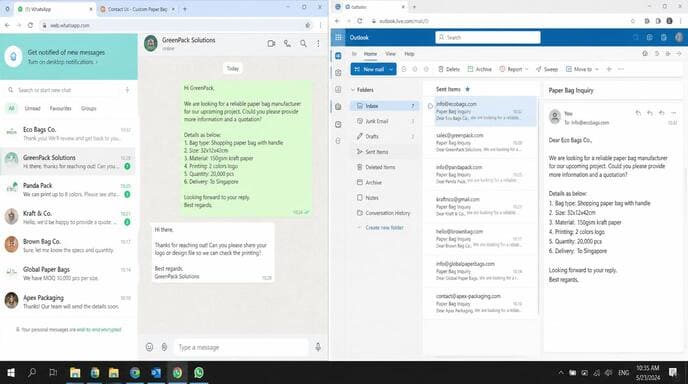
The Benefits of a Comparative Approach
Limiting your supplier search to just one or two manufacturers is a common mistake. This approach can lead to accepting a subpar offer without knowing better options exist. By contacting a wider group, you create a competitive environment. This allows you to identify suppliers offering better pricing, superior quality, or more efficient service, ensuring you get the best possible partnership.
What to Measure in Initial Contact
When you contact multiple manufacturers, pay close attention to several factors. First, how quickly do they respond to your initial inquiry? A prompt response suggests good customer service and operational efficiency. Second, are their questions clear and relevant? This indicates they are actively trying to understand your needs. Finally, observe the overall tone and professionalism of their communication.
Identifying Professionalism in Responses
A manufacturer's initial communication can be a strong indicator of their future performance. Professional responses are typically detailed, accurate, and directly address your questions. They might include requests for further clarification to ensure they fully grasp your project requirements. Conversely, slow, vague, or incomplete responses can be red flags, suggesting potential issues with communication, organization, or commitment down the line.
How to Verify if a Manufacturer is Genuine?
You've contacted suppliers and received quotes. How can you be sure they are a real, capable factory? Verification is key.
Verify a manufacturer by requesting physical samples. Look for factory videos, check their certifications, and assess their stated production capacity to confirm they are a legitimate and capable producer.
The Ultimate Test: Physical Samples
The most direct way to assess a manufacturer's capability is by requesting physical samples of their work. Before committing to a large order, ask for examples of paper bags they have produced, ideally similar to your specifications. Examine the print quality, material feel, construction (e.g., handle attachment, seam strength), and overall finish. Samples reveal potential issues with consistency, color accuracy, and craftsmanship that might not be apparent from photos or descriptions.
Auditing Production Capabilities
Beyond samples, understanding a factory's production capacity is equally important. Ask about their production lines, daily output, and the equipment used for your specific type of paper bag. A well-equipped manufacturer may operate fully automatic paper bag making machines, offset or flexographic printing presses, automatic handle attaching machines, and quality inspection equipment. Modern machinery helps improve production efficiency, product consistency, and delivery reliability. If possible, request a virtual or on-site factory tour to see the production process and quality control system firsthand.
Documenting Legitimacy: Certifications & Videos
Official certifications are crucial for verifying a manufacturer's adherence to international standards. Look for evidence of ISO 9001 for quality management, GRS for recycled materials, BSCI for social compliance, or specific environmental certifications. Additionally, request factory tour videos. These visual records confirm the existence of their facilities and equipment, providing tangible proof of their operations and scale, helping to confirm they are a genuine production entity.
How to Finalize Your Choice of Paper Bag Manufacturer?
You've evaluated options, now how do you make the final selection? Narrowing down to a few ensures you get the best deal.
Select your top 3 manufacturers. Compare their final prices, minimum order quantities (MOQ), estimated lead times, and the quality of the samples provided.
The Final Three: Key Comparison Points
After an initial vetting process, you should have a shortlist of your top three potential paper bag manufacturers. At this stage, it's time for a detailed comparison based on the most critical factors. This involves looking beyond initial impressions and focusing on tangible business metrics that will affect your project's success and your bottom line.
Weighing Price, MOQ, and Delivery
One of the primary comparison points is the final price. Ensure you understand all costs, including any setup fees, printing charges, and shipping. Also, evaluate the Minimum Order Quantity (MOQ) each supplier offers; it must align with your projected needs. The estimated lead time for production and delivery is equally important, especially if you have specific deadlines. Compare these factors across your top choices to find the most cost-effective and timely solution.
Quality Assessment for Long-Term Partnership
While price and speed are important, quality remains paramount. Revisit the samples provided by your final three candidates. Which manufacturer consistently delivers the best print accuracy, material quality, and structural integrity? Consider which supplier's samples best represent your brand's image and durability requirements. Choosing a manufacturer that excels in quality ensures customer satisfaction and strengthens your brand's reputation, forming the basis for a successful long-term partnership.
Conclusion
A systematic process, from online searches to final sample checks, helps you find the ideal paper bag manufacturer. Trustworthy partners ensure quality, reliability, and successful brand representation.