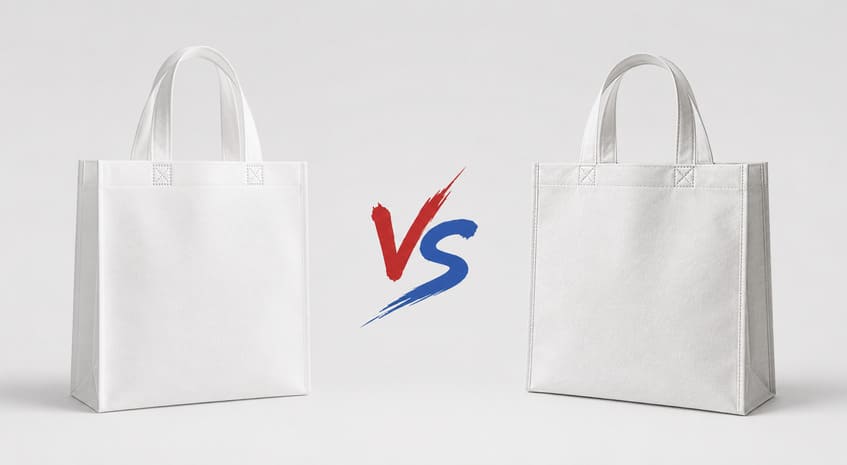
Ever had a non-woven bag handle rip when you least expect it? That frustrating moment often happens when your bag is fullest, leaving you scrambling. This problem can be annoying.
Non-woven bag handles fail due to construction methods. Heat-sealed handles offer cost efficiency but can break under lateral stress, while sewn handles, though more costly and labor-intensive, provide superior strength and durability for heavy use.
I've seen countless bags over my years in the packaging industry. From a manufacturer's perspective, understanding how these bags are made helps us prevent these common failures. Let's dig into the two main construction types and why their handles perform differently, based on my experience and observations.
Are Heat-Sealed Non-Woven Bag Handles Strong Enough?
You chose heat-sealed bags for their clean look and great price. But have you ever wondered if that sleek finish comes at a cost when it comes to handle strength?
Heat-sealed non-woven bag handles, made with ultrasonic welding, are efficient and economical. They often fail under sudden or lateral stress. The weld point is a structural weak spot, not the fabric itself.
The Heat-Sealed Process and Its Limits
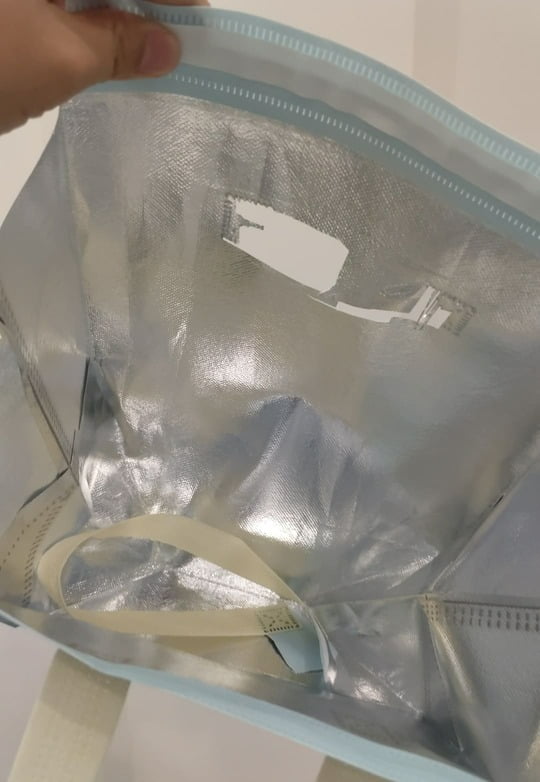
From my side, I see heat-sealing as a marvel of modern manufacturing. We use ultrasonic welding. This method involves high-frequency vibrations that create friction and heat. This heat melts the non-woven fabric. It fuses layers together at specific points, like where the handle meets the bag body. This process is very fast. It allows for high-volume production. This means we can make millions of bags daily in our factory. This speed makes the cost much lower. The finished bag also looks very neat. There are no visible stitches. This gives a clean, modern aesthetic. Many of our clients, like large retailers and fast-food chains, love this for promotions and basic shopping bags.
However, I've observed a clear trade-off. The main weakness of heat-sealed bags is at the handle connection. The fabric itself is often strong. The problem is with the weld point. When you pull the bag sideways, or if the handle gets caught and pulled in the opposite direction, the stress focuses on this small welded area. The fused point becomes brittle. It cannot distribute the force as well as continuous fabric. I've seen countless cases where the handle snaps off right at this weld. It is not because the non-woven material tears. It is because the weld fails. Sometimes, if the welding process was not perfect, handles can detach fully right out of the box. We catch most of these issues during quality checks. But for the end-user, this handle failure can be very frustrating, especially with a full bag of groceries.
| Feature | Benefit | Drawback |
|---|---|---|
| Efficiency | High speed, mass production | Weld point vulnerability |
| Cost | Lower manufacturing expense | Potential for handle failure under stress |
| Aesthetics | Clean, stitch-free appearance | Limited load distribution at weld |
| Durability | Good for light to medium loads | Prone to failure with lateral or reverse pull |
Do Sewn Non-Woven Bag Handles Always Deliver Superior Strength?
You opted for sewn handles, expecting rock-solid durability. But what if I told you even sewn construction isn't always perfect, despite its inherent strength?
Sewn non-woven bag handles offer better resistance to pulling forces. They have reinforced stitching. However, they are more labor-intensive. They are slower to produce. They can have aesthetic inconsistencies from human error, like uneven stitching.
The Sewing Method and Its Nuances
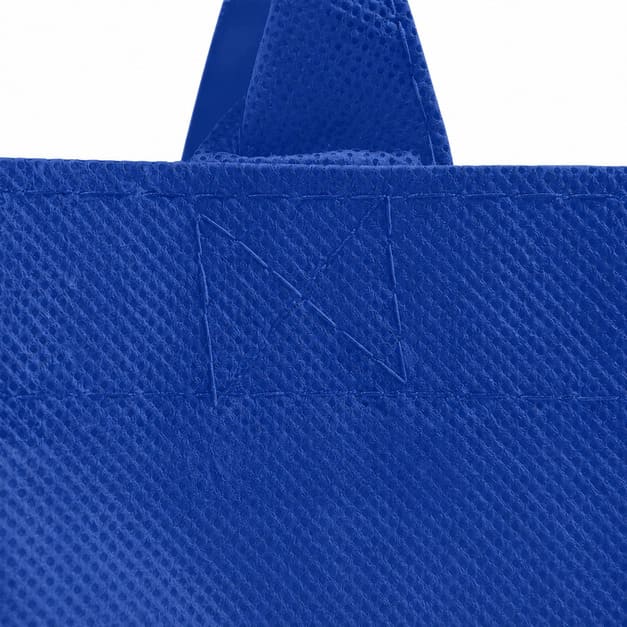
When we talk about sewn non-woven bags, we are often talking about a more traditional, labor-intensive process. My team uses a variety of sewing machines. These include double-needle machines, computer-patterned tacking machines, flat machines, and high-speed machines. Skilled workers operate these machines. They stitch the handles directly onto the bag body. This creates a strong, physical bond using thread. The threads interlock through the fabric layers. This distributes the stress over a wider area. It provides much better resistance to pulling forces, especially lateral pulls. For items that are heavier or need more reliability, sewing is often the best choice. Many of our partners, like high-end clothing brands or supermarkets for their premium reusable bags, prefer this method. They want long-lasting products that reflect their brand's quality. I've seen these sewn bags hold up to repeated heavy use without any handle issues. This is a testament to the strength of this construction.
However, sewing is not without its challenges. The biggest challenge is that it relies on human hands. This means production is slower. It costs more due to labor. While the handles are stronger, the appearance can vary. I sometimes see issues like exposed threads. This can affect the overall clean look that some brands want. Different workers have different skill levels. This can lead to small inconsistencies. We might see a stitch line that is not perfectly straight. Or the tacking stitches might be slightly off-center. These small flaws do not usually affect the bag's performance. The handle will still be strong. But they can impact the product's aesthetic consistency. This is important for brands that demand perfection in every detail. My team works hard to minimize these variations. Still, human factors are always present in sewn production.
| Feature | Benefit | Drawback |
|---|---|---|
| Efficiency | Reliable for heavy loads | Slower production speed |
| Cost | Superior handle strength | Higher labor and overall cost |
| Aesthetics | Durable, robust feel | Visible stitching, potential for human error |
| Durability | Excellent for repeated, heavy use | Minor cosmetic inconsistencies possible |
Which Bag Handle Construction is Right for Your Brand?
Faced with choosing between heat-sealed and sewn handles, are you unsure which method truly aligns with your brand's values and your product's needs?
Choosing between heat-sealed and sewn non-woven bag handles depends on your priorities. Heat-sealed is ideal for high-volume, low-cost needs where aesthetics and basic strength suffice. Sewn excels when durability, load-bearing capacity, and perceived quality are paramount.
Matching Construction to Your Needs
In my work, I always advise clients to consider the end-use of their non-woven bags. The choice between heat-sealed and sewn construction is not about one being simply "better" than the other. It is about suitability. For customers seeking very large quantities, like promotional giveaways or basic retail carry bags, heat-sealed is often the smart choice. Its high efficiency allows us to produce millions of units daily. This drives down the unit cost significantly. This is perfect for brands like large beverage chains or supermarkets that need bags for everyday light shopping. The clean appearance also appeals to many. Even with its handle limitations, if the bag is not intended for heavy, repeated use, heat-sealed performs very well. It offers great value and speed. We have produced bags for major brands where speed and cost were the top drivers.
On the other hand, if your brand's reputation relies on durability and a premium feel, I always recommend sewn construction. For clients such as high-end apparel brands or for bags meant to carry heavier items like multiple bottles of wine, the added strength of sewn handles is essential. My team ensures strong stitching and tacking for these bags. This guarantees they can withstand significant weight and repeated use. It prevents the frustrating handle failures that can damage a brand's image. While the production cost and time are higher, the investment often pays off in customer satisfaction and brand loyalty. Many of our partners in the fashion and gourmet food sectors choose sewn bags for this very reason. It is all about delivering a product that lives up to the brand's promise of quality and reliability. My company, Jia Rong Packaging, specializes in both, ensuring we can meet diverse customer needs, whether it's a promotional item or a durable reusable bag.
| Decision Factor | Heat-Sealed (Ultrasonic Welding) | Sewn Construction |
|---|---|---|
| Primary Goal | Cost-effectiveness, high volume, clean look | Durability, perceived quality, heavy-duty use |
| Typical Use | Promotional bags, light retail, food takeout (lighter items) | Reusable shopping bags, heavier items, premium branding, long-term use |
| Cost | Lower | Higher |
| Production Speed | Very fast, suitable for mass production | Slower, more labor-intensive |
| Handle Strength | Good for vertical pull, vulnerable to lateral/reverse stress | Excellent resistance to all pulling forces, very durable |
| Aesthetics | Smooth, stitch-free finish | Visible stitching, can have minor human-made variations |
Conclusion
Understanding non-woven bag handle construction is key. Heat-sealed offers efficiency, while sewn provides superior strength. Your choice should balance cost, aesthetics, and required durability for your specific needs.
Frequently Asked Questions (FAQ)
1. What makes heat-sealed non-woven bag handles weaker than sewn ones?
Heat-sealed handles use ultrasonic welding, which creates a fused point. This point becomes brittle and concentrates stress. It can fail under lateral or reverse pulling forces, even if the fabric itself is strong.
2. Are sewn non-woven bag handles always the best choice for durability?
Sewn handles generally offer superior durability and strength for heavy loads and repeated use. However, they cost more and production is slower. The best choice depends on your specific needs for strength versus cost and speed.
3. How can I ensure my non-woven bag handles will not fail?
To ensure handle strength, choose sewn construction for heavy items. For heat-sealed bags, specify a reputable manufacturer with strict quality control. Always test samples with your typical product load before ordering large quantities.
4. What certifications are important for non-woven bags?
Important certifications include ISO 9001 (quality management), GRS (recycled content), and BSCI (social compliance). These show a commitment to quality, environmental responsibility, and ethical labor practices, which we proudly hold at Jia Rong Packaging.
5. What are the main factors to consider when choosing bag construction?
Consider your budget, the required volume, desired production speed, the weight of the items the bag will carry, and your brand's aesthetic preferences. These factors guide whether heat-sealed or sewn construction is more suitable for your specific application.