Choosing the right cooler bag manufacturer is one of the most important decisions a buyer can make when sourcing insulated products. Whether the goal is to purchase promotional cooler bags, insulated grocery bags, food delivery bags, or retail packaging solutions, the success of the project depends heavily on the supplier behind the product. A quick […]
Stories & Insights
Sharing experiences from the sustainable packaging industry and personal journey in building eco-friendly solutions.
Insulated Bag
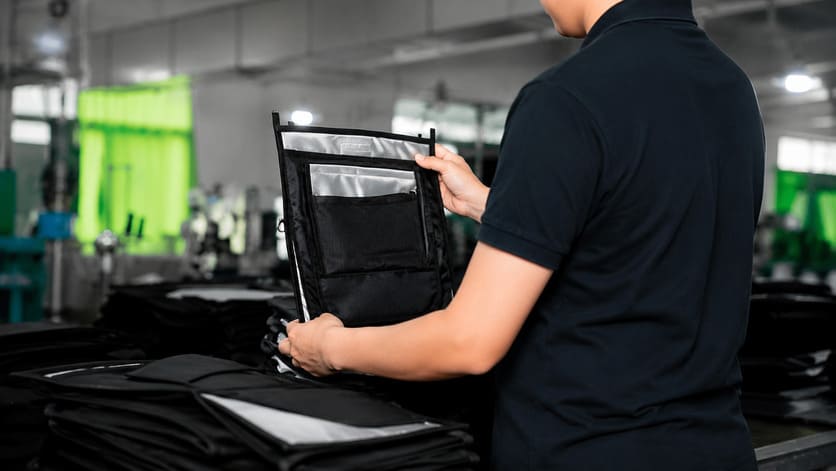
How Can You Effectively Evaluate a Cooler Bag Manufacturer Before Placing Your Order?
Read Full Story
Non-Woven Bag
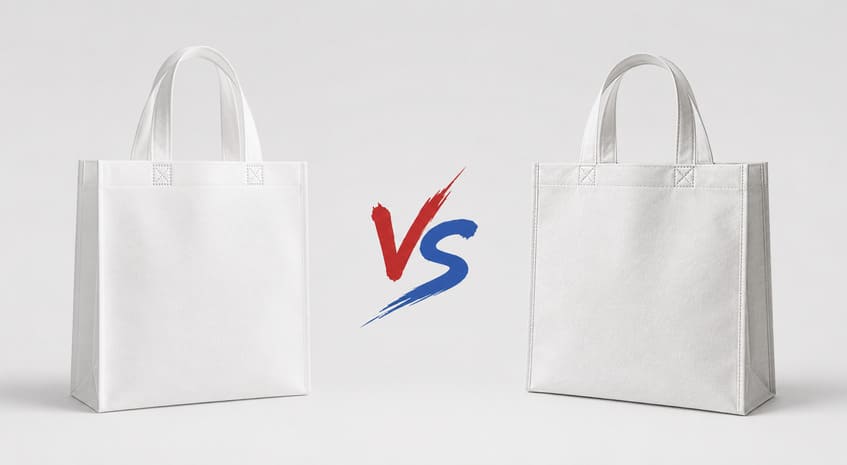
Why Some Non-Woven Bags Fail at the Handles: Heat-Sealed vs Sewn Construction Analysis?
Ever had a non-woven bag handle rip when you least expect it? That frustrating moment often happens when your bag is fullest, leaving you scrambling. This problem can be annoying. Non-woven bag handles fail due to construction methods. Heat-sealed handles offer cost efficiency but can break under lateral stress, while sewn handles, though more costly […]
Uncategorized
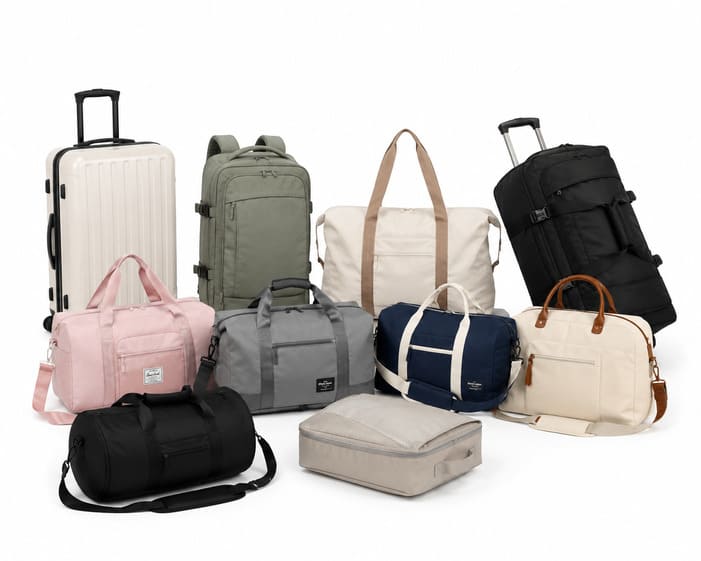
What Features Make a High-Quality Travel Duffle Bag?
Travel duffle bags (also spelled duffel bags) remain one of the most versatile and widely used luggage products across the travel, sports, fitness, outdoor, corporate gifting, and retail industries. For importers, travel brands, sporting goods companies, e-commerce sellers, promotional product distributors, and private-label businesses, evaluating a travel duffle bag involves much more than appearance. The […]
Industry Guide
Non-Woven Bag
How to Get a Good Non Woven Bag Supplier from China in 2026
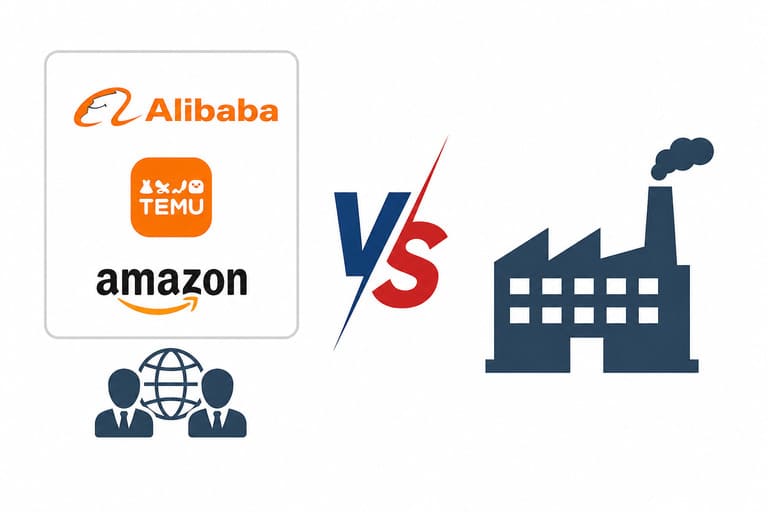
China remains the world’s largest manufacturing center for non woven bags, supplying billions of bags every year to supermarkets, retailers, promotional companies, packaging distributors, wholesalers, and brand owners across North America, Europe, Australia, Southeast Asia, and the Middle East. Despite growing discussions about supply chain diversification, rising labor costs, tariffs, and geopolitical uncertainty, China continues […]
Insulated Bag
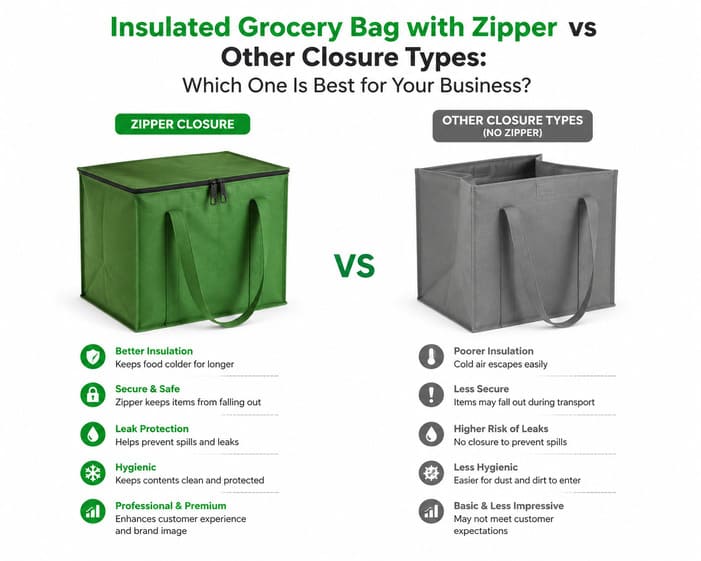
Insulated Grocery Bag with Zipper vs Other Closure Types: Which One Is Best for Your Business?
In the cold-chain packaging and grocery delivery industry, insulated grocery bags have become a standard tool for supermarkets, food delivery services, and wholesale distribution. Most buyers focus on insulation materials such as aluminum foil, EPE foam, or non-woven fabrics. However, in real production and daily communication with clients, one factor often determines whether the bag […]
Insulated Bag
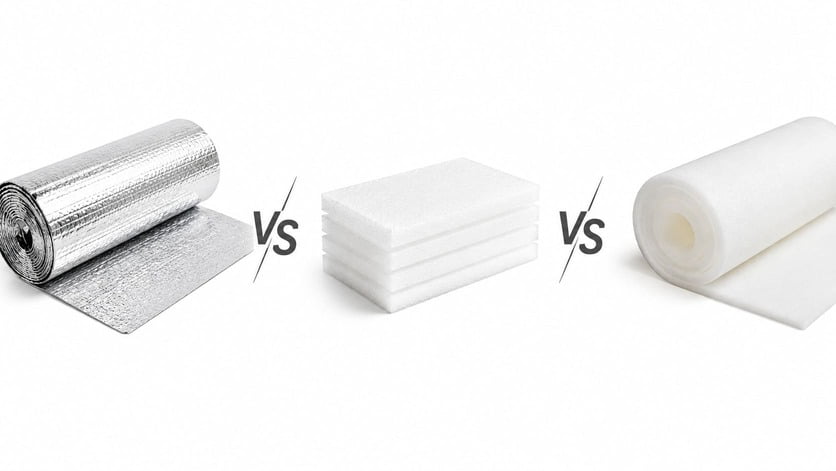
Foil vs. Foam: A Deep Dive into the 3 Key Materials for Insulated Bag Performance
Choosing an insulated bag is confusing. The wrong material means spoiled food or lukewarm drinks. Let’s break down the core materials to help you make the right choice. The best insulated bags combine three key materials: aluminum foil for reflecting heat, EPE foam for blocking heat transfer, and a durable outer fabric. This multi-layer design […]
Uncategorized
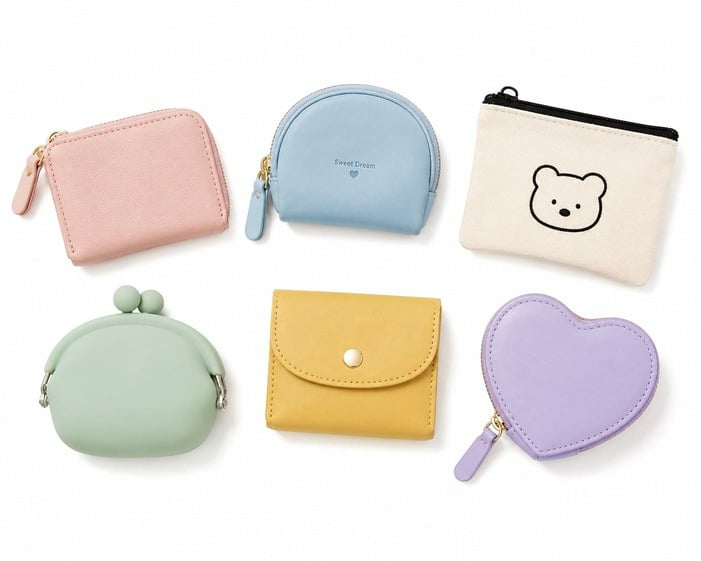
What Is a Coin Purse? A Complete Guide
Introduction A coin purse is one of the simplest yet most practical personal accessories. While modern payment methods have reduced the need to carry large amounts of cash, coins still remain an important part of everyday life in many countries. From loose change after shopping to parking meters, vending machines, public transportation, and emergency cash […]
Uncategorized
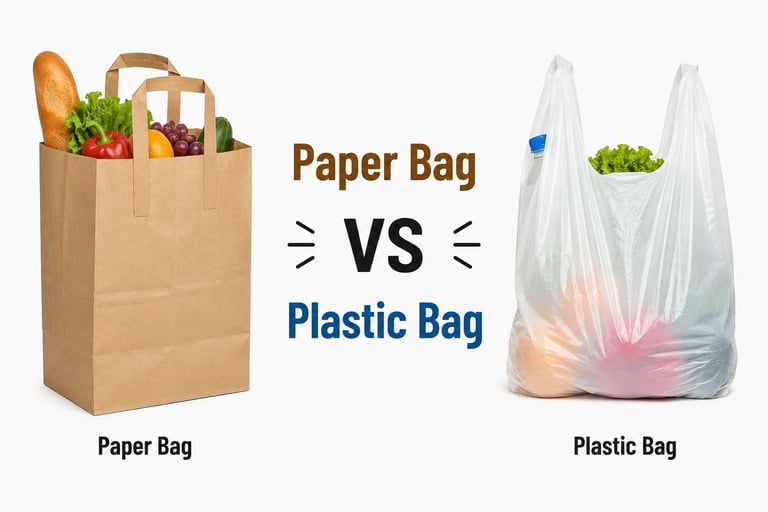
Which Can Support More Weight, Paper or Plastic Grocery Bags?
Many retailers, supermarkets, and packaging buyers face the same question when selecting grocery bags: should they choose paper or plastic? At first glance, plastic appears stronger because it stretches without tearing. Paper, on the other hand, looks more rigid but can fail unexpectedly when overloaded or exposed to moisture. Choosing the wrong bag can lead […]
Showing 33-40 of 48 stories
Behind the Bags
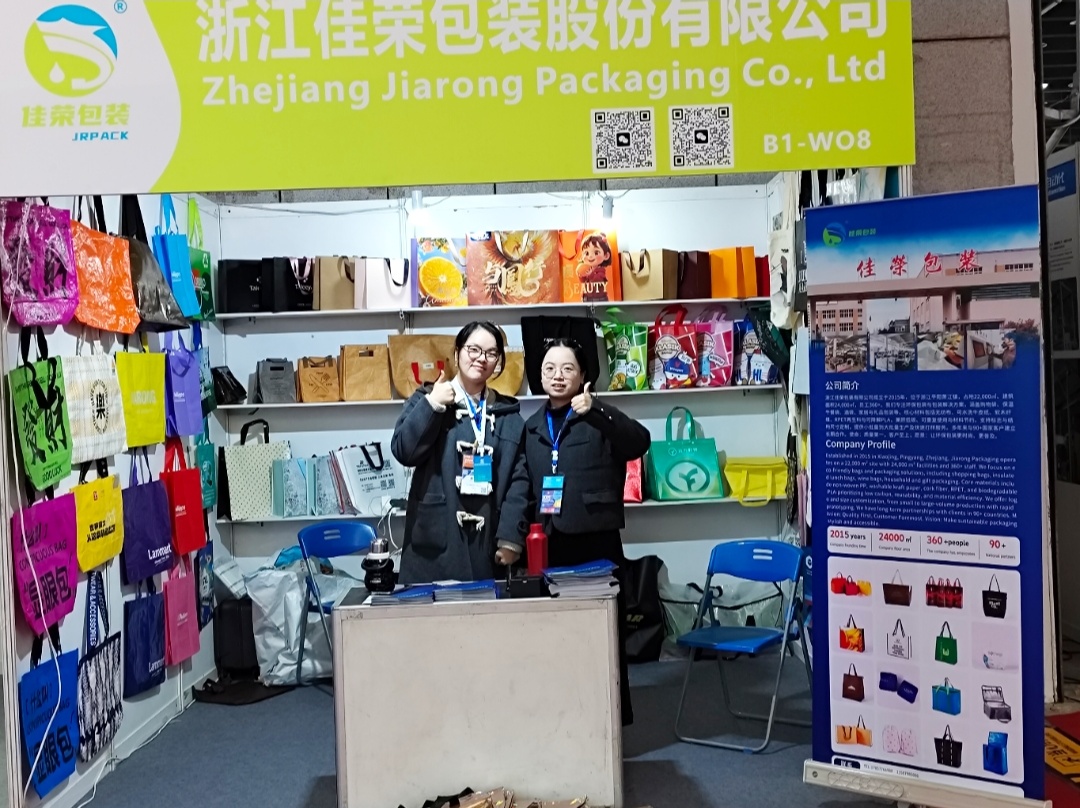
Every bag has a real beginning. Ours started in 2015, in a small workshop in Wenzhou, with a simple belief: packaging should be made responsibly, and made to last.
Inside the factory, different bags are made in different ways. Non-woven bags are formed on large automated machines using ultrasonic welding. Canvas bags and woven bags are sewn piece by piece, guided by skilled hands. Different processes, same focus on reliability.
Behind every production line are people. More than 360 workers check seams, align handles, and inspect details that most customers will never see—but will feel when they use the bag.
The journey has not always been smooth. Supply changes, material adjustments, and long conversations with clients are part of daily work. Each challenge has shaped how we think, improve, and build trust.
This blog shares what lies behind the bags: real processes, real decisions, and the people who make sure every bag is made the right way.
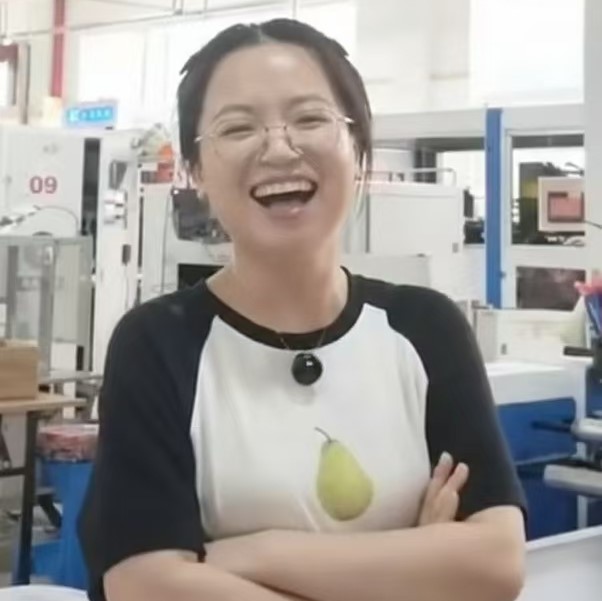
Effie
Foreign Trade Manager
Let's Connect
Have a question about sustainable packaging or want to share your story? Drop me a message.